Stories

August 10, 2023

SHARE:

Anise Health is on a mission to improve mental healthcare for Asian Americans.

Recognizing the lack of health equity in the existing mental healthcare system, especially for people of color, Anise Health aims to create a positive change by offering culturally-responsive care.

Anise Health wants to make mental health care accessible and affordable for everyone. They work with different health plans and offer affordable plans for those who pay themselves. They have big plans to reach more people of color and support them in their mental health journey. 

Anise Health believes that everyone deserves the care and support they need to live a happier and healthier life. Read through the inspiring insights from Anise Health in an interview with Asian Hustle Network.

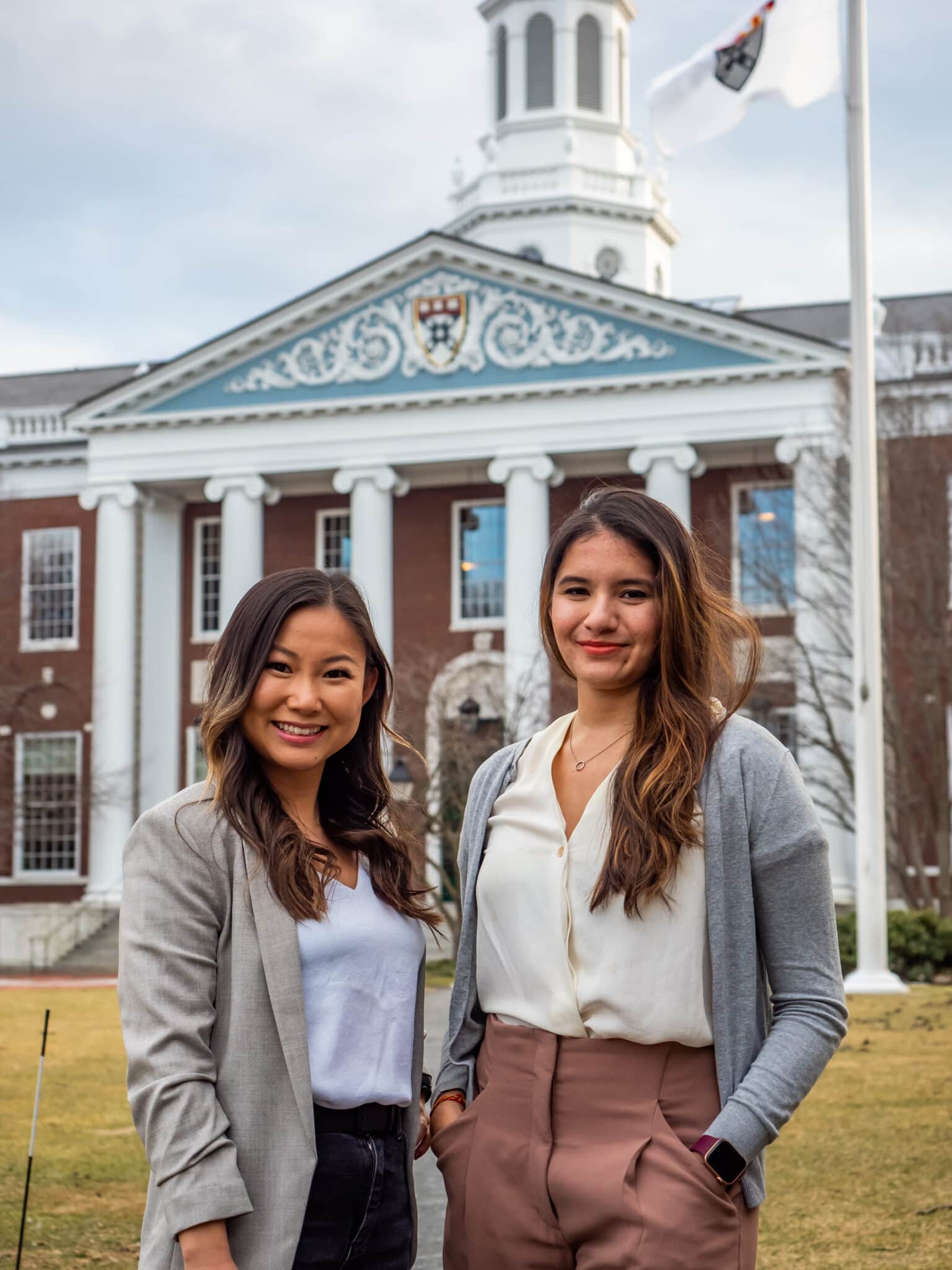
Alice and Nisha, founders of Anise Health

ADDRESSING THE UNIQUE MENTAL HEALTH NEEDS OF THE ASIAN COMMUNITY

Anise Health is building the gold standard of mental healthcare for Asian Americans because there is an urgent need to advance health equity.

People of color are extremely underserved by the existing mental health care system, with 50% dropping out of therapy after just the first session. Specifically, 41% of Asian Americans experience current symptoms of depression and anxiety, yet only 30% report feeling supported today. The sharp increase in anti-Asian hate crimes compounded with the model minority myth means that the Asian community often suffers in silence, leading to devastating consequences such as Asian young adults being the only ethnic group with suicide as the leading cause of death.

Anise is on a mission to change these trends by creating a culturally-responsive digital mental health platform built by and for the Asian community. We’re humbled by the incredible results our clients achieve on our platform, including:

  • 97% completion rate of the first 4 weekly sessions, which far exceeds the industry benchmark of outsized dropouts after the first session
  • 95% of our clients report feeling heard or understood by their provider, demonstrating a strong therapeutic alliance between providers and clients
  • Net promoter score of 84 (46 points above the industry average), indicating unparalleled satisfaction with our provider curation and training

SPECIFIC CHALLENGES THAT INDIVIDUALS FACE WHEN SEEKING MENTAL HEALTH SUPPORT

Asian Americans experience unique stressors such as collectivistic family dynamics, bicultural tension living as a minority in a majority culture, pressure to achieve and perfectionism from reinforced narratives of self-sacrifice, intergenerational trauma from unhealed historical wounds, excessive shame and guilt leading to internalized self-criticism, rigid gender norms and relationship expectations, to name a few. 

Our clinical advisory board comprises pioneering experts in the field who are leading evidence-based research to address these stressors and empower the well-being of the Asian community. We infuse their expertise into our care models and translate this information into digestible educational formats which are curated in our digital resource library.

DESTIGMATIZING MENTAL HEALTH

Anise normalizes mental health by delivering psychoeducational webinars and interactive workshops tailored to Asian Americans. Our clinicians lead these group services across a diverse range of topics for a variety of enterprise partners and schools, including Netflix, LinkedIn, Microsoft, and many more. We also host free community engagement programming with a large network of over two dozen nonprofit partners, as well as speaking at multicultural conferences and celebratory events.

For individuals seeking 1-on-1 services, Anise has developed care models that are clinically validated and culturally tailored, which research shows to be ~5x more effective than one-size-fits-all offerings. We are the only platform providing a holistic suite of services that integrate individual teletherapy, behavioral coaching, peer support groups, alternative medicine, and a curated library of self-service digital resources. Furthermore, our approach enables the accurate assessment of cultural stressors and personalization of care using machine learning technology. Anise’s proprietary clinical care model incorporates cultural adaptation along every step of the client’s journey from intake to blended treatment plans.

THE CULTURALLY-RESPONSIVE CARE MODEL

At Anise, culturally-responsive care means seeing a client as more than just a set of symptoms and diagnoses. Clients are seen as unique individuals whose racial and cultural contexts shape how they experience the world and how their needs are not being met.

Our providers are recruited for their deep expertise in culturally-responsive care and extensive experience supporting Asian clients. Once hired, providers are trained in our proprietary curriculum to explore clients’ intersecting identities and empowered in monthly consultation sessions, which offer providers their own space for connection and continued learning. In fact, our providers are diverse and maintain a wide range of ethnic backgrounds, sexual orientations, language capabilities, and therapy approaches.

Therapists and coaches work together as a dedicated team for clients, where the therapist helps the client navigate through psychological history and set concrete therapy goals, while the coach works with the client to achieve these goals. This empowers Asian clients to achieve lasting outcomes.

TESTIMONIALS

  • Anise Client – “Therapy had not worked for me before, but after meeting my Anise clinician I have regained confidence in the process and am excited to continue working with my therapist.”
  • Anise Clinician – “I found Anise’s clinical model to be such a culturally effective way to provide mental health services for clients and clinicians. Especially the way it incorporated coaching with therapy.”
  • Enterprise Partner – “I had never thought about burnout through the lens of cultural identity and how that may impact me. This session helped me understand deeper elements of what I was dealing with.”

ACCESSIBILITY AND AFFORDABILITY

Anise is in-network with Managed Health Network and Optum, and is in the process of contracting with several large health plans, in addition to accepting HSA and FSA benefits. For self-pay clients, Anise is affordable with subscription plans averaging $200 per month, nearly 1/4 the cost of average private practice rates in New York and California. For clients who want to supplement their holistic health, Anise offers clinician-led peer support circles along a variety of diverse themes at only $25 per week.

LOOKING IN THE FUTURE

We have ambitious growth plans to support the Asian community and people of color more broadly, which include expanding to more states, partnering with universities to support students, and offering our services as covered employee benefits for businesses. We are open to feedback and love piloting solutions with our community. Contact Anise Health’s Head of Growth, Angel Wang, for ideas at angel@anisehealth.co

CONNECT WITH ANISE HEALTH

Website: anisehealth.co

Instagram: @anisehealth

Linkedin: Anise Health

TikTok: @anisehealth

Facebook: Anise Health
Related Articles

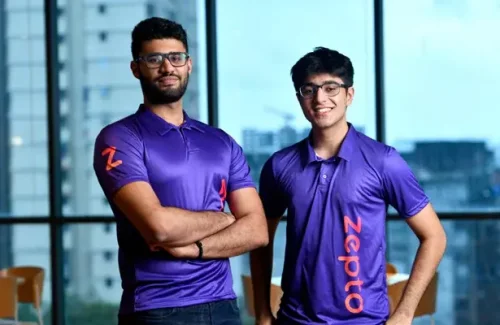
Image Source Zepto

Uncategorized

Zepto’s Teenager Founders Share How They Built An App With A $900M Valuation

Zepto, an instant grocery delivery startup founded by two teenagers, Kaivalya Vohra and Aadit Palicha, brought their company to a valuation of $900 million in just nine months.

Vohra had “a couple of long conversations” to convince his parents for him to drop out of Stanford for his startup. But pulling them on board wasn’t hard, he added, his parents witnessed how rapidly they grew the business in front of them.

In a recent interview with CNBC Make It, the young founders shared how did they build one of India’s fastest-growing quick commerce apps.

People didn’t take the 19-year-olds seriously due to their age and their “crazy” under-10-minute delivery idea. However, their conviction in their product kept them going and helped them convince investors, senior executives, and government authorities. Zepto’s $200 million in May got it closer to unicorn status.

“If we don’t build it, somebody else will. When you operate with that mentality, everything becomes less intimidating.” Palicha told CNBC. 

During the early stages of Zepto, Palicha and Vohra handled all of the company’s customer service inquiries to determine a clear product-market fit. They even brought goods to customers so that they could have a brief conversation and gain valuable insight from them. Palicha claims that they are still doing it in the present day.

Palicha and Vohra had been friends since they were seven. For Vohra, it’s their ability to “hold each other accountable” that brought them this far. 

“Kaivalya and I really complement each other’s skill set. He has always been more technically sound than I am, so he’s made a great chief technology officer,” said Palicha. 

Image by Lorephil Toledo

Uncategorized

Filipina Single Mother in Canada Grew Her Cleaning Job Into a Million-Dollar Janitorial Business

We’ve all heard the stories of people who have started with next to nothing and come out ahead. They are able to turn their passions into successful businesses while providing them with a sense of purpose. But what does it really take to become a successful entrepreneur? 

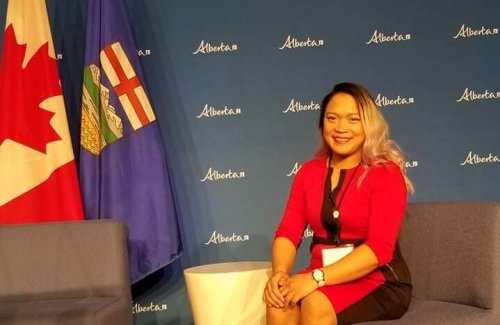
As a Filipina single mom who built a business in Canada, Lorephil Toledo had to overcome a lot of challenges before achieving success. She is now the CEO of her own company and an inspiring Filipino dreamer for female entrepreneurs around the world. 

At a young age, Lorephil was already used to running her own business. She used to sell clothes, shoes, and underwear at school to pay for her own food. She has never been shy, and she even uses her skills to provide tutoring services in order to increase her income. 

In 2011, Lorephil sought work in Canada. Her oldest was 2 and her youngest was 11 months. She was unhappy because she had to spend so much time away from her children in order to earn. 

She overcame homesickness and missed her children by cleaning. “I found myself distracted by cleaning houses because I was homesick. I’m dreaming that my children are in here while I’m doing housework. I felt good every time I cleaned the house,” she explained.

Lorephil quickly realized that she could turn her pastime into a profitable business. Lorephil started the successful CanaJan Inc., a janitorial services company. Through her entrepreneurial spirit and hard work, Lorephil was able to serve the community with the best janitorial services.  

She started out on her own and now oversees a team of 15 people. More than 350 of her clients are consistent, and she brings in millions of dollars annually. She is a multi-award winner, having been named Entrepreneur of the Year, New Citizen of the Year, and New Business of the Year in addition to being named Ambassador of the Filipino Canadian Trades. She was also invited to speak by the provincial government of Alberta.

When sharing her story, Lorephil mentioned a few of the lessons she has learned along the way. She encouraged everyone to have big goals. She believes that there is no impossibility in life, even for the poor, and that there should be no limit to one’s dreams. 

She advises to work hard, “If you want to succeed, you have to work hard for it.” She felt dreams can’t come true without labor. She worked seven days a week for her company. She got four hours of sleep, skipped holidays for five years, and reinvested her money.

Lorephil is a firm believer in the saying “ “Don’t Quit.” She is confident that every difficulty can be overcome and that there is always a way out.

She upholds that in order to properly serve your customers, you must first properly serve your team. This is her reason for treating her employees well and providing free services to her regular customers. She added,  “If you give something to the universe, it will come back double times.”

Image Source: JG Summit

Uncategorized

The Notable Filipino Entrepreneur Who Used His Peanuts Enterprise To Establish An Empire

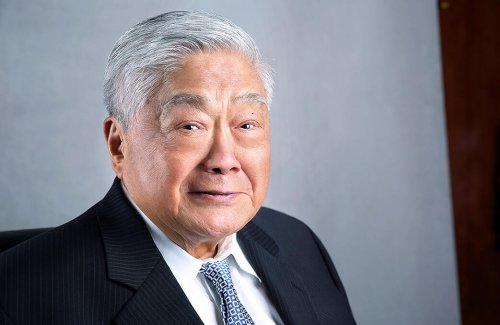
“Choose to be an entrepreneur because then you desire a life of adventure, endless challenge, and the opportunity to be your best self.” — a remarkable statement from “Big John”, the founder and former chairman of JG Summit, one of the largest companies in the Philippines. 

John Gokongwei, a Filipino businessman, investor, and philanthropist, died in 2019 at age 93, but his legacy and business lessons continue to inspire. John created JG Summit, a worldwide conglomerate with assets in one of the Philippines’ largest Telecommunications companies PLDT, Manila Electric Company, and other international companies.

John’s grandfather, Pedro Gotiaoco, was one of Cebu’s richest persons in the 19th century. He was from Fujian province in China and was the owner of the massive trading firm Gotiaoco Hermanos. However, their family went bankrupt during the Great Depression, leaving them homeless.

John, his mother, and five siblings returned to China while his father stayed in the Philippines. At 14, he started selling peanuts to support his family. He quickly realized a bicycle would help him get more done. He saved money and eventually had enough to sell his goods in nearby cities.

At 17, he followed in his family’s footsteps and entered the trading business. He used a small boat to transport goods between Cebu and Manila. 

In order to put his siblings through school in China, he had to double his work. After the war, John saw it as an opportunity to expand his trading business internationally. Amasia Trading, his first company, sold and bought goods in the United States, Manila, and the Visayas region. 

Resulting from his fruitful dealings in Amasia Trading, John finally got to see his family again. When they get back to the Philippines, they helped run their father’s business which is American-Asia Trading. 

He then got interested in the cornstarch sector but needed the funds to get started. After numerous banks turned him down to secure a loan, Dr. Albino Sycip of China Bank lent him P500,000 ($8900). John founded Universal Corn Products in 1954, and eventually expanded into variety of products, it became Universal Robina Corporation (URC).

URC became one of the country’s major food and beverage firms, while one of the Philippines’ largest business empires, the JG Summit Holdings continues to grow. He also founded Consolidated Food Corporation (later CFC), Cebu Pacific Air, and Robinson Retail Holdings. According to Forbes, John was the third richest Filipino at the time of his death.

Big John’s success was largely a result of his management style and leadership abilities, in addition to the fact that he has proven to be a crafty business leader. He will be forever remembered as a self-made billionaire who began by selling peanuts and was one of the most enduring entrepreneurs in history. 


Image Source: Brian Flaherty / The New York Times

Uncategorized

Former Reddit CEO Ellen Pao On Being A Confident Woman In The Male-Dominated Tech Industry

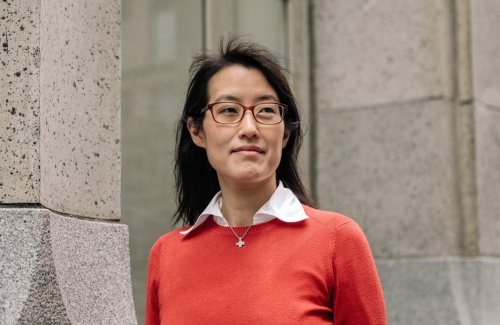
Greater diversity in tech overall could solve some of the industry’s biggest problems, including fighting disinformation, hate speech, and harassment in online spaces, said the former Reddit CEO, Ellen Pao in a recent podcast interview.

While women have made achievements in tech, their numbers are still low. A survey from AnitaB.org, a global group for women engineers, predicts it could take 12 years for women to see equality in the industry.

In 2012, Pao sued her then employer Kleiner Perkins Caufield & Byers for gender discrimination in San Francisco. The jury sided with the VC firm, but Pao became the face of the issue.

Pao shares with Jennifer Palmieri in her podcast that facing the Silicon Valley guys’ club inspired her to lead Reddit in 2014. During her time as the CEO of one of the biggest discussion websites, she didn’t have imposter syndrome as she had always thought that she had seen so many “horrible” male CEOs and board members.

The Taiwanese-American felt confident in her qualifications despite the Silicon Valley narrative that favors Caucasian and male college dropouts. “Maybe I’m not going to be perfect, and maybe I’m going to make mistakes, but it’s not going to be like some of these other mistakes I’ve seen.”

One of Pao’s priorities, when she was at Reddit, was strengthening the anti-harassment policy and clearing the site of nude pictures and revenge porn. Critics of the plan, mostly men, argued such measures were a form of censorship.

Today, however, Pao thinks that current tech leaders are driven to not prohibit hate speech because it boosts social media engagement and profitability.

As the majority white, male, and affluent tech leaders don’t see and experience problems the same way marginalized communities do, Pao believes that they can’t solve these issues.

Pao credits her mother, who is an engineer, for instilling in her a strong sense of right and wrong, which led her to speak up when she witnessed overqualified women and colleagues of color not getting promoted at the same pace as White men.