Embracing Heritage Through Style
Kỳ Lân is the first activewear brand deeply rooted in Asian aesthetics, created with a powerful mission: to empower second-generation Asians worldwide to embrace their heritage with pride. Born from Hải’s personal journey growing up Vietnamese in Hungary and struggling to find a sense of belonging, Kỳ Lân reflects what it truly means to live between cultures, and finally feel proud of that identity.
For Hải, Kỳ Lân isn’t just about clothing. It’s about rewriting the narrative for second-generation Asians and bringing Asian representation to the forefront of mainstream sports- and streetwear.

Kỳ Lân’s mission is to help second-gens embrace their Asian heritage through clothing
The Meaning Behind Kỳ Lân: A Symbol of Heritage and Unity
Kỳ Lân is a mythical creature from Asian folklore, often described as having the head of a dragon, the body of a horse, and the tail of a lion. It symbolizes peace, prosperity, and good fortune. Versions of the Kỳ Lân appear in Vietnamese, Chinese (Qilin), Japanese (Kirin), Korean (Girin), and Thai (Kilen) cultures, highlighting the deep cultural connections shared across Asia.
Hải chose this name to honor that shared heritage. As part of his efforts to reconnect with his roots, he began volunteering in the Vietnamese community and eventually became the organizer of a 6,000-member Asian Meetup and Discord group. This community centered around 1.5-generation and second-generation Asians, those who either immigrated as kids or were born abroad to immigrant parents. Together, they explored questions of identity, belonging, and the desire to reconnect. These conversations sparked the idea for Kỳ Lân: a brand that celebrates Asian aesthetics but, more importantly, gives voice to the in-between experience many second-generation live daily.
Kỳ Lân is more than just a clothing brand, it’s a tribute to these stories and a movement towards proudly reclaiming culture.
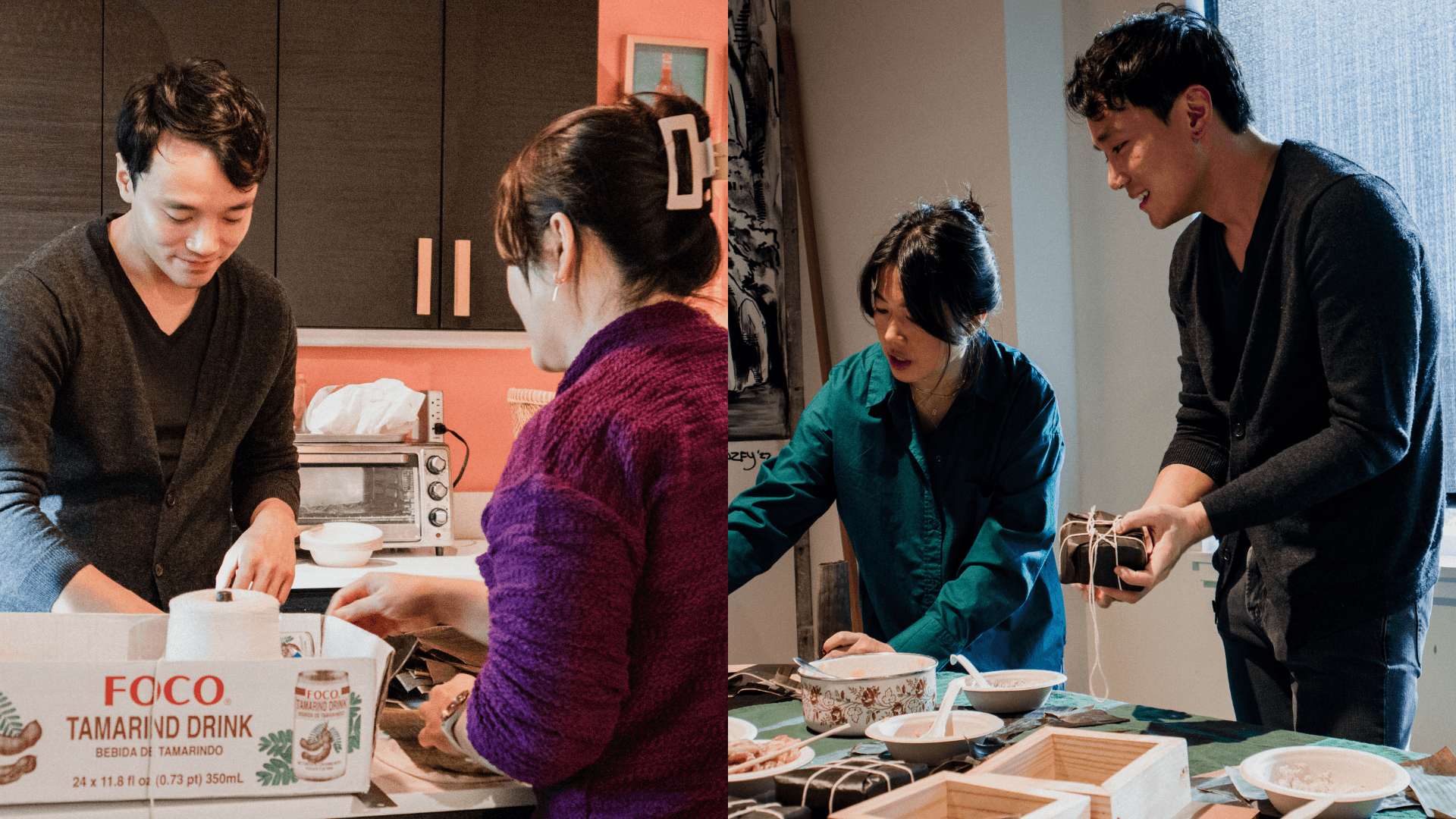
Hải volunteering in his local Vietnamese community
The Origin Story: From Hungary to the U.S. and Back to His Roots
Growing up in Hungary in the 1990s, often as the only Asian kid in school, Hải vividly remembers the bullying, the stares, and the relentless pressure to fit in. Like many second generation Asians, he spent much of his youth trying to blend in, often distancing himself from his Vietnamese roots just to feel accepted.
It wasn’t until years later, after moving to the U.S., that everything shifted. For the first time, Hải saw second-generation Asians unapologetically taking up space, celebrating their identities through art, food, fashion, and film. Vietnamese cafés were opening everywhere, Asian artists topped the charts, and streetwear inspired by Asian heritage became more mainstream. Gradually, pride replaced shame.
He became proud to be Asian, and curiosity toward his culture blossomed.
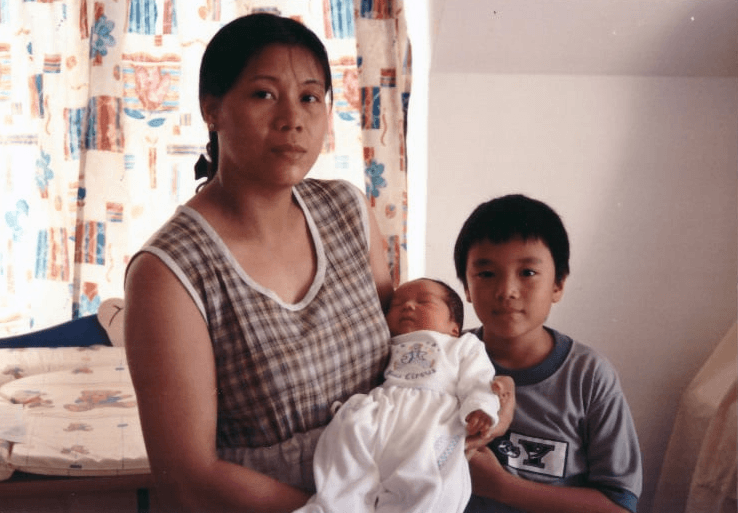
Hải, his little brother and his mom in Budapest
His parents’ story deeply influenced him, too. They immigrated to Soviet-era Hungary on scholarships and chose entrepreneurship over low-paying engineering jobs after graduation. Their hard work and resourcefulness deeply shaped Hải’s values, even though they initially encouraged him to take a safer path.
That growing sense of cultural pride deepened during a visit to Vietnam, where Hải saw relatives and locals running small storefronts straight from their homes. Every corner was buzzing with hustle. “That’s when it clicked,” he says. “Entrepreneurship is ingrained in our DNA. No wonder I felt this constant pull to build something of my own.”
From Software Engineer to Fashionpreneur: Finding Purpose
For Hải, the realization that entrepreneurship was in his blood didn’t make the decision to quit his job any easier. Like many children of Asian immigrants, he grew up with a very clear definition of success which included stability, a good education and a respectable job. And he achieved exactly this: a successful career in software engineering, after decades of hard work and sacrifice from his parents, who had moved to Hungary in search of a better future.
For a while, he was unsure whether to commit to building a business or return to the comfort of a tech job. However, the dread he felt preparing for software interviews made it clear that he had to make some kind of business idea work, no matter what.
Like so many second-generation Asians, Hải carried an unspoken responsibility to make his parents’ struggles worth it, to succeed and stay on the path they paved.
Eventually, the pull toward his purpose was stronger than the fear of failure.
In a twist of fate, Hải is following in his parents’ footsteps. After immigrating to a foreign country and getting a degree in Engineering, he decided to leave it all behind and pursue Entrepreneurship.

Hải’s parents threw away their Engineering degree to open their heavy metal t-shirt business back in the ‘90s.
The Birth of Kỳ Lân: A Perfect Fit
Inspired by his parents’ own clothing business selling heavy metal t-shirts at marketplaces, Hải worried initially that they might disapprove of him following a similar path. Instead, they became his biggest supporters once they saw his dedication.
While it might seem like a waste to throw away his engineering career, Hải’s background turned out to be a great asset in building Kỳ Lân. His time at Amazon Ads taught him how to run effective digital campaigns, his logistics experience at Convoy helped him navigate supply chains, and his coding skills meant he could build his own websites without outsourcing. Even his parents’ experience running a clothing business became unexpectedly useful.
Looking at it all together, it started to make sense. This wasn’t him starting from scratch, it was him finally using all of his skills in one place.
A Movement Rooted in Identity, Representation, and Pride
Kỳ Lân is more than just activewear, it’s a cultural movement. It celebrates the rich fusion of Asian cultures and modern sportsmanship while giving second-generation Asians a platform to proudly reclaim their identities.
Through Kỳ Lân, Hải is not only creating clothing but also rewriting the story for second-generation Asians around the world – one that embraces heritage, community, and pride.
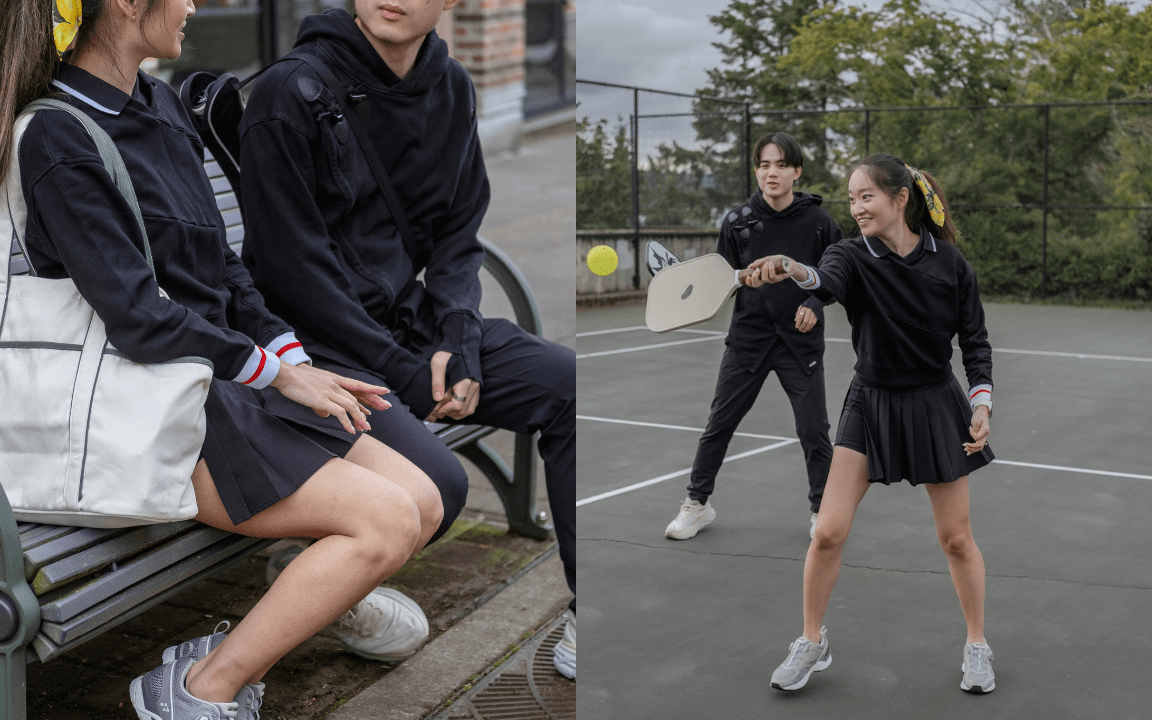
Kỳ Lân’s mission is to help second generation Asians embrace their heritage through clothing
Connect With Hải Bùi & Kỳ Lân Activewear
To celebrate Kỳ Lân’s pre-sale, Kỳ Lân is offering the Asian Hustle Network community an exclusive 20% off with the code AHN20 – valid for one week only.
Website: Kỳ Lân Activewear
IG: @kylan.athletics