From Jackie Chan’s Assistant to Building Paire: How Nathan Yun’s Vision for Better Essentials Became a $15M a Year Brand - AHN Media Group

Stories

December 19, 2025

SHARE:

Nathan Yun did not start his career thinking he would one day build a consumer brand. His early years were spent on film sets and in editing rooms, learning how stories are shaped and how audiences respond to them. Working as an assistant to Jackie Chan gave him a front-row view of storytelling at its highest level. He watched how a single film could reach millions of people and create a shared emotional moment across cultures.

Yet over time, he noticed something that stayed with him. The inspiration was real, but it faded quickly. Once the credits rolled, people returned to their usual routines. That contrast made him question what lasting influence really looked like. Was it found in big, unforgettable moments, or in the small things people interacted with every day?

Paire grew out of that question, built not around trends or marketing tactics, but around everyday essentials, starting with socks. If stories could move people for a moment, Nathan believed products could shape how they lived every day.

From Film Sets to Daily Habits

Nathan came to understand that while stories stay with people selectively, habits are formed through repetition. Clothing, especially everyday essentials, plays a quiet but constant role in daily life. When something feels uncomfortable or wears out too quickly, people notice it immediately, even if they never say it out loud.

This insight marked a turning point. Nathan no longer wanted to create something people felt for a moment. He wanted to build something they could rely on every day. From the beginning, Paire was shaped around that idea.

Instead of chasing trends, the brand focused on fit, fabric, and longevity. The goal was simple: to make essentials people would reach for again without thinking.
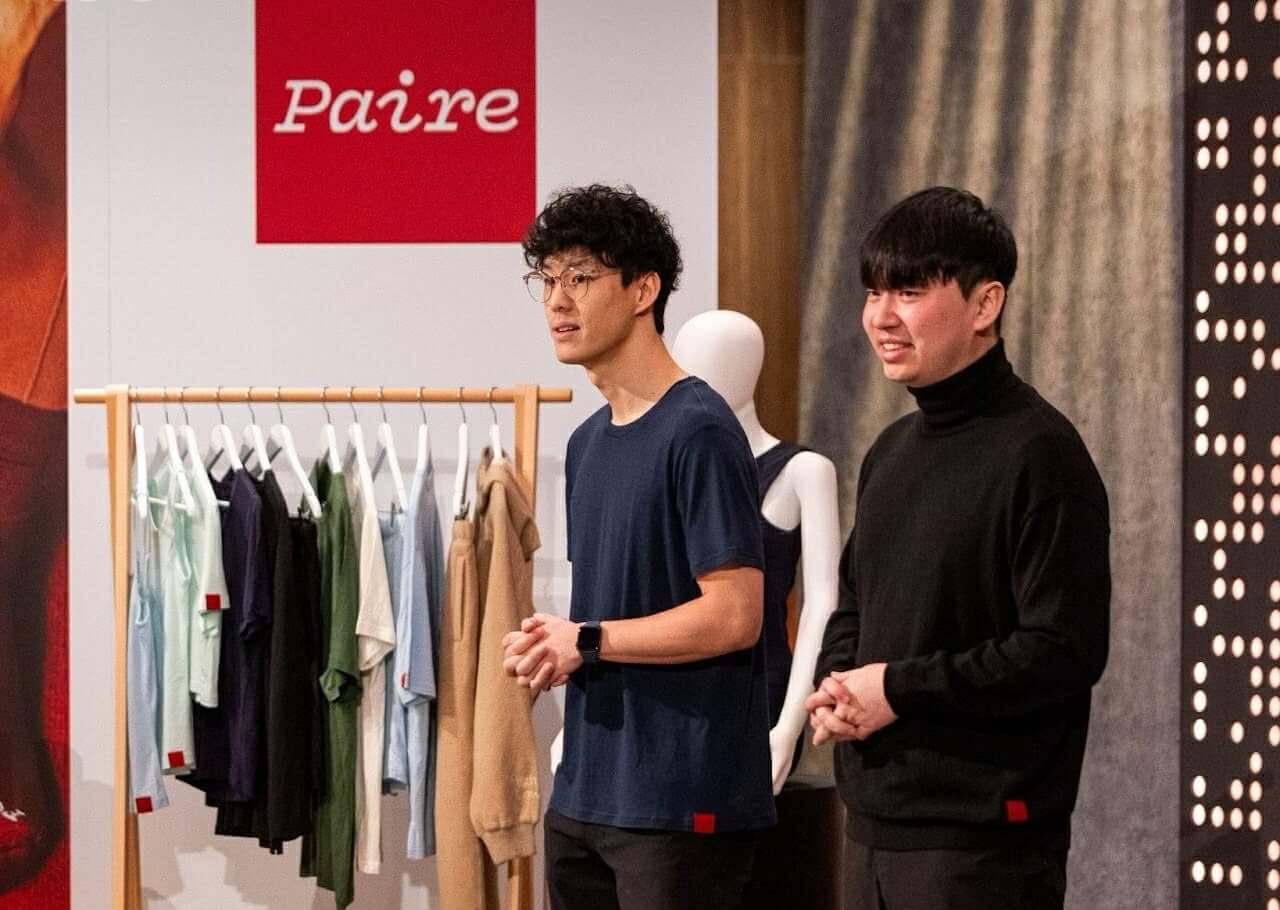
Nathan Yun (right), Founder of Paire

Learning How to Build Before Building His Own

Before launching Paire, Nathan spent five years at furniture startup Brosa, where he learned what it takes to grow a business beyond an idea. As the company expanded from a ten-person team to more than one hundred employees, his role evolved from content creation to leading brand and marketing.

During that time, he saw how forecasting affected inventory, how data guided growth, and how pressure increased as operations scaled. He also witnessed what happened when demand moved faster than systems, and how costly it could be to build those systems too late.

Those experiences shaped how Nathan approached entrepreneurship. He did not want to build Paire on instinct alone. He wanted a clear understanding of supply chains, margins, logistics, and customer behavior before committing to his own brand.
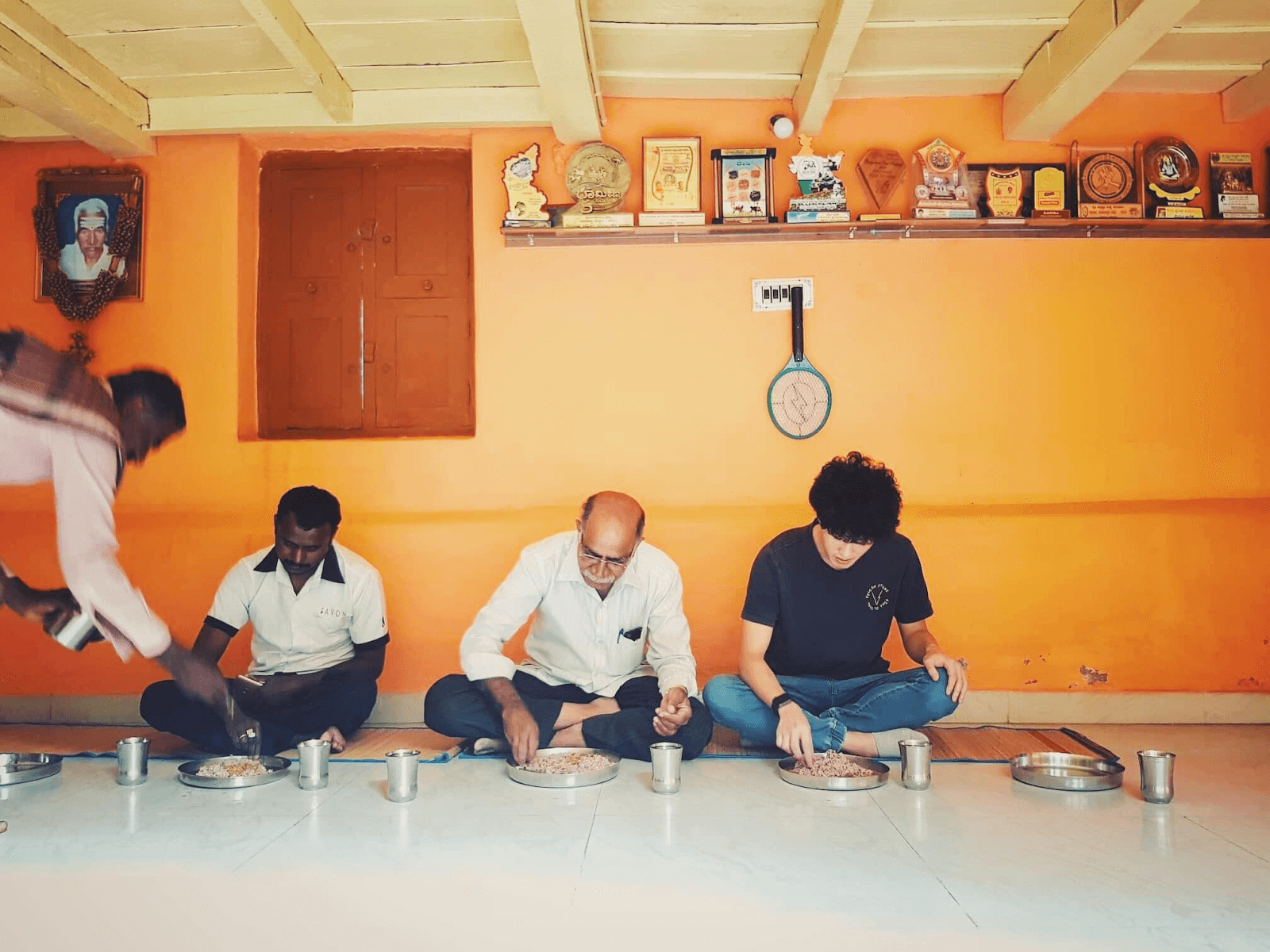
Nathan Yun (far right), Founder of Paire

The Trip That Made the Mission Personal

The purpose behind Paire became clear during a trip to India. Away from polished storefronts and online campaigns, Nathan saw the fashion industry in a very different light. He witnessed environmental damage near production sites and spoke with workers whose livelihoods depended on high-volume manufacturing.

“That experience made it clear something needed to change,” Nathan explains. What stayed with him most was how disconnected these realities were from everyday shopping habits.

Much of the damage he saw came from clothing treated as disposable. When he returned home, Nathan reached out to his longtime friend Rex, a textile expert. Instead of launching a wide range of products, they chose to start small. The focus was on improving a single item and making it last.
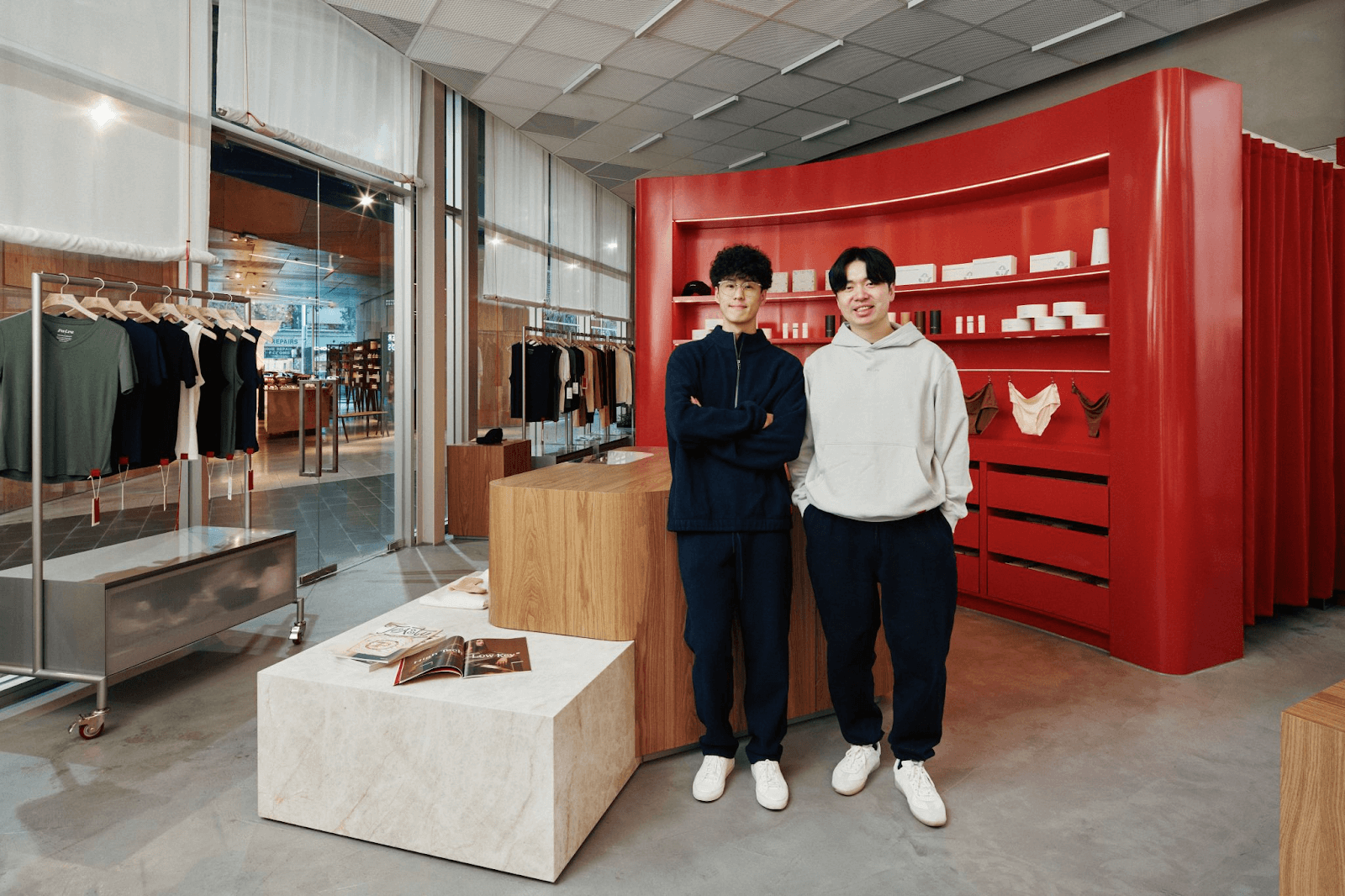
Nathan Yun (left), Founder of Paire

Earning Trust Through the Product Itself

Nathan understood that values alone would not earn loyalty. The product had to prove itself in everyday life. The team spent months refining fabric blends, improving breathability, and testing durability through repeated wear and wash cycles.

Pricing a pair of socks at twenty-four dollars came with risk. Most consumers were used to buying socks cheaply and replacing them often. But once people tried Paire, many returned. Nearly seventy percent became repeat customers, not because of marketing, but because the product became part of their routine.

By focusing on quality and longevity, Nathan Yun built a $15M-a-year brand that shows meaningful change does not always arrive loudly. Sometimes, it begins quietly, through the simplest things we rely on every day.

Follow Nathan’s journey:
📍 Website
📍 Instagram | LinkedIn

Related Articles

AHS EMAIL ANGLE (1)-png

Blogs, Development

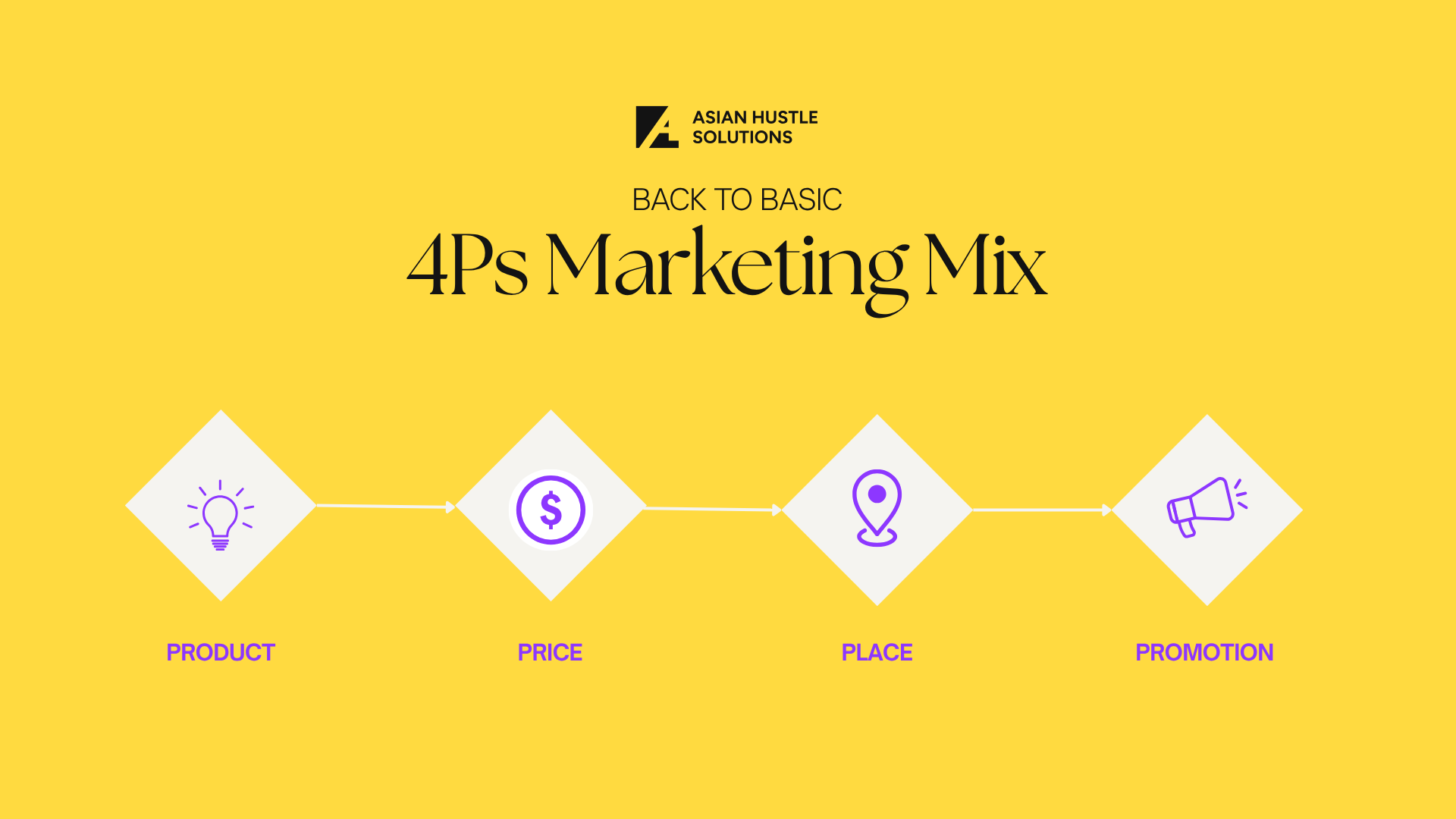
Getting Back To Basics: 4Ps Marketing Mix

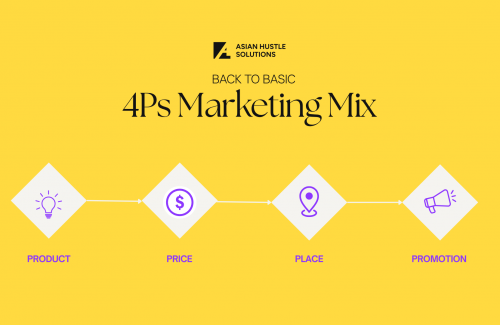
Sometimes, to create an effective marketing strategy for your business means going back to the basics. Popularized by Neil Borden, the 4P’s model is still widely used today, with each P representing a core aspect of the marketing mix:

  • Product: The core of your business, whether it is a physical product or a service. Understanding your product, what differentiates it from the competition, what is unique about it, etc.
  • Price: How much your product should be sold for. This should be based on the supply cost, how you position your product, and whether you should increase or decrease the price based on your target audience.
  • Place: The “where” of your product. Where can the customers purchase your products (online or physical stores, drug stores or supermarkets, etc). More so, it is also where you choose to advertise.
  • Promotion: How you reach your customer, either through advertising, public relations, or promotion, increases your brand awareness.

Why Asian Hustle Solutions?

At AHS, we specialize in helping brands capture attention and inspire action — whether you’re launching a new product or scaling your business, we’ll guide you to marketing that resonates and delivers results.

If you want to learn more about our services, visit the Asian Hustle Solutions website at asianhustlenetwork.com/services/

Stories

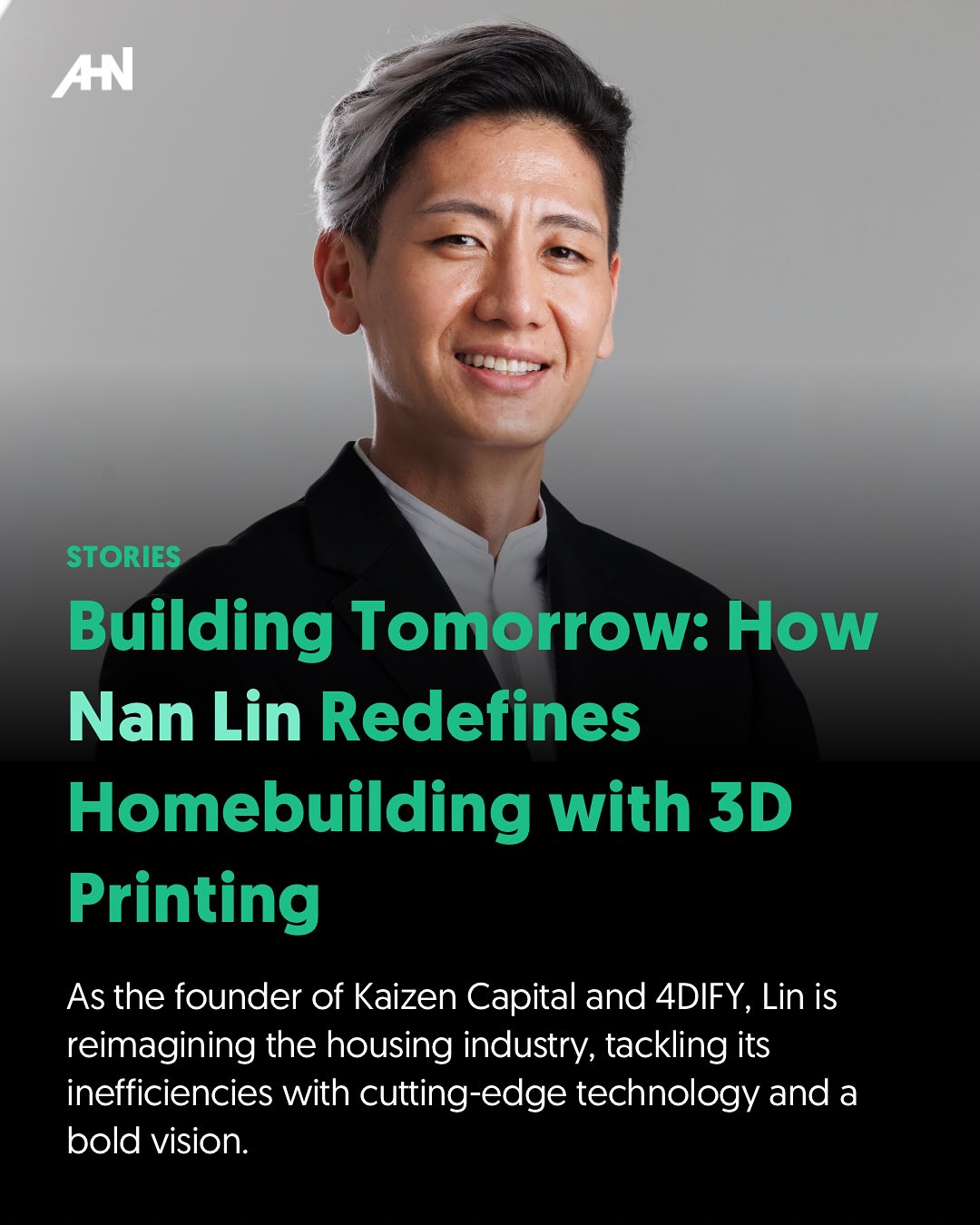
Building Tomorrow: How Nan Lin Redefines Homebuilding with 3D Printing 

For Nan Lin, entrepreneurship isn’t just business; it’s freedom. A freedom earned through sacrifice, relentless execution, and a refusal to accept the limits of a broken system. As the founder of Kaizen Capital and 4DIFY, Lin is reimagining the housing industry, tackling its inefficiencies with cutting-edge technology and a bold vision. His mission? To build stronger homes faster, at lower costs, empowering communities and challenging the status quo.

From Immigrant Roots to Visionary Leadership 

Lin’s journey began at age 10, when he immigrated to America with his mother. While adapting to a new country, he was inspired by his loving parents’ sacrifices, which shaped his relentless drive. “I saw the lengths they went to give me a better life,” Lin says. “Their love and dedication became my compass.” Years later, that resolve led to the creation of Kaizen Capital, where he transforms underutilized properties into vibrant housing solutions: ADUs, subdivisions, condo conversions, and luxury short-term rentals. By unlocking hidden value in land, he delivers market-rate and affordable housing that strengthens neighborhoods.

But Lin saw a deeper problem: traditional construction is slow, costly, and vulnerable to fire, pests, and natural disasters. Frustrated by an industry stuck in the past, he founded 4DIFY to lead a new era of construction through 3D-printed concrete homes.

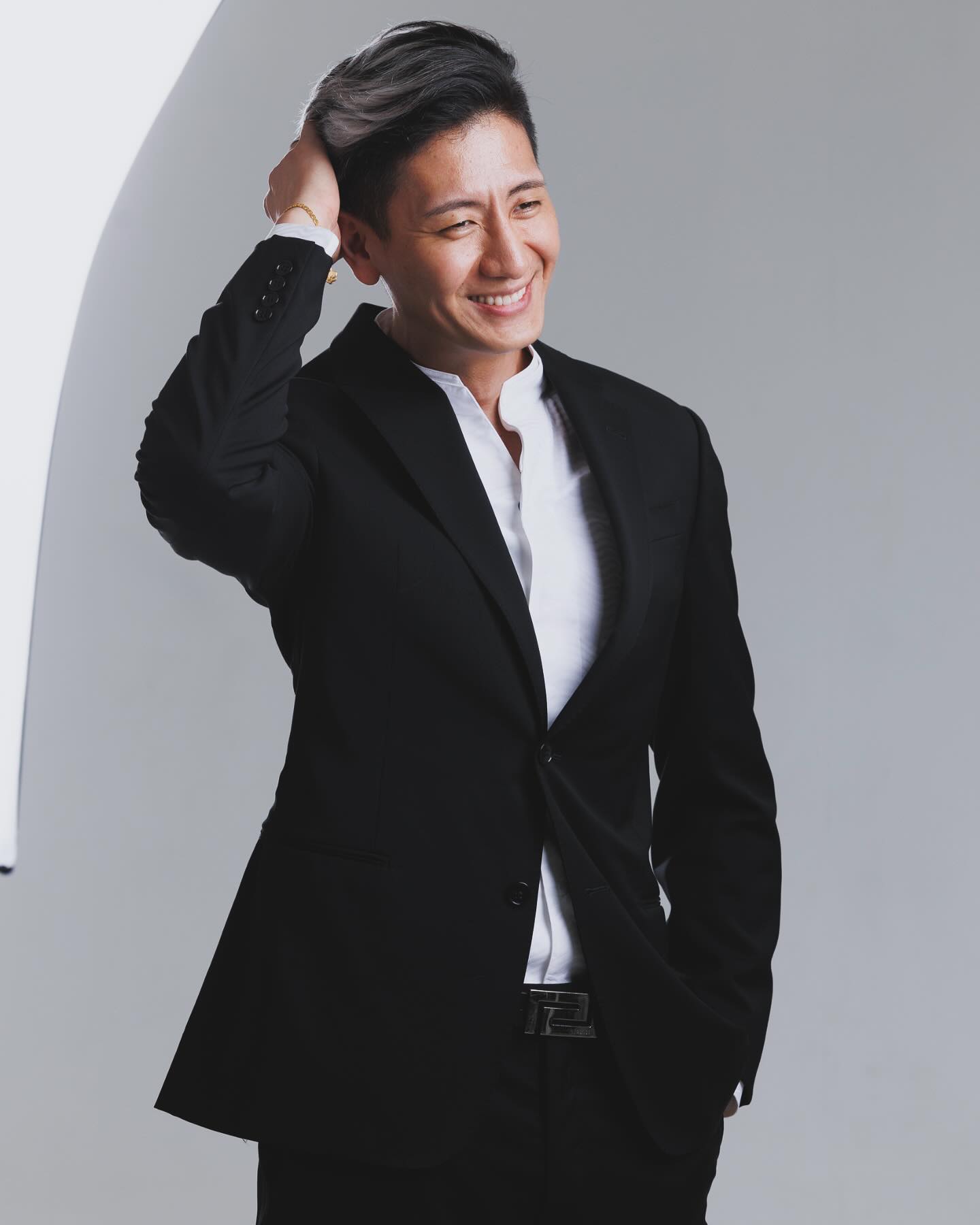
Nan Lin | Founder and Principal of Kaizen Capital and 4DIFY

3D Printing: The Future of Housing, Today

Lin’s vision for 4DIFY was sparked by a frustrating reality: “Wildfires destroy neighborhoods every year, yet we keep building stick-frame homes that burn like kindling,” he says.

After visiting several 3D printer manufacturers, Lin partnered with New York–based SQ4D. It took nearly a year to secure exclusive licensing rights, navigate regulatory hurdles, and obtain building permits, but he got it done.

Now, 4DIFY is building California’s first community of 3D-printed concrete homes. As this article goes live, their first printed home is nearing completion, despite heavy regulations and a steep learning curve. The team is already outperforming traditional timelines and cost benchmarks. The second and third homes will soon print simultaneously, targeting completion in two months, effectively one home per month at under $200 per square foot.

Despite challenges as an Asian immigrant, Lin managed to transform them into motivation and success. 

“We’re aiming to build at half the cost and in a quarter of the time,” Lin says. “That’s not a dream. It’s the direction we’re heading.”

Built with concrete, reinforced with rebar, and topped with metal roofs, these homes are resilient against fire, wind, earthquakes, mold, and pests. They’re also designed for long-term savings, with lower maintenance, less waste, and reduced energy and insurance costs.

“Critics doubted it would work,” Lin reflects. “But seeing is believing. This is the future.”

A Philosophy of Purpose and Resilience

Lin’s journey has been marked by relentless challenges, some seemingly insurmountable. “Obstacles never stop,” he admits. Yet he transforms adversity into opportunity, fueled by a positive mindset, solution-driven focus, and disciplined execution. His trusted team is his backbone. “No one succeeds alone,” he says. “My team turns the impossible into reality.” This resilience shapes his leadership, blending bold vision with purposeful action to create opportunities, particularly for communities long excluded from wealth-building. “Housing isn’t just a product,” Lin says. “It’s a platform for empowerment.”

Recognition and Inspiration

Lin’s impact is gaining notice. The Sacramento Bee named him one of the Top 20 AAPI Change Makers, and he was honored in the Business Elite Awards’ 40 Under 40. But for Lin, the real reward is inspiring others. “I want to show the next generation of Asian entrepreneurs what’s possible when we claim our seat at the table,” he says.

Lin wants to create opportunities for those marginalized by elevating the future of construction, making it more accessible for his community.

Join the Housing Revolution

Nan Lin isn’t just building homes, he’s redefining what’s possible. Through Kaizen Capital and 4DIFY, he’s creating a future where housing is affordable, resilient, and sustainable. Follow his journey and see the revolution unfold.

Connect with Nan Lin:

News

Celebrating Hope: JED Gala 2025 Unites Advocates for Youth Mental Health

The Jed Foundation (JED) held its annual gala on June 4 at Cipriani Wall Street in New York City, gathering more than 650 guests for a special evening dedicated to raising awareness and taking action for youth mental health. The sold-out event raised over $1.6 million in support of JED’s mission: to protect emotional health and prevent suicide among teens and young adults.

Hosted by Emmy-winning journalist, Savannah Sellers, the gala recognized individuals and organizations at the helm of the drive for youth mental health awareness. “The mental health struggles of our young people are undeniable, as suicide remains a leading cause of death for this population,” said JED CEO John MacPhee who emphasized the urgency of their work. “The dedication of tonight’s incredible individuals, organizations, and advocates — helping JED protect and prioritize student mental health with life-saving tools, resources, and connections — serves as a positive reminder that it takes every one of us to prevent suicide and foster a kinder community here at home and across the country.”

Honoring Voices Making an Impact

Singer, actor, and DIVE Studios co-founder Eric Nam and Peloton instructor and entrepreneur Ally Love received the 2025 Voice of Mental Health Award. Both were praised for destigmatizing mental health and encouraging open dialogue.

Nam highlighted the importance of prioritizing self-care, “Mental health is universal; it impacts how every one of us shows up in the world.” His work with JED and Mindset has helped connect AAPI youth and K-pop fans to personal mental health stories. 

Eric Nam | Singer, Actor, and DIVE Studios Co-founder

Love also shared her own experiences: “Living with mental health challenges is part of my story, but it does not define who I am. ”

Ally Love | Entrepreneur, CEO/Founder of Love Squad

Victoria’s Secret PINK earned the Corporate Voice of Mental Health Award, recognized for a five-year partnership with JED focused on Gen Z engagement. Through digital tools, campus outreach, and initiatives like the PINK with Purpose Project — which awarded $25,000 grants to 10 young advocates — PINK has helped expand access to support and resources.

“PINK is all about inspiring Gen Z to show up authentically and find joy in this chapter of life,”  said Leslie Nixon, Associate Vice President of Community Relations at Victoria’s Secret & Co. “Our work with JED highlighted that supporting positive mental health is the key to fostering growth, connection, and future success. 

Leslie Nixon, Associate Vice President of Community Relations at Victoria’s Secret & Co.

Celebrating Student Advocates and Voices of Hope

Model and mental health advocate Remi Bader introduced the recipients of the 2025 Student Voice of Mental Health Award: Rohan Satija, a recently graduated Texas high school senior, and Nora Yanyi Sun, a rising junior at Harvard. Both students shared powerful reflections on their mental health journeys and their work to uplift peers through advocacy.

The evening featured performances by Lorna Courtney, Thomas Robert Kitt, BAILEN the Band, and the Brooklyn United Marching Band, each contributing to a moving celebration of resilience, hope, and connection.

To view event photos, visit JED’s Facebook photo album.
To support JED’s work, visit jedfoundation.org/donate.

Blogs, Development

Understand Whether Your Website Is User-Friendly: 7 UX Pillars

User Experience, commonly referred to as UX, is a very broad term, which makes it hard to evaluate whether your website works with users.

As such, Peter Morville simplified UX into 7 core pillars, allowing a comprehensive evaluation of the UX:

  • Useful: It should have features that help users achieve certain goals easily.
  • Desirable: It should have add-on features that can cater to users’ specific wants.
  • Accessible: It should be usable by users with disabilities, and it is equally easy to use on mobile devices and laptops/PC.
  • Credible: It should be smooth, and there should not be any major bugs that disrupt the user experience.
  • Findable: It should showcase information clearly, allowing for easy navigation across the website.
  • Usable: As simple as it sounds, users should be able to use the website intuitively; the User Interface should be familiar.
  • Valuable: It should bring value to the user; it should help them save in some way, whether it is time, money, or effort. Simply, what do they gain by using your website (over going in-store, for example)?

Why Asian Hustle Solutions?

At AHS, we specialize in helping brands capture attention and inspire action — whether you’re launching a new product or scaling your business, we’ll guide you to marketing that resonates and delivers results.

If you want to learn more about our services, visit the Asian Hustle Solutions website at asianhustlenetwork.com/services/