Mai Hlee’s journey is a testament to the power of resilience and hard work.
Mai’s entrepreneurial spirit comes from her mother, who taught her life-long skills. Mai’s resilience is evident in her journey to paying off her student loans, living frugally, and raising a family of 6. She started her first online business documenting her journey on her blog where she shared savings tips to help others save too
Despite experiencing mental health challenges and social anxiety, she found strength in vulnerability and persevered to become a public figure in her community. Her tenacity and resourcefulness show that with hard work and determination, anything is possible.
THE HUSTLE STARTS EARLY
Born in a refugee camp in Thailand after her family fled the aftermath of the Vietnam War, Mai’s parents and older siblings swam across the Mekong River in the middle of the night to escape to Thailand, where they lived in a refugee camp for seven years. Mai was born in 1984 and when she was 3 years old, Mai and her family were accepted into the United States. Mai became the first in her family to receive a full public school education.
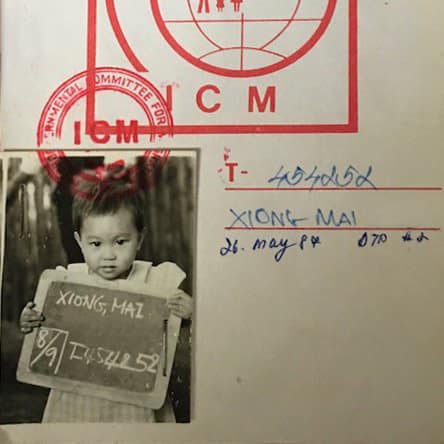
Mai learned to hustle at an early age. Her dad was a machine operator and made $6 an hour while her mother found odd jobs and became a seamstress while taking care of her and her other 8 siblings. Mai had to learn how to use a sewing machine at an early age so that she could help her mom. While she was sewing letters on college sweatshirts and hoodies alongside her mom, other kids her age were playing outside. “Now that I look back, I am so grateful for the life-long skills that my mom taught me. My entrepreneurial spirit comes from her,” Mai said.
TURNING ADVERSITY INTO MOTIVATION
When her parents were able to buy their first personal computer that she had to share with her siblings, she took the opportunity to learn how to code in HTML. And at the age of 12, she secured an internship at Ohio.com.
But despite how hard she worked, she still struggled financially in college. There was a time when she had no more than $5 in her pocket and faced the dilemma of using it to either buy gas or get a slice of pizza. You could say that she starved most days.
During her childhood, church people would knock on their door on weekends and bring giant, clear trash bags filled with donuts. Donuts that no one else wanted. It was one of her best memories as a child because she never got to eat sweets. Only to find out that all those years, she has been eating expired donuts. “I came home one night crying my eyeballs out and telling myself that one day I would never ever be poor again or allow my future children to experience what I did.”
FROM FRUGAL LIVING TO INFLUENCER SUCCESS
After graduating from the College for Creative Studies with her Bachelor of Fine Arts in 2007, she already had a full-time job as a Web Designer lined up for her at an advertising agency. She used the money from her job to publish her own cultural Hmong magazine, with 10,000 in circulation at its peak, and eventually, she went to work for a startup company as a Frontend Developer. She took on side jobs, building websites, designing logos, and doing photography.
When she was pregnant with her first daughter in 2011, she still had over $50,000 in student loan debt, and was paying the bare minimum. She wasn’t taught or prepared to manage her own finances and her parents worked so hard to provide for a family of 11 that even they were stretched thin.
She made a promise to herself to pay off all her loans before her daughter started her own educational path. So she started to live as frugally as possible. She sold anything she had that was worth anything, learned how to extreme coupon. She documented her journey, shared deals and saving tips on a blog and on social media. She amassed a 170,000+ following on Facebook and 50,000 on Instagram.
Before the term Influencer even became popular, she was already working with brands like Nestle, Pampers, Kellogg’s, Walmart, and Sam’s Club. She was able to make multiple six-figures in passive income from Amazon, Google Adsense, and other sources. Eventually, she was able to pay off the full amount of her student loan, and even took her kids to Disney World twice.
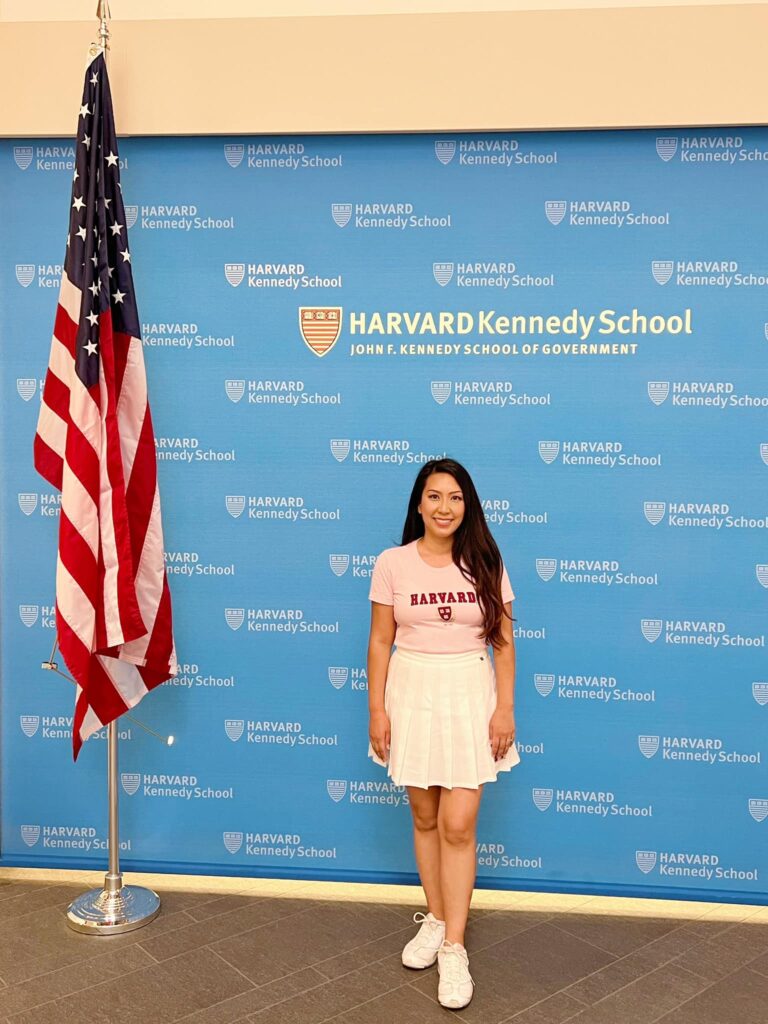
Just last year, Mai received two scholarships and a fellowship to attend Harvard University and Michigan State University to further enhance her public speaking and leadership skills. This year, she became an honorary Ambassador and was chosen to travel to Japan to learn about the culture, economy and its people.
FINDING STRENGTH IN VULNERABILITY
Despite her digital and online success, she was diagnosed with PTSD due to a harrowing situation that caused her to have social anxiety and mental health problems, including self-doubt. “Meeting my husband saved me. While others pointed their fingers and laughed at me, he was my protector and my biggest supporter.”
While Mai was in college, she entered a Hmong pageant and became the Miss Lao-Hmong Wisconsin in 2004 without any experience or formal training. The pageant became a platform for Mai to advocate for her community while bringing awareness to the Hmong genocide in Laos. She joined two more pageants after that but shortly after the last pageant and in the summer of 2008, Mai became the victim of a cyber stalker.
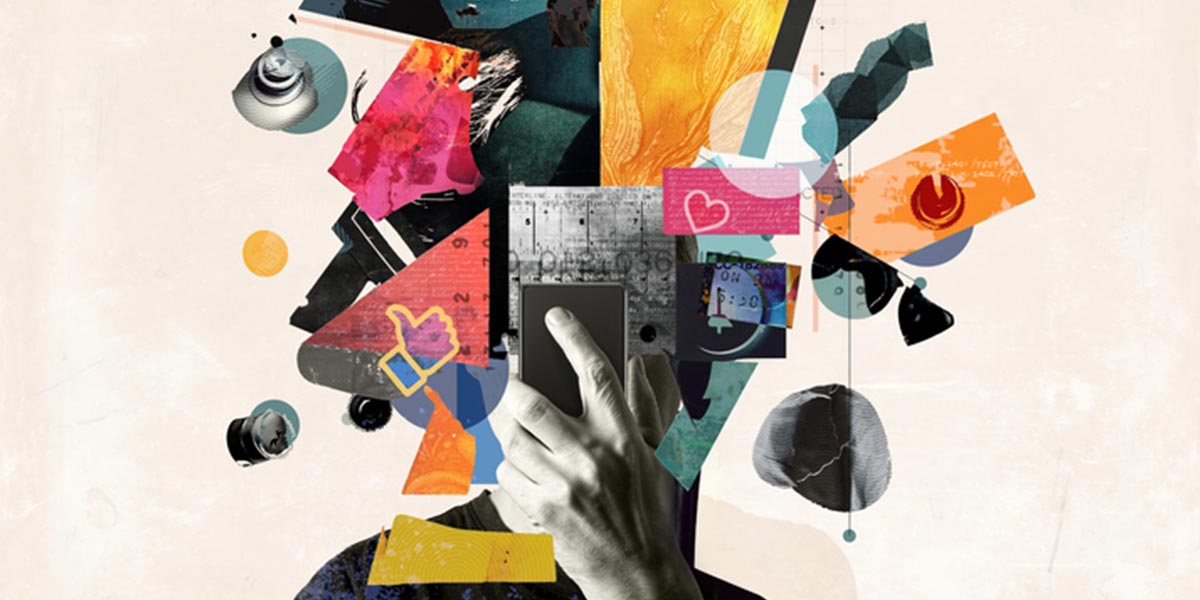
Her perpetrator used social media to harass, terrorize and sabotage her life. He had spent weeks gathering images of her, from creating a fake social media account to friending her, lifting and gathering photos of her, and making video collages with explicit messages to taunt her.
Mai couldn’t trust anyone around her because she had no idea who it was. She just knew it had to be someone who had been watching her for a long time. She reached out to the police but they were unable to identify the cyberstalker.
One night, she decided to use her technical background in Web Design to track her cyber stalker, and the perpetrator was eventually found and arraigned. However, Mai faced backlash from her community when they found out her cyber stalker was a Hmong man. Relatives that supported her initially turned against her, and the woman she had interviewed for her magazine’s front cover dropped out. Mai’s parents were pressured by the Hmong elders to drop the case. Traditionally, Hmong girls are taught to be quiet, timid, and domesticated at an early age.
But Mai was their daughter, so they supported her. Mai had to face her stalker in court and be judged, after a year of waiting for her case to be brought to a trial because the cyberstalker did not budge or take a plea.
The case lasted one week, and the jury found the stalker guilty.
THE LIGHT AT THE END OF THE TUNNEL
After a decade of healing and overcoming her anxiety and fear of being around people, she was voted by the people to be a public figure in her community. Mai now oversees a more than a billion dollar annual budget, attends conferences, public events and is proud to share her experiences with others.
Overcoming PTSD and her mental health challenges made Mai a more resilient person. After the cyberstalking, becoming an outcast in her community, and facing a grueling trial, she looked back on her life and what she went through and realized that she came out as a stronger person. There was nothing anyone could say or do that would hurt her. She had been at the lowest of the low and now, there was nowhere else to go, but up.
During the trial, Mai met her now husband, Adam. Although he knew what happened to Mai, his kindness and support for her never wavered. While everyone was quick to judge her and cast her away, he protected her.
Mai’s parents didn’t live long enough to see her success, and her husband lost his parents when he was younger, so raising their family has been challenging.
But despite all the hardships she has been through, Mai has overcome adversity and continues to thrive in her personal and professional life through hard work and determination.
“When my darkest clouds lifted, I saw just how beautiful the sunlight really was. There is a light at the end of the tunnel.” -Mai
TIPS ON PASSIVE INCOME
- Define your niche. Usually, it’s what you love to do or what you’re very interested in. For me, it was personal finance.
- Be consistent. Just like a full-time job, show up on time and schedule your tasks and get them done, consistently
- Show up as your true self and you’ll build the right audience –people who are eager to know you and be in your circle
- Pitch to brands that you’re passionate about. I would look at things I already have in my house and look up the brand’s story, the founders, and identify what I can bring to the table to make them even better
- Automate or outsource anything that you don’t like to do so that you can focus on the things that spark your passion
ADVICE FROM ONE HUSTLER TO ANOTHER
Don’t ever let people tell you that you can’t do it. Don’t let people define your future. Listen to your intuition, that inside voice that is telling you what feels right. When you get rejected by clients or hiring managers, ask them what you can do to be better next time and the kind of person they’re looking for.
Forge a different path: when people are “Zig-ing” –you “Zag.”
CONNECT WITH MAI
Facebook: Mai Hlee
Instagram: @maihleex
Website: maihleex.com