Blogs, Development

December 19, 2025

SHARE:

The creator economy is no longer a niche corner of the internet. It is a $250 billion industry, powering modern marketing, culture, and commerce. Yet for the creators at its core, the experience often remains unstable and fragmented. Inconsistent rates, shifting platform demands, and “gifting” budgets paired with outsized expectations have left many navigating an ecosystem that hasn’t caught up to their value.

As we look toward 2026, the industry is approaching a tipping point. Growth alone is no longer enough. What creators need now are standards, systems, and support that allow them to build sustainable careers—not just viral moments.

Below are five critical shifts shaping the future of creator work, and the standards Meraki is building to support a stronger, more intentional industry.

1. Stronger Structure for a Growing Industry


Photo courtesy of Vivian Kwan (center), Founder of Meraki Group

While creator content has never been more polished, the backend of the industry remains disorganized. Uneven pay scales, scope creep mid-campaign, and unclear paths to professional growth are still common. Creators are often met with constant brief changes or “gifting” requests that require high-level deliverables without fair compensation.

The gap: There is no shared structure defining fair rates, clear deliverables, or realistic timelines across the industry. Expectations are often implied rather than stated, leaving creators to absorb last-minute changes, unpaid revisions, and expanded usage. Over time, this places most of the financial and emotional risk on creators instead of being shared evenly with brand partners.

The Meraki solution: Meraki builds every partnership on clarity. Terms and rates are established upfront, expectations are clearly defined, and communication stays transparent throughout the process. By setting strong boundaries early, creators are protected from underpayment, and brands begin each project with a shared roadmap for success.


2. Education That Powers Careers, Not Just Content


Image Source: Pexels

The biggest challenges creators face are rarely creative. They are structural. Pricing work correctly, understanding usage rights, and identifying harmful contract clauses remain major pain points—even for experienced creators.

Too often, creators are expected to learn these lessons the hard way.

The gap: Most creators enter the industry without access to professional guidance that supports long-term career growth. Knowledge around contracts, licensing, and negotiation is often gatekept or learned through costly mistakes. As a result, many creators stay stuck in short-term cycles instead of building sustainable paths forward.

The Meraki solution: Meraki focuses on training ethical, creator-first managers who act as true career partners. Through negotiation support and education around contract red flags, creators are equipped to think beyond the next deal and toward sustainable, multi-year growth.


3. Standards in Negotiation and Contracts


Image Source: Pexels

A significant number of creators still undercharge for their work, and 26% report needing help navigating contracts. Without standardized deal benchmarks, creators are often left guessing their worth—leading to pay gaps, rights misuse, and legal risk.

The gap: Negotiation norms vary widely, with no clear benchmarks for fair compensation or usage terms. Many contracts are written in dense legal language that creators are expected to sign without full understanding. This imbalance leaves creators vulnerable to losing control of their work and long-term earning potential.

The Meraki solution: Meraki empowers creators with defined negotiation standards and the confidence to secure fair, market-value deals. By demystifying contracts and usage terms, creators can focus on their craft knowing their income and intellectual property are protected.


4. Work Models That Protect Wellbeing


Image Source: Pexels

Burnout has become one of the industry’s most pressing issues, affecting more than half of full-time creators. The always-on model—driven by algorithm shifts and last-minute deadlines—is no longer sustainable.

Creativity cannot thrive under constant urgency.

The gap: Many campaigns are built around speed and volume rather than realistic creative timelines. Creators are expected to be constantly available, adapt instantly, and produce under pressure without recovery time. Over time, this erodes both creative quality and mental health.

The Meraki solution: Meraki advocates for structured planning and sustainable workflows. Campaign timelines are built to protect both creative quality and mental health, proving that high-level output does not require constant exhaustion.


5. Representation Rooted in Voice, Not Trends
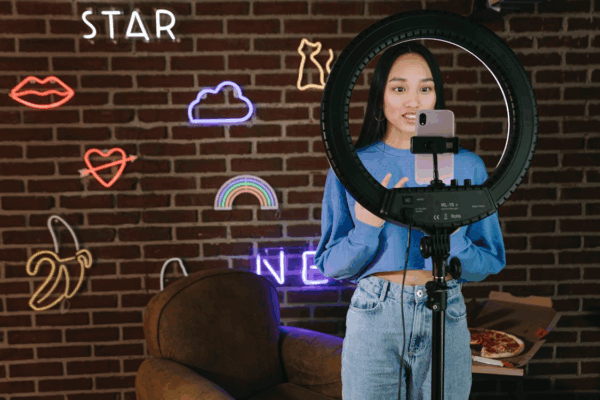
 

Image Source: Pexels

Creators are increasingly resistant to being reduced to labels or treated as trend-driven checkboxes. True representation starts with understanding a creator’s voice—not forcing them into a predefined brand narrative.

The gap: Many partnerships remain transactional, prioritizing short-term relevance over genuine alignment. Creators are often selected to fill a category rather than for their perspective or long-term vision. This leads to inauthentic work that disconnects creators from their communities.

The Meraki solution: Meraki begins every partnership by listening. By understanding each creator’s goals and vision, Meraki aligns them with brands that share their values—fostering long-term relationships that feel authentic to both the creator and their community.
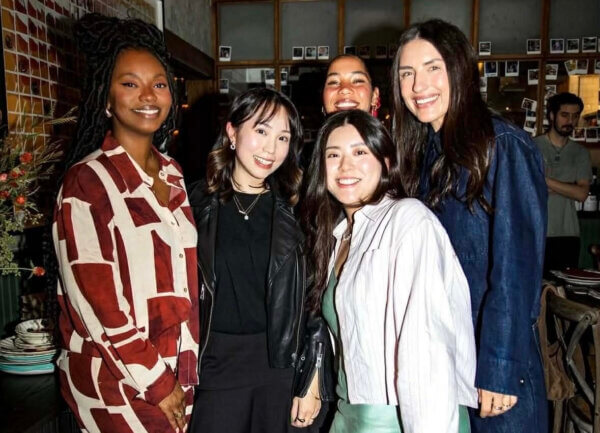
 

Photo courtesy of Vivian Kwan (second from left), Founder of Meraki Group


The Next Era: Purpose Over Pressure

As we look toward 2026, the transition from a “Wild West” to a professionalized industry requires more than just better tools—it requires a fundamental shift in how we value the humans behind the content. 

Meraki sits at the center of this new era, bridging creative passion with real professional growth. By pushing for fair standards, ethical representation, and sustainable careers, Meraki does more than manage creators; they help protect the future of creative work.wi

Learn more about Meraki Group:
📍Website

📍Instagram 

Related Articles

250423-jpg

Blogs, Development

Search Intent: The Overlooked SEO Metric That Beats Algorithm Updates

Before choosing SEO keywords, you’ve likely considered high-volume terms and difficulty metrics. But to weather never-ending algorithm updates, search intent might be your golden ticket. Here’s why:

Customer Intention

The most critical factor in keyword selection—it ensures your content aligns with what customers actually need (not just what they search).

customer_intention

Relevance

A keyword may be popular but irrelevant to your brand. Focus on phrases that mirror your customers’ pain points and your solution.

relevance

Existing Ranking

Overlapping words can lead to cannibalization. For every new content, use fresh keyword sets to re-optimize existing assets and further align with customer needs.

existing_ranking

Why AHN Solutions?

Matching keywords to customer search intent requires strategy. We craft bulletproof SEO plans to ensure your success.

If you want to learn more about our services, visit the Asian Hustle Solutions website at asianhustlenetwork.com/services/

Luxury Goods

News

The Price of Perception: What You’re Paying for in Luxury Goods

What makes a luxury product cost so much? The short answer is perceived value. But perception is a fragile thing: it shifts, it evolves, and when it does, things begin to get complicated.

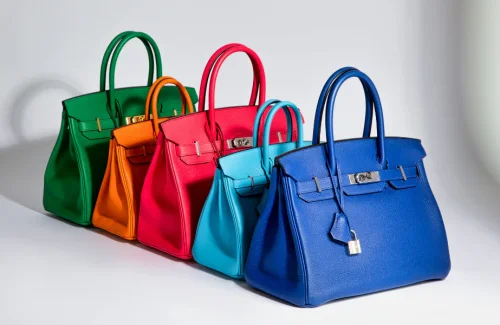
Take a luxury handbag, for example. Whether it’s Gucci, Prada, Louis Vuitton, or Hérmes, many of us are willing to spend thousands for that one beautifully crafted accessory. Why? Because we associate these brands with European sophistication, centuries of artisanal craftsmanship, and impeccable quality. We buy more than a bag; we buy into a story.

Now, imagine buying a bag labeled Made in China. If it’s affordable, you might not care. But if it has a luxury price tag? You might pause. The label alone could influence how you value the item.

The kicker is: Remember the bag you treasure from your favorite luxury brand? Based on the claims of factory workers and viral TikTokers, many high-end luxury products are manufactured in China, then shipped to Europe, to be relabeled and sold as European-made.

This controversial debate has sent the internet into a tailspin, asking: Are we paying for craftsmanship or the illusion of origin?

This is where soft power comes into play. It shapes how we see the world. We look at Hollywood movies and see the U.S. as a place filled with great dreams. We see the beautiful K-pop stars and K-drama idols, and we want Korean beauty products to fulfill our desire to be pretty like them. Customers don’t crave an expensive handbag because it’s objectively better; they buy it because of what luxury products emotionally and symbolically mean to them.  

But in the wake of trade wars and rising consumer awareness, people are beginning to question the true value behind the price tag. Is it about where the product is made, or where we believe it’s made?

Whether this TikTok trend is a fleeting controversy or a wake-up call, one thing is certain: when perception changes, so do buying habits. And that could reshape the entire future of an industry.

https://www.tiktok.com/@sen.bags_/video/7494196205917097262?q=made%20in%20china&t=1745296877126
grateful-being-me-cover-jpg

Stories

How Deena Kong Is Rewriting Representation in Children’s Literature

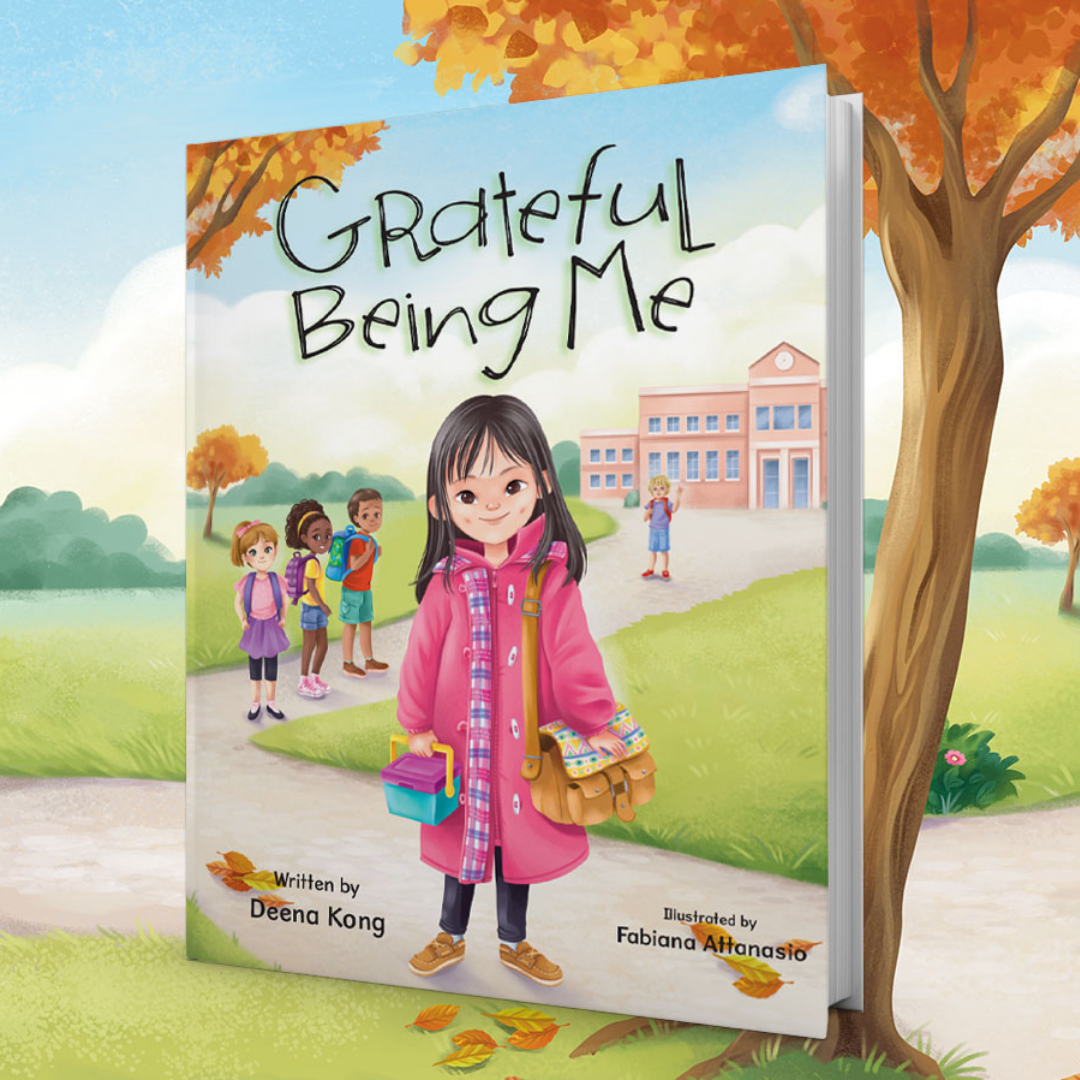
Growing up Cambodian in North America, Deena Kong often felt invisible—a feeling that followed her from Canada to the U.S. and ultimately inspired her to write Grateful Being Me, a book to help children understand representation matters.

Deena Kong with her book Grateful Being Me (Photographed By: Jamie Sutera)

Seeing Herself in Stories

Growing up Cambodian in North America, Deena often felt invisible. 

“I truly believed as a child that no one else could relate to these feelings I was experiencing,” she shares. “That’s why I wanted to share my story with others.” 

Raised by supportive parents, Deena became a passionate reader, ultimately leading her to create a book that would help children from similar backgrounds see themselves represented.

“Representation matters,” Deena explains. “When a child wanders through a library or bookstore, they should be able to find themselves in the stories and pictures. I hope Grateful Being Me encourages self-acceptance, celebrates diversity, and promotes inclusion by empowering children to connect with one another.”

Grateful Being Me (Photographed By: Jamie Sutera)

The Making of Grateful Being Me

Finding time to write proved challenging while working full-time as a Government Contractor in Ethics & Compliance and raising a family. Yet Deena’s determination to promote diversity and inclusion kept her going until her book was ready for publication.

“Modeled after my real-life experiences, this book follows a young girl named Rosila on her adventure in an unfamiliar place,” Deena says proudly. 

The story chronicles Rosila’s first day at a new school in a new country, where she discovers what makes her unique and learns the power of self-love.

“Rosila’s first language isn’t English, so her vocabulary stands out,” Deena notes. “She brings ethnic foods that seem unusual compared to typical American cafeteria lunches. The story captures her nervousness about how classmates will react as she navigates this new environment and makes friends.”

Through Grateful Being Me, Deena offers a powerful tool to help children understand they belong anywhere. The book thoughtfully explores the complex emotions children face when encountering unfamiliar situations, ultimately showing them that their uniqueness is something to be celebrated.

Connect

Instagram: @bydeenakong

Website: Deena Kong

Purchase your copy of Grateful Being Me on Amazon, Barnes & Noble, Walmart, or Books-A-Million.

Vietnamese American Girls

News

‘This Moment Doesn’t Happen for Vietnamese American Girls Like Me’: Thuy’s Words Hit Home for Generations of Asians

Thuy has always been a proud Vietnamese at heart. In April 2024, Vietnamese American R&B artist Thuy made history at Coachella as the first official solo Vietnamese American artist to grace the well-known music festival. This year, a video clip of her Coachella speech has become widespread, sending out a powerful message to young Asian girls out there.

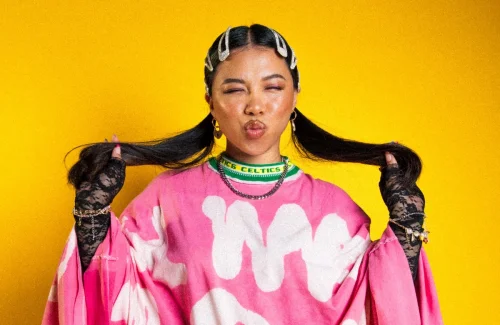
Thuy, a Vietnamese American R&B artist, shares empowering words for Vietnamese American girls. (Image source: PAPER Magazine)

Originally from the Bay Area, Thuy revealed that she grew up in a traditional family, hence, shaping her as a former optometric technician. However, weekend karaoke sessions with her family have brought her musicianship to life, sparking an interest that soon flourished. Taking a leap of faith and moving to Los Angeles (LA) for a music career, Thuy has proven to herself that the leap was a must, especially with the well-liked hit “girls like me don’t cry.”

Beyond her musical talent and captivating stage presence, Thuy’s performance at Coachella stands for something way greater—the well-deserved representation of Vietnamese Americans and Asian Americans in general. Her success challenges traditional expectations within Asian American households, where creative careers are discouraged due to the fear of instability associated with the jobs. Moreover, this is also a significant step forward in diversifying the music industry and amplifying underrepresented voices. 

‘This moment doesn’t happen for Vietnamese American girls like me,” Thuy reflected during her Coachella performance. “I am so honored to be here today to be the first official solo Vietnamese American.”

https://www.tiktok.com/@thuyuniverse/video/7492153731891399978