Awaken* newsletter

June 13, 2024

SHARE:

Tracy Young is a founder who has been on my radar for a long time. Beyond the fact that she is a successful exited founder, having sold PlanGrid to Autodesk for just under $900 million, Tracy’s family–like my own father–immigrated to the United States following the Vietnam war. With one major success under her belt, Tracy is going for a second, having recently founded a new startup named TigerEye, which focuses on AI-powered strategic planning. I sat down with Tracy to chat about lessons from PlanGrid, what she’s currently working on at TigerEye, and her identity as an Asian woman.

On Identity

I wasn’t the only one with a newsletter on the call! Tracy also recently started a LinkedIn newsletter titled Predictable Growth, a monthly Q&A with women leaders generating revenue for their businesses. I asked Tracy what the motivation behind starting it was, and what she hoped to see it accomplish:

Representation matters. In sales and go-to-market functions, women are underrepresented at the leadership level. However, many impressive, talented, and hardworking women have achieved the CRO/CMO level, and I wanted to hear their stories. So, it’s a way for us to showcase women and give them a platform to tell their stories and how they got to where they are. There are many great jobs in sales, but many women don’t realize that they’re available to them. Anyone can be good at sales, it’s not just men. Reaching the highest levels in sales gives women a lot of power to help out their families, help the economy, etc.

In previous interviews, Tracy has pointed out how women are especially underrepresented in enterprise SaaS. I asked Tracy if she had any ideas why this is the case, and how we can increase representation:

I’m not sure why that’s the case. But you can see it if you look at the stats or walk into any enterprise company. I would guess it’s systemic. I think it starts with the words we use for boys and girls, the way we treat them, and what is expected of them. This is part of our cultural history. One way to change that is to show what is possible. What Predictable Growth aims to achieve is to showcase all these women who are leaders at their companies. There’s no decision that the CEO is making without running it by them. We want to say: “This could be your future, if you want it”, for anyone reading, and hopefully, it’s a young woman reader.

Next, I wanted to get Tracy’s thoughts on how being an Asian woman has affected her experience as a founder:

My PlanGrid co-founder, Ryan, and I met in college. He’s been trying to convince me to start a company with him since I was 18. Being an Asian woman, I didn’t think it was possible. I brushed him off for many years. I thought, “I’m not a founder,” because I looked at all these other founders, and they didn’t look like me. That kept me from starting a company for a long time. Around 2007-2009, I remember Ryan really wanted me to apply for Y Combinator with him. And again, I told him, “I just don’t think it’s going to work.” I didn’t think other people would accept me, and I didn’t want to put myself through it. It wasn’t until Y Combinator put out a request for startups working on the exact problem we were working on that I felt comfortable applying. That request for startups almost gave me permission to apply to YC. But even when we got in, and we were making real revenue, and we fundraised, and we had real customers, and our product was getting better… even then, I still felt that founders should look a certain way. I don’t know how many years in we were before I finally realized how wrong I was.

In an interview eight years ago with Ron Miller at Techcrunch Disrupt, Tracy responded to a similar question very differently. I asked her what motivated her shift in perspective since then:

Back then, I really tried to separate myself from being a woman. I felt like that was not part of the equation. And again, it’s such a big part of me, I am a strong woman. For many years, I pretended that I wasn’t, down to how I dressed. What really woke me up was becoming a mom. Going through pregnancy and birth and postpartum recovery, and taking care of a baby, I think it was really at that point when I realized how strong women are, how strong our mothers and grandmothers are, and how strong my colleagues are. It was a disservice not to acknowledge that our journey is different. It’s not better or worse. It’s just different.

TigerEye

I asked Tracy how she came up with the idea for her new startup, TigerEye:

There’s no shortage of problems to solve in business software. If you talk to anyone who works for a public company, you’ll find a lot of outdated software still in use. After selling my last startup, I worked for a public company and got to use these expensive products that our company was paying for every year. I saw firsthand how they made us less productive and frustrated our team. Many areas need improvement, such as HR software, finance software, sales software, and everything in between, including development tools. 

A common strategy I hear from founders is that they want to start by selling to other startups, and then grow into an enterprise software company alongside their clients. I asked Tracy how she decided to skip that and go straight for enterprise customers:

I like to solve problems that I have experienced. TigerEye comes from my experience running a fast growth company for ten years. When we reflected on our PlanGrid journey, we asked ourselves a few questions: What would have accelerated growth? What would have made the difference between us still running PlanGrid today versus needing to sell? TigerEye is that product. This is a scientific tool that would have helped us grow more efficiently, be more profitable, and would’ve enabled us to be more courageous in our decision-making by providing extra validation. It’s an AI-powered business simulator. You can test out your plans before you make your team execute it. You can test out as many plans as you want and as many scenarios as you want before you bring it to the board for sign-off. Back at PlanGrid, we had a bunch of very smart people trying to generate the same thing that took months that TigerEye is outputting instantaneously now. This is the product that I wish I had to help grow PlanGrid. And this is why we are building for the enterprise. All I know to do is build things to help me with problems I’ve faced.

Starting a Company as a Second-time Founder

I asked Tracy what she thought about distribution at PlanGrid, and how that has changed for TigerEye:

PlanGrid was always mobile first. We really benefited from timing. Steve Jobs announced the first generation iPad, and we decided to start building construction software for that device soon after. We were one of the first enterprise apps to launch on all of the app stores. 

Let’s say you’re a construction person and you’ve got your new iPad or other tablet. You search for construction because that is your profession, and PlanGrid pops up as the top result. If it looks interesting, you might download it, and we had a freemium model so users could try us out. As a mobile-first company, having great SEO on the app stores was crucial for our inbound growth. That’s how we thought about distribution for PlanGrid, but that is totally irrelevant for TigerEye (although we do have a mobile version of our software). TigerEye is an enterprise-grade product, and you can’t just try it out as an individual. It is being deployed to whole departments, and that is a completely different distribution model. For many years, PlanGrid was sold on a per-seat basis. At TigerEye, we have an unlimited seat model, and it’s deployed to several teams at once, and the starting fee is five figures. It’s an enterprise-grade product. And so for us to get deployed and adopted usually takes a field sales team two or three conversations with the company, because it’s not just sales, it’s revenue operations, it’s strategic finance, and then it’s a champion at the C-suite level. It’s very different from PlanGrid’s model, where anyone with a credit card in a job site could swipe their credit card and buy PlanGrid today.

Next, I asked if she felt that being a second-time founder came with any benefits:

There are definitely benefits. For example, the first 15 people we recruited were people we had handpicked and worked with before. As a result, we were able to recruit a talented team with a strong track record and a strong work ethic. It’s difficult for first-time founders in their early 20s to attract talented individuals. The people who worked for us were our friends or recent college graduates. From our decade of experience, we’ve also seen what works and what doesn’t in terms of core values. This time, we made sure to have a set of values that we live by personally and professionally. These core values are non-negotiable and we share them with candidates we’re trying to recruit during our first phone call. We’re serious about it. Everyone says they care about their core values, but we actually hire and fire by them. 

Tracy’s emphasis on core values stood out because this was the first time I had heard a founder emphasize them to this degree. I asked Tracy why this mattered so much to her:

Through my experience growing PlanGrid to 450 employees and scaling the team to 1,300 employees post-acquisition, I got to see what slows down a team. I got to see how infighting can destroy a company. There are minor things that you can put in place to mitigate this, such as basic rules of engagement. We have a document called “Our commitments to working with each other,” which outlines how we work together at TigerEye. The document clarifies our five core values. It’s very simple, you cannot misinterpret what the core values mean. I’ll give you a couple of examples: 1) I will walk it like I talk it. 2) I will never speak destructively behind my teammate’s back. 3) If I have a problem, I will go to you and talk it out because we’re professionals and I can trust that we can have the hard conversations. If everyone follows these rules, then we’re in a really good place. That means that when there are problems, we can speak openly as a team and get through it together. We were very deliberate about the culture and work environment we were creating, especially as a remote company. I think our culture is especially important because we aren’t together every single day.  

Fostering a Culture of Authenticity

Throughout my research, a consistent theme Tracy touched on was being authentic as a leader. I asked her if she felt there are boundaries to authenticity and if it’s fine for CEOs to express fear or lack of confidence to their team.

There is definitely a line in terms of vulnerability and authenticity. It’s never acceptable to be disrespectful. Some might argue that they’re just being direct, but there’s a difference between being direct and being rude. It’s okay to question things and suggest new approaches. When I’m concerned about something related to the company, I share it with the team. I either present a potential solution or let them know that I’m working on one. This approach makes it easier to lead and get the team on board with the direction we’re heading. They may not always agree, but at least they understand why I’ve made certain decisions. If they understand, it’s easier for them to commit to the decision, even if they initially had reservations. 

To your second question, I think it is completely okay for a leader or anyone in the company to show that they are human, and as humans we experience fear and insecurity–they are natural emotions. As a leader and a productive teammate, it isn’t beneficial to dwell on these negative emotions. It’s challenging, if not impossible, to suppress these feelings because they will eventually surface. My approach is to allow myself to experience these emotions when things are tough, but also to take control and not let them linger. For instance, I might allow myself a day to experience these feelings, but the next day, it’s time to put on a game face and figure things out together. As long as there’s movement and progress, then it’s okay. Feelings like anger, insecurity, and sadness, when prolonged, are completely useless. They don’t serve anyone any good. They’re just there making everyone feel bad and that is absolutely not okay.

I asked Tracy what actions she takes to make sure everyone on her team is comfortable being authentic and vulnerable with each other:

We do this fun activity. We all take the Enneagram test. New teammates will take the test and present their enneagram results sometime within the first few weeks. The presentations are basically: “This is when I’m at my best. This is how I am at my worst. This is how I want to get feedback.” This helps us understand who we are as people because there are all kinds of different personalities, and conflict comes from two personalities at their worst coming together. If we can acknowledge and understand that might happen, it’s easier to get through it together. Essentially, it’s having self-awareness and giving your team a blueprint of being aware of who you are. 

For those who don’t know, Enneagram is a popular personality test that emphasizes how you interact with other personality types, making it a popular choice for teams. I am normally skeptical of these kinds of tests, but even I am a big fan of Enneagram, and I think it has helped me better understand myself and my interactions with others. For those curious, Tracy is Enneagram type 1, “The Reformer”. A fitting type for a person with such ambition and vision.

Shoutouts

If you are a leader in sales, RevOps, finance, or marketing, TigerEye has built a go-to-market planning tool to help you track, plan, and predict your go-to-market performance. The tool analyzes every change in your CRM using artificial intelligence to guide decisions and show you where you’re headed.

If you are interested in checking out what Tracy and TigerEye. have built, please drop her a note on LinkedIn or on X (f.k.a. Twitter) @Tracy_Young. Thank you Tracy for the interview!
Related Articles

image (1)

Blogs, Development

What the Creator Economy Really Needs in 2026

The creator economy is no longer a niche corner of the internet. It is a $250 billion industry, powering modern marketing, culture, and commerce. Yet for the creators at its core, the experience often remains unstable and fragmented. Inconsistent rates, shifting platform demands, and “gifting” budgets paired with outsized expectations have left many navigating an ecosystem that hasn’t caught up to their value.

As we look toward 2026, the industry is approaching a tipping point. Growth alone is no longer enough. What creators need now are standards, systems, and support that allow them to build sustainable careers—not just viral moments.

Below are five critical shifts shaping the future of creator work, and the standards Meraki is building to support a stronger, more intentional industry.

1. Stronger Structure for a Growing Industry


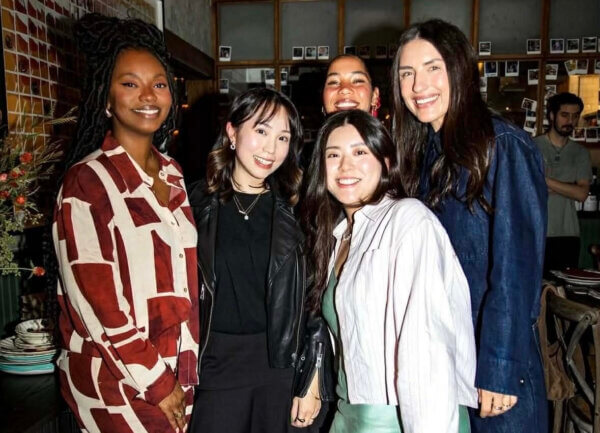
Photo courtesy of Vivian Kwan (center), Founder of Meraki Group

While creator content has never been more polished, the backend of the industry remains disorganized. Uneven pay scales, scope creep mid-campaign, and unclear paths to professional growth are still common. Creators are often met with constant brief changes or “gifting” requests that require high-level deliverables without fair compensation.

The gap: There is no shared structure defining fair rates, clear deliverables, or realistic timelines across the industry. Expectations are often implied rather than stated, leaving creators to absorb last-minute changes, unpaid revisions, and expanded usage. Over time, this places most of the financial and emotional risk on creators instead of being shared evenly with brand partners.

The Meraki solution: Meraki builds every partnership on clarity. Terms and rates are established upfront, expectations are clearly defined, and communication stays transparent throughout the process. By setting strong boundaries early, creators are protected from underpayment, and brands begin each project with a shared roadmap for success.


2. Education That Powers Careers, Not Just Content


Image Source: Pexels

The biggest challenges creators face are rarely creative. They are structural. Pricing work correctly, understanding usage rights, and identifying harmful contract clauses remain major pain points—even for experienced creators.

Too often, creators are expected to learn these lessons the hard way.

The gap: Most creators enter the industry without access to professional guidance that supports long-term career growth. Knowledge around contracts, licensing, and negotiation is often gatekept or learned through costly mistakes. As a result, many creators stay stuck in short-term cycles instead of building sustainable paths forward.

The Meraki solution: Meraki focuses on training ethical, creator-first managers who act as true career partners. Through negotiation support and education around contract red flags, creators are equipped to think beyond the next deal and toward sustainable, multi-year growth.


3. Standards in Negotiation and Contracts


Image Source: Pexels

A significant number of creators still undercharge for their work, and 26% report needing help navigating contracts. Without standardized deal benchmarks, creators are often left guessing their worth—leading to pay gaps, rights misuse, and legal risk.

The gap: Negotiation norms vary widely, with no clear benchmarks for fair compensation or usage terms. Many contracts are written in dense legal language that creators are expected to sign without full understanding. This imbalance leaves creators vulnerable to losing control of their work and long-term earning potential.

The Meraki solution: Meraki empowers creators with defined negotiation standards and the confidence to secure fair, market-value deals. By demystifying contracts and usage terms, creators can focus on their craft knowing their income and intellectual property are protected.


4. Work Models That Protect Wellbeing


Image Source: Pexels

Burnout has become one of the industry’s most pressing issues, affecting more than half of full-time creators. The always-on model—driven by algorithm shifts and last-minute deadlines—is no longer sustainable.

Creativity cannot thrive under constant urgency.

The gap: Many campaigns are built around speed and volume rather than realistic creative timelines. Creators are expected to be constantly available, adapt instantly, and produce under pressure without recovery time. Over time, this erodes both creative quality and mental health.

The Meraki solution: Meraki advocates for structured planning and sustainable workflows. Campaign timelines are built to protect both creative quality and mental health, proving that high-level output does not require constant exhaustion.


5. Representation Rooted in Voice, Not Trends


Image Source: Pexels

Creators are increasingly resistant to being reduced to labels or treated as trend-driven checkboxes. True representation starts with understanding a creator’s voice—not forcing them into a predefined brand narrative.

The gap: Many partnerships remain transactional, prioritizing short-term relevance over genuine alignment. Creators are often selected to fill a category rather than for their perspective or long-term vision. This leads to inauthentic work that disconnects creators from their communities.

The Meraki solution: Meraki begins every partnership by listening. By understanding each creator’s goals and vision, Meraki aligns them with brands that share their values—fostering long-term relationships that feel authentic to both the creator and their community.


Photo courtesy of Vivian Kwan (second from left), Founder of Meraki Group


The Next Era: Purpose Over Pressure

As we look toward 2026, the transition from a “Wild West” to a professionalized industry requires more than just better tools—it requires a fundamental shift in how we value the humans behind the content. 

Meraki sits at the center of this new era, bridging creative passion with real professional growth. By pushing for fair standards, ethical representation, and sustainable careers, Meraki does more than manage creators; they help protect the future of creative work.wi

Learn more about Meraki Group:

📍Website

📍Instagram 

Joeydolls-Launch-Dolls-71-500px-jpg

Stories

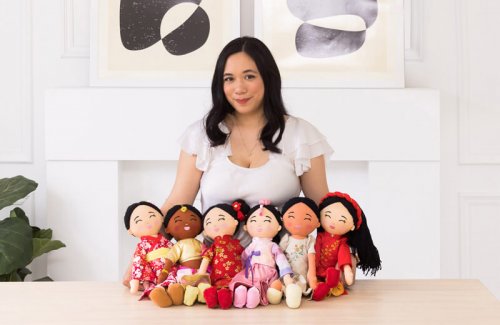
Joeydolls by Samantha Ong: A Story of a Daughter’s Search and a Mother’s Mission

Where Identity Begins

Growing up in Australia as part of a small minority shaped Samantha’s early understanding of identity. It taught her what it feels like to search for belonging, to look for pieces of yourself in the world and not always find them. Those early lessons sat quietly in the background as she moved into adulthood.

Her career began in finance, a path she chose for its stability and predictability. But creativity eventually led her in a different direction. She built a thriving wedding photography studio—one that grew from passion, long nights, and the joy of capturing love stories. It was a life she couldn’t have imagined at the start.

Then the pandemic arrived. Overnight, hundreds of thousands of bookings vanished. The business she had spent years building collapsed in an instant. And in that same period of loss, another reality weighed heavily on her: the rise in anti-Asian hate. As a mother, the headlines and the stories hit differently. Samantha began thinking deeply about the world she wanted for her daughters—what they would grow up seeing, feeling, and believing about themselves.

That led her on a simple search: dolls that reflected her daughters’ culture. But what she found were options that were limited, stereotypical, and often too expensive. It was a moment that crystallized something important. Realizing how quickly children learn about who they are, the idea for Joeydolls began to take shape—quietly, but powerfully.

Turning an Idea Into a Brand

An idea, however, is only the beginning. Turning it into a real toy brand meant stepping into a world Samantha knew nothing about. She had to learn everything from manufacturing to product design to e-commerce—starting from zero. There was no roadmap, just persistence and a mission that felt too important to abandon.

The timing made it even harder. Pandemic rules slowed communication. Shipping delays stretched out timelines from weeks to months. With very little funding, every decision mattered. Every misstep cost time she couldn’t afford to lose.

Then tariffs on goods from China jumped to 145%, and suddenly even the future of the business came into question. There were moments when it all seemed impossible—too expensive, too complex, too overwhelming for one person to navigate.

But Samantha kept going. She kept refining the vision, pushing through setbacks, and holding onto the mission that started it all. And she didn’t do it alone. Throughout the long nights and the uncertainty, she was supported by a husband working multiple jobs so she could stay focused on building the brand their daughters—and so many other children—deserved.

A Brand With a Bigger Purpose

Today, Joeydolls has sold over 15,000 dolls and earned major recognition. But those numbers only tell part of the story. At its heart, the brand is Samantha’s answer to a question that began during one of the hardest moments of her life: How do we help children grow up seeing their cultures celebrated, not erased?

Joeydolls stands as that answer—a way for children to see their cultures reflected with pride, dignity, and everyday joy. What started as a search for her own daughters became a mission to help thousands of children feel seen, valued, and connected to where they come from.

A single doll can seem small. But for many families, it’s a beginning. And for Samantha, it’s proof that representation—when created with care—can grow into something far bigger than one person’s story.

Learn more about her story here: https://www.joeydolls.com/

Rosemead_Key-Still

Stories

Lucy Liu Stars in “Rosemead,” a True Story of Immigrant Mothers Facing Fear and Mental Health Challenges

Lucy Liu is once again bringing us a powerful performance with Rosemead, a film that has been picked up by Vertical for a December theatrical release. The story follows a mother who begins to see troubling changes in her teenage son, opening the door to a deeper look at fear, love, and mental health.

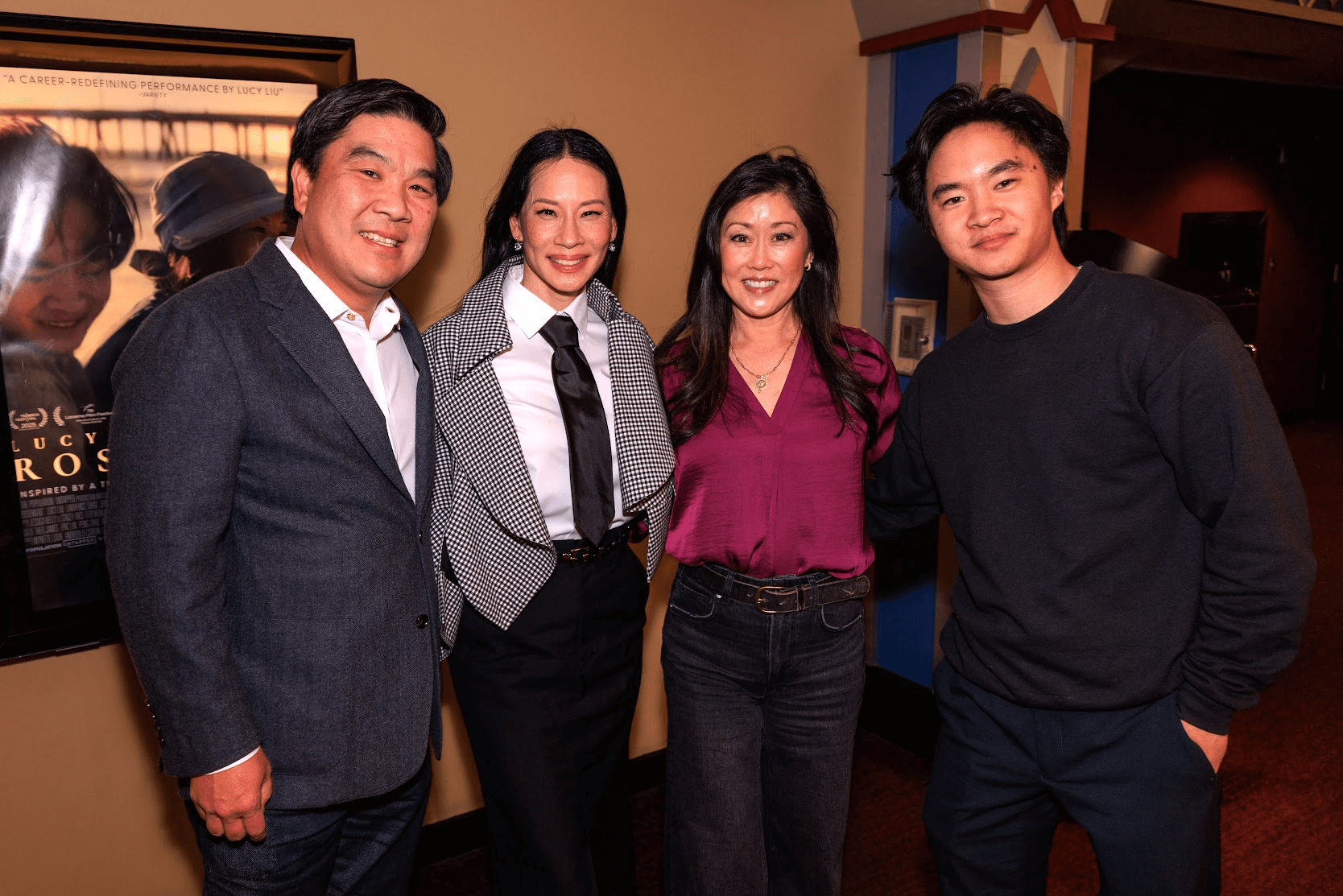
Recently, the film gathered strong early interest after drawing a full audience at a special screening held at the Metreon in San Francisco. Hosted by Dave Lu, the event sparked conversations about topics often avoided in public spaces, especially within immigrant communities. 

With its growing list of festival honors, positive reviews, and a narrative inspired by real events, Rosemead is already being recognized as one of Liu’s most powerful and personal performances to date.

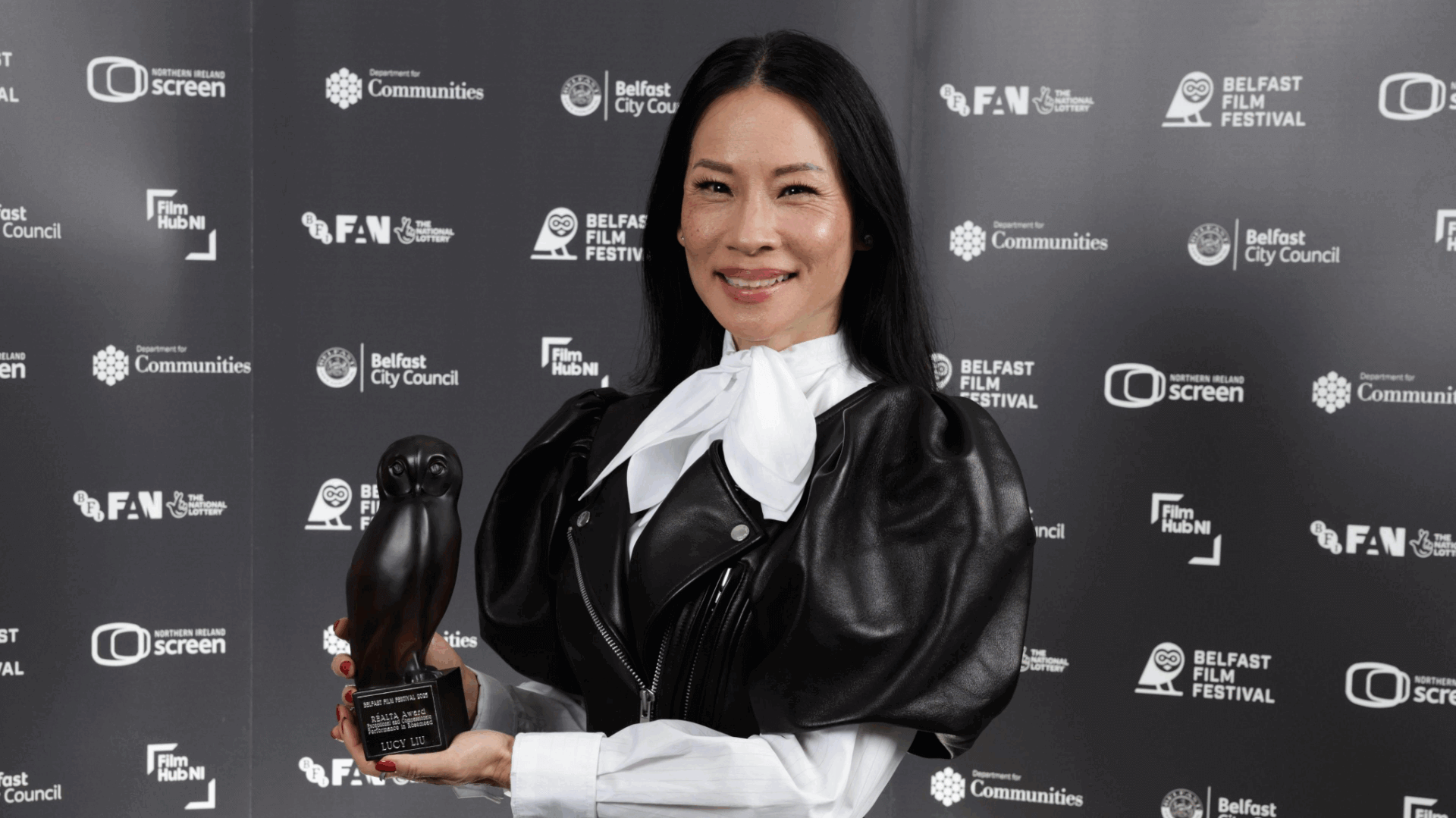
                                                                          Image Source: BBC

A Story Built on Fear and Family Pressure

At the heart of Rosemead is a mother who becomes concerned as her son’s behavior shifts in unsettling ways. What begins as quiet anxiety slowly grows into a frightening urgency as she realizes the situation may be more dangerous than she imagined.

As her fear rises, she faces the painful question of how far a parent can go to protect the child they love. The tension builds with each scene, making her inner struggle feel both real and universal.

The story takes place within a Chinese American household where cultural expectations and unspoken worries create additional layers of pressure. Lucy Liu captures these emotions with precision, while newcomer Lawrence Shou brings a raw, unpredictable intensity that deepens the film’s emotional impact.

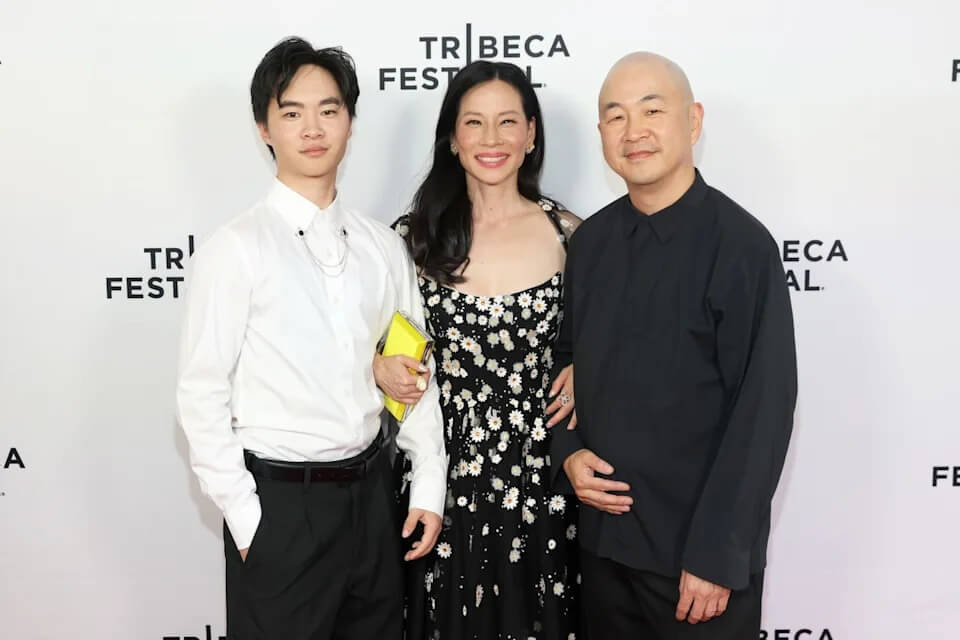
                                                        Image Source: The Traveler’s Take

Building Momentum Through Festival Wins

Before reaching theaters, Rosemead had already made a strong impression on the festival circuit. Its premiere at Tribeca drew praise for its gripping approach to storytelling and its standout performances.

The film’s momentum continued as it won Best Narrative Feature at the Bentonville Film Festival, adding to its early recognition. It gained even more attention after earning the Prix du Public UBS audience award at the Locarno Film Festival.

During its time at Locarno, Lucy Liu also received a Career Achievement Award that highlighted her long-standing influence in the industry. Vertical’s Peter Jarowey praised her work for its emotional depth, while also recognizing director Eric Lin’s bold and confident vision in his feature debut.

                                                                     Image Source: Yahoo

A Strong Screening at the San Francisco Metreon

The event at the Metreon brought together creators, film lovers, and local community members for an open discussion about the upcoming release. The gathering served as a space for people to share expectations, explore the film’s themes, and talk about the real-life issues it aims to portray.

The audience noted how the film reflects real family struggles, especially those found in immigrant households. Its grounded approach to fear and uncertainty sparked discussions about mental health and cultural expectations.

After the screening, conversations centered on Liu’s controlled yet deeply affecting performance. Lawrence Shou also drew attention for his breakout role, adding to the anticipation for the film’s one-week run in selected theaters this December.

Experience the film in theaters and see why it’s already drawing strong early interest. Rosemead is set to premiere in select theaters on December 5, 2025 in New York City; December 12, 2025 in Los Angeles, and more cities to follow on January 9, 2026.

                                                               Image Source: Nikolas Liepens

2647f4a1-07b8-4f94-8f7f-415ae5d0eeae-jpeg

Stories

The Story Behind Inspire To Create Media: How Trysen Kaneshige Uses Art to Heal and Connect Community

Born and raised in Kauaʻi, Hawaii, Trysen Kaneshige never imagined that a series of brain injuries would redirect the course of his life. Art, which had once been a hobby, became his lifeline—a way to heal, process, and reconnect with the world around him.

What began as a personal form of therapy soon turned into a mission: to use creativity not only for his own recovery but to uplift his community and share stories that mattered.

As he experimented with murals, branding, and design, Trysen discovered that each project could bridge culture, healing, and connection in ways he had never anticipated. Through perseverance and collaboration, he began working with brands like Volcom, Olukai, and Soulection Radio, while also leading projects for schools, nonprofits, and community organizations across Hawaii.

From these experiences, Trysen founded Inspire To Create Media, a healing-centered creative agency that blends streetwear aesthetics, cultural storytelling, and design to create work that resonates far beyond the islands.

Finding Inspiration in Adversity

Trysen’s path to entrepreneurship was shaped by necessity and resilience. “I wasn’t able to work a regular job since I would have a lot of migraines or dealt with depression etc. It’s been challenging but I’ve learned to be resilient and not give up. What also inspired me was to create something for my community and for the next generation that is after me,” he recalls. The setbacks could have ended his creative ambitions, but Trysen chose to focus on what he could control: his art and his recovery.

Instead of succumbing to frustration, he saw opportunity in every challenge. He began creating small pieces, testing ideas, and using art as a method to regain focus, confidence, and purpose. These early efforts helped him realize that healing and creativity could coexist and even amplify one another.

What started as a personal journey of recovery soon became a mission to uplift others. Trysen wanted to leave something meaningful for his community and for the next generation, showing that creativity could transform not only individual lives but also the cultural landscape of Kauaʻi.

Overcoming Challenges Without a Safety Net

The road to building a creative business was far from smooth. Trysen faced difficult challenges that he considered walking away from everything, grappling with both the physical and emotional toll of head injuries. Each day was a battle between self-doubt, pain, and the desire to keep moving forward.

Beyond personal health struggles, he had no investors, no team, and no corporate backing. Every decision, every financial risk, and every project came solely from his determination and willingness to learn through trial and error. “If I had someone that saw what I was creating in the beginning, it would’ve been easier,” he admits.

Gratitude and persistence became his anchors. By embracing the lessons from failures and small victories alike, Trysen built a foundation that was resilient, flexible, and authentic. This mindset allowed him to continue pursuing his vision even when support was scarce and the path ahead was uncertain.

Turning Achievements Into Community Impact

Despite obstacles, Trysen’s journey is marked by achievements that combine personal growth with community recognition. He takes pride in consistently showing up, even on days when recovery felt impossible, and in taking creative risks that shaped the identity of his agency.

Inspire To Create Media has earned acknowledgment on multiple levels—from Proclamations by Mayor Derek Kawakami highlighting community murals and workshops to features in local newspapers chronicling his evolving projects. These recognitions validate his belief that creativity paired with purpose resonates far beyond personal satisfaction.

For Trysen, the real measure of success is impact. Each mural, logo, or art initiative tells a story and strengthens the connection between people and place, leaving a lasting mark on Kauaʻi’s cultural and creative landscape.

Building a Healing-Centered Creative Vision

At the heart of Inspire To Create Media is a philosophy that creativity can heal, connect, and inspire simultaneously. From large-scale murals to branding and apparel, every project is designed with intention, reflecting local culture while appealing to a global audience.

Trysen explains, “Art became my way to rebuild, reconnect, and serve. What began as personal recovery grew into a mission: to use art as a tool for transformation for myself, for my community, and for the next generation of island creatives.”

Today, Inspire To Create Media continues to expand its reach, bridging art, healing, and business. Trysen’s story proves that even the toughest setbacks can spark the most powerful creativity—turning personal recovery into a force that inspires communities, cultivates connection, and demonstrates that a small island studio can have a big global impact.

Follow Trysen’s journey:

📍 @trys.creates | @inspiretocreate.media