Awaken* newsletter

June 20, 2024

SHARE:

This edition was a collaboration with The Early Newsletter by Michaela Gordon. You can read her thoughts on our conversation with Patrick here. Thank you Michaela for collaborating and please go check out her article!

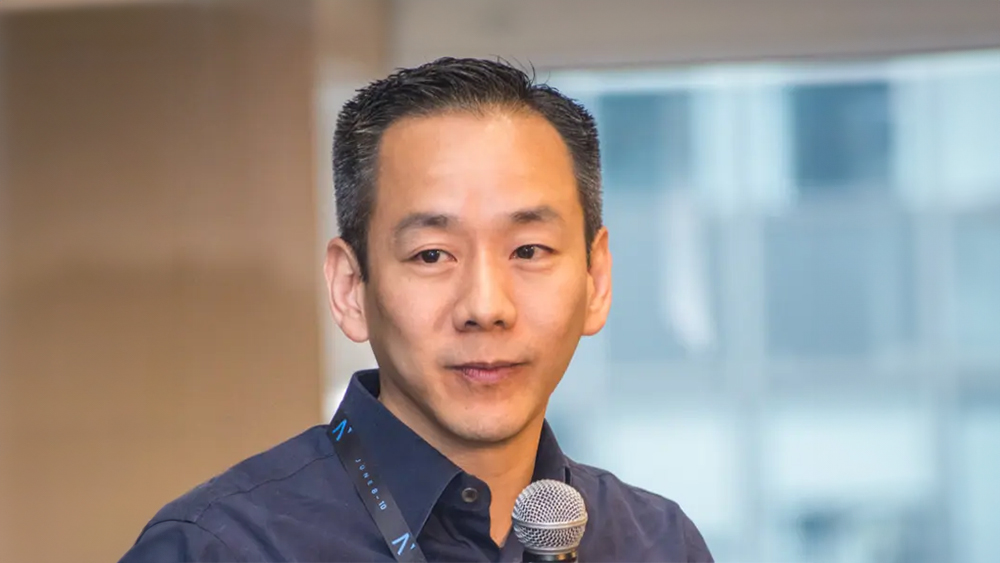
The startup ecosystem has gone through a lot of changes over the years. From the dot com era to the modern era of AI, Patrick Lee has seen it all. A stalwart of the startup ecosystem, Patrick has started seven different companies over the last 30 years, including everybody’s favorite movie review website: Rotten Tomatoes. Michaela and I had the chance to sit down with Patrick to talk about Rotten Tomatoes, advice for founders, and Patrick’s reflections on being Asian.

How did Rotten Tomatoes get started?

Rotten Tomatoes had three co-founders. I was the CEO. There’s Senh Duong, who was the creator of Rotten Tomatoes, and he was basically our chief product officer, and Stephen Wang, who was our CTO. I knew them all from my freshman year of college. Senh was down the hall from me in the dorms. 

Prior to Rotten Tomatoes, Stephen and I had founded a web design firm. We were doing a lot of work for the entertainment industry, a lot of work for Disney Channel, stuff for Warner Bros., Artisan Entertainment, MTV, VH1, and ABC. We even made the online flash game for Who Wants to Be a Millionaire. 

During that time, Senh was our creative director, and he came up with the idea on the side. He was a huge movie buff. He came up with it and launched it on his own. It was written in static HTML because he wasn’t able to code at the time. And we hosted it for him. After about a year of hosting, we were like, “maybe this should be the business?” So we actually merged our company with his company and became co-founders of both companies and had equity in both. I went out and raised a million in funding, then transitioned our design firm off to another group to take over. We kept an equity stake in that design firm, but then we basically passed our clients to another group to take over. They took over the name and everything so that we could focus on Rotten Tomatoes fully. 

What was your experience raising money like?

Rotten Tomatoes was my third company. In my first company, we put in our own savings. For the second company – the design firm – we took loans from our families. $10,000 from my mom and $20,000 from Stephen’s uncle. Once we started getting clients, we paid back the loan with interest. 

For Rotten Tomatoes, one of our clients raised some venture money, so they put us in touch with their VC who said they would lead the round. They put in half a million. The rest we actually raised from our old design firm clients. A number of them were tech companies and had successful exits. So they were totally open to investing, and they knew what we could do because they were our clients.

Why did you decide to raise venture capital for Rotten Tomatoes?

This was in late 1999, right before the dot-com crash, so there was a lot of money going around and a lot of investment into the internet. It’s kind of like what Web3 was like a few years ago or what AI is like now. Multiple companies we worked with had raised a lot of money and had successful exits. We were basically building for all these companies and realized that we were on the wrong side of the business. We decided to try to build something that was our own instead of being a services company. That’s why we went and approached the VC that we had contact with. It was a small VC out of Taiwan. I remember we had a couple of different ideas. The first one was Rotten Tomatoes, which already had traction. The other one we thought was interesting was making a portal for Asians and Asian Americans. We were doing the official Jet Li site. We were working with Yolk magazine at the time. I remember having a meeting with Jet Li and he was getting excited about that idea. He was saying he could bring on Jackie Chan. At that time, there were a couple of other Asian magazines that were within our reach. It was a very small community back then. Our thought was, what if we got the different magazines, the different Asian sites, some of the big Asian and Asian American celebrities, and brought them all together? I remember when we pitched these two ideas to our VC, they told us to do Rotten Tomatoes because movies were mainstream. At the time, only 3% of the population in the US was Asian. Even among Asians, there are many different types and they might identify separately as Chinese, Japanese, Korean, Filipino, etc. The investor felt it would be very difficult to have content that appeals to all of them. They recommended we do Rotten Tomatoes, which, looking back, was definitely the correct decision. The other idea would have probably been about 20 years too early. 
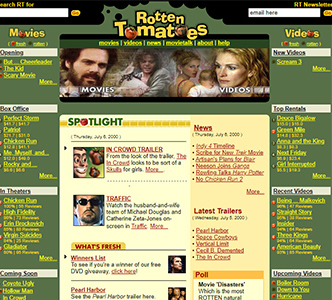
The first Rotten Tomatoes front page, published in 1998.

Rotten Tomatoes was launched in just two weeks. How did you navigate the tension between creating the perfect product versus getting it out as soon as possible?

Rotten Tomatoes was our creative director Senh Duong’s idea. He was a huge Jackie Chan fan. He wanted to know what everyone was saying about Rush Hour when the movie was coming out, so Senh went to the library and gathered reviews from magazines and newspapers–back then, very little was online. He decided that if he was putting all this work together, he might as well share it with other people. So he went home, built a page for Rush Hour and the other mainstream movies coming out that week, and put all the information up there. Because the scope was limited, he was able to go from idea to launch in about two weeks. He was gathering twenty to fifty reviews per movie for three or four movies. It was a lot of work, but doable by one person. 

It turns out that just having the new releases was still very useful because people were most interested in the movies coming out that week. He didn’t need to have tens of thousands of scores for the long tail of movies. He just focused on the head, the tippy top of the head. It was immediately useful, and instantly started getting traffic and attention. Then he just kept it up. He would work on the next week and the next week and the next week. It wasn’t until a year in that we said; “hey, maybe we should turn this into a business.” 

My advice for anyone is to launch quickly and test quickly. A lot of people, and I’ve made this mistake multiple times, spend six months to a year or two trying to make this perfect thing. They end up spending a lot of their own money or burning half or more of the funding that they raised trying to build this thing. The issue is you don’t know what perfect is until you actually get it out there.

You’ll see over and over, especially in consumers, folks put something out as a test and then it blows up. Twitter was a weekend project and then they just blew up. Twitch was Justin.tv in the beginning. They just messed around and put something out there. You just have to get the basic thing out there to see if people want it. Sometimes you don’t even have to build anything, you can literally just interview people or just do a mockup, and make a walkthrough of what the product would look like. It could literally be a napkin scribble and you can immediately start getting feedback. That feedback can actually give you a lot more information than putting something “perfect” out there. Go back to almost any consumer site or app and try to look up what version one looks like. Go look at the first versions of Facebook, eBay, Amazon, or whatever. They were ugly. But they solved something. That’s why they kept growing and taking off. I’m always recommending that. 

The other thing I say to people a lot of times is to really focus. It’s generally a single thing that people care about. For Rotten Tomatoes, it’s the TomatoMeter. We could get rid of the cast, crew, filmography, photos, movie showtimes, and almost everything else on the site. But really, as long as you have a score, that’s the critical thing that you need. 

If you think about fast food chains, every fast food chain specializes in a single type of food. The restaurants that offer multiple types of food are generally all mom-and-pop shops. The really big chains do one type of food. Every single one of them. When you look at social media, every social media platform started off with one unique singular feature. Like TikTok, Snapchat, Clubhouse, Twitter, YouTube, Instagram, and Substack, they all started as one thing. And again, as they got big, they started looking more like each other because they added more features. But they all started out as one thing. You find one thing that people actually care about. And you try to put that one thing out as fast as possible to see if they really care. 

How do you know when to give up on an idea?

Testing doesn’t have to be serial. You can actually do some stuff in parallel. As an analogy: if you have a kitchen, you can test a few different types of food concurrently. You could even do a survey before you start cooking to narrow down your options. Then, you can try each of them out and go forward with the best-performing one. It doesn’t have to be: Let’s try chicken, now let’s try hamburgers, now let’s try pizza. You can try all of them at once. 

In terms of knowing if an idea will work–you’ll know it when you see it. Rotten Tomatoes got the press instantly. It was getting noticed. USA Today was writing about it and Netscape was highlighting it at Yahoo. The day Pixar released A Bug’s Life, right around the time we released Rotten Tomatoes, we saw spiking traffic coming from Pixar. 

When you look at Asian Hustle Network, they just put something out there and it went crazy. Facebook and Twitter had the same thing. Especially with consumer products, when it works, it works. You’ll know when it doesn’t work because it’s crickets. You’ll be trying to tell everyone to go on, you’ll be telling your friends and family, and some of them will go on once and never come back. That’s normal. That’s actually what happens almost every time. 

Take an average YouTube video. You’d have a hard time getting even 100 views on it. Then every once in a while, for whatever reason, someone puts up a video and it gets millions of views and everyone’s sharing it like crazy. You kind of know it when you see it. If you’re begging everyone you can get, you’re trying to market in every way, you’re even buying ads and you’re having trouble getting a hundred views or a thousand views, you’re probably done. If it’s an app or a website, it’s probably not the right one. The way you know if you have product-market fit is if people tell other people about it without being asked to or incentivized to. Think about TV shows like The Queen’s Gambit a couple of years ago or Squid Game. People were sharing it with each other unprompted. They would just tell other people about it and it’s essentially free marketing.

Is it necessary to have startup experience or experience working for another company to execute and test ideas well? Or do you think the best experience to start a company is just to go and start it?

I would say that there is an optimal founder. That founder would be very bootstrappy. They would be able to launch things very quickly, iterate quickly, and without many resources. Also, they would have what I call irrational confidence. They just believe in themselves and what they’re trying to do with this insanely crazy confidence, and often based on nothing. 

“When we did Rotten Tomatoes, we didn’t know anything about movies. The Airbnb people weren’t hotel people. The Uber people were not taxi people. Industry disruption often comes from outsiders because disruption requires something out of the box and those people were never in the box to begin with. It’s rare that the disruption happens from within.”

I often speak to students and recent graduates. Some of them will come up and say, “Hey, I was thinking about doing a startup, but I wanted to go work in corporate or management consulting for a couple of years, get experience, and then start it.” There’s a 99% chance you’ll never leave once you’re in and you’re used to a salary, getting raises, promotions, and all that stuff. It’s going to get harder and harder to quit, especially if you get to a point where you’re in your early 30s, married, with kids and a mortgage. The chance of you risking all of that is pretty much zero.

These people, when they come up to me, they’re saying, “Look, I’m too scared. I’m too conservative to actually go out and do it.” The best ones just do it. Yahoo, and Google, they were grad students at Stanford and just left. Zuckerberg was an undergrad at Harvard. Steve Wozniak and Steve Jobs just left and did it. Most of them don’t even finish school because they’re not scared of leaving early. They have so much belief that they just have to do it. This has happened so many times.

In some ways, dropping out was a good sign. It’s not that they dropped out to bum at home playing video games, they believed in themselves so much they didn’t have that fear of failure. I absolutely think that founding a startup is not for everyone. I don’t recommend it if you’re someone who’s very conservative, and very scared. Go get a normal job, and do the safe thing. But there are people who just have to do it. Even if you have the confidence, you still have to have the ability to iterate, to bootstrap, to do those things properly. 

When you see that mix, it almost doesn’t matter what the idea is, assuming that they want to do something big. When you see that mix, that’s the right person. It doesn’t matter what their idea is, they’ll figure out something that’s going to work. 

They are sharp and bold – it doesn’t surprise me at all when they make it later on. Look at any of these great athletes or entertainers, and when they were young, they probably had that spark. There is an element of luck, but a lot of it is who they are as a person. The biggest thing when looking at young founders is their irrational confidence. This is true for athletes, entertainers, or anyone who takes that risk. Go back to the beginning and look at them, they have that spark. 

You’ve been founding startups for many years now. How have you seen the landscape for Asian American founders change since you started, particularly within tech and venture?

In tech and venture, we generally punch above our weight. At the highest levels, if you look at Nvidia, Yahoo back in the day, YouTube, Twitch, and Zoom, there are Asian founders. If you’re also counting South Asians, look at corporations such as Microsoft and Google, the heads are all Indian. 

A lot of Asians tend to lean towards engineering, so we tend to be weaker on the executive side. When people talk about diversity, they often don’t count Asians as diversity for tech and venture. 

Similar to college, it’s actually harder for Asians than anyone else. From when I started until now, it’s gotten better, but overall, we could use help on the executive side. In other industries like entertainment, it’s getting better but it’s still not great.

A lot of your business partners have been Asian. Is this intentional or coincidental?

Part of it is because I went to Berkeley. I wanted to go there because it was 40% Asian. I was born in LA but grew up in Maryland. There were only three Asians in my grade in elementary school, so I felt a little invisible sometimes. I later attended a magnet program for intermediate school and high school, where there were obviously more Asians. When college came around, I wanted to find a place that had more Asians so that I would find more people like me. After we sold Rotten Tomatoes, I went to China and then later on, I went to Hong Kong. What I realized was that when I went to China, they could tell I wasn’t like them just by looking at me. I realized that I’m actually a minority everywhere. The closest thing to people like me are Asian Americans, or even more specifically, Chinese Americans. 

My circle tends to be at the intersection of tech and entertainment, and it leans more heavily Asian. The folks I was working with, like Holly, Kun, and Kevin, they’re Asian but they also were all doing companies at the intersection of tech and entertainment. I did Rotten Tomatoes, Holly did Kabam, Kun did Crunchyroll, and Kevin did Twitch. With Kun and Holly, we also had a connection through Berkeley. I was also really into Chinese martial arts when I was at Berkeley. Because of Berkeley and martial arts, I naturally had a pretty Asian group. But for me, I’ve tried really hard to get good diversity across industry, race, and gender.

What have you been working on recently?

When I came back from Asia, I did another startup, a mobile gaming company. We raised a lot of money – five million – but it didn’t work. We made every mistake you could make, including not being focused. I took a break and then ended up doing PKO Investments with Holly, Kun, and Kevin. We made an investment syndicate, investing at the intersection of tech and entertainment. We had about 800 people in our syndicate, half of which invested in at least one company. From 2021 to 2022, we invested in 45 companies and raised $35 million for those companies. Around November 2022, there was a big market crash and a lot of our angels needed to take a break. At that point, no one in our syndicate was looking to invest. We talked about potentially doing a fund or doing something else and eventually, we decided to do another startup. 

That’s [Fanverse] what I’m currently working on full-time, and we’re basically doing a membership-driven community. We’re bringing together all the best builders, creators, and talent in the geek fandom space. Geek fandom being things like comic books, video games, anime, sci-fi, and fantasy. Geek fandom is something I’ve loved my whole life. We have founders of companies like Patreon and YouTube. We have gaming people: the CEO of Tetris, an ex-chairman of Midway Games, a board director from Roblox, and a board director from Atari. We have entertainment people, such as Adele Lim (a Malaysian director/writer), Shannon Lee, (Bruce Lee’s daughter who produced the TV series, Warrior), and Karen Gillen (Nebula in Guardians of the Galaxy). We have sci-fi authors like Neil Stevenson. This is a super cool group of people. There are about 80 people so far and it’s all community. We’re doing dinners, larger events featuring different speakers, a WhatsApp group, online Zoom stuff, all these things to try and get this community together. 

At a very high level, we want to be broad enough that you’re going to meet people outside of your lane that you don’t know, but narrow enough that they are people you should know and could potentially collaborate with in the future, especially since pop culture and geek fandom IPs often span multiple mediums. For example, you have The Last of Us, Halo, and Fallout which are games that became TV shows. You have One Piece, which was a manga that became an animated TV show that has become a live-action TV show. You have the Marvel and DC comics which have become TV shows, movies, and games. 

With all this crossover, our idea is to bring in people from each of those different mediums together, let them all meet socially, and then see what happens. We’re already seeing folks working together and investing in each other. Essentially, it’s a networking group of these nerdy folks.

Is there anything else you’d like to share?

For anyone who’s reading this, Asian or not, I would say that when you look historically, the biggest companies tend to form every time there’s a new wave of technology. Desktop computing gave us Apple, Microsoft, IBM, and Hewlett-Packard. The internet gave us Google, eBay, Amazon, and others. Mobile and cloud computing brought more. Today, I think AI is bigger than all of those combined times a thousand. It’s crazy what AI can do to change literally everything we know.

Rotten Tomatoes, for example, rode the wave of the internet. Most of these companies that are still around rode some wave. AI is the biggest wave ever and if you are interested in entrepreneurship and you are reading this article, get on that wave. When there’s such a massive wave, why wouldn’t you get on it? Why would you just go and get a normal job and do something boring and have this wave pass you by? Assuming you’re not too scared and you’re not too conservative, you should get on the wave, do something, and just survive and stick with it for a while. Everyone I know who got into entrepreneurship and stuck with it for ten years ended up doing something pretty interesting.

We at AHN Ventures are of the same mind as Patrick, and encourage our readers to go out there and start building! If you like what you read, you can follow Patrick @rottendoubt on all socials. Thank you for the interview, Patrick!

Related Articles

Screen Shot 2023-06-26 at 2.25.36 PM-png

Stories

This Grape-Based Soju Brand is Here to Empower Asian-American Spirits

Founded in 2015 by Carolyn Kim, a Korean American mother and non-profit lawyer, Yobo Soju was born out of a desire to create an elegant soju that resonated with evolving lifestyles and refined tastes.

As the first American hand-crafted soju made in the New York Finger Lakes, Yobo quickly gained recognition, winning awards and becoming renowned for its exceptional taste.

In 2021, John Noe joined the team as an investor and CEO, aiming to propel Carolyn’s vision to new heights. With offerings like Hunni Soju, YoboKish, KTOWN Soju, and Yobo Soju Luxe, they cater to various consumer preferences and occasions, making soju accessible to a wider audience.

Yobo Soju stands out from other brands by choosing to craft their soju from grapes, a departure from the traditional rice-based approach. This unique choice pays homage to Carolyn’s Korean American heritage and the desire to create a more premium and high-quality soju. The result is a velvety smooth liquid with a floral aroma and fruitiness, capturing the attention of cocktail bars and restaurants seeking to elevate their creations.

In an interview with John Noe, he shares his insights into the journey of Yobo Soju and its impact on the spirits market. Join us as we delve deeper into the story behind Yobo Soju and discover the inspiration and passion that drives its success.

HOW YOBO SOJU CAME TO LIFE

Yobo Soju was started in 2015 by Carolyn Kim, a Korean American mother of twins and a non-profit lawyer. At the time, there weren’t many premium soju on the market. While she enjoyed drinking soju in her earlier years, she wanted something that suited her evolving lifestyle and taste.

Carolyn Kim

In a word, she wanted to create a soju that was ‘elegant.’ From that ambition, Yobo Soju was born, the first American hand-crafted soju made in the New York Finger Lakes. Immediately, Yobo won several awards and was touted for being one of the best-tasting soju available. Yobo made its way into top restaurants, cocktail bars, and retail accounts, and was ready to grow. 

In 2021, I joined the team as an investor and CEO to push Carolyn’s vision further. We had a great product and initial distribution but needed to get to the next level. In developing our strategy, we started from the very top and figured we’d work our way down. How do we win over U.S. consumers completely unfamiliar with soju? If we could do that, winning existing soju consumers or lapsed soju consumers would be easy by comparison. From there, the obstacles started to stack.   

Distributor: Will there even be any interest in soju?

Retailer: Where would I even put soju on my shelves?

Bar manager: How do I even serve soju?

Consumer: What is soju? How do I drink it?

Our strategy was to take our single product and to expand into a diverse portfolio that could navigate our obstacles. We created Hunni Soju, a ready-to-drink flavored soju cocktail line, to utilize a more approachable single-serve format. We created YoboKish, a range of unique aperitifs using our soju as its base, to reach mixology enthusiasts at home and at the bar. We created KTOWN soju, a range of all-natural flavored soju made with real fruit juice, as a playful way to drive soju trials in a multi-serve format. And we elevated our original distilled soju, renaming it Yobo Soju Luxe to honor traditional soju making while adding our own Korean American twist. Together, we’ve created a diverse Asian American spirit portfolio that can bring soju to nearly any type of account and occasion.

Together, the portfolio represents a diverse range of Asian American spirits to meet consumers of any level of soju familiarity. Since 2020, Yobo has expanded from 2 SKUs to 18 SKUs and our annual case volume has grown 50x with distribution in over 30 states. The strategy that seemed risky and overly ambitious in 2021 is now beginning to take hold.  

Mass soju is a low-cost product produced at a significant volume that isn’t known for its great taste. But it’s the spirit of Korea, so why couldn’t it be more premium and made of higher quality?

John Noe

USING GRAPES TO CRAFT SOJU

Carolyn was very thoughtful in creating the first Korean American soju. Like her own identity, she wanted to source ingredients that were local to her while paying homage to her history and origin.

At the time, she lived in New York City, and so the idea of using Catawba grapes grown nearby in the Finger Lakes became an interesting choice. There was a disruptive statement to be made as well. In a category dominated by men, how would she represent Korean American women in creating the first soju made in America?

Mass soju is a low-cost product produced at a significant volume that isn’t known for its great taste. But it’s the spirit of Korea, so why couldn’t it be more premium and made of higher quality? Producing soju from grapes resulted in a liquid with a floral aroma, fruitiness, and a velvety smooth finish. Yobo was quickly adopted by cocktail bars and restaurants that wanted to create higher-end cocktails with soju. Consumers lauded its taste and Yobo gained a niche following.

Since then, we moved our operations to California and updated the branding, packaging, and formula for our flagship soju now called Yobo Soju Luxe. The formula change is one we didn’t take lightly. Moving to California not only gave us the ability to source grapes from California but to source rice as well. After much trial and error and countless recipes, we ended up with the current Yobo Soju Luxe formula made from organic wheat, California rice, and California grapes. It’s a blend that combines the best of each of those ingredients giving us a soju that’s impossibly smooth and almost creamy while representing what we believed to be truly Korean American.

PRODUCTION PROCESS AND STANDARDS

The majority of our products are produced in Ventura, California with our distiller.

The process is a labor of love where our formulas are distilled, mixed, and batched by our master distiller. Each bottle is inspected by hand and packed. But the part of the process that’s been the biggest adventure has been the formulation process.

Creating YoboKish, the collaborative name of our venture with Kristen Kish, took almost two years. We started the project with a completely blank canvas and no restrictions. What would a Top Chef winner do? We gave Kristen free rein and the project evolved through several iterations as we experimented with flavors, formats, and concepts. Eventually, we landed on the flavor profile Kristen loves most, bringing contrasting flavors together like bitter and sweet:

  • SHINE – kumquat, rose, and ginger because kumquat is her favorite fruit. 
  • BLISS – sour cherry, pink peppercorn, and licorice because Kristen grew up in Michigan and loved licorice as a kid.
  • EARTH – smoked mushroom umami because she’s a celebrity chef and she flexes.
  • SEOUL – hibiscus, lemon balm, and raw honey because her wife Bianca has a nightly ritual of drinking hibiscus tea in a similar fashion (hence the name, SEOUL for the city where Kristen was born and SOUL for her soulmate, Bianca).

They’re each sweet and bitter, but soft and balanced at the same time. They’re all-natural and have no artificial coloring or flavors. And they provide mixologists with Top Chef-like ingredients to create an array of imaginative cocktails.

Kristen Kish

DIFFERENT OFFERINGS TO CATER DIFFERENT CONSUMER PREFERENCES

There is a distinct ritual to drinking soju.

Its smaller bottles and lower proof allow bottles to be easily consumed among a group of friends. Once a bottle is opened, it’s shared and poured, two hands pour, and two hands receive as it’s passed around the table until it’s empty. At Korean barbeque, singing karaoke, or out clubbing, the occasion for soju is a social one.  

While we want our soju to be a part of all those rituals and occasions, we wanted to design our products for new occasions that would help us cross cultures.

In Yobo Soju Luxe, we wanted to create a celebratory bottle and liquid, one that could be gifted as a present or opened to commemorate an accomplishment.

In YoboKish, we wanted to create a ‘professional’ product for more advanced mixologists and cocktail enthusiasts.

In Hunni Soju, we wanted a format that would be conducive for trial, a single-serve, easy-to-drink, flavored soju that people could grab and go – to the beach, a picnic, golfing, and more.

And in KTOWN Soju, we wanted to take everything we’ve ever loved about eating and drinking in Korea town and take the experience of KTOWN to wherever the bottle goes. In fact, the design of the glass is made to look like a flask and the liquid is fruity, sweet, and welcoming to any first-time soju drinker.

WHAT SETS YOBO SOJU APART

Most people don’t realize that soju is the largest-selling spirit in the world by volume, outselling vodka, tequila, and whiskey in total cases. Despite its market size, most soju on the market are very similar – inexpensive liquid housed in small green bottles.

It wasn’t until more recently that more premium soju products arrived. But what makes our full line of products unique is our identity as a Korean American company and brand. There’s a generational shift in thinking about what soju could be in the United States and we intend to produce soju that is as beautifully designed as any other spirit you’d find on the shelf and of the highest quality.

Our glass is custom. Our liquid is all-natural and free from artificial coloring, flavors, or sweeteners. While we do our best to communicate our differences through our marketing communications, the best proof is when somebody tries our soju. If you’ve had other soju before, the difference is unmistakable.

JOHN’S GOALS AND VISION FOR YOBO SOJU

I started as CEO in 2021 and since then we’ve accomplished so much. The business has grown 50x in annual case volume with the expansion of its portfolio and is now distributed in more than 30 states. We’re about to launch major brand collaborations and product integration in the upcoming Joyride movie by Adele Lim.

We’ve poured at places like the Sundance Film Festival and Food & Wine Classic in Aspen. But beyond the business milestones, I believe what we’re doing is significant and will spark the imagination of others to follow. 

Our mission has been to elevate the Korean American spirit by breaking boundaries, from the way we think about the liquid that constitutes soju to the communities we aim to reach. The world doesn’t need another tequila or vodka and yet much of the industry only sees opportunities in large, established markets.

As a Korean American, I know the power of the minority mindset and the impact that can be made by a few. Small is where everyone starts. We had two events just recently, a pride event at a fashion/design studio called Bobblehaus where we showcased KTOWN soju, and Food & Wine in Aspen where we showcased Kristen Kish’s aperitifs.

It was such an amazing experience pouring our drinks for people, explaining soju, introducing our products, and seeing everyone’s reactions. Some might overlook Asian American spirits right now because of its market size or lack of movie star endorsers, but from the view down here, we see a community building around us filled with faces of every identity and color sharing and enjoying soju with us.

John Noe

THE IMPACT OF YOBO SOJU

The greatest impact Yobo has had is its personal impact on me.

I grew up in a small town in Texas and our family was the first Korean family in our neighborhood. When we arrived, the community of Korean Americans in my elementary school was limited to me and my brother (for the one year we overlapped). For most of my life, I struggled with my own Korean American identity and felt like I needed to find ways to be less ‘Korean’ to succeed.

I’ve had an entrepreneurial career having built and sold an advertising agency before Yobo in an industry where just like my elementary school, I was only one of a few Asian Americans along with my Chinese American partner. We built the agency up and sold it to a French holding company where we continued to grow the business. In that time, we worked with mass, established, ‘American’ brands that played very little in contributing to Asian American identity and culture. We were successful by all business standards, but regretfully, we contributed very little to our Asian American community.

At the time of joining Yobo as its CEO, the stories of hate crimes against Asian Americans started to surface. Here I am, a Korean American CEO of a Korean American company amidst a breakout of hatred toward a community I rarely embraced. It was the unfortunate wake-up call I required to find pride in my identity and to take more roles in paving the way for other Asian Americans more seriously. My Yobo journey has been profound, and instead of hiding my Korean-ness, I’m now on a mission to share it.

We have a few things lined up that I’m excited to share and announce. Beyond launching products and selling them into accounts, we’re here to make a statement. The Yobo organization is very small, a minority among minorities, but we believe we’ll make an outsized impact.

CONNECT WITH YOBO SOJU

Instagram: @yobosoju

Website: yobosoju.com

forbes2-jpg

News

Michelle Cordeiro Grant Enters the Wellness Space With Clean Energy Drinks

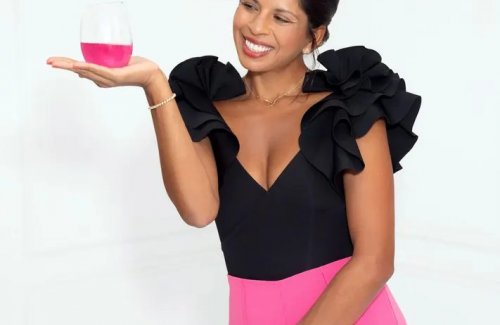
Michelle Cordeiro Grant, a serial entrepreneur and former Victoria’s Secret executive, has once again taken the business world by storm with her latest venture, Gorgie.

After successfully founding and scaling the online intimate apparel company Lively, which was later sold for $105 million, Michelle decided to enter the wellness space with a new line of clean energy drinks, valuing at $20 billion.

Gorgie was inspired from Lively’s previous slogan “gorgeous human” and it already had a dedicated following before it was created, as customers expressed their desire for functional benefits in the form of a refreshing drink rather than powders or pills.

Image Source: Gorgie

Gorgie offers six delightful bubbly variations like citrus burst, watermelon crush, and mango tango. These eye-catching beverages, packaged with a subtle ’80s film grain aesthetic, can be found in around 700 retail locations, including popular stores like Sprouts and Whole Foods. With plans to reach 1,000 stores by summer’s end, Gorgie is expected to achieve impressive revenue results in its inaugural year.

According to Forbes, the success of Gorgie can be attributed to Michelle’s partnership with Jason Cohen, a seasoned entrepreneur in the consumer packaged goods (CPG) industry. Their complementary skillsets and experience propelled Gorgie’s rapid market entry. Cohen’s expertise in the beverage space, coupled with Michelle’s branding and digital marketing background, paved the way for Gorgie’s quick journey from ideation to product launch.

“I picture Gorgie coolers at the checkout line of Sephora and Ulta, and the end cap of Target that happens to face the beauty aisle because we’re at the intersection of energy meets wellness,” Michelle said to Forbes. “Everybody’s ready for this rollout to happen, so I’m manifesting it out loud.”

Featured Image Source: Forbes

9DE840DB-D754-4D3C-BE99-3117422A648E-jpg

Stories

An Engineer-Entrepreneur’s Pursuit to Showcase Authentic Taiwanese Cuisine

A successful engineer by day and an entrepreneur by night, that’s what Derek Ting is.

Derek followed his passion for entrepreneurship and launched FREESTYLE a few years back, a brand with the purpose to help and inspire individuals out there to pursue their own path in life through sharing stories, empowering messages, bold designs, and building a community. But he didn’t stop there.

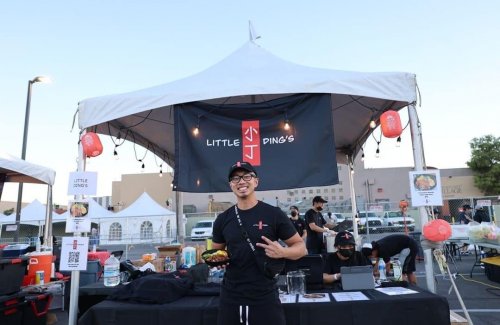
Without a professional experience in the kitchen or background in culinary, but with a dream of sharing Taiwanese cuisine with more people in the world, he brought Little Ding’s to life.

In an interview with Asian Hustle Network, Derek shared insights into his entrepreneurial journey. Join us as we delve into Derek Ting’s remarkable story, uncovering the secrets to his success and the invaluable lessons he has learned along the way.

DEREK’S JOURNEY BOTH AS AN ENGINEER AND ENTREPRENEUR

I graduated back in 2019 with an engineering degree while working to launch my first real brand/business, FREESTYLE, but I wasn’t always into business or entrepreneurship. Before 2015, I thought that being an engineer was “IT” for me. I thought engineering was everything I wanted and everything I would be doing for the rest of my life so I didn’t even think of any other possibility. 

In 2015 I took on my first internship/Co-op after freshman year at IBM/Globalfoundries which was honestly a dream come true for me (I mean what freshman wouldn’t be excited about an opportunity like that?). Little did I know, that experience would change everything for me but in the complete opposite way I thought it would.

Seeing the energy of the people who were there for 20-30 years made me realize I needed to do something else, something different. That was when I read my first book, started taking stocks more seriously, and started trying out a whole bunch of different ventures/ideas/things. And for those of you who don’t know what you want to do yet, it’s okay to not know, but you won’t know unless you go out and try a whole bunch of different things!

Nothing stuck with me until later in college, which was FREESTYLE, but even then I wasn’t anywhere near launch by the time I graduated so I stuck out engineering as a way to support myself while I go on this journey to figure “business” out.

FREESTYLE didn’t take off how I wanted it to and I slowly learned that business in general and then each industry had their own “game” to play but I knew how important it was for me to continue to go through the growing pains. Experience compounds and business principles transfer over to new ventures so it was important I kept going despite not finding “success” so I could keep learning. I don’t believe that I’d be able to do what I’m doing with Little Ding’s today and at the speed we’re going at if I didn’t keep building FREESTYLE.

It’s been 5 years since I started building an actual brand/business and 7 since I started learning about entrepreneurship and I’m only getting started!

Little Ding’s has been something I’ve wanted to build for a long time and the accumulation of all of my past experiences, knowledge, and network is moving us forward and getting us opportunities at a speed that I couldn’t have predicted. It’s been really cool and super mind blowing but again, this is only the beginning, we haven’t even gotten started yet!

I’m blessed that I am also a full-time engineer on the side because being an engineer (specifically in data and analytics), has helped me develop and refine skills necessary in business but not stressed such as the importance of understanding numbers, metrics, and data pertaining to each aspect of the business. Is it hard to do all of the above? Yeah, my entire life at this moment is just work… but I love it.

PUSHING THE LIMITS

In the process of building FREESTYLE and Little Ding’s, I learned that limits are self-imposed.

I’m a huge dreamer, and I love challenges. The process and hardships of entrepreneurship, which are basically personal development, helped me to discover that every time I pushed myself to what I thought was my limit, I could handle more, and once I realized that the playbook was entirely up to me, I went kind of crazy (in a good way of course).

For example, I launched Little Ding’s in October of 2022. We then did ONE small event in November and ONE event in January. How were we able to handle the largest food events on the west coast, back-to-back weekends, and even introduce a new menu item? Because that’s exactly what we did when we did the Water Lantern Festival, into the first and second Foodieland, the first 626 Mini Night Market, the first We Bridge Expo in Vegas into more and more up to now, where within 8 months of even existing, we are coming for the main 626 events in SoCal!

STAYING TRUE TO THE FLAVORS OF AUTHENTIC TAIWANESE CUISINE

My goal with Little Ding’s is to bring Taiwanese food out to more of the world, and so doing that means the food I focus on has to be somewhat relatable between cuisines such as Taiwanese popcorn chicken, where almost everyone has some idea of what popcorn chicken is, but maybe not necessarily Taiwanese popcorn chicken.

When thinking about new food items to add, I’m envisioning myself taking a stroll through Taiwan’s night markets and seeing which foods are popular that I remember the taste of and would be easily accepted in the States.

When it comes to testing recipes, I gather a ton of different online recipes and lay out all of the ingredients that are being used to figure out what each ingredient adds to the recipe and then slowly test out the ratios until the taste brings me back to the streets of the night market.

I may not come from a culinary background or know a ton about ingredients but I have good taste buds and I can remember taste even if I didn’t know what made it.

The reality is that, it is a LOT of testing and as much as everyone around me enjoys the food I make and the recipes I created, I myself got a bit sick of them because I ate each item that I tested multiple times a day for weeks before I got the recipes to where I wanted them AND THEN I would continue to adjust as I got feedback from all of my guinea pigs *cough* I mean friends, in Vegas.

It’s a bit easier now because I have a team so I don’t have to eat as much of my own food over and over again but it’s still a lot of testing especially to stay true to the flavors of authentic Taiwanese cuisine.

OVERCOMING HURDLES

The more I zoom out, the smaller the stumbles become.

Derek Ting

I love challenges in general so I actively seek them out for us to take on and I think almost every event we’ve done was a challenge because every single one was unique.

But in terms of the challenges we’ve faced where things went wrong or weren’t great for us, a lot of it comes down to the long-term vision and how focused you are on it. We came out swinging when we launched Little Ding’s and crushed our first event. We thought it would be like that for other events too but we were met with two financial losses in a row, one of them being -$2,700 which hurt really bad especially when we’re just getting started and every dollar meant more.

So this is where the long term vision comes in. If I look at the 3-month timeline, we’re absolutely broken. We invested thousands, made some back at the first event, and then dug a deeper ditch with the next two events. If I look at the 6-month timeline, well okay we have Foodieland and 626 Vegas coming up, and we have a good chance of making those losses up at those events. If I look at the 2-year timeline, we should have 1-2 stores open by then with catering clients set and be doing multiple events a weekend.

The more I zoom out, the smaller the stumbles become. Even if they hurt a ton at the time. Another thing I will note is that as a founder or leader, you can’t break… at least not in front of your team. It’s good to be transparent with how business is doing but even in those moments, you have to excite your team.

And there are of course countless challenges with doing outdoor events especially not having done any yourself but those typically come down to how fast you can think on the spot and how well you can adapt to situations which honestly becomes second nature after enough practice.

OTHER VENTURES DEREK IS INTERESTED IN EXPLORING

I have a ton of ideas in my head that I want to eventually build out, including a sister shop to Little Ding’s focused on Taiwanese desserts, a co-working space with incubator access, with access to investors, schools similar to the one founded by the Blue Man Group in Manhattan, universal educational platforms for everyone, and I do want to get into Esports but that one is more of a “for fun” project.

HOW DEREK DEFINES SUCCESS

Success to me has changed a lot throughout the years and a lot of it had to do with the friends I have around me.

Before, success to me was making a ton of money to buy my parents and myself nice things and not having to work anymore. Now, success to me is being able to create without anything holding you back.

Create businesses, opportunities, and experiences for those around you. That’s what I care about and want to do and there’s some debt I have to pay off first but honestly, I think I’ll be successful as long as I can get both myself and businesses in the green because after that, I’ll have some money to do more of the above!

ESSENTIAL QUALITIES OR SKILLS FOR ENTREPRENEURS

The essential qualities or skills I believe every entrepreneur should have or be working on are: communication and vision, humility, adaptability and decision-making, mental fortitude and perseverance, and patience and optimism.

I think the ones I grouped together work hand in hand!

Communication should include vision because your team should always know where you’re going as a company and where they’re going/where they can go within the company. Drop your ego, you don’t know as much as you think you do, and listening can save you time, money, and resources.

Being able to adapt pretty much means making a decision to change on the spot but both are important and practice helps a lot here.

You have to have the mental fortitude to push through because it’s not easy (principles are simple but insanely hard to master).

The last one is patience where you have to be patient with the results of your work since it might not show up for years and that plays in with optimism because you have to see that you will succeed (the “light”) otherwise you might need to re-evaluate your current trajectory.

CONNECT WITH DEREK

IG: 

Derek Ting – @duhricehero 

Little Ding – @littledingscafe

FREESTYLE – @frstyleofficial

Websites/Blogs:

Little Ding’s – littledingscafe.com

Little Ding’s Blogs (Medium) – @littledingscafe 

FREESTYLE – frstyleofficial.com

FREESTYLE Podcast – Spotify

aura team (screenshot)-png

Stories

How These Immigrant Brothers Created a Revolutionary Mental Wellness Platform

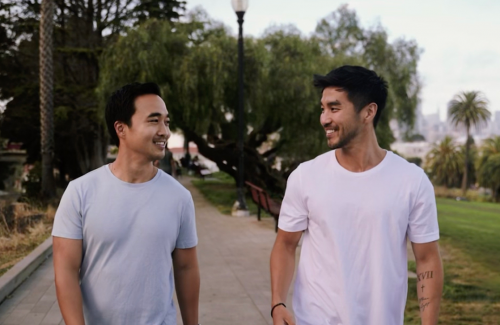
At the helm of Aura, one of the world’s largest mental wellness content platforms, is Steve Lee, the co-founder and CEO with an inspiring story to tell.

Steve’s journey began as an immigrant in the United States, facing the challenges of language and cultural barriers. However, it was his parents’ bitter divorce, entangled in unfamiliar Korean laws, that deeply impacted his life. Witnessing his mother’s mental health struggles, Steve recognized the need for support and the stigma surrounding mental wellness, particularly within the Asian community.

Initially on a pre-med track at UC Berkeley, Steve’s true passion emerged through his involvement in founding non-profit organizations and self-reflection. Together with his brother Daniel, who shared the same vision, Steve embraced entrepreneurship as a means to create a societal-level impact. Thus, Aura was born.

With a grand vision to help a billion people find peace, Aura set out to democratize access to the knowledge and expertise of coaches and therapists. They created a platform that enabled coaches worldwide to record their voices and generate high-quality audio content from the comfort of their homes.

Aura is a revolutionary two-sided platform, comparable to Spotify and Netflix, that empowers coaches and therapists worldwide to create engaging mental wellness content. In contrast to earlier wellness apps functioning as content studios featuring only a limited number of coaches, Aura stands out by offering an extensive range of content and creators.

The platform goes beyond mere curation, with coaches hosting live streams and providing personalized 1-1 coaching sessions, making Aura the ultimate all-in-one destination for individuals seeking mental wellness support.

Aura proudly boasts the world’s largest mental wellness library, encompassing a wide array of topics including sleep, life coaching, cognitive-behavioral therapy (CBT), spirituality, breathwork, and much more. Additionally, Aura has fostered a thriving community where users can engage in live events hosted by coaches and benefit from one-on-one coaching sessions.

The platform’s commitment to offering comprehensive content, live engagement, and personalized support has revolutionized the way individuals access and experience mental wellness, firmly establishing Aura as a game-changer in the industry.

Aura has achieved unprecedented success and garnered recognition from reputable sources. In 2017, Aura was prominently featured in TechCrunch’s launch feature, drawing attention to its innovative approach. The following year, the platform received the prestigious honor of being listed in Apple’s “Best of Apps,” solidifying its reputation as a top player in the mental wellness space. To fuel further expansion, Steve secured significant venture capital funding from esteemed investors such as Cowboy Ventures and SkyDeck.

The impact of Aura’s efforts can be seen in the numbers and testimonials. Users flock to the platform, spending hundreds of millions of minutes engaging in meditation and self-care activities each year. This remarkable level of engagement demonstrates the profound influence Aura has on individuals’ well-being.

Steve extends a generous invitation to those who prioritize mental health to avail themselves of a special offer. By using the code “TOGETHERAHN” at aurahealth.io/redeem, individuals can gain free access to Aura for one year. While there is a limit to the number of available codes due to security measures, Steve encourages interested parties to reach out to him should the code become unavailable. More information about Aura can be found at aurahealth.io.

CONNECT WITH AURA

Website: aurahealth.io

Instagram: @aurahealthhq