Awaken* newsletter

August 1, 2024

SHARE:

If you have followed the news in any capacity over the last few years, you have undoubtedly heard about LLMs, and the companies building these models. Though the consumer-facing models from companies such as Open AI have captured the hearts and minds of the public, enterprises have different concerns–things such as data privacy, and model reliability.

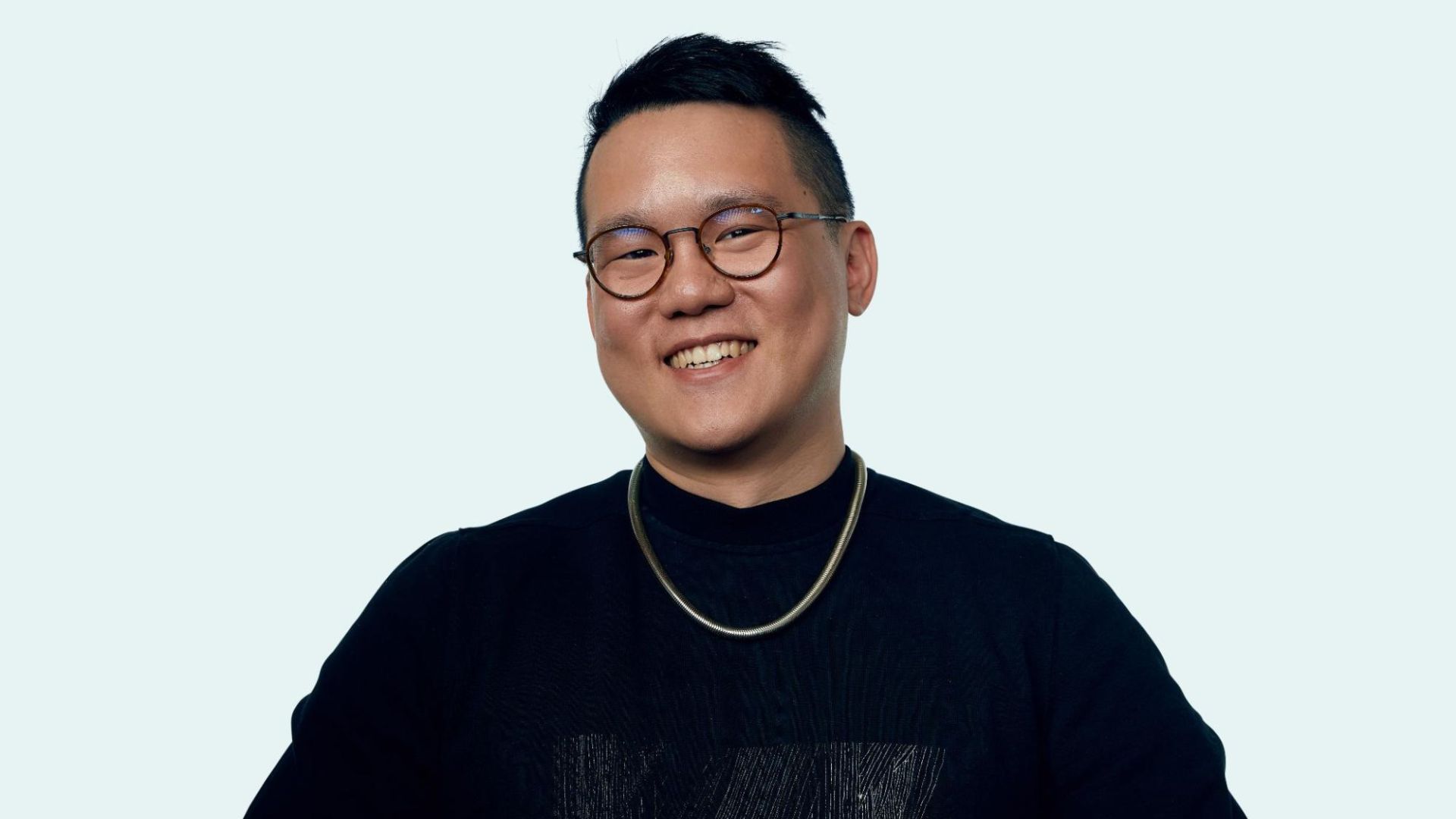
Enter Cohere, a company developing LLMs to address these issues. Started in 2019, Cohere partners with companies such as McKinsey, Oracle, and all the hyperscalers, and boasts a valuation of $5.5 billion. I sat down with one of the co-founders, Ivan Zhang, to talk about his journey.

TLDR; Key Takeaways

If you only have a few minutes, here are a few golden nuggets from my conversation with Ivan:

  • Sales should be customer-centric. This seems obvious, but have you ever started a sales conversation by talking about your product? Instead, try starting the conversation by asking your customer about their pain points, and then addressing them.
  • Data will be a bottleneck for AI development. Not in the sense that we will run out of internet to train on, but rather that there are types of data which we don’t have a lot of published datasets for. 
  • Your startup doesn’t have to be in the Bay to succeed. Cohere is headquartered in Toronto. This works for them because VCs are more open to remote work after the pandemic and Toronto has a lot of budding technical talent.
  • A key signal to look for when hiring is mastery in any domain. Learning how to master something is fairly transferable. Masters in one domain can likely become masters in another.
  • Being the lone Asian in a leadership room takes some time to adjust to. Getting more reps in has helped Ivan get used to his position.

Tell me about your upbringing, what pushed you to become a hacker?

I was born in Shenzhen, China, and moved to Toronto when I was eight. As a kid, I was always on the computer, even in China, playing the most random arcade games. I don’t want to paint Asians with a broad stroke, but if you’re a male Asian person who has been to high school in the past decade, more likely than not, you’ve played a ton of video games. I did that a lot, and I feel like it built a digital tolerance and stamina for sitting in front of a screen for long hours. Gaming was a big part of why I’m so drawn to building things, working really hard, and doing crazy hours in front of a screen. 

When I got to university, I discovered the hackathon community. Every weekend, we would just meet up at random Ontario universities and sometimes U.S. universities. We would build for the whole weekend. Gaming addiction primed me to get really good at software engineering. I spent my entire first year going to hackathons, building stuff on the side. I had this realization that I could be spending 18 hours playing League of Legends, or I could use the same energy to build stuff, which is also very fun and not as frustrating as a solo queue. It felt like a natural progression.

How has your role within Cohere changed as the company has grown?

When you’re in a startup, your role tends to evolve a lot. That’s been especially true for my time at Cohere. When we started, I was hands-on coding every day, building some of our early systems and pipelines. Eventually, the company grew, and we hired people. Some of our founders had to step up and do some people management.

Eventually, we hired people managers as well, so I have to do less of that. Nowadays, I’m much more settled. I’d say I spend probably 50% of my time still doing technical stuff like machine learning and data processing. For the other 50%, I spend time with customers, either building new relationships, fostering existing ones, or really bringing in business. I think that’s a big part of a founder’s job, like founder-led sales.

How was the transition to doing sales? Did that come naturally to you?

As someone who spent most of my time as the most backend of backend developers, it was definitely uncomfortable at first. When you think about sales, you might think of a business guy with a suit trying to convince someone to give you money for stuff. But when I started doing it more and more, it ended up being about genuinely trying to learn more about your customers, asking them good questions, and figuring out what issues they have. It’s honestly the most important thing you could do. Why are you building anything if you don’t know what your customers want? 

Sales has been super fun because it informs my technical work. I’m starting to see patterns across these conversations, which help inform what we should focus on. Another aspect is that as a founder, when you’re doing sales, you’re meeting executives and other founders as well–so you’re building good professional relationships. For anyone who’s new to it, you should expect some discomfort. But, like anything, you just learn to do it.

Why did you guys decide to focus on enterprise?

The enterprise market is often seen as boring, but actually, most of the world’s efficiency will come from automating a lot of these back-end use cases that don’t necessarily need human potential. A lot of these tasks we’re automating don’t need a well-educated human being sitting at a computer for eight hours a day. We’re much more interested in unlocking that human time for something else. Enterprise is where a lot of this kind of work is done. For example, Oracle is one of our customers, and they’ve deployed our models into their NetSuite features. So, a ton of HR and ERP use cases are now powered by our models. Our mission is scaling intelligence to serve humanity, and what better way to do it than to target the people doing this kind of back-end work at scale? 

We also liked the idea of not having to suck up all of our customers’ data to train these models. In enterprise, we actually ship our models on-prem and we air gap them, so we don’t see any of our customers’ data. In those kinds of scenarios, we have to build our models slightly differently. We have to teach our models to use the enterprise’s internal knowledge bases, use the information returned from these knowledge bases, and then write an answer and cite it. This is all RAG (retrieval augmented generation), which is what we’re focused on because we deploy these models in this air-gapped environment where we can’t continuously suck up people’s usage data. We still have an API and a demo, but the majority of our deployments are on-premise.

What are some areas of AI, whether infrastructure or application, that you think more people should be building in?

I think there will be a bottleneck in terms of training data, but not in the way it’s currently been communicated to the public. Some people paint a picture that we’ll run out of the internet to scrape. I think that’s a naive understanding of how these models work and how to train them. In terms of capturing digital signals—thoughts, demonstrations, audio, video, images, sensory data—there’s going to be a big bottleneck in capturing data from the world that’s not already represented on the internet. The internet does a good job of capturing data and it grows exponentially every year, but there’s information about the world that we experience on a daily basis.

Do you mean information that isn’t easily digitally representable, such as smell?

Yeah, so smell for example–we’d have to build this hypersensitive chemical detector. So if we want autonomous interactive robots in the real world that can smell, there is an information problem we have to solve for the robots, right? They don’t have a nose; we don’t have a great digital nose for them. And I’m sure there’s other stuff.

Why have you decided to keep Cohere headquartered in Toronto instead of the Bay Area?

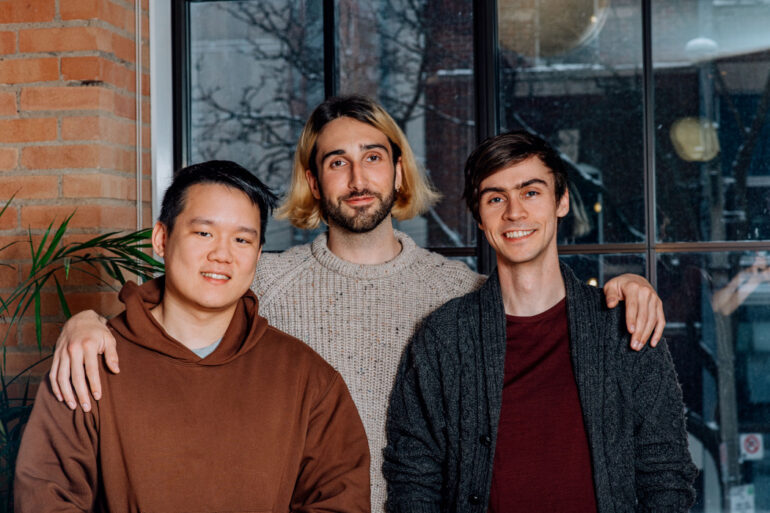
The three of us co-founders just really like living in Toronto. We grew up here, we have roots here. We also realized that it is actually a pretty great city for A.I. At some point in time, most of the people leading A.I. in the Valley came from Toronto. They came from Jeff Hinton’s lab at the University of Toronto. So there’s a ton of great early talent here. And I think because of how the VC attitude has shifted since the pandemic, investors are investing everywhere. They aren’t restricting investments to the Valley. Remote work is a thing now. And so luckily for us, we’ve been able to raise successfully. We’ve been able to build good models. 
I’ve heard that you don’t pursue brand-name resumes when hiring. What are some signals that you look at instead of pedigree that indicate someone could be a great hire?

I’ve thought about this a lot. I try to think about my own trajectory and places that have rejected me and what signals they didn’t see. What it comes down to is that I look for folks who are extremely skilled at something. Once you’re skilled at something, you can take that anywhere else. Sometimes we want to hire more experienced folks, for sure. But especially in a field like ours where disciplines such as pre-training haven’t been around long enough for anyone to have much experience, you want high-energy, high-autonomy individuals who are excited to learn, experiment, and fail fast.

I try to ask a few questions that probe at stuff related to this. Like, “What’s the coolest thing you’ve worked on?” Then I get to see if they’re going into a lot of detail and are really excited about this random thing. “What’s the hardest you’ve worked on anything?” I want to see if they can go the equivalent of 16 hours a day, seven days a week when they’ve actually gone to bat for something. And then obviously, experience in the field is definitely a big plus, but honestly, the best hires we’ve made have just been high-energy, hardworking, genuinely curious people who are also skilled at software engineering.

How has being Asian impacted your founder’s journey?

I’m not ignorant of it. I definitely know it’s a thing. For example, on my board, I’m the only Asian guy on it. But I’ve been fortunate in that, growing up in Toronto and starting this company in Toronto, it’s not that weird to be an Asian guy in tech. So on the technical front, I don’t see it as a hindrance whatsoever. But it’s definitely been a factor for my own comfort in leadership situations–being the only person that looks like me in certain situations. But honestly, once I got the reps in, being in those situations, it was totally fine. And I think there are a few things that, depending on how you were raised, could affect you in doing business at the leadership level here. But generally, once you get the reps in, it doesn’t even matter.

Is there anything you’d like to shout out?

I’d like to shoutout my wife, she’s a big inspiration for me. Shoutouts to my mom, my dad, my sister. I think my parents taught me what it means to work really hard. I think this is true for many of us immigrants, watching our parents and grandparents work the most menial labor jobs just so we can be fed and go to school. It’s super inspiring. It makes me think: Why am I not working harder? Why am I not thinking about how I can level up and help them retire? My family has been a big inspiration to me. Lastly, shoutouts to Cohere and my co-founders. It’s been super fun, and I’m privileged to be working on this tech. I think it’s genuinely the most interesting thing I could be doing right now.

If you are high-energy, hardworking, and highly curious about AI, please consider applying to work with Ivan at Cohere! You can check out available positions at this link.

Thank you for joining us, Ivan!
Related Articles

Screen Shot 2023-09-26 at 2.33.38 PM-png

Stories

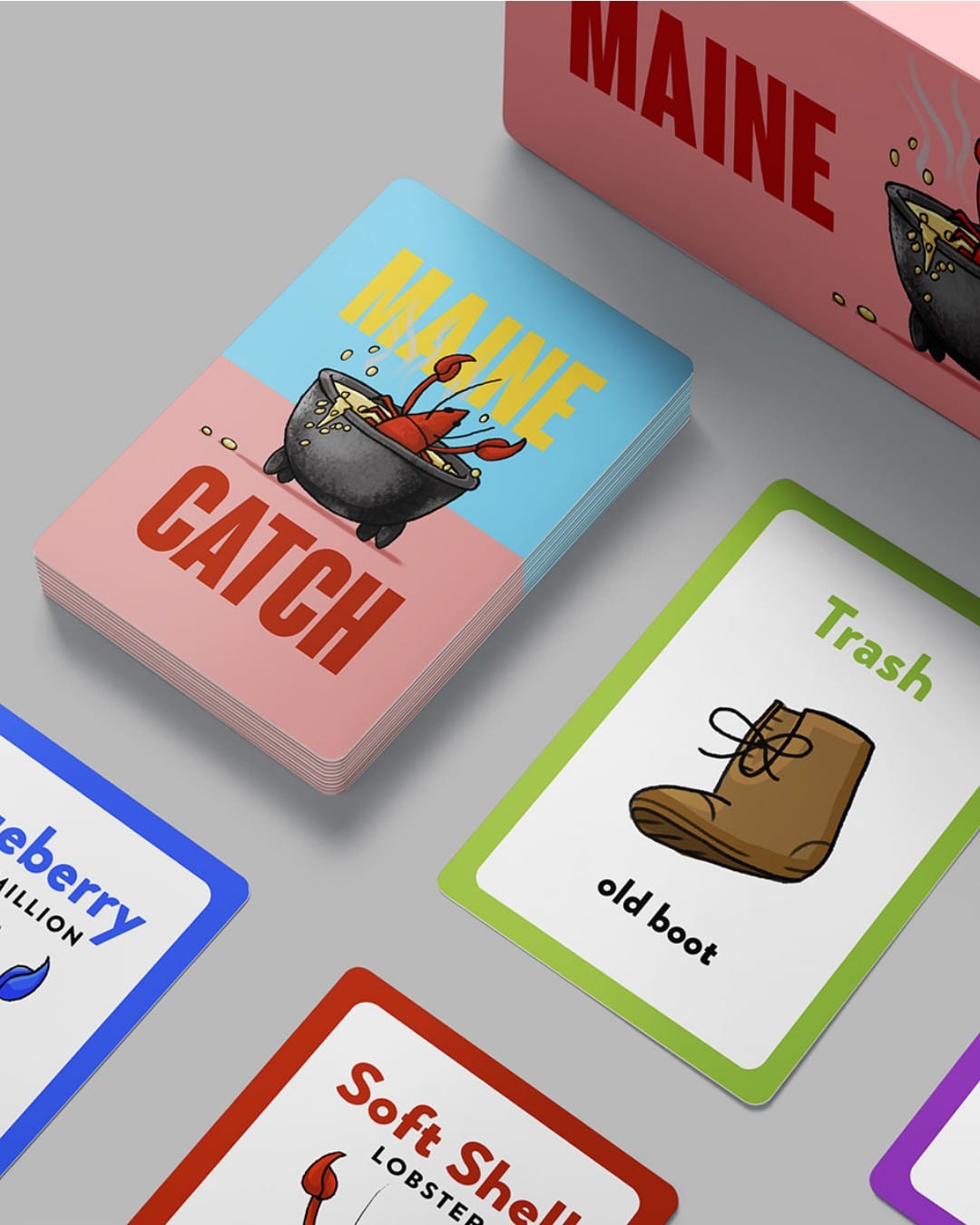
Young Siblings, Big Dreams: Oliver and Archer Noe’s Lobster-Inspired Card Game

In the world of entrepreneurship, age knows no boundaries, and Oliver Noe (age 13) and Archer Noe (age 9) are perfect examples of this.

Sons of John Noe, CEO of Yobo Soju, these young talents are crafting their own path to success. We have previously featured John Noe and Yobo Soju in one of our articles titled “This Grape-Based Soju Brand Is Here To Empower Asian-American Spirits.”

Today, we turn our attention to the promising endeavors of Oliver and Archer as they share their inspiring journey in bringing the Maine Catch card game to life.

Finding Inspiration in Lobsters and Art

When asked about the source of their inspiration, the brothers responded with youthful exuberance, “We’re just two young, lobster-obsessed kids hoping to make our game a reality.” 

Their spark of creativity was ignited during a visit to Maine, where they stumbled upon a lobster shack that introduced them to the captivating world of rare lobsters and lobster collecting. Merging these newfound passions with their love for art, the concept of Maine Catch was born.

Navigating Challenges and Staying on Course

Like many creative minds, Oliver and Archer faced challenges on their journey. They openly admitted, “We often get sidetracked.”

Distractions can be a hurdle for entrepreneurs of any age, and learning to stay focused is a valuable skill they are honing.

“Our mission is to create a card game that people can enjoy. This achievement wouldn’t just be ours; it would inspire Asian children worldwide who dream of becoming entrepreneurs.”

Oliver and Archer Noe

Celebrating Artistic Achievements

Despite their age and the challenge of getting sidetracked, these young entrepreneurs have achieved remarkable milestones.

They take immense pride in the fact that all the art featured in Maine Catch is hand-drawn, meticulously refined on the computer, and masterfully shaded in. They have designed and created over 20 unique cards for the game.

Balancing School and Chores with Entrepreneurship

Beyond their entrepreneurial pursuits, Oliver and Archer are just like any other kids their age. While they are blazing a trail in the world of entrepreneurship, these young entrepreneurs still embrace their roles as students and household chore-doers.

Introducing Maine Catch

Oliver and Archer’s passion for game creation has been a lifelong journey, encompassing both imaginary adventures and tangible projects. Lately, their focus has shifted towards card games, with Maine Catch being their most ambitious and promising endeavor yet. It’s evident that their dedication to refining their skills is paying off with this exciting project.

Empowering Aspiring Entrepreneurs

When asked about their mission and vision for Maine Catch, the young entrepreneurs shared, “Our mission is to create a card game that people can enjoy. This achievement wouldn’t just be ours; it would inspire Asian children worldwide who dream of becoming entrepreneurs.” 

Their aspirations extend beyond their own success as they aim to empower the Asian community and inspire young minds to chase their entrepreneurial dreams.

Oliver and Archer Noe are setting a remarkable example of youthful determination and creativity in the world of entrepreneurship. Their journey from lobster shacks to designing a unique card game, Maine Catch, is an inspiring testament to the power of imagination and passion.

As they continue to grow and develop their entrepreneurial skills, they are not only achieving their dreams but also paving the way for aspiring young Asian entrepreneurs worldwide. We look forward to seeing Maine Catch make waves in the gaming world and the positive impact these young talents will have on their community.

SUPPORT OLIVER AND ARCHER

Website: mainecatchgame.com

Taufeek Shah

Stories

The Success Behind the First-Ever National Asian-Filipino-Owned Hot Sauce Brand

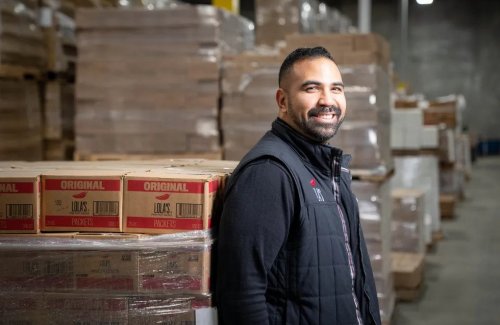
Taufeek Shah, the Founder and CEO of Lola’s Fine Hot Sauce, embodies a story that celebrates both multiculturalism and the passing down of traditions from one generation to the next.

Taufeek’s unique background, growing up with a Filipino mother and a Pakistani father who were immigrants, provided him with a rich tapestry of cultural influences. This upbringing laid the foundation for his culinary journey.

Taufeek’s parents arrived in the U.S. with dreams of a better life, despite limited resources. His father served in the military, while his mother established a medical practice in rural Northeast Iowa. Technically raised in small-town Iowa, Taufeek’s life was deeply influenced by three distinct cultures—Filipino, Pakistani, and American.

They aptly named their business “Lola’s,” a heartfelt tribute to Taufeek’s mother and a nod to the Tagalog term for grandmother.

Delightful Blend of Flavors

Taufeek’s culinary adventure was inspired by the delicious meals he savored at home. The fusion of Filipino and Pakistani flavors, combined with the locally grown peppers from Iowa farmers, crafted a one-of-a-kind gastronomic experience. This delightful blend of flavors ignited Taufeek’s vision to share these flavors with the world by bottling them.

A Humble Beginning

Taufeek’s venture into the business world began during his career in the financial services sector. He introduced his mother’s homemade hot sauce at office gatherings, and it became an immediate sensation. Encouraged by the enthusiastic feedback, he persuaded his mother to join him in sharing their family’s hot sauce with a broader audience.

Their entrepreneurial journey commenced with humble beginnings, starting at pop-up locations and farmer’s markets. As their loyal customer base expanded, Taufeek’s confidence in building a successful enterprise grew. They aptly named their business “Lola’s,” a heartfelt tribute to Taufeek’s mother and a nod to the Tagalog term for grandmother.

The Recipe for Success

The secret to Lola’s Fine Hot Sauce’s success was their dedication to preserving the original recipe. Taufeek took on multiple roles, from investor to CEO, marketer, and even delivery driver, to propel their brand forward. They started by supplying restaurants and gradually expanded into retail outlets, gaining a foothold across the nation.

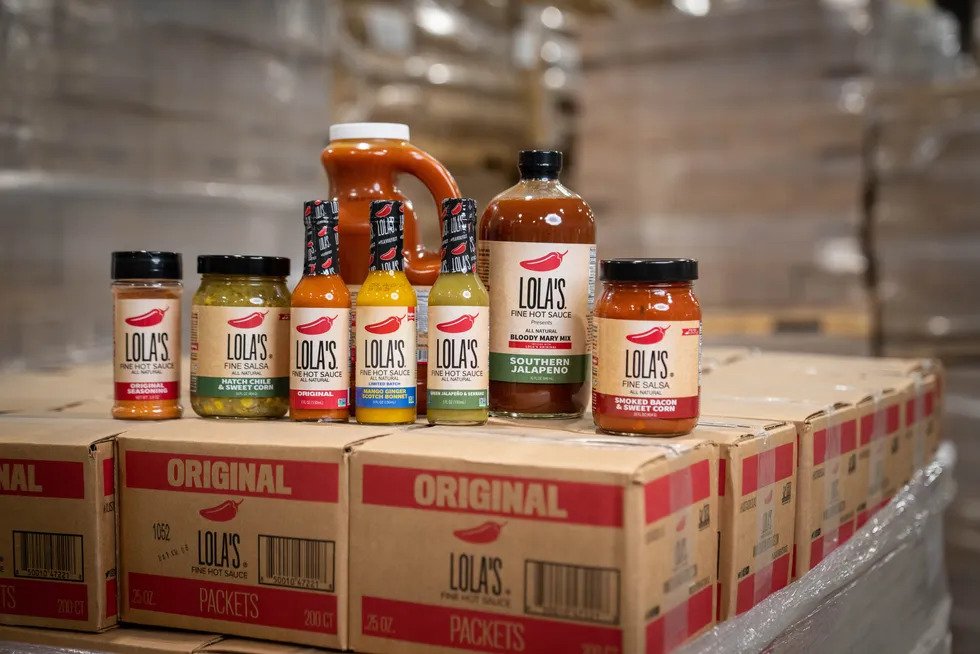
Today, Lola’s Fine Hot Sauce is available in over 14,000 locations, a testament to their unwavering commitment to quality and taste.

First-Ever National Asian-Filipino-Owned Hot Sauce Brand

The mission of Lola’s Fine Hot Sauce is to provide a truly unique hot sauce for everyone to enjoy. Their hot sauce is made from the freshest ingredients and includes a blend of the world’s most unique peppers for a delectable experience. Their sauces are meant to enhance your dishes with delightful flavor, not just intense heat.

Their recent milestone of landing in over 3,600 Walgreens stores across the country makes them the first-ever national Asian-Filipino-owned hot sauce brand in the United States.

The legacy of Lola’s Fine Hot Sauce extends far beyond being a mere condiment. It serves as a symbol of family heritage, the fusion of diverse cultures, and the realization of the American dream.

CONNECT WITH LOLA’S FINE HOT SAUCE

Instagram: @LolasFineHotSauce 

Website: lolasfinehotsauce.com 

News

Filipino Couple Started a Small Business to Support Autism in the Philippines

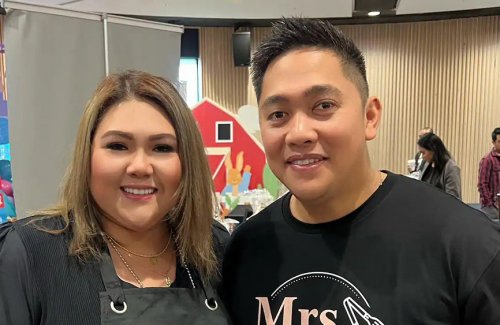
Amidst a worldwide lockdown, Chris and Minette Sales, a Filipino couple living in Australia, found a way to help families back in the Philippines who are dealing with autism. Their small business, Mrs. Market, helps groups that support people with autism.

Their journey began when their twin sons were diagnosed with autism. Living in Australia gave them access to much-needed help for their children. But Minette, being a Filipino, wanted to share this kind of support with families in the Philippines.

Their business, Mrs. Market, started because their children had special dietary needs. They decided to use this as an opportunity to give back. Some of their profits go to organizations in the Philippines that help people with autism.

Image Source: Mrs. Market

Chris, a nurse, already had a feeling that their sons were behind in their development. He told Minette that they needed to face the challenge together and be the best parents for their kids. They run their small business with support from Minette’s mom, who’s also a nurse, and their friends who help when they can.

Mrs. Market is part of a community in Melbourne that supports Filipino business owners. The Sari-Sari Success community started during the lockdown and has become a place where Filipinos can share their experiences as entrepreneurs. It’s all about helping each other succeed, build networks, and make new friends.

Featured Image Source: SBS Filipino

News

Candles with a Twist: Asian Scents Co. Delights with Asian-Inspired Fragrances

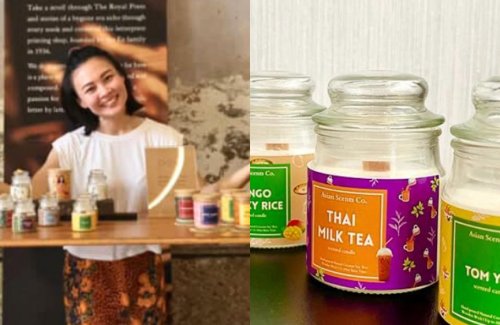
Candles have transcended their traditional use and have become a cherished everyday luxury in Malaysia. The candle-making industry has witnessed a surge in recent years, with numerous brands emerging across the country. Among these, one brand stands out for its unique twist on the classic candle experience – Asian Scents Co.

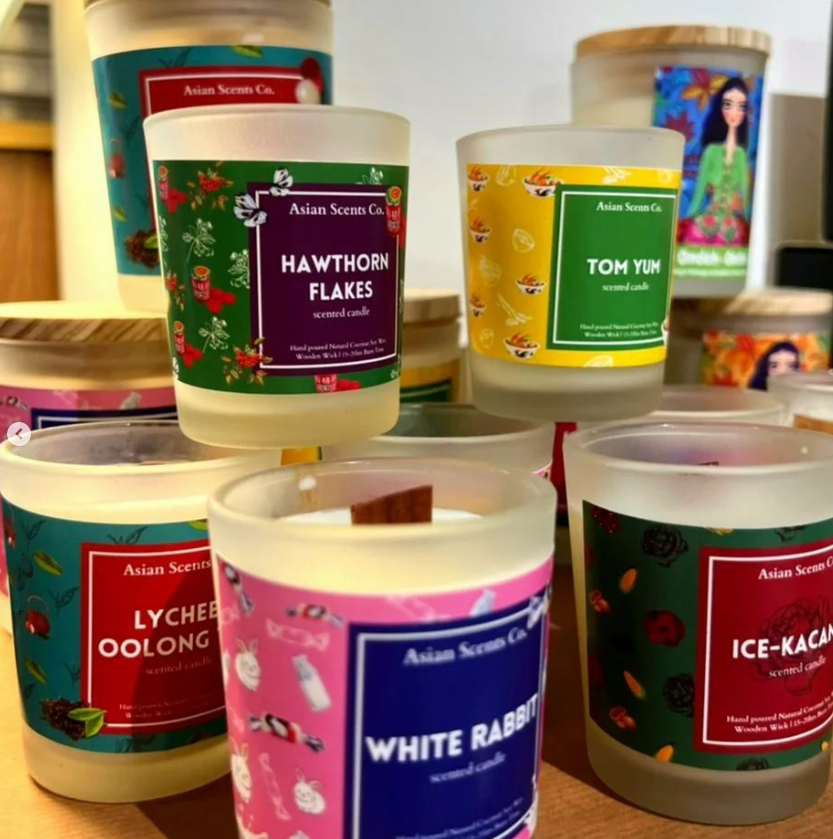
Unlike typical candle makers that focus solely on scents, Asian Scents Co. takes a novel approach. They offer a range of candles inspired by Asian culture and flavors that will tantalize not only your olfactory senses but also evoke a sense of nostalgia and wanderlust. From Boba Milk Tea to White Rabbit Candy, and even the distinctive Tiger Balm scent, Asian Scents Co. offers a diverse selection that goes beyond the ordinary.

Image Source: Asian Scents Co.

The brain behind this aromatic venture is Audrey Hon, whose journey began with homesickness while living in Melbourne, far from her Malaysian roots. As the pandemic kept her away from her homeland, she found solace in crafting scented candles. What started as a therapeutic hobby soon turned into a business, driven by the shared nostalgia her candles evoked among friends living abroad.

Audrey started with an initial investment of approximately $24,000, sourced from her personal savings and family support. The candles, crafted from premium natural coconut soy wax, wooden wicks, and high-quality fragrance oils, promise clean and toxin-free burning. She left her corporate job to devote herself fully to the brand, a bold move that paid off as international orders began pouring in from Europe and the US.

Asian Scents Co. has strategically positioned itself in the market by offering a unique blend of scents that celebrate Asian culture. Their portfolio includes a diverse range of options, available as candles, air fresheners, reed diffusers, and linen sprays, with prices ranging from $4 to $20. Customers can choose between travel-sized and full-sized candles, and the brand even offers gift sets.

As the global scented candles market continues to grow, with a projected value of $9.5 billion by 2028, the candle-making industry presents a promising avenue. However, with rising competition, brands need to differentiate themselves. Asian Scents Co. has done just that by tapping into the universal love for food and nostalgia, delivering a unique sensory experience that resonates not only with Malaysians but also with individuals worldwide who share an appreciation for Asian culture and flavors.

Featured Image Source: Asian Scents Co.