Awaken* newsletter

August 1, 2024

SHARE:

If you have followed the news in any capacity over the last few years, you have undoubtedly heard about LLMs, and the companies building these models. Though the consumer-facing models from companies such as Open AI have captured the hearts and minds of the public, enterprises have different concerns–things such as data privacy, and model reliability.

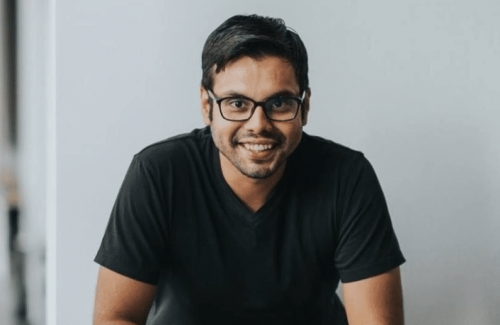
Enter Cohere, a company developing LLMs to address these issues. Started in 2019, Cohere partners with companies such as McKinsey, Oracle, and all the hyperscalers, and boasts a valuation of $5.5 billion. I sat down with one of the co-founders, Ivan Zhang, to talk about his journey.

TLDR; Key Takeaways

If you only have a few minutes, here are a few golden nuggets from my conversation with Ivan:

  • Sales should be customer-centric. This seems obvious, but have you ever started a sales conversation by talking about your product? Instead, try starting the conversation by asking your customer about their pain points, and then addressing them.
  • Data will be a bottleneck for AI development. Not in the sense that we will run out of internet to train on, but rather that there are types of data which we don’t have a lot of published datasets for. 
  • Your startup doesn’t have to be in the Bay to succeed. Cohere is headquartered in Toronto. This works for them because VCs are more open to remote work after the pandemic and Toronto has a lot of budding technical talent.
  • A key signal to look for when hiring is mastery in any domain. Learning how to master something is fairly transferable. Masters in one domain can likely become masters in another.
  • Being the lone Asian in a leadership room takes some time to adjust to. Getting more reps in has helped Ivan get used to his position.

Tell me about your upbringing, what pushed you to become a hacker?

I was born in Shenzhen, China, and moved to Toronto when I was eight. As a kid, I was always on the computer, even in China, playing the most random arcade games. I don’t want to paint Asians with a broad stroke, but if you’re a male Asian person who has been to high school in the past decade, more likely than not, you’ve played a ton of video games. I did that a lot, and I feel like it built a digital tolerance and stamina for sitting in front of a screen for long hours. Gaming was a big part of why I’m so drawn to building things, working really hard, and doing crazy hours in front of a screen. 

When I got to university, I discovered the hackathon community. Every weekend, we would just meet up at random Ontario universities and sometimes U.S. universities. We would build for the whole weekend. Gaming addiction primed me to get really good at software engineering. I spent my entire first year going to hackathons, building stuff on the side. I had this realization that I could be spending 18 hours playing League of Legends, or I could use the same energy to build stuff, which is also very fun and not as frustrating as a solo queue. It felt like a natural progression.

How has your role within Cohere changed as the company has grown?

When you’re in a startup, your role tends to evolve a lot. That’s been especially true for my time at Cohere. When we started, I was hands-on coding every day, building some of our early systems and pipelines. Eventually, the company grew, and we hired people. Some of our founders had to step up and do some people management.

Eventually, we hired people managers as well, so I have to do less of that. Nowadays, I’m much more settled. I’d say I spend probably 50% of my time still doing technical stuff like machine learning and data processing. For the other 50%, I spend time with customers, either building new relationships, fostering existing ones, or really bringing in business. I think that’s a big part of a founder’s job, like founder-led sales.

How was the transition to doing sales? Did that come naturally to you?

As someone who spent most of my time as the most backend of backend developers, it was definitely uncomfortable at first. When you think about sales, you might think of a business guy with a suit trying to convince someone to give you money for stuff. But when I started doing it more and more, it ended up being about genuinely trying to learn more about your customers, asking them good questions, and figuring out what issues they have. It’s honestly the most important thing you could do. Why are you building anything if you don’t know what your customers want? 

Sales has been super fun because it informs my technical work. I’m starting to see patterns across these conversations, which help inform what we should focus on. Another aspect is that as a founder, when you’re doing sales, you’re meeting executives and other founders as well–so you’re building good professional relationships. For anyone who’s new to it, you should expect some discomfort. But, like anything, you just learn to do it.

Why did you guys decide to focus on enterprise?

The enterprise market is often seen as boring, but actually, most of the world’s efficiency will come from automating a lot of these back-end use cases that don’t necessarily need human potential. A lot of these tasks we’re automating don’t need a well-educated human being sitting at a computer for eight hours a day. We’re much more interested in unlocking that human time for something else. Enterprise is where a lot of this kind of work is done. For example, Oracle is one of our customers, and they’ve deployed our models into their NetSuite features. So, a ton of HR and ERP use cases are now powered by our models. Our mission is scaling intelligence to serve humanity, and what better way to do it than to target the people doing this kind of back-end work at scale? 

We also liked the idea of not having to suck up all of our customers’ data to train these models. In enterprise, we actually ship our models on-prem and we air gap them, so we don’t see any of our customers’ data. In those kinds of scenarios, we have to build our models slightly differently. We have to teach our models to use the enterprise’s internal knowledge bases, use the information returned from these knowledge bases, and then write an answer and cite it. This is all RAG (retrieval augmented generation), which is what we’re focused on because we deploy these models in this air-gapped environment where we can’t continuously suck up people’s usage data. We still have an API and a demo, but the majority of our deployments are on-premise.

What are some areas of AI, whether infrastructure or application, that you think more people should be building in?

I think there will be a bottleneck in terms of training data, but not in the way it’s currently been communicated to the public. Some people paint a picture that we’ll run out of the internet to scrape. I think that’s a naive understanding of how these models work and how to train them. In terms of capturing digital signals—thoughts, demonstrations, audio, video, images, sensory data—there’s going to be a big bottleneck in capturing data from the world that’s not already represented on the internet. The internet does a good job of capturing data and it grows exponentially every year, but there’s information about the world that we experience on a daily basis.

Do you mean information that isn’t easily digitally representable, such as smell?

Yeah, so smell for example–we’d have to build this hypersensitive chemical detector. So if we want autonomous interactive robots in the real world that can smell, there is an information problem we have to solve for the robots, right? They don’t have a nose; we don’t have a great digital nose for them. And I’m sure there’s other stuff.

Why have you decided to keep Cohere headquartered in Toronto instead of the Bay Area?

The three of us co-founders just really like living in Toronto. We grew up here, we have roots here. We also realized that it is actually a pretty great city for A.I. At some point in time, most of the people leading A.I. in the Valley came from Toronto. They came from Jeff Hinton’s lab at the University of Toronto. So there’s a ton of great early talent here. And I think because of how the VC attitude has shifted since the pandemic, investors are investing everywhere. They aren’t restricting investments to the Valley. Remote work is a thing now. And so luckily for us, we’ve been able to raise successfully. We’ve been able to build good models. 
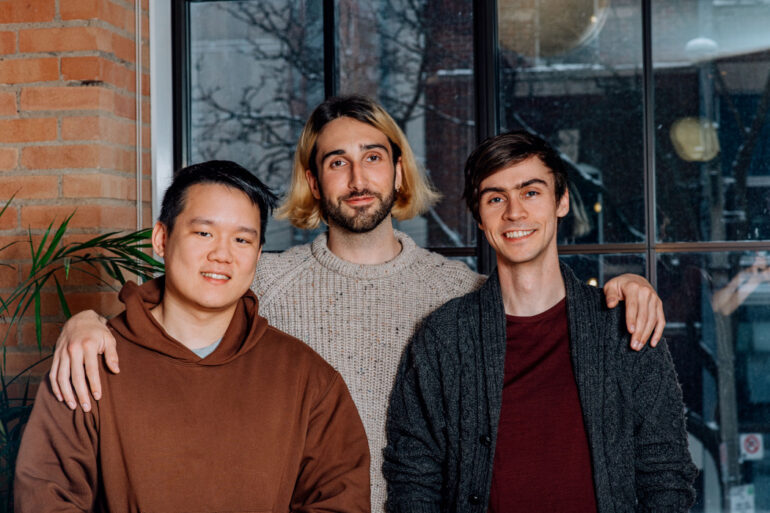
I’ve heard that you don’t pursue brand-name resumes when hiring. What are some signals that you look at instead of pedigree that indicate someone could be a great hire?

I’ve thought about this a lot. I try to think about my own trajectory and places that have rejected me and what signals they didn’t see. What it comes down to is that I look for folks who are extremely skilled at something. Once you’re skilled at something, you can take that anywhere else. Sometimes we want to hire more experienced folks, for sure. But especially in a field like ours where disciplines such as pre-training haven’t been around long enough for anyone to have much experience, you want high-energy, high-autonomy individuals who are excited to learn, experiment, and fail fast.

I try to ask a few questions that probe at stuff related to this. Like, “What’s the coolest thing you’ve worked on?” Then I get to see if they’re going into a lot of detail and are really excited about this random thing. “What’s the hardest you’ve worked on anything?” I want to see if they can go the equivalent of 16 hours a day, seven days a week when they’ve actually gone to bat for something. And then obviously, experience in the field is definitely a big plus, but honestly, the best hires we’ve made have just been high-energy, hardworking, genuinely curious people who are also skilled at software engineering.

How has being Asian impacted your founder’s journey?

I’m not ignorant of it. I definitely know it’s a thing. For example, on my board, I’m the only Asian guy on it. But I’ve been fortunate in that, growing up in Toronto and starting this company in Toronto, it’s not that weird to be an Asian guy in tech. So on the technical front, I don’t see it as a hindrance whatsoever. But it’s definitely been a factor for my own comfort in leadership situations–being the only person that looks like me in certain situations. But honestly, once I got the reps in, being in those situations, it was totally fine. And I think there are a few things that, depending on how you were raised, could affect you in doing business at the leadership level here. But generally, once you get the reps in, it doesn’t even matter.

Is there anything you’d like to shout out?

I’d like to shoutout my wife, she’s a big inspiration for me. Shoutouts to my mom, my dad, my sister. I think my parents taught me what it means to work really hard. I think this is true for many of us immigrants, watching our parents and grandparents work the most menial labor jobs just so we can be fed and go to school. It’s super inspiring. It makes me think: Why am I not working harder? Why am I not thinking about how I can level up and help them retire? My family has been a big inspiration to me. Lastly, shoutouts to Cohere and my co-founders. It’s been super fun, and I’m privileged to be working on this tech. I think it’s genuinely the most interesting thing I could be doing right now.

If you are high-energy, hardworking, and highly curious about AI, please consider applying to work with Ivan at Cohere! You can check out available positions at this link.

Thank you for joining us, Ivan!
Related Articles

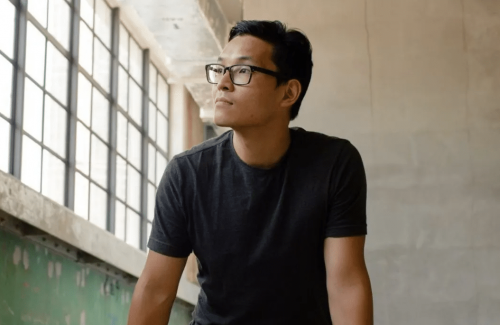
Walden Lam

Awaken* newsletter

From Hong Kong to Silicon Valley: Unspun’s Journey to Revolutionize Sustainable Fashion

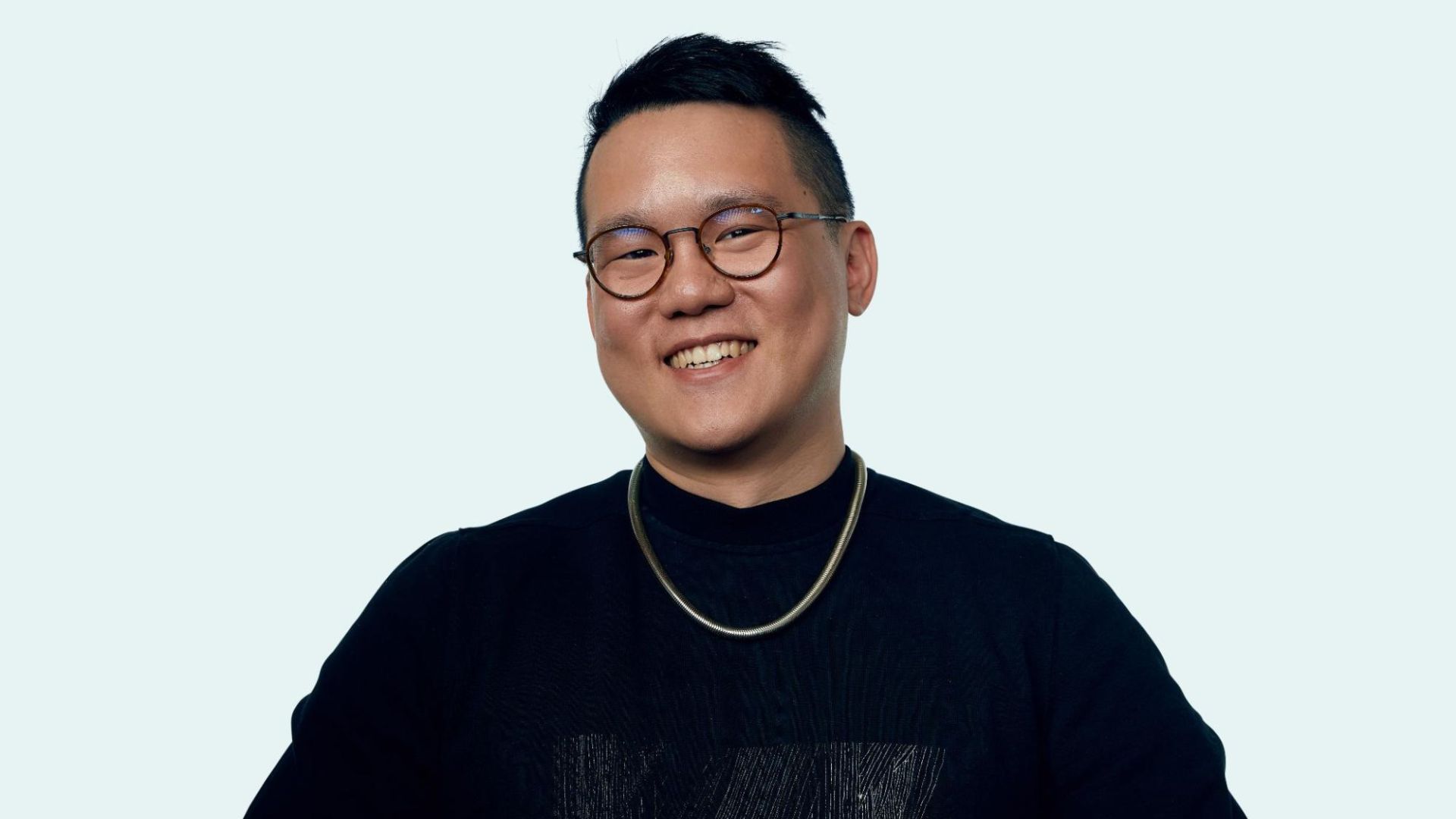
In this interview, we delve into the inspiring journey of Walden Lam, the co-founder of Unspun, a company on a mission to revolutionize the fashion industry through sustainable practices and innovative technology. Walden shares his story, from his early exposure to manufacturing in Hong Kong to the challenges of raising capital for a deep-tech venture in Silicon Valley. He discusses the initial years of Unspun, the complexities of operating a global supply chain, and his vision for the future. Walden also reflects on how his Asian heritage has influenced his entrepreneurial journey and offers valuable advice for young entrepreneurs.

HanYue: Tell us about how Unspun was started. 

Walden: I grew up in Hong Kong, in a family that did manufacturing, so I always had exposure to that. I graduated undergrad during the financial crisis, which forced me to reconsider my career paths. My initial projects out of undergrad were climate-related, exposing me to the complex problems and the structured, yet often inflexible, approaches usually taken in strategy consulting. 

HanYue: What were the first 2-3 years of Unspun like? 

Walden: My journey to the GSB was fueled by hypotheses about consumer-facing ventures. Just weeks before graduation, I learned through a Design school blast about a co-founder opportunity that aimed to bring additive manufacturing (like 3D printing) to commercial applications. This meeting, where I saw a desktop mockup, changed the trajectory of my life. Every Silicon Valley VC then was really scared of “deep-tech” companies, it was a hard time raising capital for what we wanted to do.

HanYue: What was it like to operate a company that has operations on both coasts? 

Walden: In the early years, Unspun resembled an R&D company, keeping our product development under wraps until late 2022. After going through a hardware accelerator and securing government grants, we spent our initial months in Shenzhen and Hong Kong, leveraging the good manufacturing ecosystem. Operating on both coasts highlighted the benefits of a global supply chain, essential for managing garment production still predominantly based in Asia, but processed globally.

HanYue: What is next for Unspun? What is your vision? 

Walden: Our unwavering vision focuses on reducing emissions globally—a significant challenge given the industry’s varied estimates on emission impacts, ranging from 4-9%. Our goal is not just to be a standalone brand but to influence the industry by integrating lower-impact practices into their manufacturing practices. We’re starting with basic products and gradually expanding into more refined and performance-oriented categories, aiming to transform efficiency and cost into a platform beneficial for all.

HanYue: How has being Asian influenced your entrepreneurship journey? 

Walden: Growing up in Hong Kong has shaped my approach to both life and business. It has fostered a curiosity and a desire to break out of local confines, driving me to pursue opportunities abroad. I always raise my hand when it comes to getting out of my own environment. Back in my consulting days, I volunteered for a project in Nigeria – my colleagues thought I was crazy. 

But I always had the notion that there’s so much that happens outside your own bubble. This openness has been instrumental in building a company with a flexible, global perspective, partnering with brands and manufacturers across continents. With the company, we now have brand partners in the EU, manufacturing partners in Asia, and capital partners elsewhere. That opened up lots of opportunities. Our goal is to influence a global industry, we need that mindset and curiosity.

HanYue: It sounds like growing up in Hong Kong has given you open-mindedness and the courage that you are not afraid to deal with people and environments different from yours. That is VERY precious. What advice would you give to young entrepreneurs these days? 

Walden: My advice for young entrepreneurs is to adopt a long-term perspective. Do not be afraid of having a contrarian view.  We are really focused on building a cross-generational company that endures and transcends time. 

Another piece is to think more like an architect of your own company, and less about your individual contribution, hopefully charting a course for the company that can sustain you, you don’t have to do everything all by yourself.

HanYue: That’s a really insightful take. Where can we find Unspun jeans now? 

Walden: You can find more about us at unspun.io, where you can shop for our customized jeans online. We also launched a small collection at NY Fashion Week, which is still available. 

As Unspun continues to push the boundaries of sustainable fashion, Walden Lam’s journey serves as a testament to the power of innovation and global collaboration. Keep an eye on Unspun as they strive to reshape the industry, one custom pair of jeans at a time.

Stories

Sophia Li Unites Two Cultures for Climate Action and Social Advocacy

AHN and Meta Prosper have partnered on a new podcast series highlighting API creators. Meta Prosper is dedicated to amplifying and supporting the API community and driving economic growth and equitable representation. The Creators Podcast series delivers stories on how creators achieved success and created impact through their platforms, serving as an inspiration for the community.

In the fourth episode of Creators Podcast, we embark on an empowering journey as AHN and Meta Prosper sit down with Sophia Li, a phenomenal Chinese American journalist, climate advocate, and public speaker. In this episode, Sophia Li addresses her cultural heritage and how she raises awareness of complicated subjects including climate justice, civil rights, and technology with ease. 

Even though Sophia was born and raised in the US, she spent two years of childhood with her grandparents in Shandong, China before returning to the US for preschool. Her adjustment to the US culture, along with Buddhist influence throughout childhood, has turned her cross-cultural journeys and wisdom into impact, bridging the two worlds apart into one globally mutual cause – sustainability. 

Sophia has always been a social advocate. After graduating with a Bachelor of Arts in Fashion Design and Merchandising, her paper on cotton globalization enabled her to receive a $2,000 grant from Cotton Inc., travel the world for fashion studies, and land a four-year position at Vogue.

Now, leveraging her platform and knowledge, she co-founded STEWARD, a project that emphasizes sustainability in the world of Web3 while serving as the co-chair of the World Economic Forum’s Web3 Sustainability Coalition. 

Moreover, Sophia does not stop at climate change but she’s also a vocal advocate for social justice. Sophia is an official United Nations Human Rights Champion and a strong supporter of the #StopAsianHate movement and youth education. 

Listen to the Creators Podcast featuring Sophia Li here.

CONNECT WITH SOPHIA LI

Instagram: @sophfei

Website: sophfei.com

image1-png

Awaken* newsletter

Transforming the Future of Work: An Insightful Conversation with JJ on Entrepreneurship, Innovation, and Personal Growth

In this candid conversation, JJ reflects on his remarkable journey, from gaining admission to Stanford GSB to founding Onloop. He discusses his proudest achievements, the challenges of building a pioneering company, and the invaluable lessons learned along the way. JJ also shares his vision for Onloop in the evolving landscape of remote work and generative AI, his approach to angel investing, and offers insightful advice for aspiring entrepreneurs. Join us as we delve into the experiences and insights of a trailblazing entrepreneur committed to transforming the future of work.

HanYue: You have accomplished a lot in your career. What’s your proudest achievement so far?

JJ: My proudest achievement remains getting into the Stanford GSB MBA program. Before Stanford, I had spent my entire life in Asia. Moving to Stanford marked a significant shift in both my career and personal development. Immersing myself in the challenging yet enriching environment of the Bay Area was transformative, and I just returned there for my 10-year reunion.

HanYue: Can you tell us about the origins of Onloop?

JJ: Onloop originated from personal frustrations I encountered while managing teams at Uber for 3.5 years, especially with inefficient HR processes. This led to extreme frustration with the outdated systems. After leaving Uber in September 2019, I started OnLoop to solve some of these frustrations. We developed our first product around changing how performance reviews get done using GPT3 in early 2021. We’ve come a long way building out our platform and focused on helping every manager become a great manager using habit-forming technology and applied AI It’s been an exhilarating journey, shaping a company that contributes to the evolving future of work landscape especially given all the transformative impact of distributed & hybrid work as well as the maturity of large language models (LLMs).

HanYue: What have you learned from building Onloop?

JJ: Building Onloop has taught me that a founder’s longevity hinges on their conviction in their mission and the people they surround themselves with. Pioneering in any field is incredibly challenging—far more so than creating a copycat startup. Jensen Huang famously said he’d say ‘hell no’ if asked to do it all over again. The world resists change, and you must consistently challenge the status quo. 

Growing up in an Asian household where academic success was prioritized and entrepreneurship was uncommon, taking a non-salary path wasn’t easy. This background often amplifies the voices of doubt during challenging times, yet confidence and eloquence are the most significant drivers of success in the early days. 

Life in your late 30s and 40s has many more responsibilities with respect to family so it’s not always easy to take the plunge, but the learning experience from entrepreneurship is absolutely invaluable. I’m better off for it, even if things don’t pan out as expected. Starting a company is like becoming a parent—it’s a transformative experience that teaches you new ways to live.

HanYue: What’s your vision for Onloop?

JJ: Our vision at Onloop is to help knowledge workers fully realize their potential during this era of significant transformation. The rise of remote work and the advent of generative AI—akin to an industrial revolution for knowledge workers—presents new challenges and opportunities. We aim to help these professionals optimize their careers in a rapidly changing environment. The knowledge work sector is vast and often influenced by chance, especially in job placement – knowledge worker wages are a multi-trillion dollar asset class allocated by chance. My goal is to develop and disseminate optimal strategies for knowledge workers, enabling them to seize the best opportunities available.

HanYue: Tell me about your angel investing career and how it impacts your entrepreneurship journey.

JJ: I don’t subscribe to the notion of work-life balance but prefer to maintain a purpose portfolio, which currently includes my family, OnLoop, and enhancing Singapore’s status as a global hub, especially for highly innovative companies. My approach to angel investing focuses more on the people than the ideas themselves, reinforcing my belief that the right people drive success. And I apply this same principle in my work with other CEOs and founders.

While I believe any manager can become great with the right support, a CEO doesn’t have a direct manager, making coaching essential. I therefore coach a handful of founder CEOs and  this interaction offers mutual learning opportunities and enhances my own growth as a CEO/founder 

Talking about angel investing, it isn’t just for the rich and wealthy. I have made six investments so far in the range of US$1,000 through syndicates to US$15,000 in certain founders that I know personally. I have learned that while my bets on ideas have failed, my bets on people have not. This supports my hypothesis that early-stage investing is 80% about the founding team. 

Lastly, having become a Singaporean last year, I feel even more committed to the Singaporean ecosystem and proud to build in it.

HanYue: Advice for young entrepreneurs these days? 

JJ: When I was single and enjoyed partying, I never imagined I’d find myself here today. People seek pleasure when they lack purpose, as Victor Frankl famously spoke about. Today, living a life of purpose is crucial for happiness — it involves engaging in activities that you deeply enjoy and believe are your calling. This philosophy has guided both my personal and professional life and serves as my constant motivation. 

JJ’s journey exemplifies the blend of purpose and innovation needed to navigate the evolving landscape of modern work. His insights into entrepreneurship, the importance of mission-driven leadership, and the power of transformative technology offer invaluable guidance for the next generation of innovators.

{"ARInfo":{"IsUseAR":false},"Version":"1.0.0","MakeupInfo":{"IsUseMakeup":false},"FaceliftInfo":{"IsChangeEyeLift":true,"IsChangeFacelift":false,"IsChangePostureLift":false,"IsChangeNose":false,"IsChangeFaceChin":false,"IsChangeMouth":false,"IsChangeThinFace":false},"BeautyInfo":{"SwitchMedicatedAcne":false,"IsAIBeauty":false,"IsBrightEyes":false,"IsSharpen":false,"IsOldBeauty":false,"IsReduceBlackEyes":false},"HandlerInfo":{"AppName":2},"FilterInfo":{"IsUseFilter":false}}

Stories

How Benny Yap and Jae Tan Drive TGFX Agency’s Success

Benny Yap and Jae Tan are not just co-founders of TGFX Agency; they are a powerhouse duo transforming businesses through innovative branding and marketing.

Benny Yap, a seasoned entrepreneur, is renowned for his outstanding achievements in the marketing and advertising industry. His expertise encompasses advertising, branding, illustration, and ideation. Benny Yap’s leadership and artistic vision play a pivotal role in shaping TGFX’s distinctive approach to branding and marketing, driving its success.

Jae Tan is a dedicated and results-driven entrepreneur with over a decade of experience in branding, web development, and video production. Under his strategic guidance and leadership, Jae has propelled TGFX to unprecedented success.

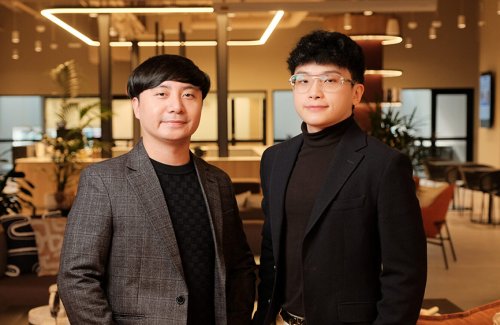
Jae Tan (left) and Benny Yap in a meeting.

In an exclusive interview with Asian Hustle Network, Benny and Jae share their journey, challenges, and insights, offering a glimpse into the dynamic partnership driving TGFX. Read on to discover how they are transforming brands and making a lasting impact on the marketing industry.

EARLY CAREER AND THE BIRTH OF TGFX

Benny Yap and Jae Tan both studied graphic design and advertising and initially met through a design project. This collaboration not only brought them together as best friends but also sparked the idea of starting a business together. They realized that by combining their forces—their creativity and design skills—they could tackle the business world more effectively as a team. This shared vision and partnership led them to start TGFX.

OVERCOMING INITIAL CHALLENGES

Benny and Jae faced significant challenges when starting TGFX, especially during the COVID period. One of the biggest hurdles was adapting their business model. Initially, they focused on one-off jobs, but they soon realized the need for stability and consistent cash flow.

They decided to pivot to a retainer basis, particularly in social media marketing. This shift not only helped them navigate through a difficult time but also allowed them to build stronger, long-term relationships with their clients.

DYNAMIC PARTNERSHIP

As co-founders, Benny and Jae complement each other perfectly in running TGFX. Benny, previously from BBDO Advertising agency, brings a wealth of creativity and innovative ideas, driving the creative direction and ensuring the campaigns are cutting-edge, Meanwhile, Jae excels in managing operations and strategic planning, providing a solid foundation for the business. This dynamic allows them to leverage their individual strengths, resulting in a well-balanced and effective partnership.

TGFX’S MISSION AND CORE VALUES

TGFX’s mission is to help businesses across Australia succeed and thrive. Their core values include providing world-class services and being recognized as one of the best and most innovative agencies in Australia. They emphasize treating clients like family and growing alongside them, fostering strong, long-term relationships built on trust and mutual success. 

INDUSTRY-SPECIFIC CHALLENGES

Having worked with numerous businesses across various industries, TGFX encounters several industry-specific challenges. Key issues include maintaining brand consistency, attracting the right customers, and building a loyal customer base.

TGFX addresses these challenges by tackling each core issue one day at a time and maintaining consistency in everything they do for the brand. This methodical and dedicated approach helps their clients overcome obstacles and achieve long-term success.

IMPACT ON THE ASIAN COMMUNITY

As entrepreneurs with roots in the Asian community, Benny and Jae see TGFX Agency as having a significant impact and contribution to this community. With 80% of their clientele being Asian-owned businesses, TGFX Agency is dedicated to helping the Asian business community in Australia thrive. By providing tailored branding and marketing strategies, they support these businesses in achieving success and growth.

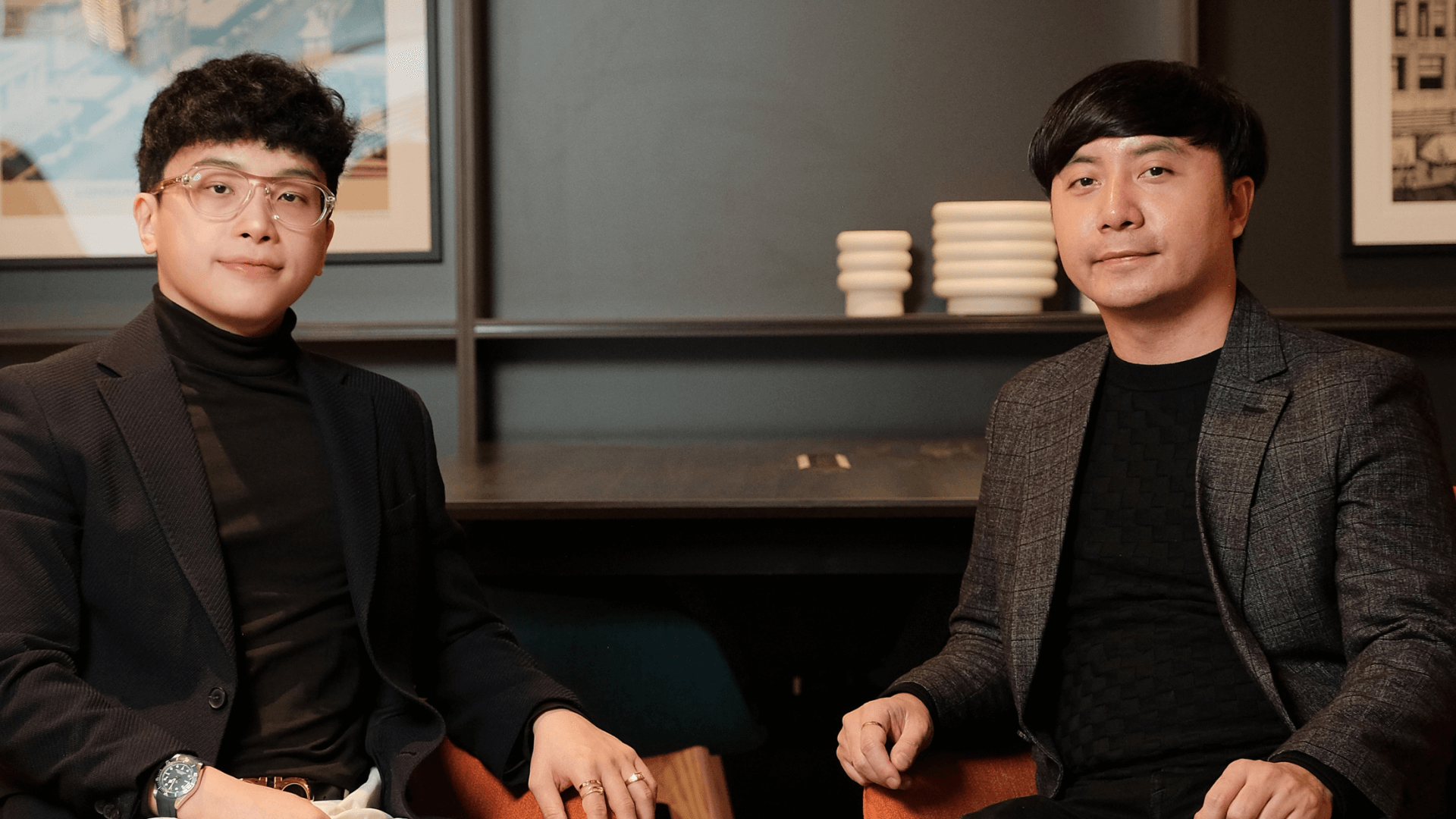
Jae Tan (left) and Benny Yap
With TGFX, the duo aim to uplift Asian businesses in Australia.

ADVICE FOR ASPIRING ENTREPRENEURS

Benny and Jae emphasize the importance of adding value to the marketplace. Aspiring entrepreneurs should understand their consumers’ needs and preferences thoroughly, conduct extensive market research, and stay attuned to industry trends and client feedback.

“Persistence is key—never give up, even when faced with challenges. Building a successful agency requires resilience, continuous learning, and an unwavering commitment to delivering exceptional service and results. In addition to that, our team is the cornerstone of our success. Without their dedication and hard work, we wouldn’t have achieved our current position. Each member plays a crucial role in our accomplishments, bringing unique skills and perspectives that drive our progress forward. We are deeply grateful for their commitment and contribution to our shared goals. Together, we continue to grow and thrive, thanks to their invaluable efforts,” Benny and Jae shared.

Benny Yap (left) and Jae Tan
Benny (left) and Jae highlight persistence, market research, and a strong team as keys to success.

FUTURE VISION AND GOALS

TGFX Agency continually strives to expand into new areas across Australia and different industries, aiming to deliver data-driven results to businesses in need of growth. They are also committed to expanding their Malaysia agency, bringing on new businesses, and growing the team there.

Benny and Jae are excited about the future and look forward to furthering their impact on businesses both locally and internationally. Their advice to others is to stay focused, and consistent, and always strive to add value. Understand your customers’ needs and don’t shy away from innovation.

CONNECT WITH TGFX

Website: tgfx.com.au

Instagram: @tgfx.agency