Awaken* newsletter

August 1, 2024

SHARE:

If you have followed the news in any capacity over the last few years, you have undoubtedly heard about LLMs, and the companies building these models. Though the consumer-facing models from companies such as Open AI have captured the hearts and minds of the public, enterprises have different concerns–things such as data privacy, and model reliability.

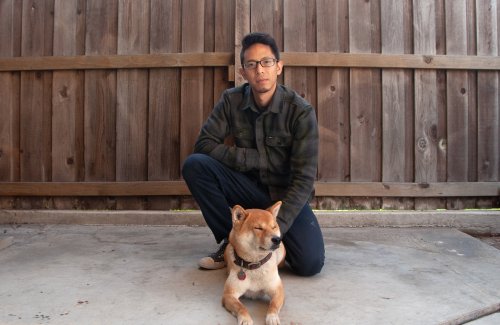
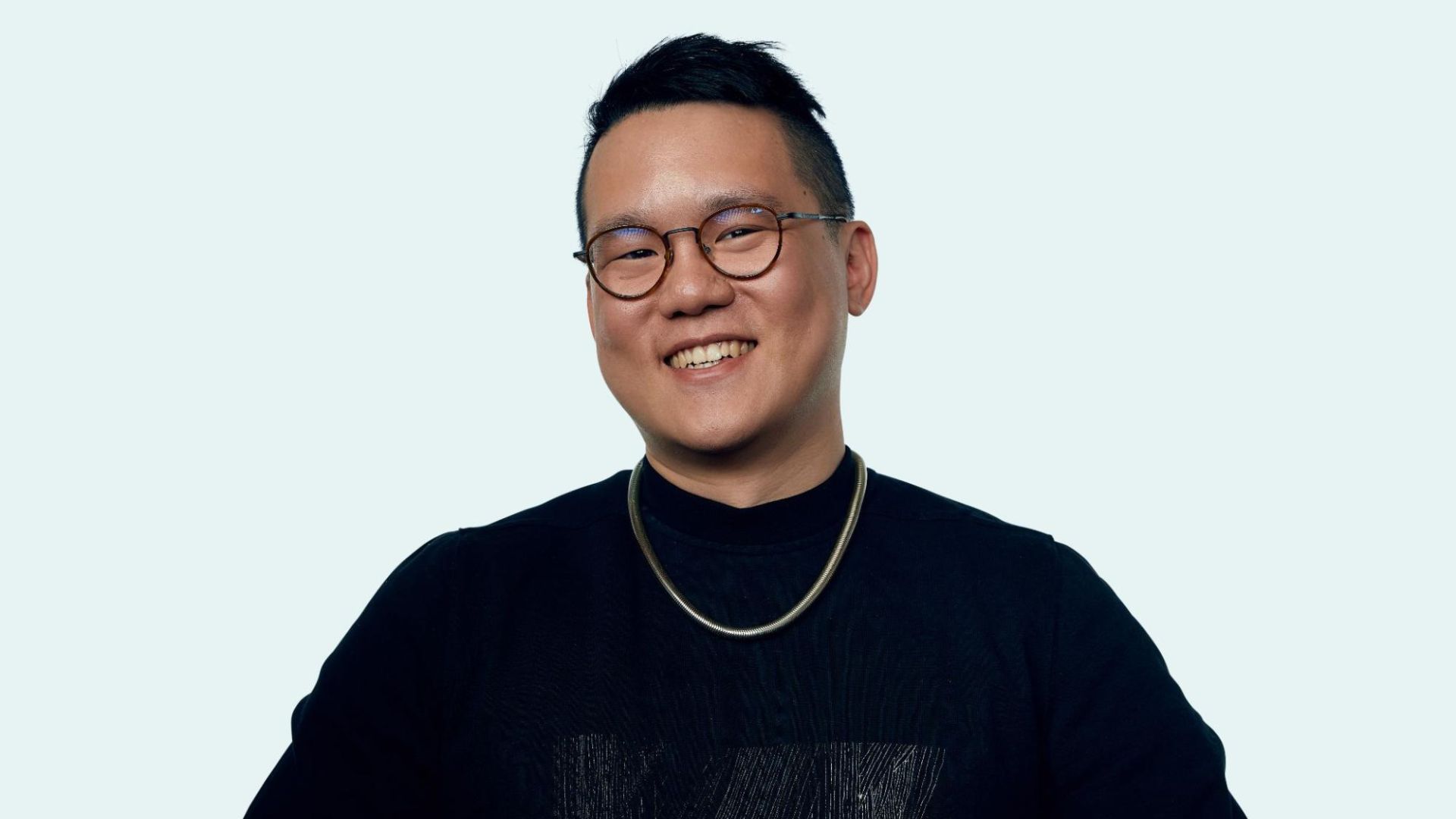
Enter Cohere, a company developing LLMs to address these issues. Started in 2019, Cohere partners with companies such as McKinsey, Oracle, and all the hyperscalers, and boasts a valuation of $5.5 billion. I sat down with one of the co-founders, Ivan Zhang, to talk about his journey.

TLDR; Key Takeaways

If you only have a few minutes, here are a few golden nuggets from my conversation with Ivan:

  • Sales should be customer-centric. This seems obvious, but have you ever started a sales conversation by talking about your product? Instead, try starting the conversation by asking your customer about their pain points, and then addressing them.
  • Data will be a bottleneck for AI development. Not in the sense that we will run out of internet to train on, but rather that there are types of data which we don’t have a lot of published datasets for. 
  • Your startup doesn’t have to be in the Bay to succeed. Cohere is headquartered in Toronto. This works for them because VCs are more open to remote work after the pandemic and Toronto has a lot of budding technical talent.
  • A key signal to look for when hiring is mastery in any domain. Learning how to master something is fairly transferable. Masters in one domain can likely become masters in another.
  • Being the lone Asian in a leadership room takes some time to adjust to. Getting more reps in has helped Ivan get used to his position.

Tell me about your upbringing, what pushed you to become a hacker?

I was born in Shenzhen, China, and moved to Toronto when I was eight. As a kid, I was always on the computer, even in China, playing the most random arcade games. I don’t want to paint Asians with a broad stroke, but if you’re a male Asian person who has been to high school in the past decade, more likely than not, you’ve played a ton of video games. I did that a lot, and I feel like it built a digital tolerance and stamina for sitting in front of a screen for long hours. Gaming was a big part of why I’m so drawn to building things, working really hard, and doing crazy hours in front of a screen. 

When I got to university, I discovered the hackathon community. Every weekend, we would just meet up at random Ontario universities and sometimes U.S. universities. We would build for the whole weekend. Gaming addiction primed me to get really good at software engineering. I spent my entire first year going to hackathons, building stuff on the side. I had this realization that I could be spending 18 hours playing League of Legends, or I could use the same energy to build stuff, which is also very fun and not as frustrating as a solo queue. It felt like a natural progression.

How has your role within Cohere changed as the company has grown?

When you’re in a startup, your role tends to evolve a lot. That’s been especially true for my time at Cohere. When we started, I was hands-on coding every day, building some of our early systems and pipelines. Eventually, the company grew, and we hired people. Some of our founders had to step up and do some people management.

Eventually, we hired people managers as well, so I have to do less of that. Nowadays, I’m much more settled. I’d say I spend probably 50% of my time still doing technical stuff like machine learning and data processing. For the other 50%, I spend time with customers, either building new relationships, fostering existing ones, or really bringing in business. I think that’s a big part of a founder’s job, like founder-led sales.

How was the transition to doing sales? Did that come naturally to you?

As someone who spent most of my time as the most backend of backend developers, it was definitely uncomfortable at first. When you think about sales, you might think of a business guy with a suit trying to convince someone to give you money for stuff. But when I started doing it more and more, it ended up being about genuinely trying to learn more about your customers, asking them good questions, and figuring out what issues they have. It’s honestly the most important thing you could do. Why are you building anything if you don’t know what your customers want? 

Sales has been super fun because it informs my technical work. I’m starting to see patterns across these conversations, which help inform what we should focus on. Another aspect is that as a founder, when you’re doing sales, you’re meeting executives and other founders as well–so you’re building good professional relationships. For anyone who’s new to it, you should expect some discomfort. But, like anything, you just learn to do it.

Why did you guys decide to focus on enterprise?

The enterprise market is often seen as boring, but actually, most of the world’s efficiency will come from automating a lot of these back-end use cases that don’t necessarily need human potential. A lot of these tasks we’re automating don’t need a well-educated human being sitting at a computer for eight hours a day. We’re much more interested in unlocking that human time for something else. Enterprise is where a lot of this kind of work is done. For example, Oracle is one of our customers, and they’ve deployed our models into their NetSuite features. So, a ton of HR and ERP use cases are now powered by our models. Our mission is scaling intelligence to serve humanity, and what better way to do it than to target the people doing this kind of back-end work at scale? 

We also liked the idea of not having to suck up all of our customers’ data to train these models. In enterprise, we actually ship our models on-prem and we air gap them, so we don’t see any of our customers’ data. In those kinds of scenarios, we have to build our models slightly differently. We have to teach our models to use the enterprise’s internal knowledge bases, use the information returned from these knowledge bases, and then write an answer and cite it. This is all RAG (retrieval augmented generation), which is what we’re focused on because we deploy these models in this air-gapped environment where we can’t continuously suck up people’s usage data. We still have an API and a demo, but the majority of our deployments are on-premise.

What are some areas of AI, whether infrastructure or application, that you think more people should be building in?

I think there will be a bottleneck in terms of training data, but not in the way it’s currently been communicated to the public. Some people paint a picture that we’ll run out of the internet to scrape. I think that’s a naive understanding of how these models work and how to train them. In terms of capturing digital signals—thoughts, demonstrations, audio, video, images, sensory data—there’s going to be a big bottleneck in capturing data from the world that’s not already represented on the internet. The internet does a good job of capturing data and it grows exponentially every year, but there’s information about the world that we experience on a daily basis.

Do you mean information that isn’t easily digitally representable, such as smell?

Yeah, so smell for example–we’d have to build this hypersensitive chemical detector. So if we want autonomous interactive robots in the real world that can smell, there is an information problem we have to solve for the robots, right? They don’t have a nose; we don’t have a great digital nose for them. And I’m sure there’s other stuff.

Why have you decided to keep Cohere headquartered in Toronto instead of the Bay Area?

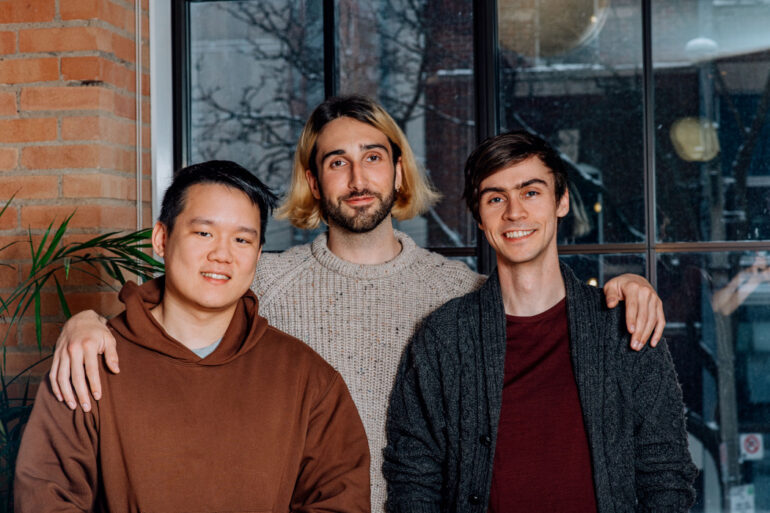
The three of us co-founders just really like living in Toronto. We grew up here, we have roots here. We also realized that it is actually a pretty great city for A.I. At some point in time, most of the people leading A.I. in the Valley came from Toronto. They came from Jeff Hinton’s lab at the University of Toronto. So there’s a ton of great early talent here. And I think because of how the VC attitude has shifted since the pandemic, investors are investing everywhere. They aren’t restricting investments to the Valley. Remote work is a thing now. And so luckily for us, we’ve been able to raise successfully. We’ve been able to build good models. 
I’ve heard that you don’t pursue brand-name resumes when hiring. What are some signals that you look at instead of pedigree that indicate someone could be a great hire?

I’ve thought about this a lot. I try to think about my own trajectory and places that have rejected me and what signals they didn’t see. What it comes down to is that I look for folks who are extremely skilled at something. Once you’re skilled at something, you can take that anywhere else. Sometimes we want to hire more experienced folks, for sure. But especially in a field like ours where disciplines such as pre-training haven’t been around long enough for anyone to have much experience, you want high-energy, high-autonomy individuals who are excited to learn, experiment, and fail fast.

I try to ask a few questions that probe at stuff related to this. Like, “What’s the coolest thing you’ve worked on?” Then I get to see if they’re going into a lot of detail and are really excited about this random thing. “What’s the hardest you’ve worked on anything?” I want to see if they can go the equivalent of 16 hours a day, seven days a week when they’ve actually gone to bat for something. And then obviously, experience in the field is definitely a big plus, but honestly, the best hires we’ve made have just been high-energy, hardworking, genuinely curious people who are also skilled at software engineering.

How has being Asian impacted your founder’s journey?

I’m not ignorant of it. I definitely know it’s a thing. For example, on my board, I’m the only Asian guy on it. But I’ve been fortunate in that, growing up in Toronto and starting this company in Toronto, it’s not that weird to be an Asian guy in tech. So on the technical front, I don’t see it as a hindrance whatsoever. But it’s definitely been a factor for my own comfort in leadership situations–being the only person that looks like me in certain situations. But honestly, once I got the reps in, being in those situations, it was totally fine. And I think there are a few things that, depending on how you were raised, could affect you in doing business at the leadership level here. But generally, once you get the reps in, it doesn’t even matter.

Is there anything you’d like to shout out?

I’d like to shoutout my wife, she’s a big inspiration for me. Shoutouts to my mom, my dad, my sister. I think my parents taught me what it means to work really hard. I think this is true for many of us immigrants, watching our parents and grandparents work the most menial labor jobs just so we can be fed and go to school. It’s super inspiring. It makes me think: Why am I not working harder? Why am I not thinking about how I can level up and help them retire? My family has been a big inspiration to me. Lastly, shoutouts to Cohere and my co-founders. It’s been super fun, and I’m privileged to be working on this tech. I think it’s genuinely the most interesting thing I could be doing right now.

If you are high-energy, hardworking, and highly curious about AI, please consider applying to work with Ivan at Cohere! You can check out available positions at this link.

Thank you for joining us, Ivan!

Related Articles

240909_AHN Stories (1)-png

Stories

Dr. Tiffany Moon on Empowering Women Through LeadHer Summit

Do you ever feel like you’re juggling a hundred things at once—your career, family, personal goals—and wonder how to keep it all together?

Dr. Tiffany Moon knows exactly what that’s like. As a mother, doctor, entrepreneur, and advocate for women’s empowerment, she has mastered the art of balancing multiple roles without losing sight of her passions. Not only did she figure out how to manage all these roles, but she’s also thriving in each of them.

Driven by her love for creativity and her desire to inspire others, Dr. Moon ventured into entrepreneurship, launching Aromasthesia Candles and Three Moons Wine. Most recently, she founded LeadHer Summit, a leadership conference designed to uplift and empower women from all different professional backgrounds.

Here’s how Dr. Moon is redefining success by finding joy in balancing her work, passions, and family—while staying true to her authentic self:

The Heart Behind Her Success

Dr. Tiffany Moon’s journey to success was deeply influenced by her immigrant parents, whose sacrifices fueled her ambition. Watching them work tirelessly to create a better life for their family shaped her determination to thrive—not just for herself, but for her twin daughters.

“I saw firsthand the struggles they faced, and I knew I wanted to create a better life for myself and my children,” she reflects.

Driven by this desire, Dr. Moon achieved remarkable milestones early on. By 19, she had graduated from Cornell University, and by 23, she completed medical school, quickly establishing herself as a respected anesthesiologist. However, her goals extended beyond her medical career. She also stepped into entrepreneurship to show her daughters that women can lead, build businesses, and create their own opportunities without sacrificing joy.

“I want my daughters to know that they don’t have to give up parts of themselves to fit into a box others might create for them,” Dr. Moon explains. “Being true to who they are is the most powerful way to lead and succeed.”

Navigating Challenges and Finding Her True Self

Like many of us, Dr. Moon faced pressures to meet the expectations placed on her, both by society and herself. As a first-generation Chinese American, she felt the weight of cultural norms that pushed her to be the perfect daughter, doctor, wife, and mother. This constant striving for perfection left her feeling exhausted and burnt out.

It wasn’t until she took a step back that she realized something needed to change. Through therapy, self-reflection, and surrounding herself with supportive mentors, Dr. Moon learned to let go of the need for perfection and embrace her true self. She began to prioritize her own well-being, and in doing so, she found a sense of freedom and joy that had been missing.

“It was a long process, but it’s something I now advocate for, especially with other women who feel like they have to do it all.“

In her book, Joy Prescriptions, Dr. Moon shares her journey of overcoming perfectionism and embracing vulnerability and authenticity, inspiring others to follow a similar path.

Turning Passion Into Purpose

Beyond medicine, Dr. Moon’s entrepreneurial spirit has flourished. She’s combined her love for creativity and her professional knowledge to launch two successful businesses: Aromasthesia Candles, a line of candles inspired by her medical career, and Three Moons Wine, which she started with her husband. Both ventures reflect her belief that you don’t have to limit yourself or strive for perfection—you can embrace all the different facets of who you are and explore them fully.

But perhaps her most meaningful venture is the LeadHer Summit, a leadership conference dedicated to empowering women across various industries. 

The LeadHer Summit 2024, set to take place from November 8 to 10 at the JW Marriott in Dallas, TX, is designed to inspire women to connect, grow, and take bold steps in their careers and personal lives. 

The 3-day event features keynote sessions, hands-on workshops, and panel discussions led by 25 expert speakers. Attendees will have the opportunity to build meaningful connections through networking opportunities and celebrate in style at the exclusive Glam Gala.

For more information, visit leadhersummit.com

Creating a Legacy for the Next Generation

At the heart of everything Dr. Moon does is her desire to leave a positive legacy for her twin daughters. She wants them to grow up knowing they can chase their dreams and still be true to who they are.

For Dr. Moon, success isn’t about sacrificing joy but about finding purpose in everything you do. Through her own life, she’s inspiring women everywhere to embrace authenticity and live fearlessly, showing that it’s possible to lead with both heart and ambition.

Connect with Dr. Tiffany Moon

Instagram: @leadhersummit @tiffanymoonmd
TikTok: @tiffanymoonmd
Facebook: Tiffany Moon, MD
LinkedIn: Tiffany Moon, MD, FASA

Elegant Cinematic Wedding Thumbnail HD 169-png

News

FaZe Jason Sparks a NewJeans Renaissance, Surpassing 100K Twitch Subscribers

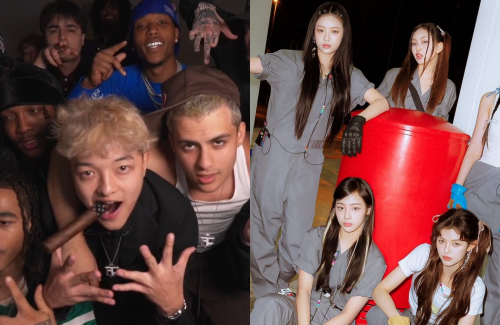
NewJeans is onto another journey of global stardom, this time, it is towards a quite interesting, new audience. Their song “ETA” has surprisingly witnessed a resurgence after 1 year of its release, which many humorously referred to as “NewJeans Renaissance.” It all happened when Vietnamese American streamer Jason “theween” Nguyen, ranked 15th globally and 10th in the U.S. on Twitch, celebrated reaching 100,000 subscribers by playing the track during his livestream, becoming the 2nd most-subscribed Twitch streamer.

The viral meme of him and his friends passionately screaming the song lyrics “What’s your ETA?” took the internet by storm. Thanks in part to Jason’s live stream and the song’s inherent quality, this track’s daily streaming exploded. From September 29 to October 2, the song reached 322,985, 424,271, 563,295, and 659,860 streams on Spotify. On October 1 and 2, “ETA” became the most streamed song by NewJeans, despite its 1-year release. 

Jason Nguyen celebrated his 100,000-subscriber milestone to “ETA” by NewJeans

However, besides the song as an upsetting observation of modern romance, Jason has challenged a stereotype long-fixated on K-pop listeners. K-pop, especially in Western countries, was a novel concept until recent years. Since the global expansion of K-pop, it has gained a significant amount of popularity. Just when it seems like the world is more open to a new musical force, stereotypes remain or even worsen. 

K-pop was usually linked to cute, dreamy imagery, which widely attracted teenage girls and was often seen as un-masculine. Many, especially men, did not have a positive outlook on the genre, believing that its image went against their ideals of masculinity and lifestyle. NewJeans’ songs, which exude youthful femininity and often above-board quirkiness, could easily fall into the ‘no’ lists of many men chasing after that idea. By publicly showing his admiration for the group, Jason Nguyen has proven that K-pop is an open space for all ages, genders, and sexual orientations. 

While singing and dancing along to the cheerleader-chanting tunes of “ETA,” Jason has created a fun and free atmosphere, creating a welcoming space for everyone, including the male-dominated gaming and streaming communities. His open appreciation for K-pop has helped introduce the genre to a broader audience, particularly within the streaming and gaming communities, encouraging more people to embrace the music free from societal labels.

Jason Nguyen, better known as JasonTheWeen, is a Vietnamese American YouTuber and Twitch streamer. He is known for his in-real-life streams and gaming content. Jason officially joined FaZe Clan in April 2024 as part of their reboot. 

NewJeans has never really left the K-pop scene, even though it’s been almost five months since their last single album, “How Sweet.” Since they first caught the world’s attention with hit after hit, their coming-of-age, iridescent music has shaped a distinctive persona in the industry. NewJeans arrived on the K-pop scene as a group of teenage girls next door navigating young love and friendships, while a transcendental ambiance hovers around them, instilling a touch of nostalgia yet mystique. This unexpected renaissance is just one more proof that NewJeans is here to stay.

articlestory_lrg_img (1)-jpg

Stories

Empowering Entrepreneurs with Eric Le Tai’s Digital Design Solutions

Eric Le Tai is not your typical product designer.

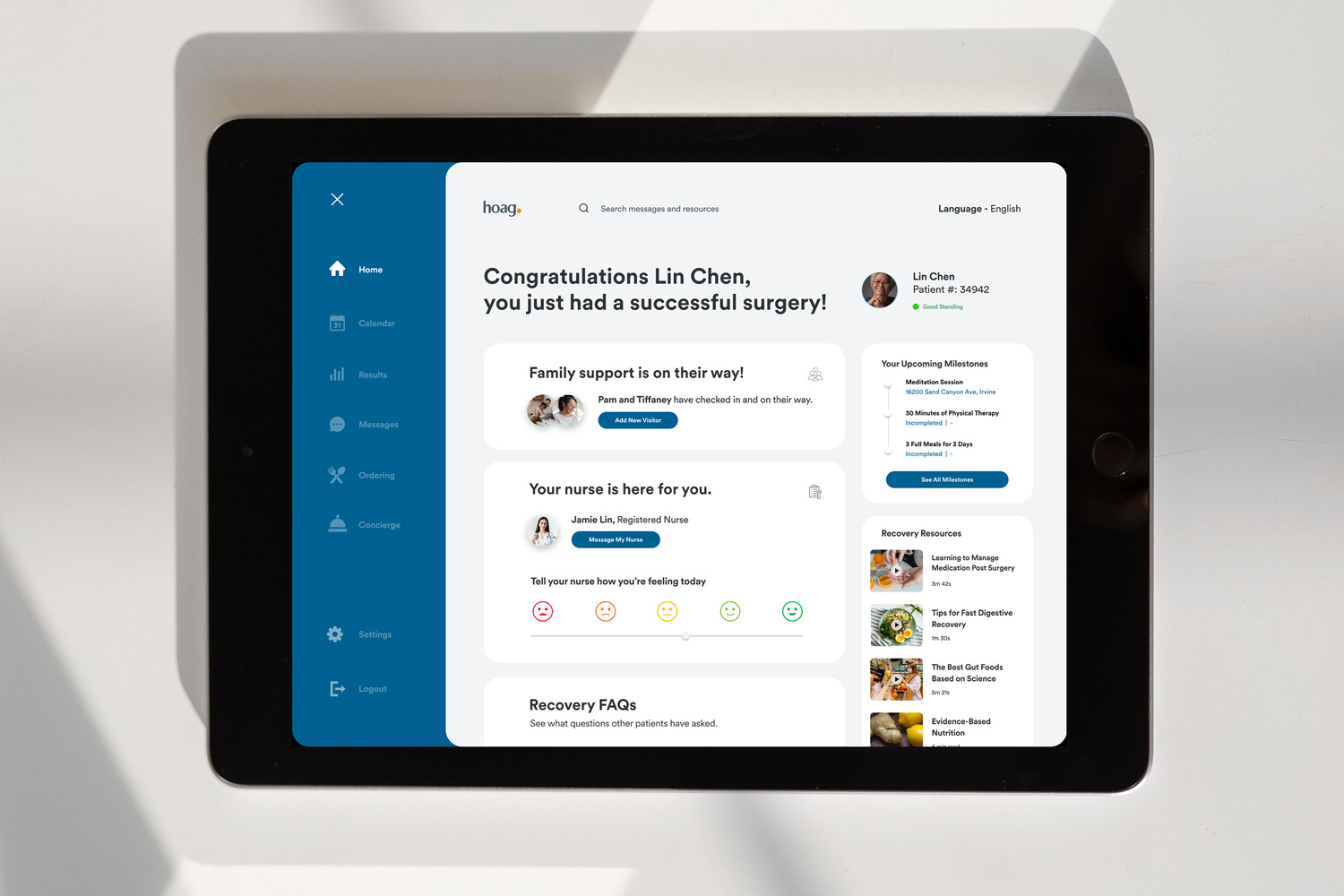
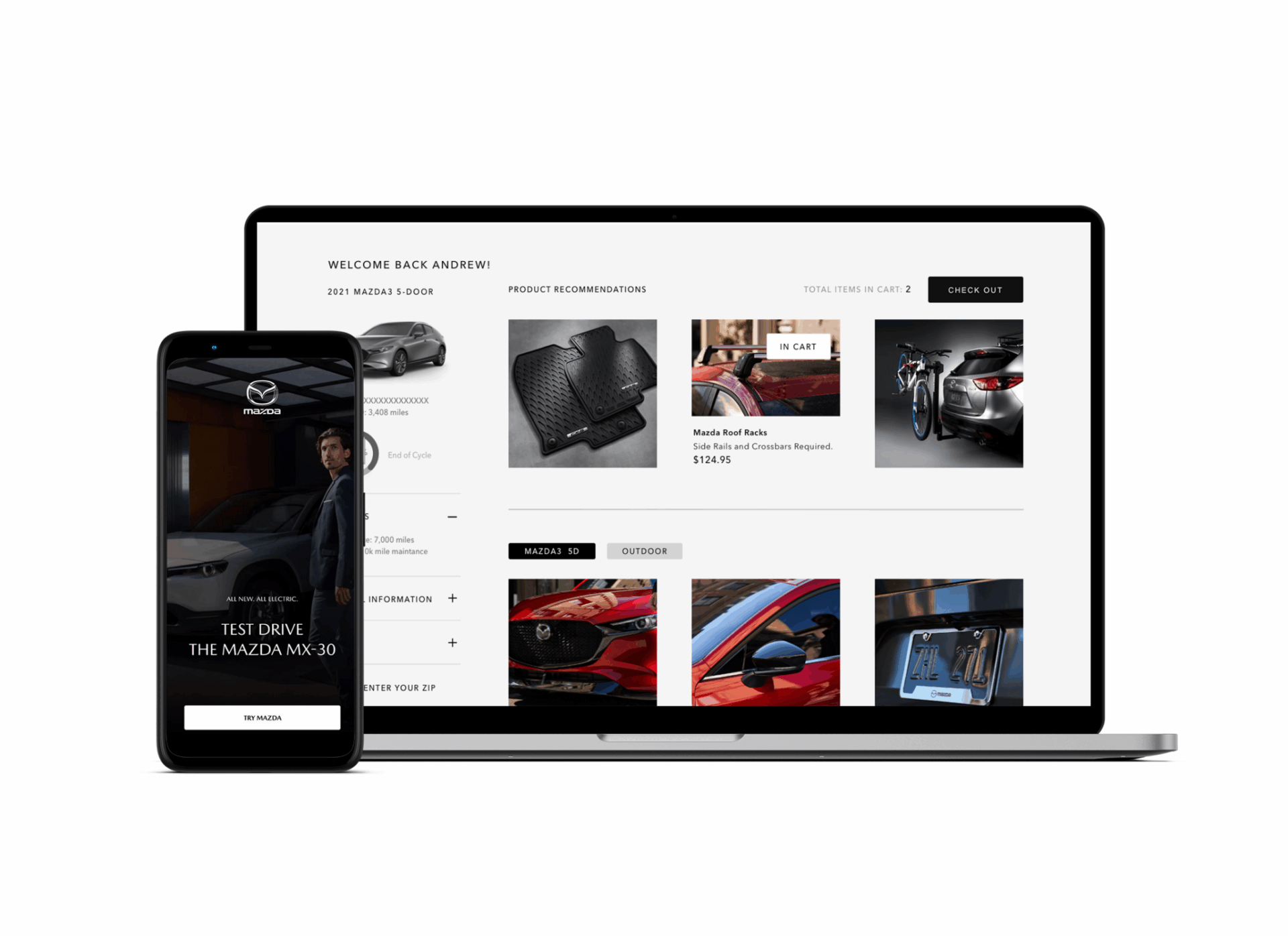
As the Founder of Collective Engram, an online design studio based in Nevada, Eric has carved out a niche for himself by blending creativity with purpose. With a background in art direction and a keen focus on user experience (UX) research, he is driven by research-based design that impacts the community and connects business brands with their customers.

But how did Eric get here?

Eric’s journey began in 2019 when he took a pivotal step by studying social impact in New York. There, he discovered how to craft digital solutions that address economic challenges. This ultimately inspired him to pursue entrepreneurship seriously. “My passion for entrepreneurship has always driven me, but transitioning from a traditional 9-5 mindset has been a journey,” Eric shared with AHN.

Despite all the hurdles that he’s encountered, Eric is proud of his willingness to take risks, embrace failure, and keep moving forward.

Through Collective Engram, Eric hopes to form a collaborative community of professionals—designers, researchers, and developers—working together to deliver innovative digital services to small businesses in need.

His mission is simple but profound: to empower entrepreneurs and small businesses by offering design and research services tailored to their needs, while also creating new opportunities for collaboration within the industry.

The Services of Collective Engram

Eric offers a wide range of services that cater to businesses and entrepreneurs at different stages of their digital journeys. His primary focus is on final design deliverables for web, applications, and print. Clients can opt for additional research services, but they are not always required.

Here’s a breakdown of the services offered through Collective Engram:

User Research (optional):

  • UXR Research Report
  • Competitive Analysis
  • Personas

Final Designs (Figma, Photoshop, etc.):

  • Visual Design Final
  • Wireframe
  • Interactive Prototype

Design Support:

  • Design System/Components
  • User Journey Flow/Site Map
  • Product Strategy Workshopping
  • Presentation Support
  • Development Support (Hand-Off)

Any new business can benefit from creating an online website or blog for their product, but Collective Engram is especially beneficial for small businesses, entrepreneurs, and startups that need a professional and cohesive online presence.

For larger projects, such as application development or e-commerce platforms, Eric’s product design and research services become particularly valuable. He tailors his approach based on the client’s needs and the goals they wish to achieve with their product.

The Future of Collective Engram

Looking ahead, Eric sees exciting opportunities for Collective Engram. “My main focus is bringing in new clientele and optimizing the workflow process for different client needs,” Eric says. Currently, his primary focus is web design, but he plans to expand into larger-scale projects such as application and product design and large e-commerce platforms.

Eric is also exploring opportunities in industries like healthcare and education, where large-scale data analytics play a crucial role. In addition, he is learning the basics of front-end development to work more seamlessly with developers on future projects.

Connect with Eric

In his efforts to better understand potential clients and their needs, Eric offers free consultations for businesses interested in working with him. You may reach him at: collectiveengram.com

63dcd9ce-5cd7-4d0b-8443-84dfaf06544b (1)-jpeg

Stories

In Luffy Huang’s Vision for Pulse Events, Cultures Align Through EDM Music

CEO of Pulse Events Luffy Huang made waves across New York City this past Labor Day weekend. Known as “the world’s wettest party,” the S2O event made a splash in the Brooklyn neighborhood, delivering euphoric EDM melodies with Thai-inspired traditions that stretch across borders to America. 

But as the CEO of Pulse Events, his vision yearns for unity and togetherness through the power of music. Throughout the years, Luffy has been a driving force behind the diversification of the EDM festival scene, condensing the beats into a spectacular celebration of culture and community. 

The Sounds of Luffy Huang’s Chinese Upbringing and American Dream 

Growing up in China, his early passion for music led him to a career as a singer and TV host between 15 to 20 years ago. Encouraged by the eclectic soundscape in the U.S., his American dream for a successful music career was granted by one of the artists he was touring along with, paving the way for his move to the States. 

“I grew up in China and following my passion for music, I became a singer and TV host 15 to 20 years ago. Since it was always my dream to break into the music industry in the U.S., I began touring with artists and finally came to America with one of them in 2020.”

When he arrived in the U.S., Luffy was bewildered yet determined. The hustle in a foreign land might have caught him off guard for a moment but it also helped him head towards a new direction. “I found the industry here to be very open-minded and felt inspired and encouraged to start my own entertainment company here,” he says. 

Luffy left China for the U.S., driven by the fast-paced music scene.

This geographic shift is a tableau of music inspirations, cultural shock and a deepening sense of identity, all of which prompted him to create Pulse Events, an event agency focused on bridging the Eastern and Western cultures through music and community. 

Cultural Harmony Through Music and Luffy Huang’s Pulse Events Journey

“What inspired me the most was seeing people of different cultures embrace shows produced in Asia and influenced by Eastern traditions,” he says. 

Such ethos were themselves echoed throughout his work, by introducing a global audience to the purpose he wanted to share more of, from highlighting notable Asian creatives and talents, to celebrating the vibrant culture of the Asian community. “I realized that this experience was missing in the U.S. and it became my mission to produce shows here that expose fans to the traditions and dance community culture in Asia,” he says. “I am proud that my shows include elements like Asian night markets, lion dances and spraying water that is the Songkran Thai New Year custom.”

One of the drawbacks of starting Pulse Events in a new country, however, is the balance and harmony among different communities, especially in the U.S. where multiculturalism has long been its celebrated trademark. Yet, despite this animated diversity, Luffy needs to traverse the tricky waters of inclusivity, representation and U.S. culture: 

“Turning my vision into a reality took a bit of time. But once we put on our first Pulse Events show, we learned from the process and got into a good rhythm where we put on multiple shows annually and continued to expand. One of the challenges I face on a daily basis is figuring out how to represent Asian culture in the most authentic way possible, while having our shows appeal to a diverse audience. Striking that balance takes a lot of thought and hard work, finding the right partners to bring that to life. Another challenge I face is that English is my second language, so I sometimes have to take the extra step of using translation tools or making a greater effort to make sure my ideas are communicated correctly.”

Luffy Huang leads Pulse Events with determination, expanding the reach of Asian culture through unforgettable shows

While those challenges might have vexed him in the beginning, every show, event and festival was an emblem of the connectivity that he always has in mind for Pulse Events. The 2023 Spring Festival that Pulse Events had orchestrated last year was an EDM-heavy event to honor Lunar New Year and pull together traditional elements, joyful moments and different communities. It was the first event to infuse electronic music and Asian culture that introduced the beauty of this cultural festival to more American youths:

“I am proud of every show Pulse Events has put on and the legacy we are slowly building by making them annual. We are gearing up for our second Winter Festival in November and our third Spring Festival next year, and planning to bring back S2O after debuting it to the U.S. this past Labor Day weekend. I feel fortunate that we have established a good working relationship with one of the most famous venues in New York City and the world, The Brooklyn Mirage. I am also proud to be the founder of the Krazy Super Concert elevating K-pop in America.”

When East Meets West in Luffy Huang’s Vision for Pulse Events 

As an organization that holds the same values as AHN to uplift and highlight the Asian community, AHN takes this interview as a special opportunity to explore how Asian talents are being showcased and represented in the industry. Luffy’s vision remains unchanged: 

“The mission and vision of Pulse Events is to bridge the East and the West through music events that unite people of all backgrounds and educate them. Through bringing fans of all kinds together through the common love of music, we are able to open their minds and hearts to understanding Asian culture and embracing the immense talent within our community, from music producers and DJs to entrepreneurs like myself and my colleagues.”

This determination and commitment has led Luffy on a road of success, producing annual mega shows like the Lunar New Year Spring Festival, the Winter Festival and most recently S2O New York, all to celebrate cultures and unite communities through EDM. Even just at the start, Pulse Events has landed performance deals with many prominent artists in the electronic music scene, from the enigmatic Marshmello to platinum record-selling DJ Afrojack. 

Luffy’s goal is clear: bridge the East and West through music, uniting fans from all backgrounds while showcasing Asian talents.

Connect With Luffy Huang

Much of Luffy’s current success comes less from pure luck and more from a consistent performance of hard work and innovation. Whether it be electric live festivals, or getting deep down into his heritage, Luffy knows better than ever that Pulse Events was a child of hustle and resilience, no matter where you came from and who you are:

“From my own journey, I believe that if you hustle hard enough and never give up on your dreams, you will succeed, even in a foreign country or place outside of your comfort zone.” 

Facebook: One Pulse Events 

Instagram: @1pulseevents

X: @onepulseevents

TikTok: @1pulseevents