Awaken* newsletter

July 25, 2024

SHARE:

Wendy Wen, founder and CEO of pet CPG platform Antelope and co-founder of luxury handbag brand Senreve, shares insights on the early days of building the Senreve brand with her co-founder Coral Chung, creating their first iconic Maestra bag, and overcoming the challenges of scaling a startup. She reflects on the importance of focusing on vision, strategy, and hiring the right people, as well as maintaining resilience and equanimity as a CEO. Wendy also discusses her new venture, Antelope, her excitement for its potential, and the lessons learned from her Asian upbringing and entrepreneurial journey.

HanYue: Tell us a little bit about the early days of Senreve. And then what was the biggest challenge you had to overcome?

Wendy: You know, it was really just me and my co-founder Coral sitting across from each other in an empty conference room. We were borrowing an office space from one of our investors. And a lot of it was just kind of dreaming: thinking about what the brand could be. It was actually really, really fun. And I think because it’s before you have any metrics, any real product, anything. So anything is possible. In the early days of us, we were literally just trying to figure out what’s going to be our value proposition, positioning, and how we’re gonna get started. It was super fun. 

HanYue: That sounds fun. Tell us about your first “IT” bag, as you call it.

Wendy: Our first bag was the Maestra bag, which is a convertible bag that becomes a backpack. You can wear it in different ways: you can hold it over your hand on the handle, you can wear it as a crossbody, you can wear it as a shoulder bag, and then you can also wear it as a backpack. It fits a laptop, it’s water resistant, and it’s 100% made in Italy. It has all these nice compartments on the inside, so you can keep everything organized. It’s a beautiful bag that happens to be really functional, especially for the modern working woman who needs to carry a laptop. 

HanYue: Tell us a little bit about how you and your team created this popular bag.

Wendy: So I loved bags. Coral loved fashion. Personally, we just wanted something that was really beautiful and also worked with my busy professional life. So it kind of stemmed from a personal need. 

HanYue: Wow, that is amazing to hear. You really found a way to personally connect with the product that you’re building. Let’s switch gears a little bit, to what you’re currently building. Do you feel better prepared for a second go at entrepreneurship?

Wendy: Absolutely. Yes. There are always ups and downs in any startup journey, and I think I made a lot of mistakes with Senreve. 

I think, first of all, I didn’t necessarily focus on the important things. I was always kind of doing urgent things. Graham Weaver (a lecturer at GSB and founder of Alpine Investors) talks a lot about that matrix of important, not important, urgent, not urgent. As a founder, you really want to be operating in the non-urgent, important bucket. 

An example of what I didn’t focus on enough before would be our hiring culture. Instead, I was focusing on getting things done, which in retrospect, might not have been the best use of my time. For Antelope, I’m much more disciplined about how I spend my time. I really believe that the founder and CEO job should just be vision and strategy. Setting that vision, getting alignment across your team on that vision, helping your team truly understand how their work and their outcomes tie up to the grand vision, and what the dream outcome needs to look like. That’s one big rock for me. 

Another one is just hiring the right people. The people who are going to be better than you, at each division, at each function. Hire the best people who will help you dream up something better than what you can dream of, and then make it into a reality. So now I am always pushing for the dream candidate. After that, it’s about developing them, keeping them motivated, and building the culture so that they can thrive.

When I was at Senreve, I was younger, more junior, and much more just about blocking and tackling and getting things done. Now I try to think more about scalability. I think the third piece that I’ve learned, and just gotten a lot better over the years, is just being resilient. 

Part of being an entrepreneur and a CEO is maintaining a certain equanimity in the face of problems. I have to maintain an objective distance from the company. Because if you hold on to it too tightly, and it becomes life or death, then every problem can catch you off guard. Versus, if there’s a natural kind of distance, then you have space to treat everything as just a small problem or puzzle that you have to fix.

It makes you as a CEO think a lot more clearly, and a lot more strategically. Because at these higher levels, your main job is making decisions. It’s not fixing the problem. It’s about finding the right architecture, the right people, the right processes, and structures so that your team can fix the problem. And so having that equanimity as a muscle, to deal with the ups and downs, is a really important part of my job as CEO. 

HanYue: That’s really powerful. I love your learning about equanimity. Looking forward, what is your biggest challenge right now you want to solve?

Wendy: Our biggest challenge right now is to hire a chief supply chain officer. I have a big gap in operations and supply chain. So if anybody is really good at that kind of stuff, come to me! 1

I am also learning along the way, from 10 different colors to now 500 SKUs of pet treats, supplements, food, and dental treats with expiration dates. You have to get your planning and forecast super accurate. Every piece of the logistics needs to be precise and accurate in order to meet your demand. And it also has to be efficient from a cost perspective. We really need a C-level executive who has enough experience and lots of great attributes, so she/he can continue to learn and grow with us.

HanYue: Amazing. We hope someone in our subscriber base has this special talent! What are you most excited about next? 

Wendy: So many things excite me! I think Antelope is the next P&G/Honest Company of pet products. And we’re just getting started. And there’s just so much low-hanging fruit opportunity that we haven’t yet tapped. Every channel we are in can be grown by 10x. And I think that’s super, super, super exciting. It’s exciting to continue to educate pet parents. So many pet parents are not aware of the preservatives in their existing dog food, what the right content and makeup should be in their food, and what supplements they can give their dog to prevent cancer, arthritis, and joint pain. So I am super excited by this potential. 

HanYue: I think that there’s really nothing that compares to the potential as an early-stage founder. You can see this big dream just slowly unfolding in front of you. A lot of our new founders will be fundraising and thinking about working with their investors. I know you work very closely with Graham and Alpine Investors. Would love to hear a bit more about that partnership, and your advice on finding great mentors. 

Wendy: The relationship I have with Alpine and Graham has been just 20 out of 10 if I had to give it an NPS score. It’s beyond my wildest expectations what great partners they are. They provide the right level of support, but then they’re really hands-off. They’re empowering and trusting. And oftentimes, honestly, I think about how Alpine is treating and managing me, and how I should train and manage my executives and my direct reports, because they’re a really unique private equity fund that truly, truly has a heart of gold and focuses on people first. 

In terms of advice for how students can go out and build mentorship, and relationships with professors and people in their career. It’s simple –  just talk to them. Don’t be afraid to reach out. Make sure you follow up. That’s what I did to fundraise for Senreve. And those relationships have followed me through to Antelope.

I met Graham, in an MGE (Managing Growing Enterprise) class when he was practicing to become a lecturer at GSB. He was shadowing Dave Dodson back then. And I just had a conversation with him about what I wanted to do after school. That’s the most common question he gets nowadays, right? The students always go to a professor at Stanford and ask, what should I do with my life? Should I go back to private equity? Should I do this? And I remember, I think he actually offered me a job at Alpine as a CIT (CEO in Training), but I just didn’t want to move anywhere location-wise. So I politely declined.

Graham told the story about the genie goal in his class: if you have three wishes from the genie, what would your goals be? So when I was getting started with Senreve, I called him and I said, I think I’m gonna go pursue my genie goal – to cofound this handbag company. And he angel invested. It was really nice that he was willing to do that, and I think it came from the fact that I just asked and I had that prior relationship with him and reached out. 

After Senreve, when I was starting Antelope, I reached out again. So I think it’s just making sure you keep in touch with your professors. I remember going through every single person that I might have interacted with at the GSB. I was co-president of WIM (women in management), and I organized a ton of these speaker events. So I would email every one of the speakers I’d come into contact with. Many of them became mentors and some knew people in the handbag industry that could help. I was shocked that some of them remembered me. Most students don’t realize that all they need to do is a little bit of legwork and follow-up. Every time you go to a networking event, follow up. Even after a few months, send them an email, updating them on where you’re at. That’s how you build a relationship. It’s really not that hard. 

HanYue: That is really inspiring and empowering. The notion that a really good mentor relationship is just a few emails away is so powerful. 

Wendy: Definitely. Diane Von Furstenberg came to Stanford to speak once. After that, I was like, you know what, I’m just going to send her an email. And I said, “Hey, I loved your talk. I read your book, now I’m starting a handbag company. Would you mind talking to me?” And she replied, the same day, and said: “Here’s my number. Call me tomorrow at 9 am.” And that’s Diane Von Furstenberg. I think students overestimate how often these people get reached out to. I think you are probably thinking that – oh they get so many emails and pings. But the reality is that they probably don’t get that many. 

HanYue: Amazing. I want to switch gears a little bit again. If you don’t mind, we’d love to hear a little bit about your upbringing. How has being Asian impacted your entrepreneurship journey or maybe just the mentality of life? 

Wendy: I am Chinese, I grew up in Southern California to immigrant parents, who wanted me to be a doctor just like every other Chinese family. I remember doing like my freshman year summer internship in medicine and just being so bored. I was stuck in a lab all day. I think I was too extroverted to follow that path. I’m really dynamic. I love meeting people. I love talking, I love pitching. I get a high from pitching – probably why I enjoy entrepreneurship. And something just clicked. I realized that that medicine path wasn’t for me.

I think what my Asian upbringing helped with though was, that my parents were really good about rewarding effort and not outcomes. They always told me, “Hey, Wendy, it’s not about the grade that you get, if you get an A-minus, but you didn’t try, we will be disappointed in you. But if you got a B plus, and you tried your absolute best, we will be extremely proud of you.” They just wanted me to maximize my potential. And I think that notion really propelled me to just give it all to everything I do. If I’m going to put my mind to doing something, I want to knock it out of the park and do it really well. 

In terms of pursuing entrepreneurship, though, that is really not in my parents’ DNA, I think what happened is that they provided me with so many opportunities, by coming to the US and allowing me to have this American education, so that I just got so inspired and absorbed all these American thoughts. And I’m very American, obviously. But I still had the work ethic from my Asian upbringing. That, coupled with such family support, gave me the confidence to pursue what I really, really want to do, which is building companies. 

Mark Leslie, he’s another one of my angel investors and mentors, said, there are only three reasons why people want to start a company: one, it’s to make a lot of money. Two is to make a difference in the world. And then three is to build something of lasting value. He said usually people fall within one of these three camps. And I think for me, it’s definitely the last one like I just love building things. I love building culture. I love building a team, and I like building products. 

I also think being bilingual helped us expand into other regions for Senreve. We were in Singapore, Taiwan and Hong Kong. I think having multicultural blood and experiences in me, makes me more adaptable and flexible, and more resilient, potentially, because I know how to learn about a different culture. You know how to build a life somewhere else. That’s the entrepreneurial spirit. 

HanYue: So to sum it up, it’s like that notion of ‘give it your best’ that coupled with a little bit of risk-taking that allowed you to find out what you want to do and really go for it. On top of that, being open-minded and flexible when it comes to like, new obstacles, different experiences, and new regions. Those are amazing takeaways. You have accomplished a lot already. Do you have a few favorite moments from the past or favorite stories that you want to share?

Wendy: There was a time at my last company retreat for Antelope when I celebrated my birthday and the team surprised me with a birthday cake, a sash, and a crown. All 80 of our employees celebrated my birthday with me. And I thought that was really special. Because our team is so talented, they’re so smart. And for them to choose to contribute their talent, to Antelope’s vision – I take it very personally, I take it as a favor they’re doing for me. Seeing everybody in that room, working towards this Antelope vision was so inspiring. Running this company is the best job I could have asked for. 

HanYue: That is really heartwarming. You really build a great team and a great culture. And then you got to observe it taking on a life of its own! 

Wendy: Yeah, it did take on its own form. That’s the thing. I think seeing the moments when Antelope is taking on its own life just makes me so joyful. Our social media team is amazing. Last year, I remember seeing an Instagram post pop up on Bocce’s Bakery, which is one of our brands. The post was like PupChella – it was a play on Coachella. And they had a lineup of all these artists that were like, dog-named. Like Bark Pink, and Tailvin Harris. It was so cute. It was so funny. And I was so proud of my team. This team is so creative. And I was so proud to see their creativity come to life. 

HanYue: Wow. That sounds phenomenal. I think that is actually all my questions. Thank you so much. Wendy! 

Wendy Wen’s journey from Senreve to Antelope exemplifies the power of vision, resilience, and strategic focus in entrepreneurship. Her insights offer valuable lessons for aspiring founders on building successful and impactful companies.

  1. Since the time of this interview, Antelope was able to hire a great Chief Supply Chain Officer. ↩︎

Related Articles

News

How College Dropout Sanjith Konda House Became a Successful Entrepreneur

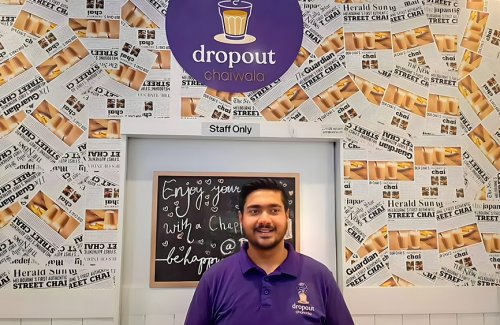
Sanjith Konda House, an 18-year-old from Bengaluru, India, set off on a conventional journey to Australia to pursue a Business Studies degree at La Trobe University in Melbourne. However, he made an unconventional turn, abandoning his studies in pursuit of an entrepreneurial dream that would later become a successful enterprise, ‘Dropout Chaiwala.’

Sanjith’s bold decision to step away from academia during his fifth semester in exchange for a tea business venture demonstrated exceptional courage, a trait deeply ingrained by his upbringing.

Supported by his parents—a father employed as a mechanical engineer at a Saudi Arabian oil company and a homemaker mother—Sanjith had always been instilled with the values of responsibility and independence beyond his years.

With an initial investment of $120,000, Sanjith, alongside his friends Asar Ahmed Syed, Preetam Akula, and Arun P. Singh, set up their first ‘Dropout Chaiwala’ outlet on Elizabeth Street. Their menu started simple, offering just five varieties of chai, but they gradually began to catch the attention of students and office-goers alike.

Despite facing initial obstacles, Sanjith’s unwavering determination was the driving force behind the business’s growth. By March, they had a mobile chai truck in operation, catering to university events, festivals, and weddings. Another significant milestone came in August with the opening of a third store on La Trobe Street.

Under Sanjith’s dynamic leadership and with the dedication of his team, which included Apoorva Singla overseeing the Elizabeth store, Dropout Chaiwala expanded its menu to include light snacks. Within a year, the business generated $600,000 in sales and provided employment to 40 individuals, turning Sanjith’s bold leap of faith into a thriving success.

Featured Image Source: India Times

News

BLACKPINK, TXT, Jung Kook, and Stray Kids Dominate the 2023 MTV VMAs

The 2023 MTV Video Music Awards proved to be an unforgettable night for K-pop, as three South Korean groups left an indelible mark on the music industry. These victories not only celebrated their remarkable talents but also emphasized the growing influence of K-pop worldwide.

The MTV Video Music Awards 2023 unfolded on September 12 at the Prudential Center in Newark, New Jersey.

TXT – Tomorrow X Together, affectionately known as TXT, had a groundbreaking night, bagging the Push Performance of The Year award for their electrifying single “Sugar Rush Ride.” The group also graced the stage with a spectacular performance of their new hit “Back for More,” featuring the sensational artist Anitta. In a fierce competition with nominees like Ice Spice, Jvke, Saucy Santana, and Reneé Rapp, TXT emerged victorious, marking their first-ever VMA win.

Stray Kids – Stray Kids joined the ranks of VMA winners, securing their first-ever VMA in the Best K-Pop category for their track “S-Class.” Their performance of the song during the show captivated the audience and showcased their incredible talent. Competing against esteemed K-pop acts like Aespa, Blackpink, Fifty Fifty, Seventeen, and TXT, Stray Kids’ victory is a testament to their growing influence in the industry.

BLACKPINK –  BLACKPINK, the global sensation, achieved an historic feat by winning the prestigious “Best Group of the Year” award. This victory is especially significant as it had been an astonishing 24 years since a girl group last held this honor – TLC in 1999.

BTS – While the spotlight shone on these remarkable wins, it’s crucial to acknowledge BTS’s continued dominance in the K-pop world. With an impressive nine VMA trophies to their name, BTS remains at the pinnacle of the K-pop genre, even during their well-deserved hiatus. Jung Kook also achieved a historic milestone by winning the ‘Song of the Summer’ award for his collaboration with Latto, securing the Moonman award.

The 2023 MTV VMAs will be remembered as a pivotal moment in K-pop history, with TXT, Stray Kids, BLACKPINK, and BTS making headlines and solidifying their status as global music icons. As K-pop’s influence continues to surge worldwide, we eagerly anticipate more groundbreaking achievements from these talented artists in the years to come. 

Featured Image Source: Lifestyle Asia HK

Peter Yang-jpg

Stories

The Inspiring Story of How Pokeworks Became the Largest Poke Chain in the US

Founded in 2015, Pokeworks emerged as a culinary venture stemming from a shared vision. Drawing inspiration from numerous trips to Hawaii, the founders were captivated by the distinct flavors of poke, prompting them to bring this fresh, healthful, and beloved island delicacy to the mainland United States.

With a steadfast commitment to a wholesome lifestyle and premium ingredients, Pokeworks offers a culinary experience that reverberates with authenticity. Their menu artfully captures the genuine essence of Hawaiian flavors, showcasing a medley of signature creations and customizable options.

Aside from this, Pokeworks champions sustainability, prioritizing responsibly sourced seafood and conscientious material choices. This ethos extends to all aspects of the brand’s operations, affirming a holistic dedication to social and environmental responsibility.

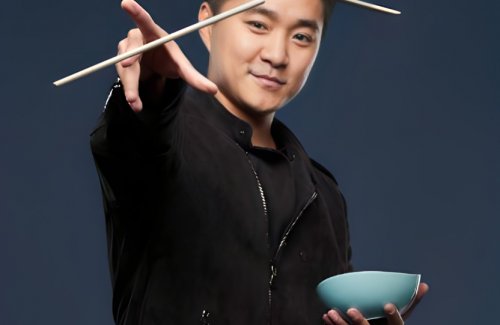
Asian Hustle Network had the chance to sit down for an interview with one of Pokeworks’ co-founders, Peter Yang. Join us as we delve deeper into their story and uncover the insights that drive their success.

HOW IT ALL STARTED

The idea of Pokeworks dates back to 2015, when my co-founders, Mike Chen and Mike Wu, met over lunch. Mike Chen just had his wedding in Maui and Mike Wu had just come back to the mainland after months in Oahu launching a restaurant. They reminisced about the delicious poke they enjoyed on the island and wondered why it’s not a staple on the mainland. We took inspiration from build-your-own fast casuals like Chipotle, and ran with the idea of “Poke Your Way”. As cliche as it sounds, we spent months R&D’ing out of Mike Wu’s garage until we all felt the flavors were perfect.

Several months later, we opened the doors to our first location in midtown Manhattan – a tiny 750-square-foot space. It was a cold December, and most of the city had left for the holidays – it was quiet… and our sales were bleak. Besides correcting our guests on the pronunciation of “poke”, I had to turn away several guests with “Sorry, no, we do not sell Pokemon cards.” Educating the market was definitely an early challenge we had to overcome.

The new year rolled around and our lines got progressively longer day after day. As business grew, we kept our heads down and continued to focus on operational excellence – great products and great guest service. Word quickly spread, and we became the popular kids on the block.

Fast forward 8 years and a pandemic later, we’re 70 locations proud across the U.S., Canada, Mexico, and Taiwan.

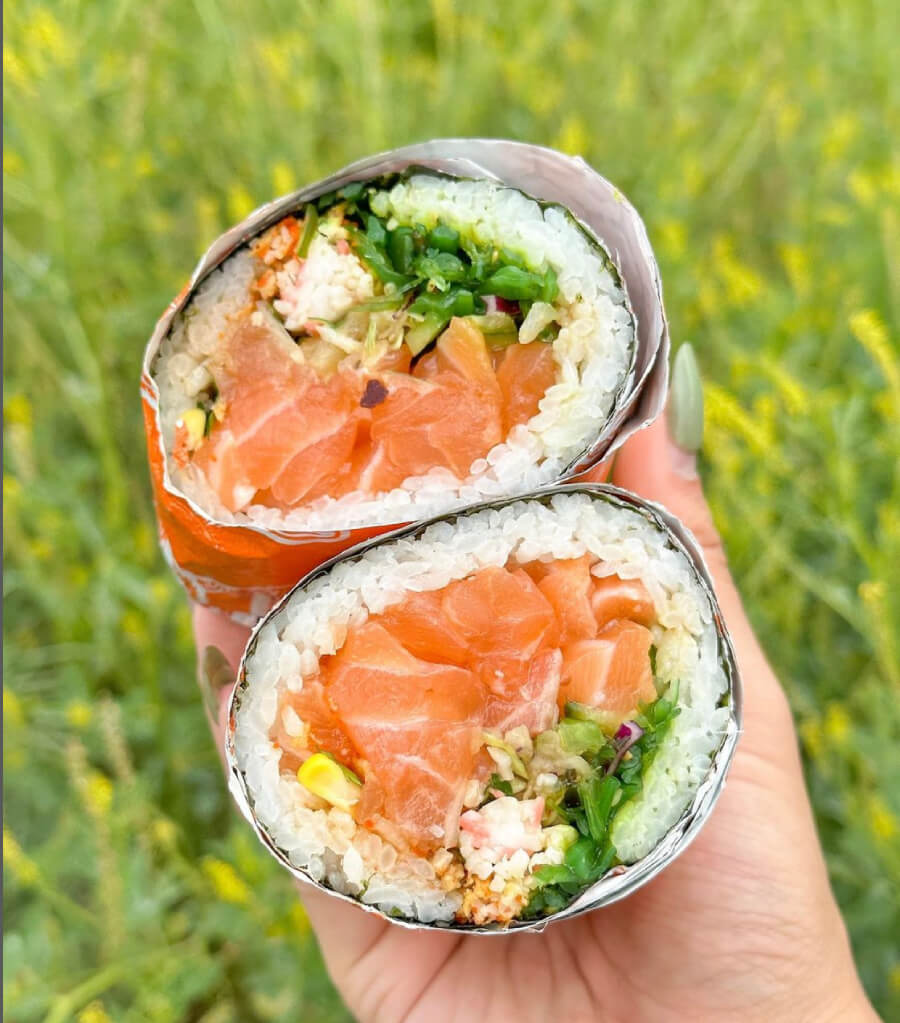
SUSHI BURRITO

THE CONCEPT OF SUSHI BURRITO

We aimed to create a handheld version of Poke by blending two of my personal favorites: a burrito and a sushi roll – what’s not to love? We had fun with it and added it to the menu.

Little did we know, this menu addition would become a turning point in our growth.

During a lunch rush one day, a representative from Business Insider walked into our tiny shop and asked if she could record a video featuring our Poke Burrito. Despite my initial hesitation – our shop was so small that my staff and I could barely squeeze another body in without slowing down our line – I agreed. Well, it was a good thing I let her shoot the video because once it was uploaded, it went absolutely viral.

It. Was. Insanity. This short 1 minute clip, triggered lines around the block for months. We had to hire bouncers for crowd control!

POKEWORKS’ COMMITMENT TO SUSTAINABILITY

Early in our brand development, the co-founders took deliberate steps to define our core values. One of them is: “Sustainability – meeting today’s needs without compromising tomorrow.” The founders understand that it goes beyond just making a profit, but how we can leave the world a better place for our children. Personally, since becoming a father recently, this sentiment has never rung louder. We want to make sure it’s not just a marketing buzzword, but a core value that helps guide our every decision. 

All of the seafood that we source carries a “Best Choice” rating by the Monterey Bay Seafood Watch, procured from vendors that are environmentally and socially responsible. Our tuna is exclusively procured from Marine Stewardship Council (MSC) certified sources, a reflection of our commitment to ending overfishing and promoting sustainable fishing practices. Our salmon holds certifications from both the Aquaculture Stewardship Council (ASC) and Best Aquaculture Practices (BAP), embodying the highest industry standards for minimizing environmental impact and upholding the well-being of communities, workers, and animals.

For many of our store build-outs, the wood used in our dining rooms is of local species and is certified by the Forest Stewardship Council. In some of our shops, the facade of our counters is made with recycled bamboo chopsticks.

Our commitment to sustainability extends to exploring alternative seafood and plant-based products. We are partnering with leading plant-based food manufacturers such as Impact Foods and Omni Foods to explore alternative seafood options. Our plant-based spam musubis are also a huge hit! We’ve also partnered with innovators like Wildtype, to explore cutting-edge cultivated seafood.

FRANCHISEE SPOTLIGHT

We seek franchisees who embody a passion for the brand and resonate with our mission statement and core values. One of which is being service-obsessed: We put the team’s needs first. We are here to serve our guests and community. We do this by being responsive, helpful, productive, and following through with our commitments, and spreading aloha.

I’d like to extend a big shout-out to Alvin Zhang, an exceptional franchisee at Pokeworks who embodies this value and who truly shines as both an entrepreneur and an outstanding individual dedicated to his community. At the peak of the pandemic, when hospitals were facing dire circumstances, Alvin and his Pokeworks team worked overtime to generously donate over 2000 poke bowls to 12 hospitals across Queens NY, and Long Island.

UPLIFTING THE AAPI COMMUNITY

We take pride in the Asian-inspired products and flavors that we serve. From spicy Sichuan poke to sweet chili gochujang poke. Sharing these flavors from our roots to the mainstream is a great privilege. 

During COVID, we partnered with Heart of Dinner to help nourish NYC’s community of Asian elders. They have a wonderful mission of supporting the AAPI community, and we’re proud to be a part of it.

We also take immense pride in having Regina Cheung, a Chinese-American, at the helm as CEO at Pokeworks, leading the charge with remarkable expertise and charisma. Furthermore, all of the co-founders are Asian-American and share the immigrant journey. 

We hope that our story and Pokeworks’ AAPI leaders can inspire future generations of AAPI entrepreneurs to dive confidently into their careers and passions. 

PETER YANG’S ADVICE TO ASPIRING ENTREPRENEURS

Don’t do it alone. Learn to ask for help. It all starts within your community.

We are very proud to say that there are a total of 8 co-founders at Pokeworks. Most advisors will tell you that’s crazy, but we made it work! We’ve learned to set aside our egos and each of us plays a distinct and vital role within the organization.

This principle aligns perfectly with another core value of ours: the incredible power of teamwork.

CONNECT WITH POKEWORKS

Instagram: @pokeworksco

Website: pokeworks.com

Franchise: pokeworksfranchise.com

AHN STORIES-png

Stories

How Uji Time Dessert Brings East Asian Flavors to the Bay Area

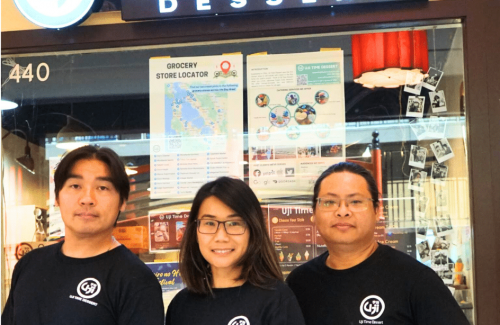
Sharon Ku, born and raised in Hong Kong, is one of the co-founders behind Uji Time Dessert, a delightful dessert store in the Bay Area.

Sharon has been working in the food industry for the past 15 years since she graduated from UC Berkeley with a major in Nutrition Science.

Through Uji Time Dessert, Sharon and her team bring together the best of East Asian flavors and desserts, making them accessible to everyone. The pop-up store’s authenticity and creativity garnered massive success, and it became the first dessert shop of its kind in the Bay Area.

In an interview with Asian Hustle Network, Sharon Ku shared her journey as an entrepreneur. Read through as we discover how she turned her passion into a thriving business, and how she found inspiration within the community.

HOW IT ALL STARTED

Uji Time Dessert opened its first pop-up store in April 2016. Together with John Ip and Benson Leung, we have been taking far east flavors and desserts and making them mainstream in the Bay Area. Our famous Fish Cone, called Taiyaki, is our take on the traditional Japanese dessert in the shape of a fish, usually filled with red bean paste. The pop-up was a great success because of its authenticity. Uji Time Dessert was the first dessert store selling Taiyaki soft serve in the Bay Area.

Uji Time Dessert loves to combine and meld elements from multiple traditional desserts to create affordable treats for everyone. Our goal is simple – think of Uji Time Dessert when you crave Japanese fusion-style desserts.

Uji Time Dessert regularly offers Instagrammable, fun, and delicious desserts and ice cream for all ages. It has transformed into a full-scale dessert cafe, from Fish Cone (Taiyaki), black sesame soft serve, lychee ice cream mochi, Matcha Latte, Earl Grey puddings, to Hojicha and Genmaicha ice cream. Depending on the season, Uji Time Dessert offers limited production seasonal flavors, such as strawberry rose and lavender in soft serve or ice cream.

During COVID, we connected with many local businesses to do cross-promotion and share resources. We offer our stores as pick-up locations for other business owners. Other business owners help to promote our brand and products.

In 2022, Uji Time Dessert expanded its footprint to Seattle, Washington, and Albuquerque, New Mexico. Uji Time Dessert continues to seek opportunities to serve our customers.

NAVIGATING THROUGH THE COVID-19 CHALLENGES

COVID hit hard across Bay Area San Francisco in 2020. Our sales dropped to 0% as we only sold soft-serve ice cream. Our stores were forced to close for 3-12 months. We closed two stores permanently.

Despite COVID-19 challenges, we expanded from 0 to 25 local supermarkets. Closing three stores didn’t stop us; we opened three new locations and have more coming in Palm Springs and New Mexico with our licensed partners.

These difficulties brought our team closer and made us stronger. From a small ice cream shop, we now distribute to various locations in the Bay Area. The growth and partnerships showcase our resilience and quality. I’m inspired and confident in our continued success.

SUPPORT AND INSPIRATION WITHIN THE COMMUNITY

I’m grateful to the Asian Hustle Network community for sharing inspiring stories of persistence, and for the connections I’ve made in this group.

I met Jing who has a passion for helping small businesses, the owner of Kaya Bread, and other inspiring individuals. Connecting with like-minded entrepreneurs and supporting my brand growth has been invaluable. 

Once again, I want to express my gratitude to the Asian Hustle Network for providing a platform that facilitates learning, sharing, and gaining inspiration. I am truly thankful for the opportunity to be part of this community and to share my story of resilience, growth, and the joy of forging connections to support others in building their own brands.

Processed with VSCO with fa1 preset

VALUABLE LESSONS AS A SUCCESSFUL ENTREPRENEUR

I would suggest everyone not to give up.

We should not focus on what might stop us from achieving our goals. We should think of what we can do to make a change. Don’t be afraid and try to reach out. Many experienced entrepreneurs would love to share their experiences and thoughts with you.

CONNECT WITH UJI TIME DESSERT

Instagram: @ujitimedessert

Tiktok: @ujitimedessert

Facebook: Uji Time Dessert