Awaken* newsletter

May 30, 2024

SHARE:

Welcome to another edition of AHN awaken*! Apart from our guest, I’m excited to introduce a new member of our team, Han Yue Yin! Han Yue is a current Stanford GSB student and was my fellow jazz bandmate in college. Although this article was written by me (Edwin), Han Yue co-interviewed with me and will be taking the lead on writing some great articles in the future. Everyone, please welcome Han Yue!

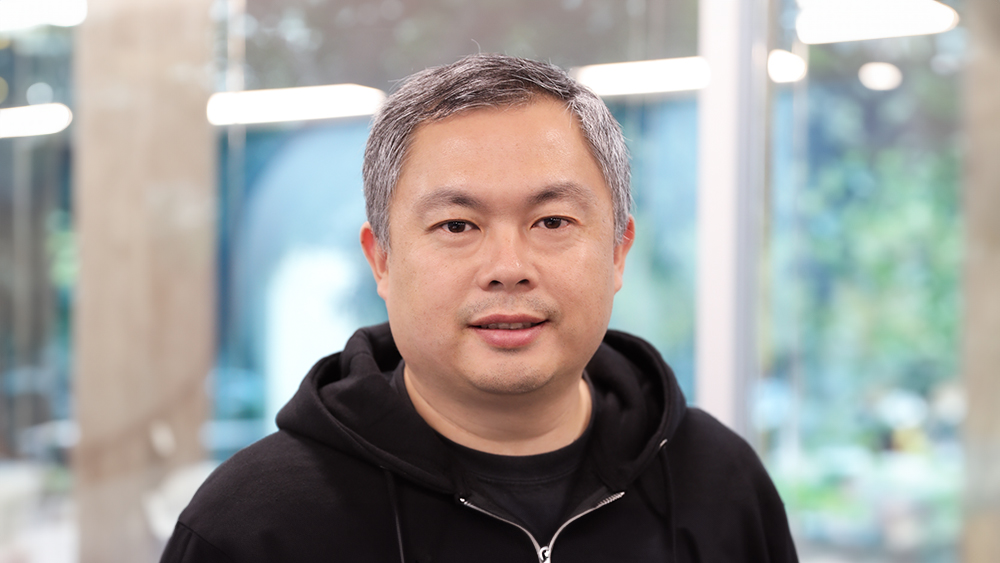
Our guest for this edition is Larry Liu, co-founder and CEO of Weee! (exclamation mark included). Weee! is the leading online Asian supermarket in America, think Amazon but for Asian groceries. Larry is an exceptional founder, and his journey of immigrating to America without any connections into founding a company worth $4.1 billion truly exemplifies the American dream. As an aside, Han Yue and I were especially excited about this interview as avid users of Weee! ourselves. Without further ado:

The Origins of Weee!

Our first question for Larry was how the idea for Weee! first came about:

Originally, we started as a WeChat (Chinese messaging app popular with the American diaspora) group-buying company. I believe it was really an opportunity we observed around the 2014-2015 time frame. This was when WeChat became extremely popular among Chinese immigrants and many people formed WeChat groups to buy food together, among other things. We found this to be a very interesting business model. As you may know, I was an eBay seller for more than 10 years and was familiar with the traditional e-commerce model, which is search-based. So, when I saw the group buys, I thought it was a completely new model, not search-based, but recommendation-based. I believed it was very promising. That’s when we decided to quit our jobs and start the business. However, it turned out not to be the right model. We pivoted in 2017 because social buying was not what we thought it was. It was not the ultimate solution to solve the lack of service experienced by Asian Americans for their food needs. The delivery-to-home model is a much better model. So, we pivoted in 2017. I believe it’s one of the greatest pivots in history.

The reason we pivoted was because we couldn’t grow the original group buy model. We couldn’t raise money because we didn’t grow. This forced us to think very hard about the fundamentals. That’s when we realized that the reason most people used group buys was actually because they didn’t have easy, affordable access to the food they love. It wasn’t apparent in the beginning because people were group buying all kinds of things. But those were only distractions. When we thought deeper, it was about the food. That’s why we had to pivot. 

Following up, we asked Larry what lessons they were able to port over from their group-buying stage into their current business model:

We learned a lot during the group buying stage. We had already built some warehousing and delivery capability during the group buy era. Many vendors didn’t want to sell to the group leaders directly, so we had to build a warehouse to buy a lot of products from the vendors. We acted as the supplier to many of the group leaders. This already made us into the warehousing and delivery side of things. We also learned that people were willing to wait for great products that were hard to find. This gave us the confidence to not do same-day delivery or on-demand.

Obviously, we had to ask what were these products that people were willing to wait for:

It’s usually the products that are hard to find even at Asian supermarkets. For example, super fresh fish, very fresh produce, and fruits. In the early days of group buying, the Pacific Black Cod was very popular. People were buying pork bellies together because they were not easy to find in mainstream supermarkets. During winter time, a lot of Chinese immigrants make sausages themselves, so they buy a lot of pork bellies. 

One of our most popular items was Kyoho grapes. Kyoho grapes are not always available in Asian supermarkets. Additionally, Asian supermarkets have issues with consistent quality, the range of products, and the fact that a lot of people live far away from those supermarkets. That’s why those kinds of products were very attractive. During the group buy days, we would never do tofu, soy sauce, or green onions. Those kinds of products were not considered exciting for group buys. So we only would do, like I said, super fresh seafood or produce or restaurant food or things not so readily available.

The Business of Weee!

One of the big ongoing initiatives at Weee! is adding storefronts for more ethnicities, complete with their own goods. We asked Larry what opportunities and challenges they’ve experienced expanding into more ethnicities:

All of them are very underserved, which makes our business very attractive to all these ethnicities. If you look at U.S. history, there was a very important piece of legislation passed by Congress called the Immigration Act of 1965. It really started this whole demographic shift in this country. It’s a once-in-a-century shift. That’s when the Asian and Latino populations started to grow in the U.S. Right now, if you look at the Chinese population, five to six million people in the U.S., this group is still quite small, less than two percent of the U.S. population, so it’s very hard for mainstream supermarkets to try to serve the specific needs of Chinese Americans. It doesn’t make sense for them to focus on this two percent of the population and try to bring in thousands of products to serve them. That gave opportunities for offline Chinese supermarkets, but the offline model is not the ideal model to serve low-density populations. That’s why there aren’t that many such stores. 

Ranch 99 is the biggest Chinese supermarket chain. The biggest Korean chain is H Mart. It took them more than 40 years to build less than 100 stores. The reason is that the population density is not high enough for them to build thousands of stores. All the mainstream supermarkets have thousands of stores. But these ethnic ones can never achieve that, which means they will always be more inconvenient to access. And that’s physics. You just can’t have that many stores when the population is so low. The good thing for our business is that our model is a better model. You don’t have to drive to us, we deliver to you. We have very large warehouses and we can cover a very wide range. Another big advantage for us is that we can be authentic to multiple ethnicities. An offline Chinese supermarket can never be an Indian supermarket at the same time. An offline Korean supermarket can never be a Filipino supermarket at the same time. No matter how you design this, it’s impossible. But online, you go to us, the first thing we ask you to do is choose the store. You choose the Filipino store, it’s all Filipino. You choose the Vietnamese store, it’s all Vietnamese. We can really be authentic to multiple ethnicities, and that can only be done online.

One thing that caught our attention was Larry’s point about how sparse populations inhibit additional stores which inhibit accessible stores, which would make more people turn to online stores such as Weee! We were curious if the converse was true, whether or not customers use Weee! less in Asian-dense areas where there are accessible in-person stores, like in cities such as Cupertino, CA:

That’s actually not the case. We actually have a lot of customers in Cupertino. Here’s the reason: our assortment is not the same as offline Asian supermarkets. A lot of things we carry, they don’t carry, and a lot of things we carry consistently, they don’t carry consistently. The assortment of items is differentiated. We also have a third-party marketplace. Right now, we have more than 50,000 third-party marketplace products on Weee!, these are all products that brick-and-mortar stores don’t carry. We have sellers in Japan, Korea, and China. Some other sellers are local restaurants and local bakeries. For example, on Weee! you can buy a local bakery product at the same price you would pay in the local bakery, and that is just not available in other apps. You can go to DoorDash, you buy the same product, you pay 40 percent more, 50 percent more depending on what’s your total order value. We have a lot of products that actually aren’t available from Asian supermarkets. In fact, we have slightly better prices than Asian supermarkets because our supply chain is more efficient. Even if you live in Cupertino, we have a better selection and prices. Plus, you don’t have to go out. You don’t have to spend your entire Saturday afternoon grocery shopping. You have better things to do. I’m not saying offline supermarkets shouldn’t exist. That’s not what I mean. We actually don’t see them as competitors. I think that they will exist for a long time and a lot of people like shopping offline. That’s totally fine. We just try to serve underserved communities and we believe we have better products and services than anyone in the marketplace.

A common customer behavior in Asia that hasn’t quite made it to the US is browsing online stores. For instance, most people who go on Amazon already know what they want to buy and only search for that, you generally don’t wander a disparate tab and scroll through those listings. Given that Weee! targets people from Asia, we asked if Larry has noticed such behavior on Weee!

Our customers tend to browse more. With our design, we actually want people to browse more. There’s a common belief that grocery shopping is boring and repetitive. Almost every single website prominently features a ‘buy again’ option. Amazon does that because it makes sense. If you think of shopping as a chore, then it’s logical. However, we see grocery shopping, especially for immigrants, as an opportunity to discover exciting new things that they may not even know exist in the U.S. We always try to create that excitement. That’s why we want people to browse. These exciting products are also important for our user acquisition strategy. People tend to tell their friends about the exciting things they find on our site. If you buy things from Amazon or Safeway, you probably won’t tell your friends about it because it’s the same old thing. But our customers actually tell their friends a lot after they buy something from us because we offer a lot of exciting products.

For our readers (and ourselves!), we asked Larry for examples of some of these exciting products on Weee!:

Nowadays, we’re really strong at seasonal fruits. We really care about flavor because our customers do too. We carry things like the Ori Mandarin from Israel, which is very tasty. Our dragon fruits and coconuts are super popular. In fact, we’re America’s largest retailer of fresh coconuts.

It’s fascinating because this ties in with our multi-ethnicity strategy. We have a lot of customers from different ethnicities. People from Vietnam, China, the Philippines, Southeast Asia, and India all consume coconuts. We are the only place that aggregates so much demand for coconuts and our price is unbeatable. For instance, if you go to Whole Foods, a coconut costs $4.99 each. If you buy on Weee!, it’s $14 for nine. It’s the best price on the market and our volume is really big. We’re also strong in fruits, vegetables, and hot pot-related products. We have all kinds of sliced meat, lamb, beef, pork, and different sauces and vegetables.

Larry’s Personal Growth

Although Weee! is not Larry’s first venture (he did some dropshipping previously), it is the first business he has scaled. As such, we asked him about his process of learning how to be a leader:

It was not very natural. It was a very steep learning curve for me. I managed like two people before I started Weee! at my previous company where I worked in finance. So I had very limited management experience, but as a founder CEO, you just have to learn everything on the fly. Not just managing people, but also how to raise money, how to come up with business strategies, and how to communicate the strategies to your team. 

I read a lot of books. I like to read. So I guess I had some knowledge on paper. This was my opportunity to apply that knowledge to the real world. I also reflect a lot. I’m a huge believer in deliberate practice. So I think I approached the job as something I need to really break down into different areas. For each area, I try to have some mechanism to get feedback and to check whether I did well or not so well. One of the reasons I was really attracted to retail is because retail gives you a very fast feedback loop. If you do a B2B business or pharmaceutical, it can take years for you to get the feedback. But in retail, if you do something right, you can literally see the results in minutes.

Also, I later realized that my finance background gave me an unusual habit. I try to forecast everything. For a lot of people, if you ask them about their strategy, they can’t tell you the impact of that strategy. I think forecasting is important because it requires understanding the mechanism between the input and the output. It also gives you the chance to constantly compare your expectations to the actuals, allowing you to fine-tune your understanding of the business. That feedback is very beneficial for improvement. 

I also hired really good people and learned from them. Our COO is very experienced. When she joined us, she managed teams with hundreds of people. I learned a lot from her. A lot of our management practice is what she brought to us. It’s really a combination of learning from experienced leaders and your own curiosity to constantly get better, to seek feedback, and just a lot of hard work.

We followed up by asking Larry if wished that he had done anything differently in his journey:

I think everything that happened was necessary. If I went back and told myself 10 years ago the things I know today, I still wouldn’t learn from my own advice. There are so many management books, and so many wise people out there. They give talks. Can you really learn from that? Even this conversation, can you really learn from this? I don’t think so. I think it’s just one piece of information. When I read a book now, I see it as one data point, one piece of information. I have to actually do it or be in the process of doing it, then revisit the concept I learned on paper and try to connect that concept to my real experience to make it part of my own. But without the doing part, the information is just a piece of information, nothing more. I could go back and tell myself a lot of things, but it wouldn’t help me 10 years before.

I have the habit of reading certain books over and over again at different stages of my life. For example, one of my favorite books is Sam Walton’s autobiography, “Made in America”. It’s very interesting. Throughout my journey, every time I read it, I pick up different things. The book didn’t change, I changed. A lot of things I didn’t understand before, but now I can understand because my experience grew. Sam Walton, I think when he wrote the book, he was diagnosed with cancer already. He probably gave everything he knew and put it in the book, but unfortunately, most people don’t understand all those things. They have to experience it and then they can relate to that. That’s why I think reading a really good book over and over again is a good idea.

I had heard Larry talk about Sam Walton in other interviews before so I figured that Walton must be one of Larry’s favorite entrepreneurs. We asked Larry what draws him to Sam Walton:

There are a few things I really admire about him. Firstly, in his whole life, he only did this one thing. He started Walmart and then he just stuck to it. He spent his whole life working on that. I’m attracted to that kind of entrepreneur. I’m not attracted to so-called serial entrepreneurs. I admire people who just try to do one thing super well, the best in the world. Also, he’s kind of an underdog. He was in Arkansas, a Midwest town. For a long time, Walmart only served towns with less than 5,000 people. It’s like how we at Weee! focus on serving minorities.  But he, as an underdog, built a business against all the odds. He started in the late 40s, and early 50s. His company went public around 1980. It took him 30 years to bring the company public. But even going public was just the beginning. In the next 20 years, I think Walmart’s stock price grew like a thousand times. Now, I think it has the most revenue out of any U.S. company. He was the richest man in America, but he lived a very simple life. His values very much match my values. So, I do see the parallels with us. If you read his book, you will love him. He’s very simple. I like a simple life. I don’t want things to be so complicated. Just figure out one thing you want to do, and then go for it and spend the rest of your life pursuing it. 

Asian Representation and Identity

Given that Weee! is the largest platform selling ethnic foods, we asked Larry how he sees Weee!’s role in enhancing the representation of ethnic food in the broader American landscape: 

We actually have a lot of mainstream users, and they’re growing very rapidly. We are the top seller on TikTok Shop in the U.S. in the food and beverage category. Almost all our customers on TikTok are mainstream Americans. I think it’s a less intimidating way to shop for products from another ethnicity if you do it online. Let’s say it’s a Middle Eastern store. You just want this one thing, you really like the lamb, what do you have to do? You have to drive to the store, go in, and it’s very unfamiliar. The barrier for mainstream Americans to try Asian supermarkets is a lot higher if they try to do it offline. It’s a lot lower if they do it online.

Personally, I found this extremely insightful as I had never thought of that. When you go to ethnic grocers such as Ranch 99, the store employees sometimes don’t speak very much English. I never thought much of it since I can speak the language, but I can see how the experience could be a lot more intimidating than buying online. For our next question, we asked Larry how being an Asian immigrant has impacted your founder journey:

I’m a first-generation immigrant. I came to the U.S. 20 years ago. My experience really put me in the position to do this business. That’s why I want to be like Sam Walton. I think this is almost a perfect business for me, and I want to keep doing it for as long as I can. There are so many smart people in the world, but what you can accomplish has a lot to do with what position you are in to see and recognize a great opportunity. I just felt like I was at the right place at the right time and I had the right experience and I met the right people. I owe everything to my background as an Asian immigrant to do this business. There were a lot of challenges in the early days. It was very difficult to raise money because people in the VC industry, the mainstream investors, didn’t really understand this opportunity. They couldn’t relate to it. But we were lucky enough to find Asian partners from those investment firms in every round of financing. I think I counted eight or nine rounds. In every single round, there was at least one Asian partner in the deal. They understood what we were trying to do.

Shoutouts

If you ever find yourself looking for Asian groceries, please consider joining millions of other users and trying out Weee! You can order on the web at https://www.sayweee.com/en or through the app, which you can download from all major app stores.

Weee! is also looking to grow their exceptional team across all functions. If you would like to work at the fastest-growing ethnic e-grocer, please check out their available job openings at https://www.sayweee.com/company/careers.

Thank you Larry for joining us!
Related Articles

Carl Pei-jpg

Awaken* newsletter

Quick Tips with Carl Pei

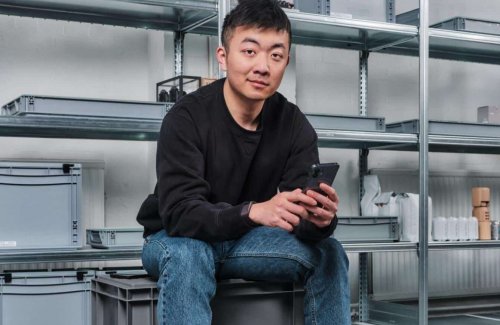
Quick Tips is a condensed version of our longer-form articles where we offer some quick one-off tips from established Asian founders. In this edition of Quick Tips, we spoke with Carl Pei, co-founder and CEO of Nothing Technology–a consumer electronics startup seeking to challenge the smartphone giants and make tech fun again.

Lots of my friends are debating whether or not to quit their jobs to start their own company. What factors would you recommend them to consider when making this decision?

It depends on whether we’re talking about a proper company or a lifestyle business. If it’s the former, remember that most startups fail, and to increase the odds of success you have to be really great at something. I recommend them to think about what they currently are, or want to be great at, and how that can be leveraged into a business. If they don’t currently possess those skills, they should think about how they can best acquire them.

You’ve mentioned that you want to make tech fun again. Why do you think consumer tech has lost its luster? Why aren’t there more companies like Nothing trying to shake things up?

Consumer tech doesn’t have a healthy ecosystem of competing companies at different lifecycle stages. When companies in this sector get big, they can protect their margins and block startups from competing for a very long time. The natural barriers to entry are already very high to making complex consumer tech products. This, coupled with technology moats and user network effects, and the entry barriers become almost insurmountable.

Steve Jobs had a famous quote: “Some people say, ‘Give the customers what they want.’ But that’s not my approach. Our job is to figure out what they’re going to want before they do.” Is this an approach you subscribe to? 

This saying is correct if the company is able to afford a risk like this, and the source of risk tolerance is free cash flow and defensibility. I believe in building a solid foundation upon which we can take risks. In practice, that means starting with giving people what they want, and gradually shifting to figure out what they’re going to want before they do.

You’ve mentioned the importance of having a creative culture at Nothing. What actions have you done to actively cultivate the culture you want at Nothing? How do you plan to scale this culture when Nothing expands as an organization?

At such an early stage, the people we choose, and the things we choose to work on defines the culture. As we expand, we don’t have to reinvent the wheel in terms of culture management strategies. We just need to tailor the tactics to the culture we intend to build.

What’s the biggest risk you’ve taken at Nothing and how did it pay off?

We haven’t taken any big risks yet; we’re still building our foundations.

Where do you see opportunities lie in Asia these days? What drew you back to Asia when you moved for the opportunity with Meizu?

They say “A rising tide lifts all boats” right? Looking ahead, if we’re talking about Asia, there should be plenty of opportunities in India and Southeast Asia. When I moved back to Asia, it was more based on a gut feeling, but in hindsight I benefited a lot being in China during the years of its fastest economic growth.

You’ve been a founder in both China and London–has your experience being an Asian founder differed in the two countries?

Not that I can think of. Different regions provide access to different types of talent, and we try to be thoughtful about where we can find the best people for the different objectives that we have to accomplish as a company.

Stories

The Bill Imada Top 50 Unsung Heroes 2024

As we celebrate Asian Pacific American Heritage Month, we pay tribute to the Bill Imada Top 50 Unsung Heroes, individuals whose extraordinary acts of bravery, selflessness, and community service have often gone unnoticed.

Nominated by the community and acknowledged during the Uplifted Conference 2024, these heroes represent a diverse array of backgrounds and accomplishments, each leaving an indelible mark on the community.

Join us in honoring these Unsung Heroes, amplifying their remarkable achievements, and recognizing the profound impact they’ve had on shaping a more inclusive and empowered society.

The Bill Imada Top 50 Unsung Heroes 2024

Glenn Boulware

Sr. Director, Ethnic Expansion, Weee!

Glenn Boulware is the Senior Director, General Manager (Merchandising & Marketing) at Weee!, the premier online grocery platform serving Asian communities in the US. In this capacity, Glenn oversees the expansion of ethnic markets, including assortment management, supplier acquisition, category management, new user acquisition, content marketing, and user retention strategies.

Jess Choi

Asian Segment Lead, Northwestern Mutual

Jessica Choi is a dynamic and influential leader in the field of Diversity, Equity, and Inclusion and currently serves as the Asian Segment Lead at Northwestern Mutual. With over two decades of experience in corporate and nonprofit leadership, she empowers individuals to excel while fostering inclusive work environments. Jess has earned prestigious awards for her community engagement, leveraging her academic achievements and practical experience to drive business success.

jason chu

Idea Architect / Rapper, Team Not Lazy

Jason Chu is a prominent figure in the national Asian American scene, known as both a rapper and activist. With his high-energy performances and hard-hitting lyricism, Jason’s music has been featured in various mediums including video games, film, and TV shows like Valorant, Joy Ride, and Mayans MC. Beyond music, Jason is an activist educator, offering clarity and urgency on issues of history, racial justice, and Asian American political and social identity.

Andrew Dinh

Director of Talent, Clique-Now

Andrew Dinh serves as the Director of Talent at Clique-Now, a company focused on nurturing the careers of prominent Asian talent. He brings years of experience in influencer marketing and hosting webinars and workshops for platforms like TikTok and Vigo Video. Prior to talent management, he spent over a decade in education, teaching in various public and private schools in Los Angeles.

Joy Fan

Founder, CEO, re/tell

Joy Fan is a trailblazer in the retail and real estate sectors with over 15 years of experience. She recently launched a B2B booking platform using machine learning to match online brands with excess space in mixed-use storefronts, providing a solution to the evolving needs of the $17 trillion real estate industry. Additionally, she actively works with Mayor Eric Adam’s NYC Small Business Advisory Commission, ACE NEXT GEN, and NYC Chapter Lead of Stand with Asian Americans.

Christian Franz

Founder, Friends of Franz Podcast

Christian Franz is the driving force behind the Friends of Franz Podcast, a globally streamed platform aiming to debunk medical misinformation, humanize healthcare workers, and advocate for minority representation in medicine. As a registered nurse in New York City, Christian’s expertise spans cardiac surgery recovery, cardiology, and public health. He’s also the Creative Lead of “The Asian Care Unit,” promoting mentorship and activism within the API healthcare community. Beyond healthcare, Christian is a successful content creator with two YouTube Silver Creator Awards, focusing on lifestyle and entertainment topics.

Katsuhiro Furuyama

Co-President, Ascend NorCal

Katsuhiro Furuyama boasts over a decade of active involvement, starting as NorCal Co-Vice President in 2019 and currently serving as Senior HR Business Partner at Robert Half. Recognized on the DE&I Influencers list by Staffing Industry Analysts, he is committed to fostering diversity, equity, and inclusion (DE&I) in the workforce. Amidst evolving headlines, Katsuhiro remains steadfast in making DE&I a top priority, tirelessly working to transform the work environment into an inclusive space where everyone thrives.

Julia Gouw

Former President and COO of East West Bank

Julia Gouw, retired President and COO of East West Bank, is a five-time “25 Most Powerful Women in Banking” honoree. Recognized for her leadership, she champions Asian representation in entertainment, serving on the board of trustees for the Academy Museum of Motion Pictures and being honored as an “Entertainment Game Changer” at Asia Society Southern California’s 2021 U.S. She was also recently inducted into 2023 Outstanding 50 Asian Americans in Business by the Asian American Business Development Center (AABDC).

Peter Huang

Co-Founder, Golden Guide

With over two decades of experience, Peter Huang has provided leadership and operational oversight for various nonprofits, corporations, and startups, driving sustainable growth and maximizing revenue potential. Specializing in performance marketing, Peter excels in developing strategies for multi-channel marketing services, including go-to-market strategies, advertising campaigns, and lead generation.

Jane Hyun

Founder & CEO, Hyun & Associates Inc.

Jane Hyun is renowned as a leading authority in leveraging culture and diversity to drive business growth and innovation. She has worked with corporate clients worldwide, guiding leaders to bring their full selves to the workplace through her Cultural Fluency in Leadership program. With bestselling books like “Breaking the Bamboo Ceiling” and numerous media features including CNN and Harvard Business Review, Jane is committed to closing the Asian leadership gap in corporate America.

Ariba Jahan

Head of Transformation at Anomaly and Founder of Up Next In Tech

Ariba Jahan fosters change in the technology and creative sectors, using her voice to initiate vital discussions and create impact. As Head of Transformation for North America at Anomaly, she spearheads innovative solutions in digital products and organizational strategy. Ariba also founded Up Next In Tech, a podcast discussing emergent industries and responsible innovation. Her work tackles societal issues like mental health awareness and COVID-19 education.

Michelle MiJung Kim

Author & Activist, The Wake Up

Michelle MiJung Kim is the award-winning author of “The Wake Up: Closing the Gap Between Good Intentions and Real Change”. She is CEO and co-founder of Awaken, where she has consulted hundreds of giant organizations and executive leaders. Michelle also serves on the board of Asian Americans for Civil Rights and Equality (AACRE) and has been named LinkedIn’s Top Voice in Racial Equity, Fast Company’s Queer 50, and Medium’s Top Writer in Diversity three years in a row.

Jennifer Kong

Community Leader

Jennifer Kong is a powerhouse community leader known for her commitment to making a positive impact. As the Executive Director of Asians in Advertising and a member of TeachAAPI, she contributes her versatile skills to drive growth and empower others. Jennifer also supports Asian founders and community leaders through initiatives like ACE NextGen and AHN, using her warmth and approachability to foster collaboration and meaningful change.

Sumi Krishnan

Entrepreneur, Dream Life

Sumi Krishnan is an entrepreneur and artist most known for founding and building a 200-person IT and management consulting firm, which serves healthcare and national security solutions for 8 federal government agencies. With a Master’s from Harvard Kennedy School, she led growth for a civics-education platform called Resistance School and recently started pursuing her passion as a singer-songwriter in LA.

Natassia Kwan

Attorney & Activist, Sheppard Mullin LLP

Natassia Kwan, recognized by the American Bar Association as a “Top 40 Young Lawyer-On the Rise,” serves as National Alumni Co-Chair of the ABA Judicial Internship Opportunity Program (JIOP) and Co-Chair of the Minority Bar Coalition (MBC) and AABA Women’s Committee. As an immigrant and mother, Natassia is passionate about impacting positive change for future generations. Natassia also served as a Parliamentary Researcher in the United Kingdom House of Commons, culminating in a presentation to Prime Minister Gordon Brown.

Michael W. Lai

CEO & Co-Founder, AsianFeed

Michael W. Lai is the CEO and co-founder of AsianFeed, a leading Asian-centric digital media brand with over 500,000 followers and 25 million monthly reach. He also co-founded Century Glow, a skincare brand, and Potluck Showdown, an Asian-inspired entertainment brand, collaborating with major organizations like Netflix, Disney, and the White House. Michael’s innovative work has earned him a Long Island Innovator of the Year recognition, and a Clinton Foundation grant award.

David Lam

Founder, Tech2table

David Lam is the visionary behind Tech2table, leveraging his extensive experience as a Product Leader in big tech and startups. With over a decade of expertise advising and investing in various companies, David founded Tech2table as a social enterprise in April 2022. His mission is to foster a community-driven approach to empower individuals in the tech industry, ensuring everyone has a seat at the table. In less than a year, Tech2table has amassed over 500 members, established partnerships, and facilitated meaningful connections through innovative in-person dinners and experiences, with plans for global expansion underway.

Joshua Lee

Founder & CEO, Ardius

Joshua Lee is the Founder and CEO of Ardius, a SaaS platform acquired by Gusto for its expertise in tax credit optimization. With over 13.5 years of experience at Ernst & Young, Joshua led their West Coast Practice for Quantitative Services. He previously founded Two Coins Group and VentureTwelve, venture building studios that developed MVPs and spun out promising ideas into companies, resulting in over 8 exits. Currently serving as a venture partner/advisor/scout at multiple firms, Joshua’s family office invests in early-stage companies and advises startups like OrderGuru, Xrossworld, and ServiceMob.

Michelle Lee

Counsel, Stand with Asian Americans

Michelle Lee is a volunteer counsel with SwAA with a focus on supporting the Workplace Justice Initiative. Michelle most recently served as the General Counsel of Investments at Portfolio Advisors, a private investments firm with over $40 billion in assets under management during her nearly 15-year tenure. Prior to her role with Portfolio Advisors, she worked at Latham & Watkins as a corporate attorney. She graduated from Yale University and earned her law degree from Yale Law School. She is currently based in the New York area.

Soo Jin Lee

Executive Director, Yellow Chair Collective

Soo Jin Lee is a licensed marriage and family therapist, executive director of Yellow Chair Collective, and cofounder of Entwine Community. Integrating her background in fine arts, she emphasizes holistic healing and creativity in her work with individuals and groups. Furthermore, Soo Jin has co-authored a book, ‘Where I Belong: Healing Trauma and Embracing Asian American Identity,’ which provides a vital resource and healing guide for the Asian and Asian American community.

Amy Lew

API Community Supporter

Over the past decade, Amy Lew has dedicated her time to volunteer work, supporting various API non-profit organizations in the Los Angeles area. She has been actively involved with organizations such as CAPE, the Chinese American Museum, and East West Theater. Notably, she co-chairs the non-profit APA Holiday Toy Drive, which aims to provide toys to API beneficiary organizations in the LA area during the holiday season.

Helen Ma

National President, Project by Project

Helen Ma, a first-generation Chinese American born in Colombia, has dedicated herself to community service since middle school. With a background in Human Resources, she excels at aligning organizational goals with employee engagement objectives. Beyond her career, Helen serves as the National President of Project by Project, a volunteer-driven AAPI organization supporting underserved causes. She brings five years of experience in this role, previously serving as the San Francisco Chapter President.

Elenor Mak

Founder & CEO, Jilly Bing

Elenor Mak is a seasoned entrepreneur with a track record of success in both venture-backed companies and corporate innovation teams. She created Jilly Bing to break down stereotypes and provide a positive reflection of Asian-American girls through dolls. Prior to that, she co-founded Keaton Row, an e-commerce fashion company, and led the go-to-market strategy for Target’s Entrepreneur-in-Residence team. Elenor also played a pivotal role at Madison Reed, overseeing the opening of flagship locations on both the East and West coasts.

Tracey Nguyen Mang

Founder, Vietnamese Boat People Podcast & Nonprofit

Tracey Nguyen Mang left Vietnam at the age of three during the refugee exodus. In 2018, Tracey started Vietnamese Boat People (VBP), to preserve stories from her community and empower others to explore their family histories and personal narratives. Through VBP, Tracey transforms oral histories into accessible storytelling formats, lending VBP grants from institutions like the New Jersey Council for the Humanities, PRX/Google Podcast Creators Program, and NatGeo.

Jessica Millete

Founder, co-mrkt

Jessica Millete is the founder of co-mrkt, a community in Los Angeles empowering emerging AAPI creators through events and collaborations. Established in response to anti-Asian violence, co-mrkt spreads joy and supports small businesses while amplifying AAPI voices. Jessica, balancing her full-time job in music sync licensing, dedicates her free time to building and nurturing co-mrkt, driven by her passion for fostering creativity and community.

George Chunkau Mui (梅 振 球)

Founder, Asian American Executive Network

George Chunkau Mui is the Managing Partner of Global Consultants United and the Founder of the Asian American Executive Network (AAEN). He has 20 years of experience in R&D and Product Management at Lucent Technologies. In 2019, he retired from the U.S. Department of Commerce – Minority Business Development Agency. He’s dedicated to community service and has received numerous awards for his contributions. He founded AAEN in 2013 to bring executives and advocates together, organizing impactful events that benefit the community.

Linda Nguyen

Founder, The Ugly Bao

Witnessing her parents’ scarcity and career barriers, Linda Nguyen founded The Ugly Bao as a mission-driven, company focusing on hiring, training, and mentoring immigrant and first-American born folks. Her team embraces whatever life’s challenges and turns them into hopeful goals.

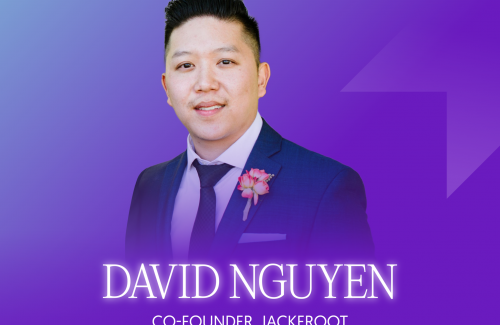
David Nguyen

Co-Founder, Jackfroot

David Nguyen was a beloved leader in the AAPI community, known for his mentorship, advocacy, and diverse talents. To many, he embodied kindness and inclusivity, having experienced the challenges of being a minority firsthand. David’s vision for Jackfroot was to create a platform where individuals could express themselves without fear of discrimination or bullying. Through his dedication to amplifying Asian American voices and championing social justice, David inspired countless individuals to stand up for what is right. Though he is no longer with us, David’s legacy lives on through Jackfroot and the lives he touched.

Anne Nguyen Oliver

Founder – CEO, House Of M Beauty

Anne Nguyen Oliver’s skincare line specializes in gentle treatments for sensitive and postpartum skin, using medicinal saffron as a key ingredient. She is passionate about inspiring the next generation of Vietnamese Americans and others to pursue their dreams and give back to the community through philanthropic endeavors.

Paige Park

Senior Loan Officer, CrossCountry Mortgage

As a dedicated loan officer, Paige Park specializes in transforming the dreams of homeownership into reality. With a track record of success, Paige takes pride in guiding individuals who have faced rejection by multiple banks to the coveted status of loan approval, empowering clients to overcome obstacles and secure the financing needed.

Esther Park

Content Creator

Esther Park, a Korean American content creator and mother, is deeply committed to the non-profit and social justice sectors. Beyond sharing motherhood and lifestyle content, she views her platform as an opportunity to effect positive change, advocating for justice and equity in a troubled world. Esther’s authentic, engaging, and down-to-earth content resonates with her followers, fostering genuine connections and meaningful engagement.

Kat Pham

Director of Partnerships & Marketing, ACE NextGen

Immigrating to the U.S. from Vietnam, Kat Pham navigated the challenges of being a first-generation immigrant and found her dream workplace in ACE NextGen, where she contributes in empowering women of color. Her contributions are proven by her work empowering AAPI millennial entrepreneurs. Beyond her career, Kat is also a yoga practitioner, mindfulness mediator, and nature lover, who strives for harmony in both physical and mental well-being.

Linda Phung

Founder, ImaginAsian Productions

With a background in events, public relations, fundraising, and youth mentorship, Linda Phung founded her own production company specializing in Asian Entertainment and promoting Asian artists. Her goal is to further uplift her community while encouraging others to get involved. Linda also volunteers her time to philanthropic causes that aim to serve underprivileged communities and advocates for the challenges the ethnic community faces.

Bhavani Rao

Founder, South Asian Women In Entertainment and Co Founder, South Asians in Entertainment

Bhavani Rao is a multifaceted entertainment industry expert known for her talents as a producer, writer, leader, and mentor. With a focus on integrating diverse cultural elements into storytelling, she has a broad range of experience in television programming, production, transmedia storytelling, and development. She is the founder of South Asian Women in Entertainment (SAWIE), dedicated to amplifying the voices of South Asian women in Hollywood to achieve greater representation and inclusion.

Stephanie Seow

Head of North America, LOVEBONITO USA LLC

Stephanie Seow is a seasoned marketing and retail strategist in the fashion eCommerce sector straddling Asia and the US. She has helped the marketing teams to foster cultural diversity and high growth of venture-backed companies. As the North American lead for Love, Bonito, Stephanie resonates with the brand’s story as a first-generation Asian American woman, making her the perfect fit to introduce Love, Bonito to the U.S. market.

Priya Shah

Founder & CEO, The Simple Good

Priya Shah, a catalyst for social consciousness, is breaking barriers and empowering communities as a Chicago-based artist, entrepreneur, and creative visionary. Through her non-profit, The Simple Good, she empowers youth globally, earning recognition from the Obama Foundation, Crain’s Business Magazine, and Forbes for her unique perspective on humanity.

Lakhi Mangahram Siap

Chief Community Connector, Chicago Asian Network

As the founder of the Chicago Asian Network (CAN), Lakhi Mangahram Siap has spent over 15 years volunteering & providing pro-bono marketing services to AAPI organizations. While his leadership within the Filipino Young Leaders Program (FYLPRO) as a founding member & Immersion Program Director has bridged the gap between the Philippines and the U.S., he also extends his commitment to other organizations such as ACENextGen, Node, Gold Futures, Kapwa Capital, & the CalAsian Chamber and the outsourcing consulting firm TAIO.CX that supports Philippine talents.

Quynh Chau Stone

President, The Source of Hope

Quynh Chau Stone, or QC, is a dynamic figure juggling roles as a minority business owner, CEO of Stone Construction Consultants, real estate strategist, devoted mother, and tireless advocate. Leading The Source of Hope, QC spearheads initiatives aiding underprivileged communities, distributing over 5000 meals monthly, mentoring, and promoting holistic health. QC embodies compassion, resilience, and unwavering dedication to service, serving as a beacon of hope and inspiration.

Chris Tashima

Co-Founder, Cedar Grove Productions

Chris Tashima, an LA-based actor and director, gained recognition as the Oscar® winning director of “Visas and Virtue,” where he also starred as Chiune Sugihara. He’s appeared in notable indie films like “Americanese” and received a Best Actor nomination for “No No Girl.” Chris began his career at East West Players and has directed stage plays such as “Nihonmachi: The Place To Be.” He’s a member of industry organizations including the Academy of Motion Picture Arts and Sciences and SAG-AFTRA.

Chris Truong

Founder – Firefighter, Ondori Hydration

Chris Truong is a firefighter/paramedic serving a large Asian community in Orange County, CA, driven by his passion to assist others and improve community engagement. Recognizing a communication gap between emergency services and the Asian community, he founded Ondori Hydration, offering the first electrolyte drink mix with authentic Asian flavors and no added sugar. In a similar way to how he became a firefighter, he started Ondori because of the need for more representation and a way to unite different communities and people.

Jeff Tsai

Founder, Operation Ninjas

Jeff Tsai specializes in empowering C-Level Executives and Business Visionaries to navigate challenges and achieve their goals. Currently serving as the National Operations Manager of ACE NextGen, Jeff is dedicated to enhancing infrastructure to meet community needs. His previous roles include Operations Director at Project by Project and Advisor at Sunny Side, focusing on mental wellness app development. With a background in Ecology & Evolution from UCSC, Jeff brings a unique perspective to creating functional workplaces in dynamic environments.

Tim Wang

Founder, TDW+Co

Tim Wang founded TDW+Co in Seattle’s Chinatown in 2004 with a vision of inspiring positive and social impact within diverse communities. Since its inception, TDW+Co has produced over 1,000 campaigns for 100 brands in 30 languages, including notable projects like the 2020 Census and COVID-19 public education campaigns. Beside TDW+CO, Tim maintains his voluntary duties for social justice and DEIB, serving as a board member for Asian Americans Advancing Justice, 4As, ThinkNW and LA, and St. Jude Children’s Research Hospital.

Wendy Wo ng

Founder, JuneAdaptive.com

Wendy Wong is a proud Chinese-Canadian female founder and first-generation immigrant from Hong Kong. Having close family members who live with disabilities and a background in Fashion and Tech, Wendy founded JuneAdaptive.com to help people who live with disabilities find easy-dressing clothing. Featured in various media outlets, JuneAdaptive.com has positively impacted hundreds of families and individuals living with disabilities.

Henry Wu

Founder / Editor in Chief, Timid Magazine

Henry Wu brought together his passions for design and photography to launch Timid Magazine. Serving as both founder and editor-in-chief, Henry leads a talented team in shaping the editorial and aesthetic direction of the magazine, which aims to uplift diverse voices and foster connections through impactful storytelling. Alongside his role at Timid, Henry is also a digital designer, focusing on product development and visual storytelling. As a self-taught fashion photographer, his work has been featured in esteemed publications such as Men’s Health, Elle Singapore, Vogue Italia, and People magazine.

Tara Yang

City Commissioner, The City of Green Bay

Tara Yang has dedicated over a decade to amplifying marginalized voices and fostering inclusivity. Recognizing systemic barriers, Tara secured her place at decision-making tables and supported the City of Green Bay Mayor, Eric Genrich, in developing GB’s first anti-discriminatory ordinance, and won an appointment as the first Asian American City Commissioner for Green Bay. In 2020, she founded Green Bay’s first Asian American Resource Center to ensure that the Asian community receives critical support.

Gloria Chang Yip

Managing Director, Head of Asian Wealth Initiatives, JP Morgan Private Bank

Gloria Chang Yip is the Managing Director and Head of Asian Wealth Initiatives at J.P. Morgan Private Bank. Specializing in assisting founders and entrepreneurs with wealth management, she oversees client relationships in lending, wealth planning, trust and estate planning, and charitable giving. Previously, Gloria held roles at Cartier and is actively involved in promoting Asian American interests and equal education opportunities. She serves in leadership positions for organizations like Asian Americans Advancing Justice Southern California and TeachAAPI, and provides executive advisory support to BrainTrust.

Linda Yoon

Founder & Co-Owner, Yellow Chair Collective

Linda Yoon is the founder, co-director, and licensed psychotherapist at Yellow Chair Collective, specializing in Asian mental health. With over a decade of experience, she has served Asian and immigrant communities in various mental health settings such as workshops on responsive care, wellness, and ADHD. She is also the co-author of “Where I Belong: Healing Trauma and Embracing Asian American Identity,” and co-founder of Entwine Community.

Michelle Yu

Emmy Award Winning Journalist, Law and Crime Trial Network

Michelle Yu is an Emmy Award-winning reporter and anchor having covered breaking news and sports for more than a decade. She is currently an anchor on Law & Crime Trial Network, founded by Dan Abrams Media. She is the first Asian female sportscaster in New York City and also travels around the country as a host for various tennis tournaments including the US Open. Before SNY, she was at NY1 News.

Carrie Zhang

Founder, Asian Mental Health Project

Carrie Zhang, activist and founder of the Asian Mental Health Project, advocates for mental health equity, focusing on AAPI and LGBTQIA+ communities and survivors of sexual violence. Established in 2019, her project aims to empower Pan-Asian communities in accessing mental healthcare. Carrie’s work has gained recognition in media outlets like Vogue and TIME, and was even featured in the Academy Award-winning movie “Everything Everywhere All at Once” by A24.

Tianyi Joe Zhu

Co-Chair, Leaders Forum

Tianyi “Joe” Zhu, the Co-Chair of Leaders Forum, was honored as one of the “Top 50 Outstanding Asian-Americans in Business” by the Asian-American Business Development Corporation in 2017 and as a Business Leader of Color by Chicago United in 2019. He was also named one of the “Top 40 Asian Pacific Americans Under 40 in Politics & Public Affairs” by NAAPPPA in 2020. Additionally, Joe serves on the Chinese Mutual Aid Association executive board, an immigrant organization that has served over 1.3 million people in its 40-year history.

Yobe-and-Serena-jpg

Stories

They Met in AHN, Now They Started a Tech Venture to Revolutionize Publishing

In a world where AI is all the rage, two AHN members are using AI to champion authentic storytelling in the publishing industry.

As entrepreneurs and advocates for change, Yobe Qiu and Serena Li have made it their mission to champion diversity and inclusion in children’s literature, ensuring that every child, regardless of their background, sees themselves represented and celebrated. Now they are building a new platform together  – BookAnAuthor.com – which uses machine learning to make it easier for schools, organizations and corporations to book authors for events, and buy directly from authors.

A MATCH MADE IN AHN

We had the opportunity to have an exclusive interview with Yobe and Serena, whose journeys began with a chance encounter on the Asian Hustle Network community. Yobe is a serial entrepreneur in education and founder of By Yobe Qiu Multicultural Books and Toys, while Serena is the founder of Duck Duck Books and Eco Goods. It was here that Yobe and Serena found common ground:

Yobe: We were both members of the AHN group and I have posted a few times in the group to connect with other “hustlers.” One day I posted about looking for an editor in our community for our newest book, “I Am an Amazing Asian Girl”. I wanted to make sure my editor is someone who my book can speak to and Serena commented on my post that she could help. That was the start of our relationship, and AHN was our matchmaker! 

We started working together on that project and I was extremely impressed with her talent, dedication, and brilliance, we went on to do a few more projects together. What initially drew us to each other’s work was our experience in our fields, our respect for each other’s work ethics, and our support for each other to help one another grow. 

Serena: I am incredibly grateful that Yobe took a chance with me. During the pandemic, where in-person interaction was close to none, Yobe trusted me with her book – a stranger across the country. Our relationship is a testament to the power of community. 

ASIAN AMERICAN BOOKS EVERYWHERE ALL AT ONCE

Together, Yobe and Serena embarked on a mission to promote diversity and representation in children’s literature, culminating in the launch of the “Asian American Books Everywhere All At Once” campaign in April 2023. The campaign aimed to provide books featuring AAPI characters and stories to schools across the United States, championing authentic storytelling and cultural celebration:

Yobe: I was inspired by Michelle Yeoh when she said at the Oscars, “Every little girl who looks like [her] to know what’s possible. Dream big.” I wanted to provide books to schools that feature AAPI children, families, and cultures, to help our children feel represented and celebrated. That night, I called up Serena and two other author friends to join forces. We named the campaign, “Asian American Books Everywhere All at Once” as a spin-off from EEAAO’s huge win for the AAPI community in media! The name, despite being very long, received tremendous support among the community. It was very timely. Within a month, we exceeded our original goal and sent over 1500+ books to 20 schools across 5 states and donated books to them. 

Serena: All of the books we donated either featured AAPI characters or were written by an AAPI author. Our effort was a direct response to the book ban that was happening across the U.S. Instead of sitting still, we rallied our community at a grassroots level to support the schools around the country. 

DIFFERENT UPBRINGINGS, SAME GOALS

Yobe and Serena grew up from different backgrounds, but together, they draw upon their rich experiences to advocate for greater inclusivity and representation in children’s literature, ensuring that young readers from all walks of life feel empowered and inspired by the stories they encounter.

Yobe: Growing up surrounded by diversity and a very strong Chinese community in NYC’s Chinatown, I am proud of who I am and my culture because it was celebrated in the city. I wouldn’t be who I am today if it wasn’t because of the environment I grew up in. I’ve learned to be curious and make friends with people from all cultures growing up in the Big Apple. The hustling culture and welcoming spirit of New York Chinatown is ingrained in my DNA. 

My first job after graduate school was teaching. I wanted to discuss the Lunar New Year with my students, but there weren’t any materials that covered the diverse ways many Asian diasporas celebrate their New Year. I had students who were Korean, Vietnamese, Indian, and Thai in the classrooms, but most of the books were about the Chinese New Year. In my opinion, it was important not only to discuss the culture I was from but also to acknowledge the blended cultures my daughter’s generation would grow up in. So I took the initiative and wrote my very first book, “Our Lunar New Year: Celebrating the Lunar New Year in 5 Different Asian Communities.”

Serena: My experience was a bit different than Yobe’s. I moved to a suburb in Houston, TX at the age of 14 with my family. I didn’t speak any English. At that time, Houston wasn’t nearly as diverse. I remember my neighbors and classmates genuinely asking me, “Do Asians speak Asian?”. The road to immigration was hard, but I survived it. Being a 1.5-generation Chinese American, I identified equally as a Chinese person and as an American. 

Fast forward, now that I have children of my own, I look at them daily and ponder how they would identify themselves. I want them to grow up being proud of exactly who they are, their family history, and their blended cultures. I want to write books that hone in on the social emotional themes that are cross-cultural, so children can be kind to themselves and kind to others. I want to write books that are bilingual, so children of different cultures can learn to be open-minded. 

BOOKANAUTHOR.COM: YOUR GATEWAY TO LITERARY CONNECTIONS

Building upon the success of their campaign, they set their sights on a new endeavor: BookAnAuthor.com. This innovative platform, set to launch on April 15, 2024, aims to connect authors with schools, organizations, and independent bookstores, making literary engagements more accessible and fostering a love for reading among students nationwide:

Yobe: For the same reasons why literature should feature more diverse characters and stories, coming out of the pandemic, we see an increasing need for in-person literary engagements. There’s nothing that inspires students more than meeting their favorite authors. Currently, there isn’t a platform available that helps schools and organizations discover and book authors for events based on their requirements and constraints. The diverse authors, especially those who don’t have traditional agents representing them, are having a hard time finding which institutions are seeking authors for events at the moment. We want to build an ecosystem that offers literary services in a comprehensive way, from discovery to booking, from bulk orders to fundraising. Our tagline is “Your Gateway to Literary Connections”. 

Serena: Both Yobe and I are passionate about helping other authors. We each have consulting businesses helping authors realize their publishing dreams. Book An Author naturally becomes our next step. It allows us to take the learning from our very successful Asian American Books Everywhere All At Once campaign last year and scale it to support not only our immediate network but also the entire publishing community. We are here to use technology to disrupt the publishing industry! 

With BookAnAuthor.com, authors can showcase their profiles, books, and expertise, organized by zip code, rates, and availability. This allows for efficient management of bookings, event scheduling, and receipt of valuable feedback from schools, ultimately improving services and expanding audiences.

For schools, the platform simplifies the process of finding and booking diverse, vetted authors for visits, workshops, and other activities. It offers flexible discovery and booking options based on location, rates, and genres, as well as the ability to release RFPs and review customized bids systematically.

Additionally, the platform provides access to educational resources, enables educators to share feedback and ratings, and includes money-back guarantees and security features for easy booking processes.

CONNECT WITH YOBE AND SERENA / BOOK AN AUTHOR

“We are so grateful to have this community and if anyone has any insight for us, we are all ears. We are also happy to help anyone else in the community if they need help with publishing!” – Yobe Qiu

Book An Author: @BookAnAuthor (Facebook, Instagram, LinkedIn, TikTok) 

Website: bookanauthor.com 

Yobe Qiu, Co-founder and CEO, CFO: https://www.linkedin.com/in/yobe-qiu/

Serena Li, Co-founder and COO, CMO: https://www.linkedin.com/in/serenayli/

By Yobe Qiu – Multicultural Children’s Books and Toys: @ByYobeQiu (Facebook, Instagram, TikTok, Amazon) 

Duck Duck Books + Eco Goods – Multilingual, SEL Kids Books and Eco-conscious Gifts: @duckduckbooks (Facebook, Instagram, Threads, TikTok, Pinterest, Google, YouTube)

Jenny Woo_by Laura Brad Photo (1)-jpg

Stories

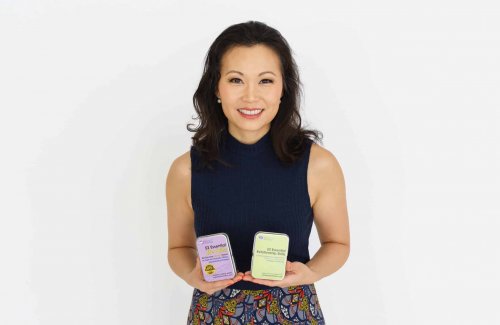
How Jenny Woo Builds Deeper Connections With A Card Deck Up Her Sleeve

Social media undoubtedly has brought our society many wonders. The connection it can bring and the impact it can make are undeniable. But along with the rise of platforms that prioritize online personas and shortcut conversations, profound connections feel like an endurance test.

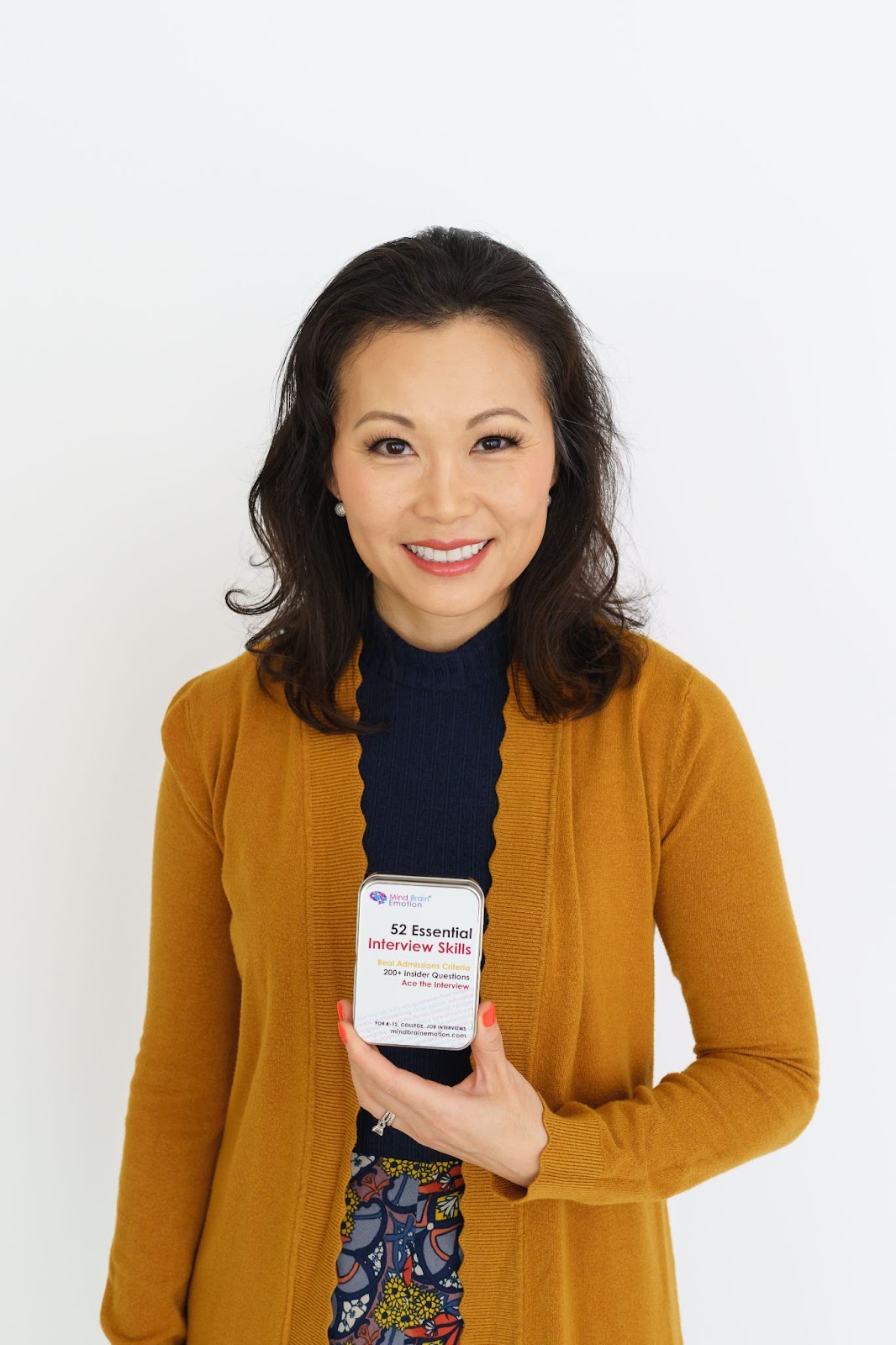
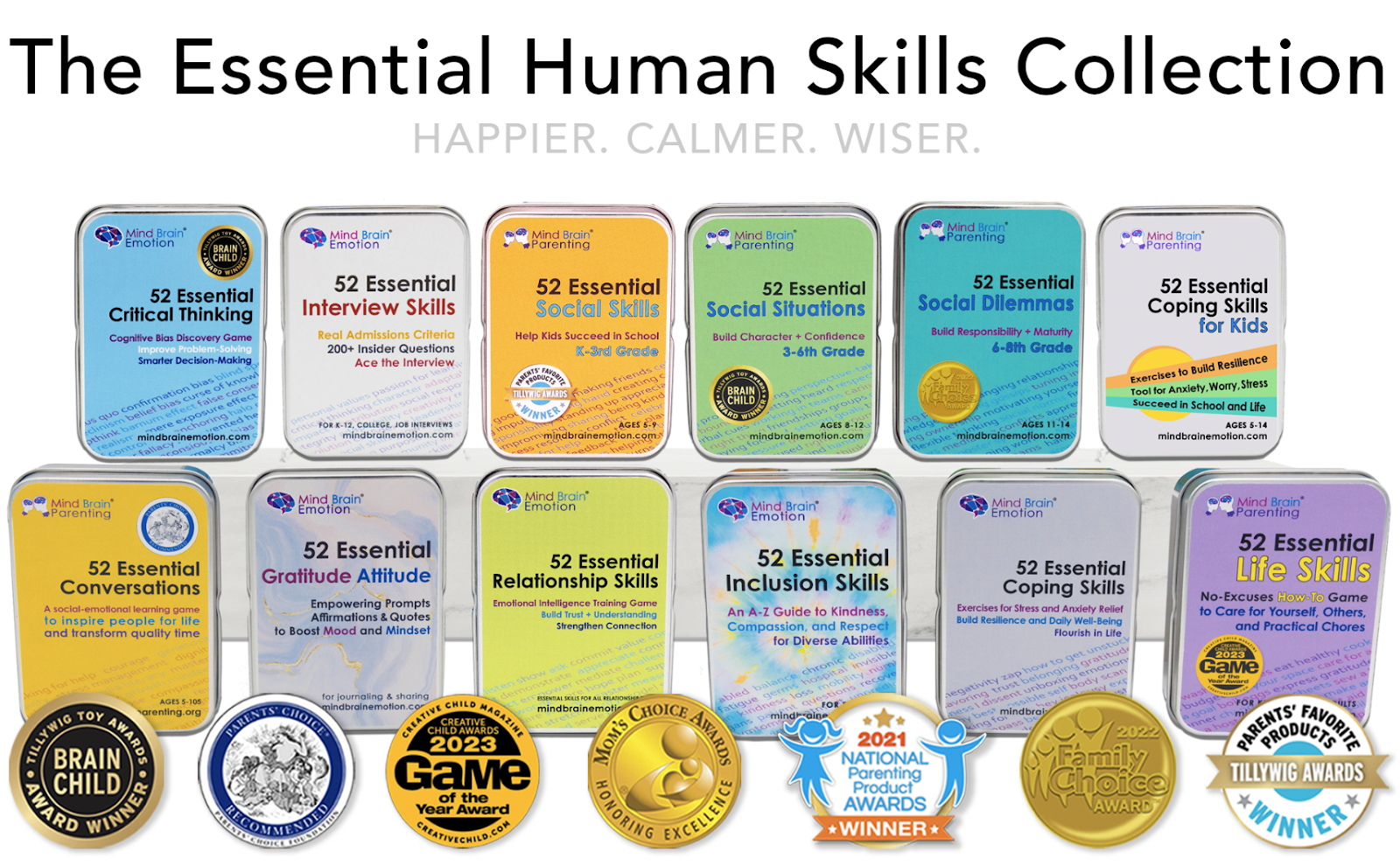
Jenny Woo, taking an emotional and deep-dive reading of this pattern, decided to develop the 52 Essential Conversations. She then established Mind Brain Emotion with the hope of helping people stay in tune with their emotions, building happiness, serenity, and wisdom. 

AN INCUBATION AT HARVARD

It was an insightful experience to have this exclusive interview with Jenny Woo, whose keen observation and curiosity have led her to the creation of Mind Brain Emotion, educational card games, and mental health tools to help people build essential human skills and connections.

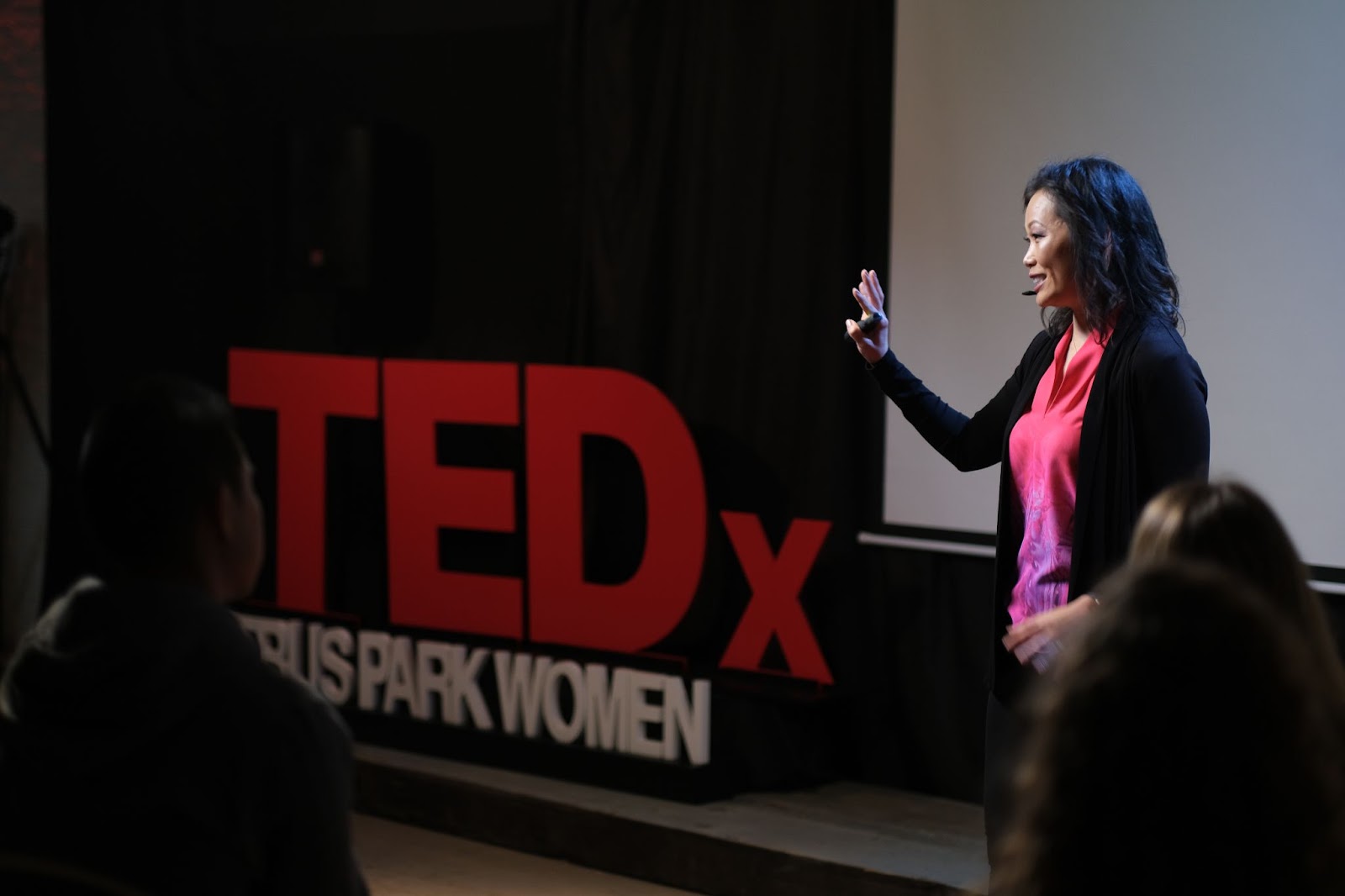
Delightfully quipping “I earned enough credentials so that my parents and grandparents could each have an honorary degree,” Jenny showcased a strong personality, one that is “resourceful, resilient, and hard-working.” As she would humorously refer to herself as a “knowledge smuggler,” Jenny dug up the problems in current education towards one’s emotional development:

During my study and research at Harvard, I was drawn to the intersection of emotional intelligence and cultural identity. Self-awareness, social awareness, and relationship skills were three key components of emotional intelligence. As a management consultant, executive coach, and HR leader, I had already observed how essential these skills were for career success. 

And yet, the education system did little to expose students to these skills. Teaching resources were scarce, expensive, and outdated, and only the most expensive private schools had access. I also interviewed Harvard and MIT students on what got them to be where they are today and realized that a large component was having access to essential conversations and connections with mentors and parents. 

Jenny also detailed the inspiration behind her first deck, 52 Essential Conversations, which came from careful investigation into neuroscience and social affairs:

My findings are also aligned with neuroscience research from Harvard/MIT on the power of conversations. For the average Joe or Jenny, like me, we had limited access to social capital and resources like this. So, it inspired me to translate emotional intelligence research and social capital into affordable and relatable card games to help everyone reach their potential. In my research, I also saw a lack of representation and conversations around diversity, equity, and inclusion in the emotional intelligence learning framework. For example, how could we practice self-awareness or social awareness if we didn’t discuss the role of race? Being socially aware is also understanding our privilege and past.

NAVIGATION THROUGH RACISM AND MISOGYNY 

Jenny’s journey was never met with only the appraisals but also the scathing criticism of her success as an Asian American. Her detractors claimed many misogynistic things upon her (“women like this die alone”) and called her a CCP spy, because it was never expected of a woman like her to achieve such success. However, it is the meaning of her work and the applauding reaction of her supporters that have kept her moving forward: 

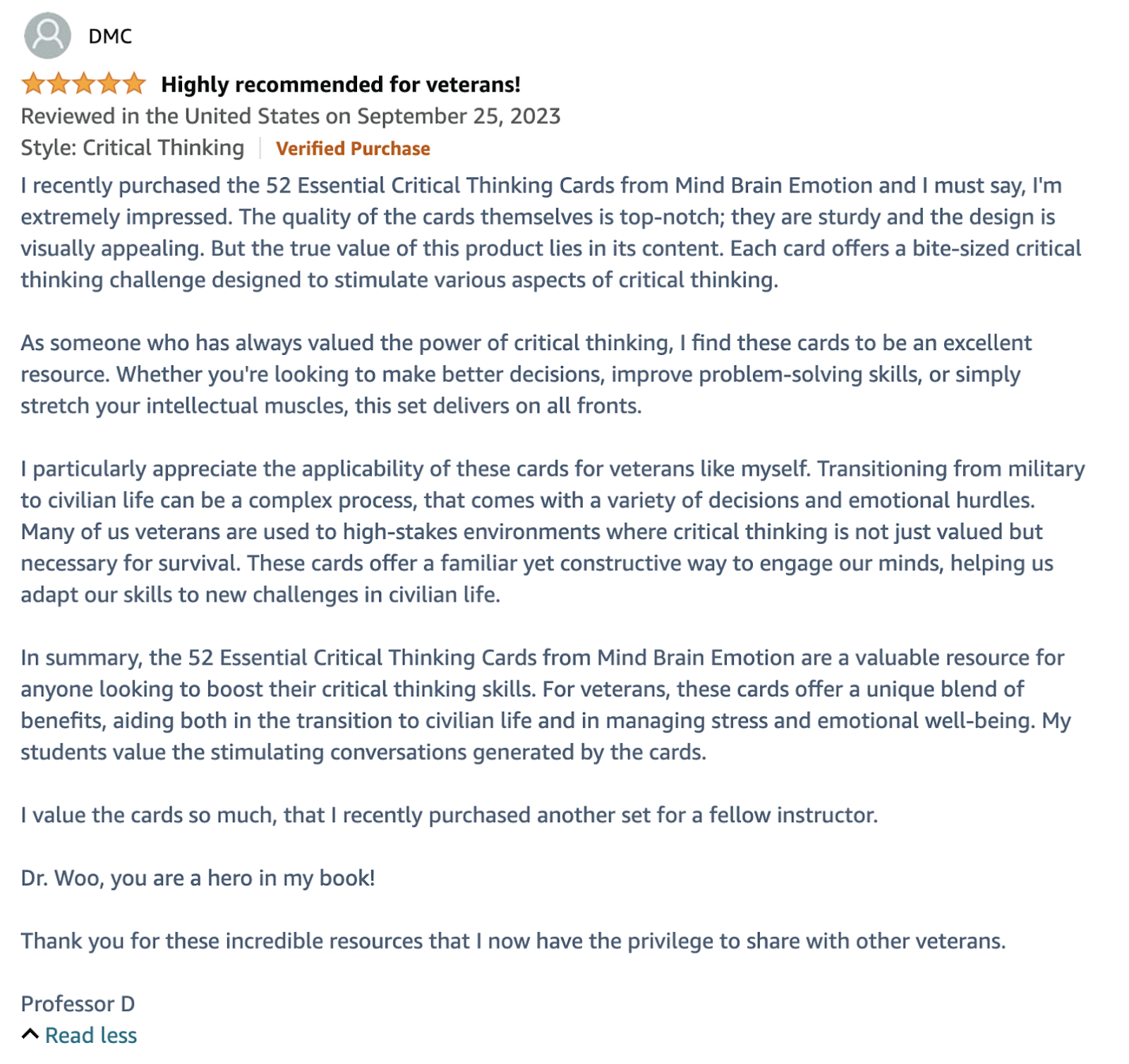
User testimonials are why I do what I do. My card decks are being used in ways that I had never imagined – in veteran hospitals and curriculums, in Federally-funded programs that support homeless youth and displaced families, in trauma-informed social work to help neglected and abused kids and adults, for Ukraine teen refugees, in speech-language therapy to help clients build reading comprehension, in community college and adult learning ESL classes to help immigrants learn language and networking, in gifted and talented programs to help students build both critical thinking and empathy, in workplaces for teambuilding and mentorship, etc. I’ve done university research on the utility of the card decks and it’s amazing to see it benefiting people from all socioeconomic classes, from poverty to affluence. 

At the end of a school district workshop I delivered, the school counselor told me that the divorced parents who had been on toxic non-speaking terms were surprisingly communicating warmly to each other and their child by the end of my hands-on workshop using the card decks. It’s anecdotes like this that keep me going.

AI, GEN Z, AND MIND BRAIN EMOTION

When asked about how AI has transcended society, she brought up the concerns for mental health, fearing the permeating scarcity of personal connection:

I was interviewed on an emerging study on the impact of AI on the mental health of workers (not just in the US, but also in the Asia Pacific) between the ages of 25 – 55. It found that workers were lonelier and craved more social interaction. I love tech and AI, and I believe they have improved the quality of our lives tremendously. However, in the context of emotional intelligence, it’s making it harder for people to experience authentic and unfiltered IRL emotional connections and social interactions. Lately, I’ve been interviewed a lot on emotional intelligence topics like how to initiate a conversation with strangers, phubbing, and how to cope with social anxiety and ghosting. Although people are now much more aware of the importance of mental health, I’m afraid that many are left with little practice (or willingness) for human-to-human connection. 

However, there’s always a silver lining. With the growing acceptance to talk about mental health among younger generations, Jenny sees a glimmer of hope in her products. They have the potential to support young people in fostering greater openness and understanding surrounding mental health issues:

I have a few more decks in the works that support Gen Alpha, GenZers, and Millennials. My card deck topics were created based on user feedback on their needs. For example, I created the 52 Essential Coping Skills during the pandemic to support my college students’ mental health. Many of the cards stemmed from a course I had been teaching, where I created practical Zoom games and assignments to help my students cope with the situations they were confiding in me. My class was oversubscribed with a long waitlist, so I made my exercises into this card game to offer instant support.

I created the 52 Essential Critical Thinking Skills in response to Black Lives Matter and Asian Hate crimes to give younger generations the tools for activism and advocacy. Most recently, a national youth-centered activism nonprofit organization contacted me to discuss collaborative partnerships to support our younger generations. We want to provide concrete tools to help our youth go from civic-conscious to civic-committed while managing the mental health toll of the geopolitical issues. Lastly, reaching younger generations through social media and YouTube would be great. I would love to collaborate with influencers who care deeply about mental health!

Speaking about her vision for Mind Brain Emotion, she expressed her desire to expand Mind Brain Emotion globally, especially in APAC:

I’d love to connect with publishers and distributors to bring evidence-based emotional intelligence resources into those countries. I believe these resources will benefit both the younger and older generations.

CONNECT WITH JENNY WOO / MIND BRAIN EMOTION

Website: http://mindbrainemotion.com

Socials: