Awaken* newsletter

May 16, 2024

SHARE:

Karat Financial is a startup that provides banking services to content creators. At first glance, you may think this is a non-issue, but consider that popular chess streamer Alexandra Botez was rejected twice when applying for a business credit card, despite bringing in over $100,000 a year through her content. Clearly, investors also agree that this is an issue. Karat has raised over $100 million from top-tier investors such as SignalFire, USV, and GGV.

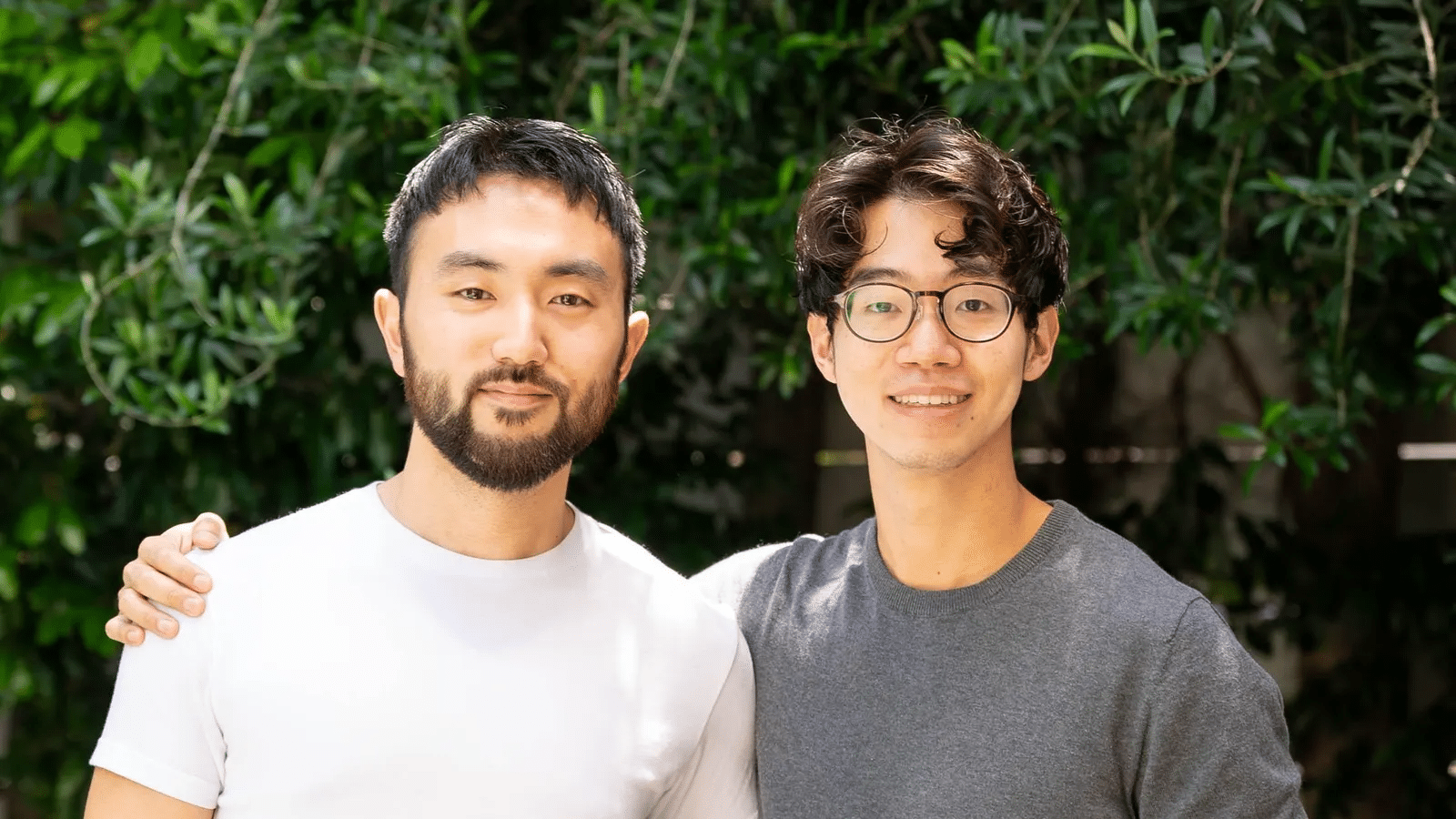
I had the honor to chat with Eric Wei and Will Kim, the co-founders of Karat. Eric and Will exemplify an ideal co-founder relationship, and I found them to be extremely thoughtful and insightful. Let’s get into it:

ENTREPRENEURIAL BEGINNINGS

Both Eric and Will have been entrepreneurs long before they had even thought up the idea for Karat. I asked them to talk about what their first entrepreneurial endeavors were:

Eric: I was going to say, Will was actually recognized in high school by President Obama for one of his early entrepreneurial efforts. Will, why not share?

Will: Sure. That was in high school. President Obama found out about this micro-lending organization I made, where I was lending money to high school students and underserved areas within the Bay, Oakland, Emeryville in particular, to high school entrepreneurs. I would say, “If I give you 500 bucks to start this business model that you have in mind, you’re going to pay me back after you make the money and we’re all going to be happy.” The lead up into that was just hearing about Kiva in an SAT prep book and thinking, “This is such a cool idea.” Kiva is a micro-lending platform that was taking off back in the early 2010s. I thought, “This is a cool idea. I’m going to intern for them.” I realized pretty quickly that interning for them is not as fun as just doing it myself. So I started my own micro-lending organization within the Bay. I saw the same wealth and equity problems that micro-lending is supposed to solve exist in the Bay, just as in these third-world countries. And I ran with it. What I quickly learned is that it’s actually very hard to execute well on what seems like a great idea. I found out the hard way. It’s easy to give money. It is a lot harder to get the money back. That was a kind of helpful testing ground for me. Eric, we’ve experimented with a number of ideas right before, haven’t we?

Eric: Yes, we have. I can share some quick context, too, from my side. One, just want to say, it’s pretty incredible that Will built a functioning company just as a high school student that continues to operate today. Even some of my Harvard classmates, actually, I remember there’s a guy I knew from Harvard. He graduated and he ended up working there. I was like, “Wow, this guy who was just a high school student built an institution that continues to perform and recruit quality people.” I’m not surprised Obama recognized him. It’s cool to build something that lasts and sustains, that’s trying to improve the financial system, but also something that’s just straight up helping people. I think that’s just really, really cool. I was reading about microfinance models like the Grameen Bank and such, and here Will was actually doing it. So I really, really just love how he did that. It’s one of the things I appreciated about him very early. On my side, similarly to Will, my early entrepreneurial efforts were also aimed at how we improve the financial system as it is. One of the very first things I worked with when I was at Harvard was on income share agreements. Now, they’ve become much more popular in the past, say, five, ten years. The concept is that you can fund your education or whatever vocational training you’d like, not just by taking out loans, but by promising to share a portion of your future income and revenue. And the whole thing is, in many cases, it’s going to be a more favorable repayment structure because, say, for whatever reason, you go through this training, this education, and you don’t end up getting a well-paying job afterwards. Well, it’s not really fair to put this burden, this onerous loan on you that you have to pay back. It might be easier if it’s just a percentage of whatever you did make. And my sophomore, and junior years at Harvard, I put together a team with JP Morgan bankers, and McKinsey consultants to go and pioneer this concept. We even pitched the president of Harvard, Drew Gilpin Faust, at the time. It didn’t work, mainly because it was extremely complicated from a regulatory point of view. Many of the companies also exploring educational ISAs at the time actually ended up pivoting. A great example is this company called Upstart which initially was also focused on this, and has since pivoted back to more traditional lending and just saying, hey, we have a better underwriting model, so we can give you better rates, but still loans rather than ISAs. That’s why, to my earlier point, similarly to Will, it gave me a glimpse into a lot of how this world works. It’s people deciding to give money to each other, where the rich have the most capital and they’re trying to get it to the people that ultimately need it the most. But for the people who need it the most, because they’ve gotten that money through so many layers, it’s so expensive for them. So you can try to improve that by building better underwriting mechanisms or by trying to go more directly from the people with money to those who don’t have it. 

Looking back, I think Will and I both had versions of that as some of our earliest entrepreneurial efforts, which I just think is really cool. And then to Will’s previous point, we worked together on a lot of products before Karat as well. I think it was a shared passion in not only wanting to start something of our own but also something along the lines of, hey, in life, there’s much more that matters than just money. When I met Will, he was coming off an internship at Goldman Sachs and was running a venture firm. I was coming from Blackstone and McKinsey and just starting a tech job. Both of us could have chosen to stay in finance and frankly, made much more on a risk-adjusted basis than any other occupation. And both of us saw something and, hey, but there’s some meaning that I can have in helping others. And what does that look like? So we started to work together, went through a lot of different projects, and ultimately decided to focus on working with creators and helping them navigate the financial system.

THE BUSINESS OF KARAT

I asked why Eric and Will decided to focus on creators and how they went about getting their first customers:

Will: In business, the best way to win is to play games that you make up. We’re trying to make up games in areas where they don’t exist because other people don’t know about them–it’s a secret. For us, that secret was that creators are businesses. And that was really, really compelling. It felt like everyone was writing off these creators as businesses back in 2017/2018 when we were first looking at creators; but, these were real businesses. 

Eric: Very early on, the most important thing was to go to where the creators were and just talk to them. So Will and I would go to conferences like VidCon and TwitchCon, and we just cold approached people and just asked them, hey, what are you most focused on these days? What’s the dream? What are the biggest problems that you’re facing? 

I think there’s an easy tendency to think a lot about overall strategy without just literally talking to people, right? No plan survives first contact with the enemy. And what I realized really early on was that creators are trying really, really hard to figure out how to make content, make money, and build a business.

The creator community has many individuals who are operating businesses, but they have no idea how to handle the business’ financial setup. Through these early insights, Will and I prototyped the first thoughts of what Karat could be. When we finally had actual products, we went back to many of the people we met and asked if they would try them. When they had a good experience, they would share it organically via word of mouth. One thing I’m proud about Karat is that we’ve never really done influencer marketing programs. It’s primarily just been organic and referral-focused. Creators especially are more likely to share because it’s what they do on a day-to-day basis.

Will: I remember Eric was wearing his Instagram shirt. He optimized every single element of this to make sure that we could make something out of nothing, which is incredibly difficult. Eric was pulling out all the tricks out of his bag. 

Eric: I used to work at Instagram. If you wear an Instagram shirt, people are more likely to chat with you. There are tons of hacks to this. For example, you go to a conference and a creator is speaking. At the end of that panel, run up and be the very first one to talk with them. Big creators, a lot of times, have fan meeting greets, where you wait in line. We would use that to pitch them. We would be absolutely shameless, asking very business-focused questions. Some people didn’t like the concepts we were going through. But that means you actually have a firm point of view. If you find something that some people don’t like, but some people actually really do, that’s promising. 

Edwin: I resonate with that. For some of the guests that I’ve had on the interview before, that’s what I had to do. Go to those events and say, hey, I sent you an email. You didn’t respond to it. 

Eric: Even if it rubs them the wrong way, in the end, you’re just trying to build something from scratch. It’s better to try than to not try at all. I greatly admire and respect the determination with which you followed up. When I had a free moment, I remembered and emailed back. And then to have you respond back instantly, I was very impressed. That’s a big reason why I was excited to share more for this newsletter and to build a relationship with you personally.

I really appreciate Eric’s endorsement of my tactics. As a side note, I also find it awkward and difficult to do this kind of cold pitching sometimes, it requires being very vulnerable. However, I have two thoughts about this. Firstly, cold outreach is like a muscle you train, the first time you go to the gym is going to be awkward, and the 100th time is second-nature. Secondly, if you really want to reach someone why wouldn’t you try multiple times, why wouldn’t you try every mode of contact you can find (email, phone call, mail)–this seems like table stakes. Though obviously, please stop if they aren’t interested, and don’t harass anyone.

I was also curious how Eric and Will came up with the business model for Karat, as the intersection of creators and fintech hadn’t been explored much before them:

Eric: From a people perspective, we worked with creators like Alexandra Botez, a top chess streamer who graduated from Stanford, started a company, and has over a million followers on Twitch. She was rejected for a business credit card multiple times because they just didn’t understand what she was doing. When you hear a problem like that, you start questioning if the current system is optimal. The answer is no because making a living as a creator is so new, that the existing financial system, which is built on traditional criteria, doesn’t evaluate it properly. From a systems POV, if everyone is thinking about making content going forward, everyone is learning how to be a creator, every business is learning how to use content, and getting to build the financial picks and shovels that facilitate money moving around could be a huge opportunity. We want every dollar in the creator economy to pass through Karat, whether it’s through our payment systems, credit cards, bank accounts, and more.

Will: When we first realized that creators are businesses, that felt like a secret. But the deeper secret that excites us is that we believe in the future, all businesses will have to have some kind of creator angle. This felt like a massive unlock. Procter & Gamble became a generational company because it capitalized on the advent of cable television. Now, creators own the airways and they have the cheapest distribution to their fanbase. They’re going to be able to out-compete Proctor & Gamble and make the new Proctor & Gambles. That’s very exciting. To Eric’s point, if we can sell the picks and shovels there–if we can be the financial rails, that’s going to crush.

Eric: A really good example of that, for instance, is if you’re familiar with Under the Influence and the seltzer brand Nectar. They’re an example of a company that developed a hard seltzer to compete against White Claw. To advertise it, they developed a podcast. The podcast has become so popular that its hosts were actually signed to an agency. Many of the people who watch the podcast think that the seltzer is just the brand sponsoring the podcast. It was actually the other way around. The podcast is the content marketing arm of a consumer packaged goods company because the founders grew up in social media. To Will’s point, the future Proctor & Gambles are going to be people who are building businesses with content built-in natively from day one.

RUNNING A STARTUP

The next question I asked the duo was how they deal with the mental stress of running a startup:

Will: First of all, I haven’t completely figured it out. I just have to deal with it. The quote I live by and come back to a lot is from Eddie Merckx, one of the world’s fastest cyclists ever. Reporters asked him how it felt to be so fast, and he said, “It doesn’t get easier. You just get faster.” That’s it. As we’ve scaled up, we’ve only run into more issues, and more challenges. Eric loves the quote, “The prize for eating humble pie is eating more humble pie.” I believe that’s true. So, it’s about accepting that’s the reality. Personally, I’ve been sticking to routines like simple stuff. Cold showers are nice. Waking up early is nice. Being able to meditate is nice. Reading Marcus Aurelius is nice. That works for me, and I stick to it. It’s pretty straightforward, but it works for me.

Eric: As founders, we obviously have to care a lot about financial runway, because presumably, we’re building something with a shot at being really big. Early on, it’s going to cost money. But what people forget is the emotional runway. Money is useless and pointless if you’re not in a place to be creative, brave, and determined to try and do things with it. In terms of how you maintain that emotional runway, it’s really different for everyone. For me, one of the things that really helps is my relationship with Will. There are many solo founders out there that I respect and think very highly of. I know confidently that I could not have done Karat without Will. We’re not only co-founders but also co-CEOs, which is why you get both of us here today instead of just one of us. We’ve found that if one of us is feeling very down, the other is usually not feeling as down. It’s very rare we both feel down at the same time, which is bad because then everything just kind of falls apart. But I’ve found him to be very helpful, not only from an emotional point of view, balancing when I’m sad and not sure if something’s going to work, but also when I’m really excited to sort of temper it because, at the start of the plan, everything changes so quickly. But also just to know that there’s someone else who cares just as much, if not more, than I do about this. I think that’s a relieving burden on a founder’s shoulders. Of course, it comes with its own consequences. To be clear, I think there’s also more complexities when you have a co-founder and co-CEO. Nothing in life is just a free lunch. Sure, you get to benefit from each other, but it also means you have to figure out what to do when you disagree.

The fact that Eric and Will were co-CEOs kind of blew my mind because I was taught at a young age that one person should be at the helm of the ship, obviously, I had to ask how they decided to be co-CEOs:

Will: It was pretty simple. We both want to build something cool. We both want to build something big. We have different personalities and skill sets, but we’re aligned on the general values. And why wouldn’t you want to have each other as equals? We’re not hierarchical. It’s not like one of us reports to the other, right? So why not just formalize it if it’s something you truly believe in from a title perspective and an equity perspective?

Edwin: That makes sense. I assume that you guys probably have different strengths. So is there some way that you guys divide the work? Or is it on a case-by-case basis?

Will: I think it’s just case-by-case because our strengths, as a founder, the most important thing is that you scale, that we grow with feedback, that we change with the environment. Stasis is death. And so it’s really, really important for us to always be responsive, not only to the business and the market, but to our own interests, desires, and strengths. For me, I really enjoy thinking about how we can build a system that last. The ideal business to me is one which doesn’t need me, one that already has a large market, that has a system in place, and a product that people want, where I am just icing on top rather than a core element. For me that’s really exciting, so that’s where I like to spend my time.

Eric: Will has always been a really good systems thinker. And again, these are generalities, because both of us have taken opposite approaches from what we’re describing to you now. But for me, there’s a certain satisfaction I get just from going and talking with someone and getting a quick sense if something is going to work or not. This speaks to the nature of a startup. You want to make sure that the people you’re building for actually care, and the fastest way of finding out is to literally go and interact with them. Also, for a venture-scale startup, you need to think about how those initial insights can potentially turn into a billion-dollar business. That needs to be something that can scale into a system.

BEING AUTHENTIC

When researching Eric and Will, one thing that stood out to me was how honest they were with their motivations behind building a company. In articles online, they were very transparent that ego and financial upside were partial motivations for building a company. I asked them how they reached this point of authenticity:

Eric: Something I’ve learned is that there’s literally no point doing anything if you can’t just be immediately straightforward and honest about it. Life’s too short to do things that you’re lying to yourself about or to others. If you care about yourself, you’ll be honest to yourself. If you care about others, you’ll be honest to them. It’s the very same reason I started this call up being like, one, I was super excited. Two, I was impressed by your dedication. And three, here’s something I didn’t love, and here’s why. Because if you want to invest in a relationship with each other, you have to be honest from the start. So, let’s extend this to why build a company. Obviously, Will and I would not be doing this if all we were optimizing for was the financial upside. He would have stayed at Goldman Sachs, I would have stayed at Blackstone. So, there’s a huge motivation around building something that’s better, that can help creators. And to your point, that doesn’t mean our other motivations aren’t real as well. Of course, Will and I are excited about the potential monetary upside of building a successful company, the ego that comes from, hey, we’re going to try to do something new and something of our own. Because from my perspective, that’s real. There’s no shame in that. And I’d much rather present myself as the whole set of motivations I am as a human and as a company. In fact, I don’t trust people who aren’t honest about why they do things. Those are the ones that I’m like, hmm, there’s something you’re hiding from me. If you’re hiding this from me, I don’t know if I can trust you.

Will: When Eric and I were getting close, I started realizing that when I’m talking with Eric, I can be pretty open. I remember at one moment, I just thought, “I can trust Eric with everything. This is the one guy that I can start a business with that would actually make sense.” When we started the business together, it became a really pivotal thing for me because Eric was so vulnerable and shared a lot. We had that kind of relationship that was fully open and transparent. I don’t know why you would ever start a business with someone you don’t trust entirely. In fact, I’d say it to people reading this and thinking about who they partner with: if you don’t trust them, don’t do it. I can say that from personal experience. It’s not worth it. 

Edwin: I think that’s really cool how you guys are very open. I think about how trusting and communicative your relationship is. I took a class in my last quarter at Stanford and basically, the whole point of the class is if people see models of really trusting relationships and open relationships, they’re probably more likely to mimic that and act that way. When you act that way, you’re showing other people to do that, and so on. So that’s really cool that you guys do that. I think there’s a benefit to everyone else beyond just you guys when you do that. 

Will: I hope it goes viral. Viral vulnerability would be very nice where we could all actually trust each other and make the world slightly better. It sucks when you have to always put up this defensive shield. I think frankly, before I met Eric, I walked around life with a defensive shield expecting that everyone’s out there to hurt me. Over time, I realized that if I open myself up, I invite far more excitement, joy in my life, and opportunity as well. 

Eric: I’ll add, if everyone seems to be a giant jerk to you, sometimes that can lead you to put your guard up. But in a weird way, that attracts more people who might not be the best to you because you yourself are not sharing. If you go around and you’re open to people, you’re more likely to find other people who are open. If someone’s open and honest, why would they want to interact with someone who’s hiding things? 

I asked Eric and Will how they extend their mindset around authentic relationships to their relationship with their employees:

Will: We are trying to continue to push this idea of appropriate authenticity in the workplace. The challenge that exists is that there is a power dynamic. Eric and I are peers and so we can be fully open, fully honest, fully transparent. With our team, there is an appropriate level of authenticity. Of course, we want to tell everything about the core business, but is it appropriate for me to say I feel really sad and pissed about all this stuff? Probably not. It creates fear because I’m ultimately their boss. In the beginning, I was fully authentic, expressing exactly how I feel, and that has been at times not the most well-received. So, finding the right balance, it’s a spectrum that we had to find. 

Eric: What I’d add is that in a workplace, if you’re the CEO, you do have managerial power over those you work with. So, in fact, you have to put in more work, you have even more responsibility to try and build safe spaces to receive that feedback. From a hierarchical perspective, they might not feel the same comfort sharing feedback with you that you feel with them. So, you actually have to do more work and shoulder more of a burden to try and make up for that. And again, that’s not to say we have done this super fantastic job. In fact, I think we’re still very much learning as managers. There are many things we have not done well. I say this more from a philosophical standpoint, what drives our intention, and how we think about it.

HOW TO FIND YOUR PURPOSE

I recently spoke to several Asian American high school and college students who don’t really know what they want to do with their lives and don’t really know what excites them, or how to find their passion. This seems to be a big problem among many youth, so I wanted to get Eric and Will’s perspective on what young people should be doing:

Eric: I think Will and I come from a fortunate place where we really followed those routes. Will was at Stanford, Goldman, and I was at Harvard, Blackstone. So, we have the luxury of sitting here and saying that’s really not all that it’s cracked up to be. A lot of that stuff is premised on prestige, wealth, and what other people want, and there’s a clear path on how to get there. It’s easy for me to sit here and say, forget all of that, and just do what you’re passionate about. But I’m saying this as someone who had the privilege of already going through these different experiences.

The most important thing is to feel emotionally in tune with yourself. A lot of what we do when we’re sad or frustrated leads to bad outcomes, and it’s even worse when you’re not even aware you’re sad or frustrated and that’s just fueling your actions and the choices you make. The sooner you accept that there are things you are scared about or insecure about, the sooner you’re going to be able to make decisions that are right for you. Whether that is, “Let me go work in the corporate world for x years and build up the credentials,” or “Now it’s time to leave and do something different,” 

Will: Everyone says “Be yourself” and I found that super frustrating because it’s not like  I’m masquerading as someone else. So, what goes into being yourself? I think it first comes from listening to yourself, even if you don’t trust yourself yet. Be honest about it. Even if it’s just about the prestige, go do it and do it wholeheartedly, and don’t feel any shame about it. Hopefully, that experience builds your trust in yourself. Like, “Oh, when I listened to myself and I followed my intuition, this didn’t work out so hot and that’s okay and this really worked out well so let me lean into that.” I think this is a part of the Asian upbringing. I love my parents a lot, but they didn’t know how to listen to me. They’re like, “You’re a child, I’m going to tell you what to do and you’re going to do it.” And so, I had to listen to my parents and I became my parents and I didn’t like it. In college, I had to unlearn so much of this, and Eric and I actually connected a lot over that unlearning process.

Edwin: I’m curious, I know you guys both use therapy. Has that been a big help in this journey?

Will: Eric is my therapy granddaddy, as in, I was inspired by Eric’s early experiences there and I was like, “Wow, you’re learning so much, you’re growing so much. I envy that, I want that.” I’m inspired by that and so it has been huge for my personal development and I think also my growth. So yes, it’s been crucial.

Eric: I think everyone who can afford therapy should do it. It’s unfortunate therapy is expensive but if not, I think everyone could benefit. In the same way that if you have no idea how to work out, you might have someone help teach you the ways to use your muscles. Guess what, the way you’ve lived your life, raised by your parents, surrounded by your friends and your environment, your mind has learned certain loops and ways in which it thinks. And if you want to be able to become more aware of them and try different ways of thinking, a therapist is really helpful for that.

BEING ASIAN AMERICAN

Eric: In Karat’s early days, to be honest, I wasn’t thinking about it much at all because I was focused on making the company work. Personally, I’ve only thought about it more as time has gone on and Karat’s grown bigger. Going to the Asian Hustle Network last year was super lovely because it helped me realize that I’m Asian American and that’s part of me.

Will: Eric and I used to talk about this quite a bit more in the very early days of our relationship back when we were working in corporate America. Now it’s become more about how we make the business succeed. In my lived experience, I’ve been focusing on things within my control. I really appreciated that about building a business. I just want to build something great, hire the best people, work with people I love, and serve the kind of users that I believe need the most help. That’s been exciting. 

Eric: It’s not like anything became more or less important, but in order to be an Asian American entrepreneur, you have to be an entrepreneur and your company needs to exist. There’s a certain hierarchy there of thinking about survival. 

Will: One thing that Eric and I talked a lot about in the early days was how we felt a lot of existential angst–“Is this the right thing for me?” but very little day-to-day anxiety. In the startup, it flipped. We felt a lot of day-to-day anxiety, but the existential angst vanished. That has been so freeing and so valuable that I wouldn’t want to ever go back. I wonder about the Asian American thing, perhaps that was part of the existential angst that was replaced with the day-to-day anxiety and excitement about how to make the company succeed.

SHOUTOUTS

If you are a creator looking to get a business credit card, please consider using Karat! Also, please go follow Karat on Instagram @trykarat, Eric @erictway, and Will @willikin. Thank you Eric and Will for the interview!

And finally, some parting advice from Eric: 

Advice is usually given to you from people who followed what they’re telling you now or wish they had followed what they’re telling you now. It’s not really based on you. So whenever you get advice, I’d say weigh it primarily based on the person who’s giving it, how much you actually think of yourself as similar to them or want to be them. That applies to the advice we’re giving as well.

Related Articles

Stories

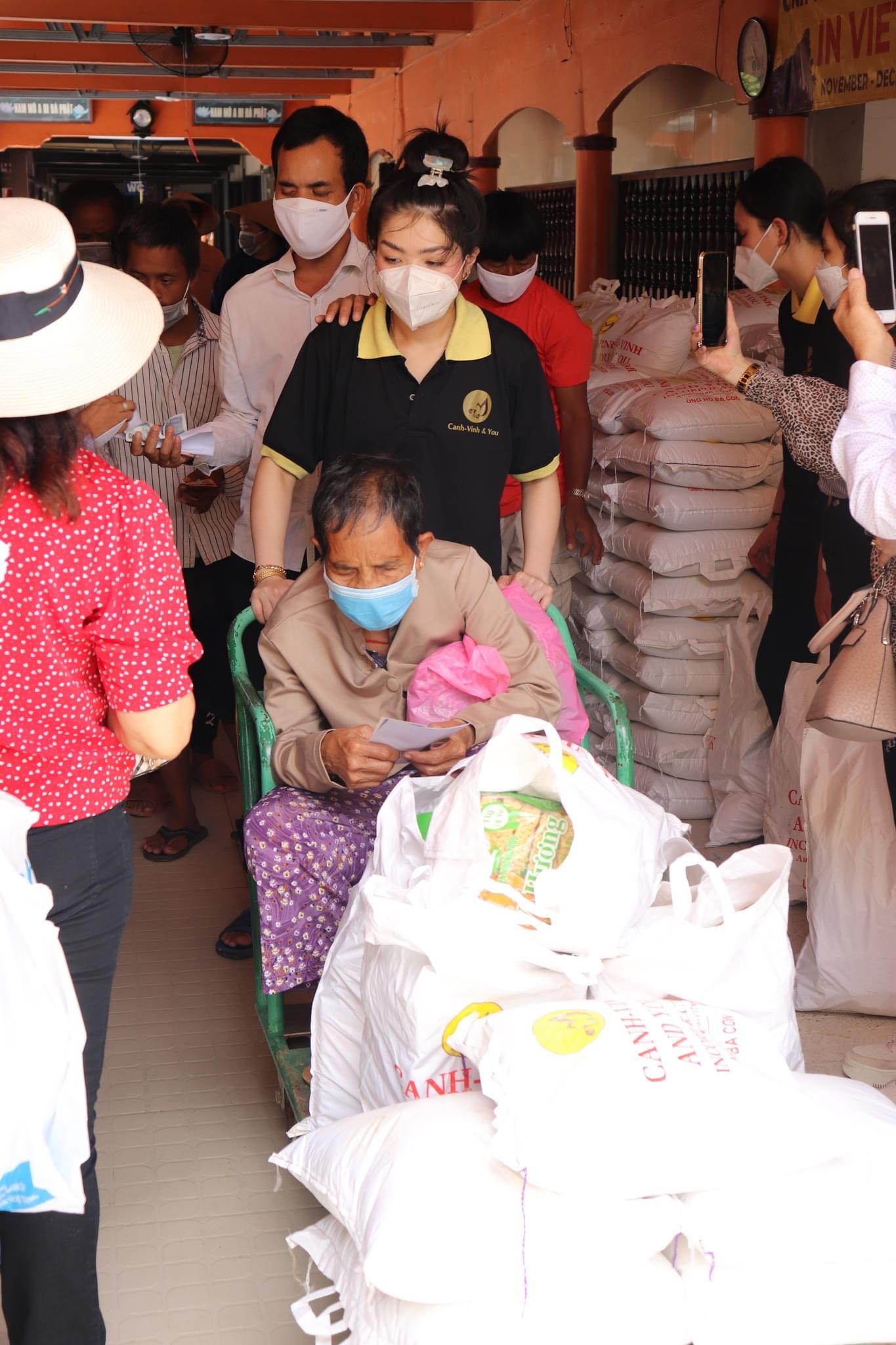
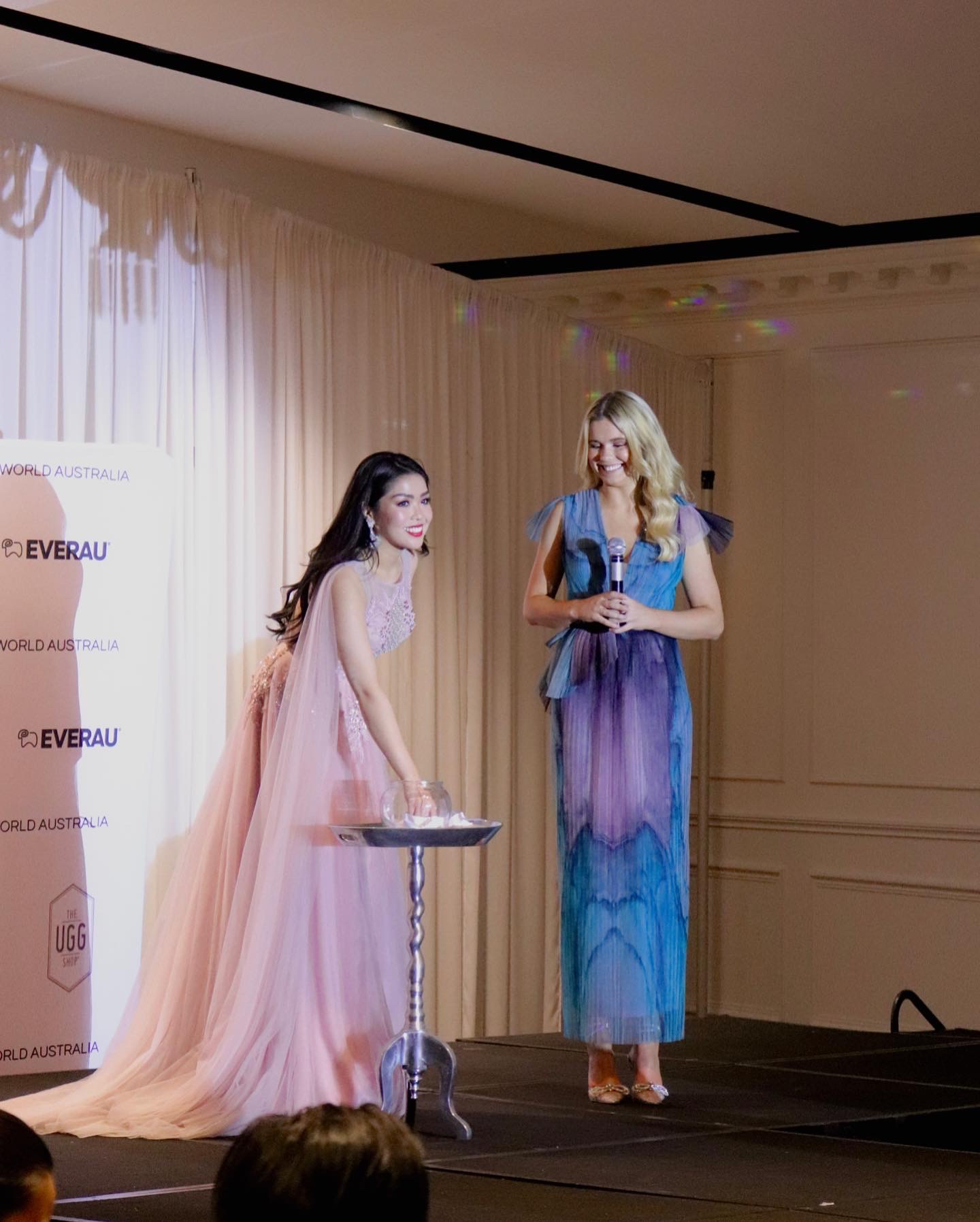
Redefining Beauty as Miss World Australia 2023 State Finalist through Impactful Advocacy

Canh-Vinh Nguyen is an embodiment of what it means to lead a purpose-driven life.

Canh-Vinh’s passion for serving her community and promoting human equity is truly inspiring. Her tireless dedication to making a positive impact on the lives of others has earned her the title of Miss World Australia’s 2023 state finalist.

At the age of 18, Canh-Vinh laid the foundation for her community service by establishing a charity called “Canh-Vinh and You Incorporated”. What started as a small initiative has since grown into an impactful organization that continues to make a difference in people’s lives. Her charity work was only the beginning of her efforts to serve her community.

Over the years, she has also served as a consumer advisor for the local health system, volunteering as social support in the emergency department, rehabilitation, and short-stay ward at the local hospital.

Canh-Vinh’s story is an inspiration to people of all ages and backgrounds, and serves as a reminder that we all have the power to make a difference in the world, no matter how small our actions may seem.

“I am genuinely excited to share my journey, my passion, and my unwavering dedication with others, spreading the message that “anything is possible” and hopefully making some meaningful connections. Together, let us create a world that embraces inclusivity and compassion,” Canh-Vinh told AHN.

CANH-VINH’S EXPERIENCES AND ACHIEVEMENTS

As an Australian Vietnamese, I am proud of my heritage and forever grateful for the opportunities this country has provided not only to my family but to many others as well.

Being the first person in my family to attend university, I am a woman in STEM, with a bachelor’s degree in biomedicine, achieving first-class honors, and a completed Master’s of Research focused on metastatic cancers, my ultimate goal is to become a physician. I strongly believe that everyone deserves to understand and feel empowered in managing their health while having access to the best possible care. This pursuit is fueled by my gratitude for the incredible healthcare system we have in Australia, as it saved my mother’s life and protected us from the hardships faced by others if we were anywhere else in the world.

Throughout my educational journey, I have remained dedicated to serving the community. Moreover, I am deeply committed to inspiring young individuals to give forward and recognize their potential to create significant change, particularly in this challenging world and specially for the less fortunate. Alongside our charity projects, volunteering for my local community has been a transformative experience in my life. It has sustained me on my toughest days, knowing that my actions can bring something positive to the world.

In addition to my academic pursuits and charitable work, I actively volunteer and contribute as a consumer advisor for Western Health, the fastest-growing health provider managing both large and small public hospitals in my local community. Through this role, I have been involved in significant projects such as the opening of the Joan Kirner Hospital, the planning and review of the New Footscray Hospital Project, and the initiation of the planning for the New Melton Hospital.

Furthermore, I proudly serve as Vice President of the Lions Club of Sunshine, a local community club that engages in various initiatives. These include fundraising through sausage ‘snag’ sales, preventing neighborhood crimes by installing anti-theft screws for number plates, supporting farmers affected by floods through tree planting initiatives, and providing aid to Polynesian island countries like Samoa by sending containers with essential goods for hospitals, schools, clothing, and toys.

CANH-VINH AND YOU INCORPORATED

My vision is to create a more equitable world by sharing the privileges I have received in life, even though my efforts may not be as significant as others’. I believe that gratitude is my greatest strength, and I possess the ability to connect with others and bring them together.

This mindset has guided me since founding our Australian registered charity, “Canh-Vinh and You Incorporated” at the age of eighteen, driven by the belief that every moment counts and embracing the philosophy of “live as if you’ll die tomorrow.” However, achieving this dream did not happen overnight. It was a culmination of multiple events and the support of other members, mentors, and supporters.

From a young age, I witnessed the philanthropic work of my parents in Vietnam, where they set aside savings to provide rice for their former village. During high school, I had the privilege of attending an all-girls Brigidine high school with a strong emphasis on justice and fundraising clubs. This experience was transformative as it allowed me to discover my leadership potential and taught me how to represent others and manage projects.

After graduating, I desired to continue volunteering with friends, but it was challenging to garner interest. However, by identifying the limitations of existing projects and the creativity constraints felt by my friends, the idea of starting our own charity sparked. Overcoming initial challenges and skepticism, we persevered and successfully registered the charity, obtaining the necessary tax exemption and gift receipts with the assistance of a free legal aid service. The journey was far from easy, filled with late nights, setbacks, discouragement, and tears. However, when I shifted my perspective and found empowerment in realizing that the criticism and doubt from others were projections of their own limitations, not reflective of our potential it made all the difference.

Today, almost a decade later, I am proud to say that our charity is still entirely volunteer-run. Although time constraints and periodic dormancy pose challenges, we remain highly efficient, utilizing every dollar fundraised and profit for our charity projects. We strive to be a trusted point of contact for individuals seeking to contribute and provide assistance. Over the years, we have helped tens of thousands of families through our projects, including donations of rice, noodles, condiments, funding eye surgeries, scholarships, and more.

Our focus is on supporting lonely and homeless elderly individuals, people with disabilities, those affected by Agent Orange, and orphans. Above all, we aim to instill compassion in everyone who crosses our path, whether through attending an event, volunteering or engaging with us. We understand that life can become busy, and even if someone’s involvement with our charity is brief, we hope that the seed of compassion we plant will one day blossom into something amazing.

MISS WORLD AUSTRALIA

Being a state finalist for Miss World Australia has granted me increased visibility and recognition, enabling me to forge valuable collaborations, partnerships, and connections with like-minded individuals and organizations who share similar aspirations. My primary goal is to inspire younger generations to fearlessly pursue their passions and make a positive impact in their communities. This objective is deeply significant to me as I firmly believe that the way we inspire and guide the younger generation today will shape our future and the destiny of our world.

A core aspect of my advocacy revolves around promoting the importance of volunteerism and dispelling the misconception that it is a fading practice. Countless individuals in our world require assistance without expecting anything in return. It is particularly challenging for those who face disadvantages and lack the same privileges and opportunities as others. By acknowledging our blessings, gratitude becomes a compelling force that propels us forward, fostering a sense of purpose and empathy.

Through my voice and influence, I am dedicated to empowering and uplifting others, urging them to join causes, create meaningful change, and embrace a sense of belonging to something greater than themselves. A quote that I love by Dr. Brené Brown beautifully encapsulates this sentiment: “Belonging is being part of something bigger than yourself. But it’s also the courage to stand alone and to belong to yourself above all else.” It highlights the importance of both finding connection and staying true to oneself in the pursuit of making a difference.

Moreover, my increased visibility and recognition have provided an invaluable opportunity to raise awareness for the charity I founded nearly a decade ago. Our organization operates solely through the selfless efforts of volunteers, ensuring that every donation directly benefits those in need. It brings me immense pride and joy to know that the hard-earned contributions from our supporters have a meaningful impact on the lives of the less fortunate.

WHAT KEEPS CANH-VINH MOTIVATED

In times of adversity, it has been gratitude that helped me shift my perspective and find the silver linings. 

I have come to realize what fuels me is not just self-belief and confidence but it is gratitude, a powerful driving force that propels me forward. It is being grateful for the privileges I have had in this life that has motivated me to work harder each day to be of service to others. Instead of dwelling on what I lacked or the challenges I faced, I focused on the progress I had already made and teachers’ and mentors’ willingness to invest their time and energy in my growth. This shift in mindset allowed me to tap into my resilience and find the courage to persevere. 

Moreover, gratitude fueled my passion for making a difference in the lives of others. Recognizing the privileges and opportunities I have been given, I felt a deep sense of responsibility to give back and contribute to the well-being of those less fortunate. It motivated me to use my skills, knowledge, and resources to uplift others, whether through volunteering, mentoring, or advocating for meaningful causes.

IMPORTANCE OF HAVING A SENSE OF PURPOSE ACCORDING TO CANH-VINH

In my opinion, a sense of purpose is not only highly important but also deeply transformative. It serves as a driving force that provides motivation, meaning, resilience, and a sense of fulfillment in life. When we have a clear sense of purpose, it guides our actions, shapes our identity, and gives us a profound understanding of the “why” behind our existence.

During moments of doubt or uncertainty, our sense of purpose acts as a beacon of light, lifting us up and reminding us of our intrinsic value and the impact we can have on the world. It serves as a powerful source of inspiration, urging us to persevere, overcome obstacles, and continue striving toward our goals.

While it is true that nothing in this material world can be held onto forever, cultivating a sense of purpose allows us to transcend the temporary nature of our existence. It enables us to focus on the legacy we can leave behind and the positive contributions we can make. Embracing the law of impermanence, which teaches us that everything has a beginning, middle, and ending, encourages us to make the most of the time we have on this earth. By nurturing a sense of purpose and using our time, talents, and resources to create a positive ripple effect, we can make a difference that extends far beyond our own lifetime. I think this is where true fulfillment resides – in knowing that our actions have the potential to touch the lives of others and contribute to a more compassionate, harmonious, and interconnected world.

THE IMPACT SHE HOPES TO ACHIEVE

One of the primary goals of my work is to inspire others to take action against injustices. I firmly believe that everyone has the power to create change, and even small contributions can make a significant difference. Like many others, I am an ordinary individual without inherent power or influence, but I refuse to let that discourage or underestimate me. While volunteering may not be a difficult task in itself, what makes it truly noble is people who choose to spend their time doing something for others knowing it cannot be returned. My father once shared a valuable lesson with me: “When you help someone in need, they may someday be the ones to extend a helping hand to others.” The idea that I could become a ripple, contributing to the larger wave of positive action and lasting impact, fills me with a lot of happiness. 

I guess, ultimately, I hope that in some way, my actions and words can ignite a spark within others, leading them to accomplish even greater things.

ADVICE FOR YOUNGER PEOPLE IN MAKING A DIFFERENCE

My advice would be to begin your journey by starting locally. Take the time to explore the issues or causes that deeply resonate with you and make you feel passionate. Educate yourself on the topic, gaining a deeper understanding of the challenges and potential solutions.

Next, reflect on your unique skills, talents, and interests. Consider how you can apply these strengths to make a meaningful difference in your community. It could be as simple as offering a helping hand to your neighbors, volunteering at a local community organization, supporting a youth group, or assisting at a hospital. Remember that you don’t always need to have pre-existing skills; the most important thing is to take the initiative and show up! The rest will follow as you learn and grow along the way.

It’s important to have an open mindset and embrace the possibility of trial and error. There may be times when you join an organization or group that doesn’t align perfectly with your vision or passion. Don’t let this discourage you. Keep persevering and believe that there is a place out there that shares your passion and works towards the same goals. Trust that with dedication and an open heart, you will find a meaningful avenue to contribute to your community. And most importantly, enjoy the journey and have fun while making a difference!

CONNECT WITH CANH-VINH

Facebook: Canh-Vinh Nguyen | Canh-Vinh | Canh-Vinh and You Incorporated

Instagram: @canhvinhau | @canhvinhandyou

YouTube: Canh-Vinh | Canh-Vinh and You Incorporated

Stories

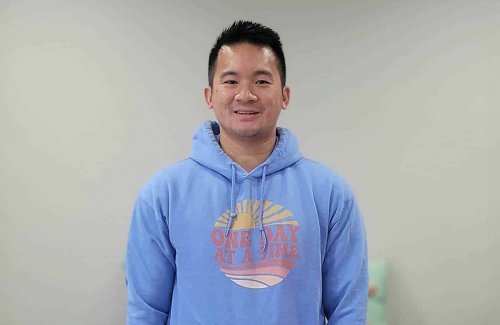
This Formerly Homeless Nurse Is Helping the Homeless and Empowering Women Through Project Peace Clothing

Having experienced homelessness himself, Alex Nguyen knows firsthand how challenging it can be to not have even the basic essentials.

Growing up as a first-generation Vietnamese child, raised by a single mother who had him at a young age, Alex faced many challenges that most of us can’t even imagine. But instead of letting his difficult past define him, he decided to take action. This is what inspired him to start Project Peace Clothing.

Alex admits that he has dealt with some trauma and mental health issues growing up, and for this he decided to undergo a three-and-a-half-year therapy. Now, Alex is a mental health nurse, slowly working towards his psychiatric mental health nurse practitioner degree. He’s passionate about helping people who struggle with mental health issues, especially those in the addiction population and the homeless community.

Through his clothing line, Alex is not only advocating for mental wellness and women’s empowerment, but he’s also helping the homeless community. For every purchase from Project Peace Clothing, Alex gives another homeless person not just the basic survival needs like food and water, but also a piece of clothing to help keep them warm on cold nights.

Alex’s past has made him more compassionate and empathetic towards homeless people, and he’s using his experiences to make a positive impact on the world. He believes that intentional acts of kindness, even if unnoticed, can cause a ripple effect that touches the lives of many.

Join us as we take a closer look at the inspiring story of Alex Nguyen and his mission to spread peace, love, and kindness through Project Peace Clothing.

MOVING FROM PLACES TO PLACES

Alex’s mother was only 17 years old when she became pregnant with him by his father, who fled the country when Alex was just one year old. Growing up was challenging for both Alex and his mother, as they never had a stable place to live. They frequently moved from place to place because the rent was difficult to pay, and there were times they slept in their car or rented a motel day by day. While his mother was at work, Alex was often left with other relatives, and she eventually dropped out of college to support him.

During his college years, Alex continued to face challenges. He lived in a garage at a friend’s house for several years and worked two jobs while studying. He even had to carpool with two friends because he didn’t have a car, and he didn’t have any support besides himself. Despite all of this, he persevered and graduated in 2017, hoping that his life would finally turn for the better.

A SENSE OF FULFILLMENT AND HAPPINESS

Growing up in an unstable household without a parental figure to guide him, Alex learned everything on his own and developed a survival mentality. He made friends and reached out to distant relatives for support, and started working at a young age to make ends meet. For a long time, he believed that money was the solution to all his problems.

After graduating and becoming a nurse in 2018, Alex began working over 60 hours a week. It was also around this time that he  realized he was suffering from mental illness. He had been independent for so long that he didn’t realize the toll it had taken on his mental health.

By 2021, Alex was working three jobs and neglecting his physical and mental health. One day, while at work, he permanently damaged his lower back when he tried to catch a falling patient. 

He was forced to leave two of his three jobs and had time to reflect on his life. It was during this period that he realized that caring for others, particularly those suffering from mental illness, gave him a sense of fulfillment and happiness. He realized that money did not bring him happiness.

Alex started transitioning to become a mental health nurse and is now pursuing a degree as a Psychiatric Mental Health NP. He finds peace and happiness in helping those in need and believes that this is his true calling in life.

PROJECT PEACE CLOTHING

Alex’s own experiences with homelessness growing up inspired him to start Project Peace Clothing. He remembers the freezing nights sleeping in his car and can empathize with those who are currently experiencing homelessness. He believes that his ability to put himself in other people’s shoes and feel their suffering comes from having experienced similar hardships himself. Alex cares deeply for those without housing and acknowledges that many people struggle to empathize with the homeless due to stereotypes and misconceptions.

While working as a nurse, Alex would create care packages for those without housing, which he would distribute during the day or at night. He would buy supplies from Costco and Walmart, put them together in bags, and leave a few in his car to hand out when he saw someone in need. However, he wanted to do more than just provide care packages. He wanted to provide clothes and warmth to those who need them, particularly at night when the temperatures drop.

This desire to make a bigger impact led Alex to start Project Peace Clothing. Through this initiative, he hopes to provide warmth and comfort to the homeless community by distributing blankets, jackets, hats, and other clothing items. Alex’s firsthand experience with homelessness has taught him the importance of basic necessities such as warm clothing, and he is passionate about helping those in need.

The Empower Women collection was inspired by Alex’s girlfriend of 10 years. “I wouldn’t be here today without her,” he said. This collection aims to promote positive messages that make women feel good and valued.”

THAT WAS PEACE

Project Peace Clothing has had a significant impact on the community so far, despite its small scale. As a nurse and student, Alex dedicates his time to helping people both at work and outside of work.

Alex also shares a heartwarming story about a recent encounter he had while ordering one of his favorite desserts called che, a Vietnamese dessert:

“I saw a young homeless Asian pacing back and forth in front of the shop. He reminded me of myself, and something deep inside me wanted to talk to him. I asked him, “Hey, are you hungry? Do you want anything?” He responded that he wished to have the Che 3 Mau, but here at the Hien Khanh, there are a few options, so I got all of the possibilities with some extra savory food for him to share with others.

As I gave him the food, I remember he told me, “How’s your day?” I responded, “It’s good, thank you.” I walked back to my girlfriend, and when I was about to reverse, I saw him in my mirror, looking up into the sky after sipping the dessert drink. To me, that was peace.”

ADVICE ON MAKING A POSITIVE IMPACT IN THE COMMUNITY

When asked for advice on how to make a positive impact on one’s community, Alex recommends following one’s passion and seeking to understand the specific community or population one wishes to help. This may involve volunteering and actively engaging with members of the community. Alex stresses the importance of being open-minded and actively listening, with the intention to both attend and talk. He believes that this approach can be life-changing and can make a meaningful difference in the lives of others.

CONNECT WITH ALEX

Website: projectpeaceclothing.com

Instagram: @projectpeaceclothing

Facebook: Project Peace Clothing
Tiktok: @projectpeaceclothing

_DSC1506-jpg

Stories

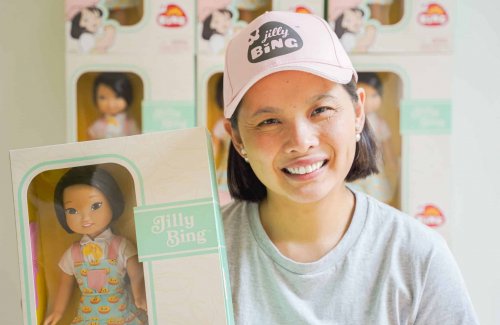
Celebrating Authenticity and Inclusivity, One Jilly Bing Doll at a Time

Dolls have always held a special place in the lives of children. They become friends, companions, and they help ignite children’s imaginations.

Back in March, we talked about Jilly Bing in an article called Mom and Founder Jilly Bing Doll Inclusivity and Authenticity to Playtime.

Jilly Bing was founded by first-generation Chinese-American Elenor Mak. She believes that toys play an essential role in helping children make sense of the world, with dolls serving as tools to build self-esteem and self-acceptance. Her vision for Jilly Bing is to create a line of dolls and toys that authentically represent Asian-American children, nurturing a deeper appreciation of Asian culture.

In this latest installment about Jilly Bing, we’ll revisit its journey with Elenor, showcasing the notable achievements and recent updates that have propelled the company even further in its mission to redefine the world of children’s toys.

Highlights on Jilly Bing’s Journey:

1. Launch Event with Chef Kathy Fang: This past summer, we hosted a launch event in S.F. with Chef Kathy Fang to celebrate the debut of our Jilly Bing doll. We wanted to bring the community together to celebrate. Witnessing the delighted reactions of children who received the doll, exclaiming ‘looks like me’ and ‘has soft black hair like mine,’ confirmed that we were on the right path.

2. Nationwide Sell-Out: Within weeks of shipping our first dolls nationwide, we sold out. I’m proud to say I transformed my basement into a doll packing hub, experiencing firsthand the ‘art’ of doll packing.

3. Increased Interest in Dolls for All Ages: A doll is not just a passing toy – it’s a child’s first friend. The recent Barbie movie renewed interest in dolls for adults and underscored the importance of increasing representation for Asian American children. Sharing our journey on national TV, such as the Today show, has sparked interest from families nationwide who, even without Asian children, want dolls that resemble their friends.

Customer Reactions to Jilly Dolls:

Our team has been deeply moved by the incredible responses from both children and adults! It fills our hearts with pride to witness the sheer joy on the faces of children, both girls and boys, as they receive our dolls. Their delighted exclamations, such as “She looks like me!” and “Mama, she looks like you,” warm our hearts.

The stories we hear about how these dolls become inseparable companions for these kids, accompanying them on shopping adventures, sharing sleepovers (shoes off, of course), and even joining them for a hot pot meal, are simply heartwarming. But it’s not only children who celebrate these dolls; adult women have shared, time and time again, that this is the doll they had always wished for during their own childhood.

One customer, who discovered us through a mom’s group, shared this touching reflection: “I grew up gazing at all the Barbies and dolls in stores, and none of them looked like me. It left me with a lingering feeling that something was wrong with me, always making me wish for blonde hair and big, round blue eyes. Now, at 44 years old, this doll has rekindled the sense of how special and proud I would have felt to have seen a doll that truly resembled me.”

What’s next for Jilly Bing?

Jilly doll is just the beginning. Our goal is to expand the dolls to create a “cast of lovable Asian American characters” whose identities go beyond just East Asian to fully represent the nuanced identities of all Asian Americans. My vision is to create a “modern-day educational Hello Kitty” with Jilly Bing. I want all children to know they belong and that they are beautiful as they are.

Connect with Jilly Bing:

We’re thrilled to be back in stock! Join us in making Jilly a beloved friend in every home this holiday season and shaping a more inclusive world for our children.

Order now for the holidays: jillybing.com

Instagram: @hellojillybing

Stories

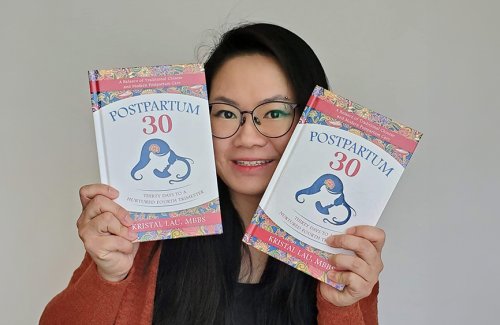
This Doctor Published a Postpartum Book Balancing Chinese Traditions and Modern Approaches For New Mothers’ Well-Being

Postpartum care is a critical period for new mothers, yet it is often overlooked in our society.

Many women struggle with physical and emotional changes after giving birth, and the lack of support and attention to their needs can lead to postpartum depression and other health issues. This is why Dr. Kristal Lau’s book on postpartum care is a crucial addition to the conversation.

When Kristal joined the AHN community two years ago, she was still pivoting out of her medical career. She shared that her mom has been encouraging her to pursue her idea of writing a book on Malaysian Chinese postpartum confinement practices and include notes from her medical background.

During her confinement month after birthing her first child, Kristal compromised with her mother to modernize some of the confinement practices by medical logic. With a balance of traditional Chinese and modern postpartum care, her book provides a comprehensive guide for modern moms to take care of themselves during this important time while feeling connected to their Chinese roots.

In this article, we will dive into Kristal’s journey as an author. We will also explore why postpartum care should be a mainstream topic and why it is important to prioritize the health and well-being of new mothers.

BECOMING A MOTHER OF TWO

I practiced medicine in Australia as a Basic Physician Trainee before moving to the USA and would’ve chosen to specialize in geriatrics medicine if I hadn’t met my husband.

Ironically, I’ve chosen to work in the perinatal world now, because I used to actively avoid seeing pregnant women patients when I was a junior doctor. I felt intimidated by the responsibility of two lives and potentially more if the patient already had children.

Becoming a mother of 2 while facing the challenges of a modern immigrant from South East Asia to the West (and being a US military spouse) opened my eyes to the importance of postpartum care in setting mothers up to thrive in the postpartum year and beyond. Especially when I was planning for my first confinement practice and had to adapt things to where we were living in rural Alabama. From this experience, I decided that contributing to a small part of the perinatal industry was fitting.

POSTPARTUM 30: THIRTY DAYS TO A NURTURED FOURTH TRIMESTER

The core message of my book entitled “Postpartum 30: Thirty Days to a Nurtured Fourth Trimester” is about preserving a traditional and cultural practice so that it remains relevant to current and future generations. Otherwise, we’d forget!

So, the key components of my book showcase the best of both worlds. I discuss postpartum physiology (what we know today about how the birthing body recovers after birth) and basic Traditional Chinese Medicine (TCM) principles around the postpartum body. 

I have chapters dedicated to adapting confinement practices to fit a modern mom and her family’s needs and lifestyle. I also guide readers on how to respectfully tell their mothers or mothers-in-law that they’d like to practice a modern version of confinement and include them in the picture.

MODERN MOMS WITH CHINESE ROOTS CAN EASILY BENEFIT FROM THIS BOOK

Firstly, it’s written in English! Readers don’t have to know any Mandarin or Chinese dialects (just like me!) to understand the TCM and confinement concepts I discuss in the book.

Secondly, I include historical references about the confinement practice and discuss why certain practices made sense to our ancestors. Finally, I challenge two aspects of the traditional confinement practice head-on. I encourage readers to embrace all the emotions that come with the chaos of the postpartum period instead of pushing them away. And I encourage spouses and partners to be the main confinement support person rather than another family member.

PUBLISHING MY BOOK HAS BEEN VERY SURREAL

I fully invested in writing this book after the overwhelming support from Asian Hustle Network group members when this book was just an idea. I also appreciated the nuances brought up by the AHN members in that defining post which added more to developing my book’s content. My first beta readers were also from the AHN community!

I’ve always wanted to be an author ever since I was a teen, so I can’t believe that I’ve done it! The book has also allowed me to represent a small part of Malaysian and Chinese culture to the world. Plus, it’s my biggest ticket away from medicine and into carving out an unconventional career that works for me!

Making time to write my book was the biggest challenge because I got pregnant with my second baby just after starting a 6-month book coaching program to develop my book. I’ve also been living in Germany since 2020 due to my husband being stationed here at a military base. So, I was writing on and off throughout my pregnancy and postpartum year while juggling our newborn, toddler, deployments, 2 dogs, and trying to thrive in a foreign country. The next biggest challenge was believing in myself, and that I have what it takes to write on this topic.

BALANCE AND EVOLUTION FOR POSTPARTUM CARE

To balance traditional Chinese practices of postpartum care with modern medical logic, I drew from my professional background as a medical doctor and a public health graduate, and my personal background as a Malaysian who grew up with both TCM and modern medicine. I also consulted with my medical peers and a TCM doctor (a connection I made through AHN too!) about how postpartum care from the East and West can meet in the middle.

An example of this balance is compromising on the hair-washing practice. Personal hygiene is a big part of the confinement practice. The strict traditional way is no hair washing for the entire confinement month. A modern compromise is to not wash the hair for the first 2 weeks and once you start washing your hair, make sure to dry it completely while in the warm bathroom before stepping out into a more chilly environment.

As more attention is given to the concept of matrescence, the transition a woman goes through to become a mother, it’s important to recognize the need for nurturing and support during this time.

Physical therapy should be a standard part of postpartum care, as many women suffer from pelvic floor and back pain issues after giving birth. Unfortunately, too many women are told that these issues are “normal” and should be lived with. Pain and discomfort should not be considered normal, and pelvic floor rehabilitation should be a global standard of care for all new mothers, rather than being limited to a few countries or requiring out-of-pocket expenses. The rest of us have to learn how to ask for pelvic floor rehabilitation referrals and likely pay out of pocket for it.

CARING FOR NEW MOTHERS

Two big areas where family members can help a new mother in the postpartum period are to help her feel seen and alleviate her mental load.

Unfortunately, new mothers frequently fade into the background as the newborn baby takes the spotlight. So, holding space for the new mother to grow into her new identity and showering her with attention reminds her that she’s still her own person and that she’s equally important as the baby!

Women and mothers are also commonly the main household manager in many families who do all the planning, troubleshooting, and preempting of troubles. This is the mental load of women and mothers. Alleviating this during the postpartum period isn’t just asking her what help she needs, it’s becoming the Project Manager at home while she recovers.

Asking her what she needs still requires her to plan and troubleshoot, and that doesn’t help lighten her mental load when she needs all the energy to recover from birth and care for the newborn.

MODERN MOTHERS HAVE DIFFERENT NEEDS THAN THE GENERATIONS BEFORE

First, society needs to accept that this generation and the upcoming generation of modern mothers have very different needs and challenges compared to the generation before us and not shame us for it. 

For example, many women in my generation (especially us Millennials in developing countries like Malaysia) have been conditioned to “do-it-all” i.e. excel at our careers and in being a mother. It’s ingrained in us to “mother like we didn’t have jobs and achieve in our career like we didn’t have children”. Why do moms today carry this burden? It’s likely because we were exposed to conflicting messages about womanhood and motherhood while growing up. We were empowered to be anything we wanted and that we could achieve anything we put our minds and hard work to i.e. embrace the modern woman identity. Yet, we’re still pressured to marry before 30 and start having kids while constantly reminded, “Don’t waste your education by becoming a stay-at-home mom!”. Balancing the identities of an empowered modern woman with the traditional (and biological) roles within motherhood is a unique challenge for many moms of our generation.

So, only when society is willing to empathize with this struggle, then they can provide the social, emotional, and mental support to help modern moms thrive as they go through matrescence.

My book normalizes the notion of nurturing mothers from the beginning of their motherhood journey; the postpartum year. I encourage mothers to prioritize themselves and not feel completely guilty about it. And to get comfortable with asking for help and accepting help before things get too overwhelming. It’s nice to be recognized as a SuperMom but it’s also nice to not have to live up to that image.

CONNECT WITH KRISTAL

Instagram: @mamaswingwoman

Facebook: @mamaswingwoman

Twitter: @drkristallau

LinkedIn: Kristal L.

Website: mamaswingwoman.com

Book webpage: tinyurl.com/pp30book

Author webpage: Kristal Lau – Mandala Tree Press