Awaken* newsletter

March 21, 2024

SHARE:

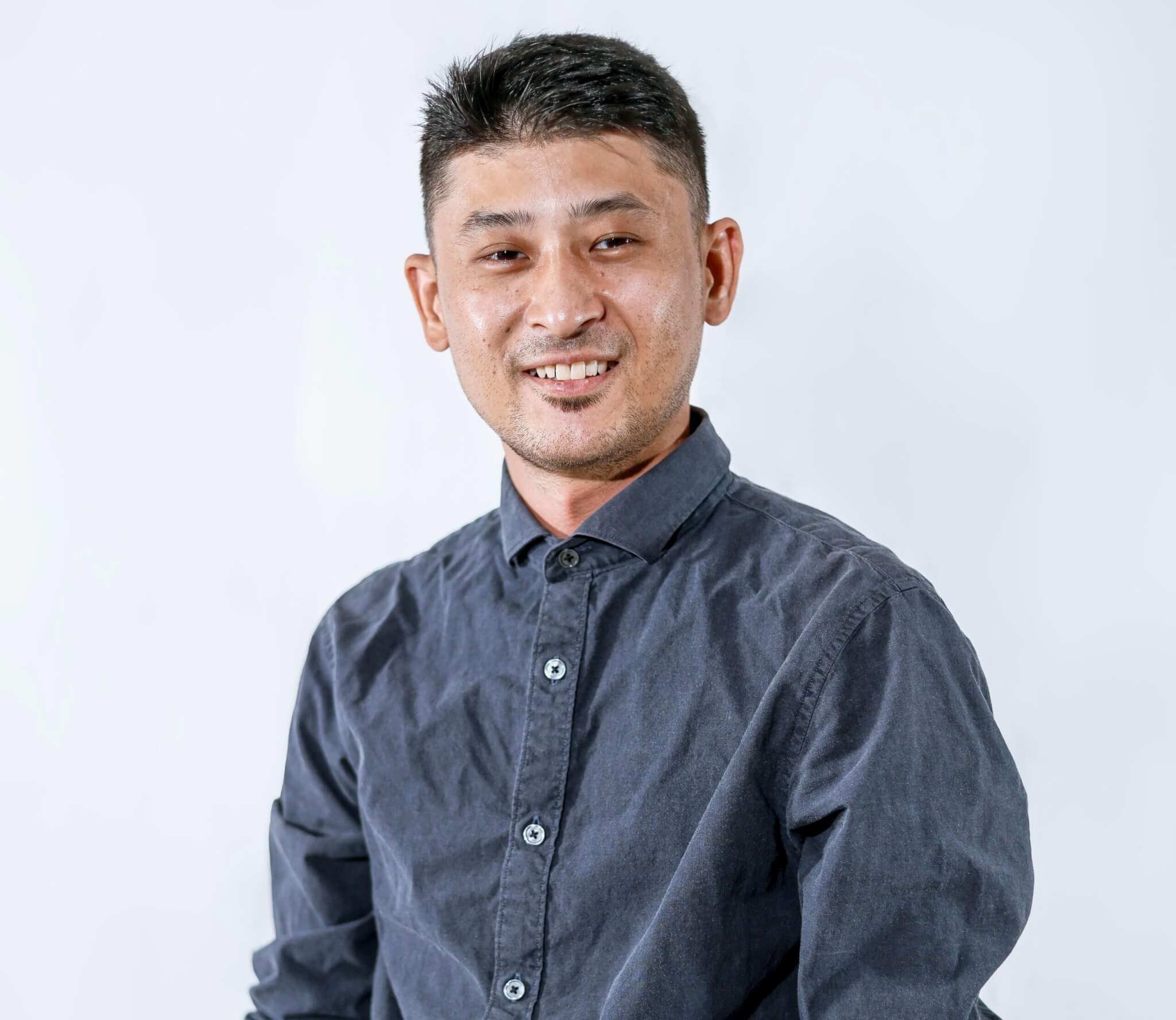
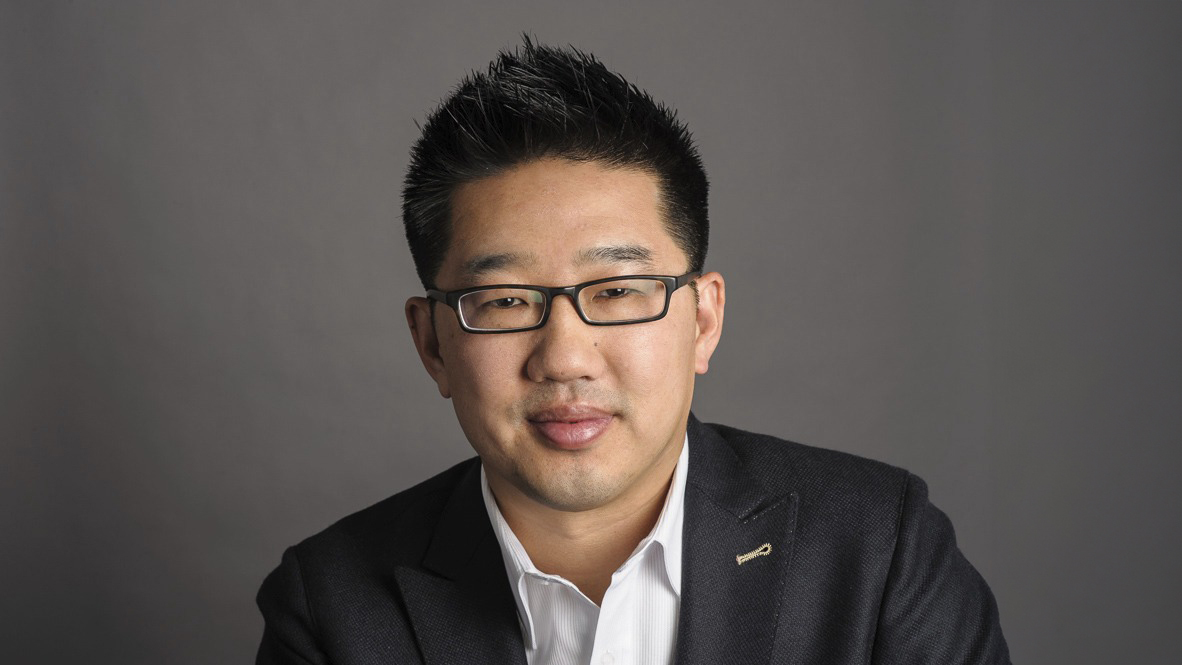
On December 15th, I had the honor to chat with Kevin Chou. Kevin is one of the foremost Asian American founders, having founded a number of gaming and web3 companies (Rally, Forte, Blocto, Gen.G, and Kabam) and currently spends his time working on Superlayer, a crypto venture studio he co-founded two years ago. Kevin also serves on the board of trustees at his alma mater UC Berkeley and notably made the largest donation to the school from an alumni under 40 years old. Without further ado:

FINDING YOUR OWN VOICE

In my research for this interview, I came across an article where Kevin said “Not working has helped me realize that by far the most important thing is finding that voice in your head that’s truly, authentically you”, but he never got around to sharing how to find your own voice, so that’s what I asked him:

One way to think about it is to try to meet as many people as possible, people that seem to inspire you–could be from all walks of life. It could be somebody in the government, the political field, someone doing nonprofit work, or even a church figure. Reach out to as many senior people, people that you admire, people whose work seems really cool. Reach out exactly like how you did. Say, “I’m a new graduate. I’m still trying to figure out what I want to do with my career. I’m really inspired by what you’ve done. Can I set up 30 minutes with you to talk about what you do, what you like about it, what advice you have, etc.?” It’s shocking how few people do this. I know it’s potentially a little scary. You’re reaching out to people who you don’t even know. 

Personalize a note, find them on LinkedIn, or social media, or email, and just send them a note. It’s actually surprising. I took a look at your note. And I was like, “You know what, it’s half an hour of my time. If I could help somebody, I think about it as just paying it forward.” I think a lot of people who’ve had some success in their life are very happy to pay it forward and try to help young people figure out what they want to do, because I think we were all there when we graduated.

On a personal note: I’ll add that my success rate with my cold emails to these founders is about 5-10%, which Kevin noted was within expectations. That’s not to discourage anyone from emailing, but to set realistic expectations as to the response rate. If your response rate is better than mine, I’d love to hear what you’re doing so I can copy you!

ON BEING ASIAN

At Asian Hustle Network, our one recurring question is: “how has being Asian qualified your experience as a founder?”, here is Kevin’s response:

I think about it all the time. I didn’t grow up in an Asian community. I grew up in a very small, rural community. So it was a lot of white and Hispanic folks, and I didn’t really have any Asian restaurants in my town. There were only two other Asian kids in my high school. When I was a kid, I thought it was weird that I was Asian. I looked different from people, ate different food than other people, and my parents didn’t speak English as fluently. I tried to blend in and not really focus on it. Then I went to college at Berkeley. There, I found a lot of friends and felt like I fit in a lot more. As a founder, it’s again, thrust into an environment with very few Asians as CEOs. There are a lot of Asians in technical roles. I think I’ve been incredibly successful. Lately, there have been more and more Asian founders, but there’s not as much of a cohesiveness around it as much as, for example, the Indian founder community is very tight. The Pakistani community is very tight. There are a lot of other ethnic communities that are founders that I think are tighter.

I had recently talked to Bryant Chou from Webflow, and his method of approaching this was to take a colorblind approach when it came to business. I mentioned to Kevin that his approach seemed the opposite of Bryant’s:

I definitely feel differently about it. I’m doing business with a lot of people. In general, when I’m doing business, I’m working with all different types of people. But in terms of people that I want to help out, it’s very natural that I’m more likely to say yes to an interview or try to help somebody else out if I see a little bit of myself in them. Ethnicity helps. I’ve done a lot of business in Asia, including having a 300 person office in China and starting an esports company called Gen.G, which is based in Seoul, Korea. 

Going to Asia, it’s a huge advantage to speak the language and understand some of the cultural aspects. I think about how I can take advantage of the good parts of being an Asian founder and entrepreneur, and then there are probably times where it’s a net negative, and I try to mitigate those as much as possible. 

For example, during COVID, there was a big group of Taiwanese American entrepreneurs, like Steve Chen from YouTube, and Kevin Lin from Twitch, and Jameson Hsu. We decided to go to Taiwan during COVID. There are lots of times where we’re celebrating Chinese New Year together, and just like Chinese New Year events that you go to, and you meet a bunch of other founders. Having kids and a family, I spend a lot of time just enjoying meeting people from those cultural events. 

Pulling on this thread, I asked Kevin what kinds of detriments he felt Asians faced:

I don’t think there’s as much of a detriment anymore. I would say in 2006, I was incredibly lucky that I was a VC. When I joined investment banking, there were like two other Asians in my hundred person office. And in all of the venture industry, there were maybe 10 Asians (circa 2005). How many CEOs were successful, CEOs of companies that were Asian, you had Jensen who ran Nvidia and that’s about it. There were just not many Asians. You think about all the .com companies, all of the e-commerce companies that were started in the late nineties and in that era of the technology world. It’s hard to think of many Asians. I would say Jerry Yang comes to mind.

Although he wasn’t the CEO initially, back then it was really hard to be a CEO who was Asian and trying to pitch to someone who’s generally not Asian. The investors do a lot of pattern matching. For example, they might think, “These kids are from MIT. That’s a good pattern match. I’m interested.” While nobody’s explicitly saying, “I don’t want to fund a woman or someone of a certain ethnicity,” they’re just pattern matching. They’re taking lots of meetings and they might think, “Something’s a little off about this one.” Think about it, how many CEOs have been Asian? It was a lot harder, but today there are a lot more, which is good. I think it’s less of an issue today. On the positive side, a lot of Asian founders get credit for being smart, being technologists, and for hustling. I don’t think it’s much of a detriment anymore the way it was 20 years ago. That’s good for the better in that regard. 

Going off his comment on the lack of Asian CEOs, I asked him what kinds of things he practiced or studied to overcome the additional headwinds he faced:

If you want to be a CEO, everyone has different perspectives on this. My perspective, especially in the context of the Asian Hustle Network, is that one of the Asian stereotypes is that they’re quiet, smart, and they work really hard, but they don’t know how to get out there. They don’t know how to sell or get deals done. So, I think being a good communicator and developing your own leadership style in a way that is authoritative, compelling, and authentic is important. Everyone has their own way of doing this, but there is a certain projection or pattern match of somebody who is going to be a good CEO. As a founder, you’ve got to be someone who can overcome obstacles, regardless of your ethnicity or gender. You have to be good at running through walls. Being good at sales, being able to get your ideas across in a compelling way, these are all incredibly important. These days you can do that via a variety of means. It doesn’t have to all be in person. 

FUNDRAISING 

I have some friends who are looking to raise a pre-seed round for their startup. But they were having some difficulty as they weren’t located in the Bay Area and didn’t have existing connections to angel investors. I wanted to see if Kevin had any advice for people in their position:

It’s definitely a lot easier if you’re from Stanford, MIT, Cal, or other top programs with a technical background. If you’re not from that, my biggest advice is to move to San Francisco or New York. If this is what you want to do, you have to do it right. If you wanted to be an actor or be in show business, you would go to New York or Los Angeles. That’s where everything is. The various angel investors, seed investors, and larger institutional investors are primarily in these two markets. I would say the Bay area still tops, but New York is a very close second these days. It’s much easier if you go out, attend some of the easier events, meet some people, spend some time networking, and then get invited to other events. You start meeting investors, figure out what events they are going to, go there and meet them, and talk to them about your ideas. There’s no substitute for meeting somebody face to face and talking.

Kevin later added a few additional thoughts:

As a young entrepreneur, there are two ways to build a company. The way I did it was through luck. I raised half a million dollars for my first round in 2006, which wasn’t a lot of money. We were incredibly frugal and had enough money to pivot a few times. This is a harder way to do it because it involves a lot of networking to find investors. I was fortunate to have spent two and a half years as a VC in the industry, so I knew a lot of VCs. My own firm and a few others were willing to write me a check, but I chose the firm I used to work with because they offered better terms. However, the best way to build a startup is raising a few hundred thousand dollars, around $200,000. Those types of deals are easier to get. Ideally, you can even avoid raising anything because what you can do is get a few friends together who are technical and build the thing, launch it, and get some success. Then raise money. It’s much easier raising money once you’ve built something than when it’s just a story.

When I say I’ve been pitched hundreds of Gen AI startups, I would say 80% of those pitches did not build anything yet. A lot of those emails start with, “I’m looking for pre-seed funding and here’s what I’m looking to try to do.” I generally don’t even read those emails. And I think a lot of other investors don’t either at this point. So if you haven’t met the team, if the team doesn’t have a really good background in exactly the area that they’re tackling, it’s an easy archive email. 

Whenever somebody built something and emailed me, “Here’s a link to the thing I built,” or “Here’s a video of the thing working,” I generally take the time to go take a look at it because I’m always interested in what’s new. I’ll take way more meetings with somebody who’s built something. 

And there you have it! Just building something and getting a few users will put you ahead of most pitches.

TAKING CARE OF YOURSELF AS A FOUNDER

The last question I asked Kevin was how he dealt with the emotional toll that being a CEO takes.

You have to have either a community or a relationship. Besides parental relationship, some meaningful relationship in your life that is going to ground you through the tough times, because without that, it’s just so easy to slip into that place. These days, it’s much more normal to talk about the importance of mental health. Mental health, emotional health is incredibly important. I think it’s all rooted in physical health, too. It’s really hard to run a startup if you’re not physically healthy. If you’re not physically healthy, that also drags down your emotional and mental health. So I think physical health is actually the very base of the pyramid.

From SoulCycles to sports, for example, I highly recommend a book that has been really helpful for me. It’s a book called Younger Next Year. This book came out, I think, over two decades ago. I recommend it to everyone. You don’t even have to read the book. The very basic thing to do is strength training two times a week, and then try to do some cardio exercises, another three to four days a week. So basically spend five or six days a week being physically active, with two of those days being strength. Exercise and eat reasonably okay. That is my number one advice to people with a stressful lifestyle. Having a grounding of physical health is super important. 

Then we get to the question that you started with, which is emotional health. Emotionally, mentally, it is incredibly important to have a community and to have a relationship that you care about. I know all this sounds like, “How am I going to do all this stressful stuff in your life?” But the whole point is, if you’re going to run a marathon, you have to pace yourself. The number one thing that I find is, if time permits, have something that you like doing. Ideally, that’s something that ties into physical health, because that way, you kill two birds with one stone. Whether it’s hiking, or a sport or something else, do things that you enjoy a few hours a week, because otherwise, you’ll just burn yourself out. So physical health, relationships for mental health, and then do some play every week.

I asked Kevin what exercises he tends to do and mentioned that I do mostly cardio:

Strength training is the number one thing that I recommend for everyone. That can come with all sorts of different things like circuit training, some sort of boot camps. It doesn’t have to be super intense, you’re not looking to necessarily get ripped and get a six pack. It’s just strength training, kind of a total body core strength training. Find something that you like that gives you energy, it could be a class, it could be one on one, it could be doing videos, something that you enjoy. Strength training doesn’t have to be a chore, it should be reasonably fun. On the cardio side, I love playing tennis, and lately pickleball. That’s what I do most of the time. On the weekends, I’m generally hiking, because I like spending time in nature with my family. 

There’s a website called Bay Area Hiker, or BA Hiker, I think. It has all sorts of great hikes that are all ranked by community. You can search by area and city. We like driving out to Half Moon Bay. Near the ocean, there’s a ton of great hikes along the one freeway. If you drive south from San Francisco, as you get towards Pacifica, there’s a lot of great hiking trails that take you above the one freeway. You get a gorgeous view of the ocean and the waves coming in. It’s just beautiful.

SHOUTOUTS 

If you like mobile games, check out Bored Button, a free mobile game where you can earn valuable loyalty points–made by one of Kevin’s companies. Bored Button is available to download on the Apple App Store, Google Play Store, and the Amazon App Store.

Thank you Kevin for speaking with us!
Related Articles

2647f4a1-07b8-4f94-8f7f-415ae5d0eeae-jpeg

Stories

The Story Behind Inspire To Create Media: How Trysen Kaneshige Uses Art to Heal and Connect Community

Born and raised in Kauaʻi, Hawaii, Trysen Kaneshige never imagined that a series of brain injuries would redirect the course of his life. Art, which had once been a hobby, became his lifeline—a way to heal, process, and reconnect with the world around him.

What began as a personal form of therapy soon turned into a mission: to use creativity not only for his own recovery but to uplift his community and share stories that mattered.

As he experimented with murals, branding, and design, Trysen discovered that each project could bridge culture, healing, and connection in ways he had never anticipated. Through perseverance and collaboration, he began working with brands like Volcom, Olukai, and Soulection Radio, while also leading projects for schools, nonprofits, and community organizations across Hawaii.

From these experiences, Trysen founded Inspire To Create Media, a healing-centered creative agency that blends streetwear aesthetics, cultural storytelling, and design to create work that resonates far beyond the islands.

Finding Inspiration in Adversity

Trysen’s path to entrepreneurship was shaped by necessity and resilience. “I wasn’t able to work a regular job since I would have a lot of migraines or dealt with depression etc. It’s been challenging but I’ve learned to be resilient and not give up. What also inspired me was to create something for my community and for the next generation that is after me,” he recalls. The setbacks could have ended his creative ambitions, but Trysen chose to focus on what he could control: his art and his recovery.

Instead of succumbing to frustration, he saw opportunity in every challenge. He began creating small pieces, testing ideas, and using art as a method to regain focus, confidence, and purpose. These early efforts helped him realize that healing and creativity could coexist and even amplify one another.

What started as a personal journey of recovery soon became a mission to uplift others. Trysen wanted to leave something meaningful for his community and for the next generation, showing that creativity could transform not only individual lives but also the cultural landscape of Kauaʻi.

Overcoming Challenges Without a Safety Net

The road to building a creative business was far from smooth. Trysen faced difficult challenges that he considered walking away from everything, grappling with both the physical and emotional toll of head injuries. Each day was a battle between self-doubt, pain, and the desire to keep moving forward.

Beyond personal health struggles, he had no investors, no team, and no corporate backing. Every decision, every financial risk, and every project came solely from his determination and willingness to learn through trial and error. “If I had someone that saw what I was creating in the beginning, it would’ve been easier,” he admits.

Gratitude and persistence became his anchors. By embracing the lessons from failures and small victories alike, Trysen built a foundation that was resilient, flexible, and authentic. This mindset allowed him to continue pursuing his vision even when support was scarce and the path ahead was uncertain.

Turning Achievements Into Community Impact

Despite obstacles, Trysen’s journey is marked by achievements that combine personal growth with community recognition. He takes pride in consistently showing up, even on days when recovery felt impossible, and in taking creative risks that shaped the identity of his agency.

Inspire To Create Media has earned acknowledgment on multiple levels—from Proclamations by Mayor Derek Kawakami highlighting community murals and workshops to features in local newspapers chronicling his evolving projects. These recognitions validate his belief that creativity paired with purpose resonates far beyond personal satisfaction.

For Trysen, the real measure of success is impact. Each mural, logo, or art initiative tells a story and strengthens the connection between people and place, leaving a lasting mark on Kauaʻi’s cultural and creative landscape.

Building a Healing-Centered Creative Vision

At the heart of Inspire To Create Media is a philosophy that creativity can heal, connect, and inspire simultaneously. From large-scale murals to branding and apparel, every project is designed with intention, reflecting local culture while appealing to a global audience.

Trysen explains, “Art became my way to rebuild, reconnect, and serve. What began as personal recovery grew into a mission: to use art as a tool for transformation for myself, for my community, and for the next generation of island creatives.”

Today, Inspire To Create Media continues to expand its reach, bridging art, healing, and business. Trysen’s story proves that even the toughest setbacks can spark the most powerful creativity—turning personal recovery into a force that inspires communities, cultivates connection, and demonstrates that a small island studio can have a big global impact.

Follow Trysen’s journey:

📍 @trys.creates | @inspiretocreate.media

{"ARInfo":{"IsUseAR":false},"Version":"1.0.0","MakeupInfo":{"IsUseMakeup":false},"FaceliftInfo":{"IsChangeEyeLift":false,"IsChangeFacelift":false,"IsChangePostureLift":false,"IsChangeNose":false,"IsChangeFaceChin":false,"IsChangeMouth":false,"IsChangeThinFace":true},"BeautyInfo":{"SwitchMedicatedAcne":false,"IsAIBeauty":false,"IsBrightEyes":false,"IsSharpen":false,"IsOldBeauty":false,"IsReduceBlackEyes":false},"HandlerInfo":{"AppName":2},"FilterInfo":{"IsUseFilter":false}}

Stories

Building Meraki: How Vivian Kwan Turned Passion into Purpose

The first time Vivian Kwan realized she could build something on her own terms was during her college years in the U.S. — a time that completely shifted her perspective on what a career could be.

She found herself surrounded by students who were running side hustles, freelancing, and starting companies before graduation. It was a stark contrast to her upbringing in Hong Kong.

“Back home in Hong Kong, the path was pretty clear: study hard, land a stable job, and climb the corporate ladder,” she recalls. “But in the U.S., I met people who were building something entirely their own. That inspired me to think differently.”

Curious and driven, Vivian began experimenting — running a small photography business and creating content for fun. That experiment grew into Meraki Group, a boutique talent management agency representing a diverse roster of lifestyle creators — and now a 7-figure business built entirely from the ground up.

Redefining Success as a First-Generation Founder

When Vivian launched Meraki Group in 2021, she had no network, no outside funding, and no PR machine behind her, just the belief that creators deserved better representation.

As a first-generation Asian immigrant, Vivian was raised to stay quiet and keep her head down. “But entrepreneurship requires something different,” she says. “I had to learn to advocate for myself and my talents loudly and unapologetically.”

Without big teams or resources, she leaned into what she could control: being hands-on, transparent, and relationship-driven. That boutique approach became Meraki’s unique selling point: brands and creators know they can reach Vivian directly, and that trust has allowed Meraki to thrive against the odds. Today, Meraki has closed 300+ brand campaigns with brand partners like HOKA, REI, Shark, Columbia Sportswear, Libman, Google, and UGG.

The Challenge of Balance

Motherhood has always run parallel to Vivian’s entrepreneurial journey — two worlds that demand her heart in equal measure. In the early years of Meraki, she often found herself caught between deadlines and bedtime stories, client calls and school drop-offs. The guilt was relentless: every hour spent growing the business felt like time borrowed from her children.

But over time, her perspective shifted. She began to see that showing her kids what fulfillment looked like was one of the greatest gifts she could give them. Building Meraki wasn’t just about proving something to the industry — it was about showing her children what resilience, purpose, and self-belief looked like in real life.

“My kids deserve a mother who’s confident and happy,” she says simply. “That thought keeps me grounded when things get hard.”

A Year of Growth and Gratitude

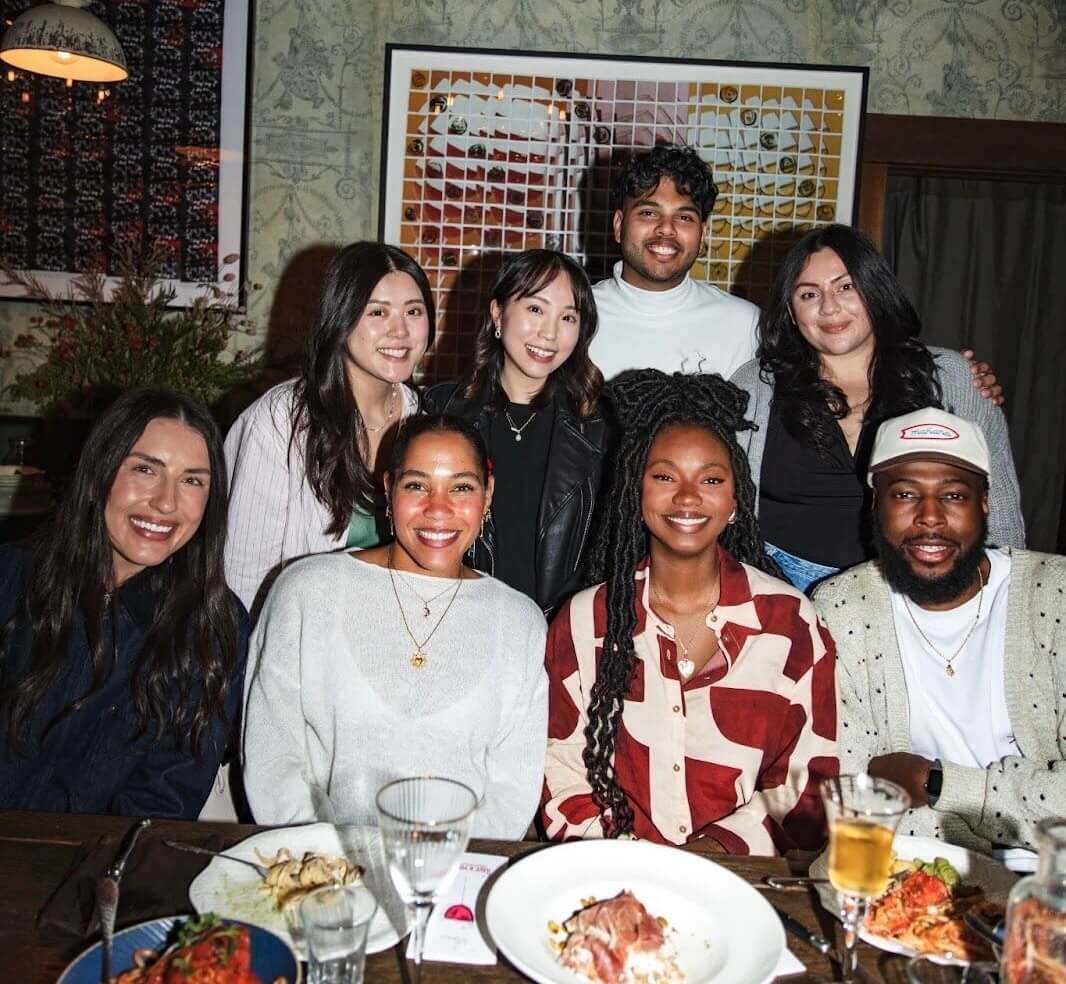
In October, the Meraki community came to life in a way that no Zoom call ever could. Vivian and her team hosted their annual NYC dinner — an intimate gathering of creators, brand partners, and friends who had helped shape the agency’s journey. The room buzzed with laughter, warm reunions, and stories that stretched back to Meraki’s earliest days.

For Vivian, it was a full-circle moment. Many of the guests were creators she had signed during the uncertainty of the pandemic — people she had championed from afar before ever shaking their hands in person. Watching them share a table, swapping stories and ideas, felt like witnessing the agency’s spirit materialise in real life.

It wasn’t a night of flashy sponsors or curated photo ops, but of genuine connection — the kind that has quietly fueled Meraki’s success from day one. “What I’m most proud of isn’t the growth,” Vivian reflects. “It’s loyalty. Many of my creators have been with me for three or four years. In an industry where talent often comes and goes, that kind of long-term commitment means everything.”

What Comes Next

As Meraki continues to grow, Vivian is laying the groundwork for a new chapter — one that strengthens the agency’s foundation while amplifying its impact. She’s focused on expanding her team and refining systems to preserve Meraki’s signature boutique quality, even as it scales.

“I’m being intentional with this next chapter,” she says. “Before stepping deeper into consulting and mentorship, I want to make sure the agency continues to run with the same care and creative integrity it was built on.”

With that foundation in place, Vivian plans to open limited consulting slots and launch educational programs for creators and emerging talent managers. Her goal is to nurture the next generation of creative leaders — empowering them to build with heart, purpose, and the courage to redefine what success can look like.

Follow Vivian’s journey:
📍 LinkedIn | Instagram

Color - Anise Health 27710_2 (1)-jpg

Stories

The Founders Behind Anise Health: How Two Women Are Reimagining Mental Health for the Asian Community

When Nisha Desai and Alice Zhang met at Harvard Business School, neither of them expected that a casual conversation about their frustrations with therapy would spark the idea for something much bigger.

As they juggled graduate school and their own mental health, they often felt therapy wasn’t built for people like them – they spent more time explaining their background to their therapists than actually healing. 

They realized it wasn’t just them – there’s a gap in mental healthcare that left many in the Asian and multicultural community feeling unseen and misunderstood.

That shared realization became the seed for Anise Health: a platform built to make therapy culturally attuned, accessible, and truly effective for the AAPI community.

A Problem They Both Knew Too Well

Before their paths crossed, both founders had already seen the same issue from different directions.

Nisha, who grew up in Florida in a family of healthcare entrepreneurs, had always been drawn to questions of access and equity in care. After studying finance and marketing at the University of Pennsylvania’s Wharton School and earning her MBA from Harvard, she worked in healthcare investing and later in digital product management at Humana. It was there, while helping build a mental health app, that she started hearing a troubling pattern from thousands of users – the same barriers she had personally faced.

Nisha recalls that people weren’t saying therapy didn’t work. They were saying it didn’t fit, that they didn’t feel understood.

Alice, meanwhile, came to the same conclusion through her own deeply personal experiences. Born in China, raised across Japan and Canada, and now based in New York, she calls herself a “third culture kid.” Her multicultural background gave her adaptability, but also a sense of never fully belonging anywhere.

That feeling resurfaced when she sought therapy during business school. Despite being fluent in English, she found herself translating her own emotions for her therapist – explaining why criticism from parents felt like love, or why pursuing excellence felt non-negotiable.

Alice remembers feeling exhausted after each session, explaining her background again and again, and leaving each time feeling unseen.

Alice Zhang (left) and Nisha Desai (right)

Building a Culturally Grounded Model of Care

After that pivotal conversation at Harvard, the two women began mapping out what culturally attuned mental health care could look like. They spoke to clinicians, patients, payors and community leaders, testing how cultural nuance could be integrated into evidence-based therapy and coaching.

They envisioned a new kind of care model: one that didn’t require clients to educate their therapists or set aside their cultural identity at the door. Instead, therapy would start from a place of understanding.

“Alice and I really built Anise to be what we believe our community has needed during our upbringing. What we kind of wished for ourselves through our own personal journeys with therapy.”

But building what didn’t yet exist came with challenges. They had to prove — to investors, clinicians, and even the broader healthcare system — that cultural context wasn’t just a “nice to have,” but essential to effective care. Many mental health professionals hadn’t been trained to deliver culturally adaptive therapy, so Anise Health had to design that framework from the ground up: provider training programs, accurate diagnostic tools, tailored care plans, curated resources and a scalable model for personalized, culturally attuned care.

Their persistence paid off. What started as late-night brainstorming sessions between classes evolved into a fully fledged mental health platform that blends clinical rigor with cultural empathy.

Growing the Movement

Since its founding, Anise Health has facilitated over 10,000 paid appointments and built a network of 60+ licensed providers across multiple states. The company is now expanding through insurance partnerships that make culturally attuned care more affordable and accessible.

Behind the scenes, Nisha leads operations and product design, while Alice drives partnerships and provider training.

Their complementary strengths, coupled with a shared sense of purpose, have helped Anise Health raise $6.4 million in funding and gain recognition as one of the top 10 most innovative Asian Pacific-led companies to watch by NYSE, Y Combinator, and Gold House.

Redefining the Future of Mental Health for Asian Communities

For both founders, Anise Health’s success goes beyond numbers. It’s about shifting how mental health is understood and delivered, starting with a community that has long been underserved and stigmatized.

“Our goal isn’t just to make care available,” Nisha says. “It’s to make it effective, culturally relevant, and sustainable within the healthcare system.”

By creating a new gold standard of culturally attuned care, Nisha and Alice aren’t just helping Asian Americans access therapy that finally feels like it speaks their language – they’re reimagining what inclusive mental health care can look like for everyone.

Learn more about Anise Health at anisehealth.co

Angel Zhen Built a $500K Solo CPA Firm and Redefined Success

Stories

Angel Zhen Built a $500K Solo CPA Firm and Redefined Success

From Public Accounting to Personal Freedom

For most people in the accounting world, success looks like a corner office, a big team, and an endless stream of clients. For Angel Zhen, CPA, MST, success meant something entirely different — independence.

“I wanted to build something that valued freedom, quality, and impact,” he says. “After years in public accounting, I saw how the system rewarded long hours over real results. I knew there had to be a better way — to build a high-performing firm without sacrificing your life.”

That clarity led Angel to found Pasadena Tax CPA, a one-person practice that now generates over $500,000 in annual revenue and serves more than 300 clients nationwide. Angel’s work has earned national recognition from both CPA.com and the AICPA, including being named a 2025 Innovative Practitioner Award Finalist and 2025 Leadership Academy Selectee.

From Public Accounting to Personal Freedom

Turning Loss into Leadership

Angel’s story didn’t begin with business success. It began with loss.

“In April 2020, my dad passed away unexpectedly,” he recalls. “Because COVID hit and I was deep in tax season, I didn’t get to see him one last time. That moment changed everything — life, time, and purpose.”

Like many in Asian families, Angel describes his father as the pillar — the provider and decision-maker everyone looked up to. When he passed, Angel knew it was his turn to step up.

He moved back home to Rosemead, California, to take care of his mom and rebuild his life. What began as a moment of grief became a defining transformation. “Starting over during a pandemic forced me to innovate to survive,” he says. “I turned loss into fuel and fear into focus.”

Five years later, that focus became a thriving solo CPA firm built on innovation, strategy, and heart.

“There’s a Chinese saying, 苦尽甘来 — after bitterness comes sweetness,” Angel says softly. “Every struggle built the clarity, strength, and mindset that led me here today.”

Challenging the Traditional CPA Model

Angel’s biggest challenge wasn’t the market — it was his own mindset. As an Asian CPA, he grew up with messages about safety and stability: work hard, follow the rules, don’t take risks. But entrepreneurship demanded something different.

“I had to unlearn the belief that success required a big team, long hours, or a corporate ladder,” he explains. “I built systems, automations, and pricing models that gave me confidence and time back.”

Those systems didn’t just make him efficient — they made him exceptional. Today, Pasadena Tax CPA is recognized as one of the most efficient solo CPA firms in the nation, a model of what’s possible when technology meets intention.
His book, The Profitable Solopreneur Playbook, expands on that mission — teaching other CPAs and solo business owners how to build practices that generate both profit and freedom.

Challenging the Traditional CPA Model

Redefining Success in the Modern Asian American Dream

Angel’s success challenges a long-held cultural narrative — that stability and ambition are mutually exclusive. His mission is to show Asian professionals that they can have both.

“For the Asian community, I want to normalize the idea that you don’t have to choose between stability and ambition,” he says. “You can honor your roots while building your own path.”

Through mentorship, education, and storytelling, he’s helping others reclaim the idea of financial independence — not as a luxury, but as a form of empowerment. His philosophy is simple but powerful: “Build with intention, clarity, and courage.”

A Beacon of Innovation and Leadership

Angel’s recognitions from CPA.com and the AICPA are more than professional honors — they’re milestones in a larger movement to modernize the accounting industry.

“Being recognized by CPA.com as one of the most innovative practitioners isn’t just about accounting,” he says. “It’s about leadership, legacy, and resilience.”

His nomination for the 2025 Innovative Practitioner Award celebrates his ability to merge technology and empathy — running a fully remote, tech-driven practice that still feels deeply personal.
🗳️Vote for Angel Zhen, CPA → cpa.com/innovative-practitioner

Rooted in Legacy, Driven by Purpose

What drives Angel today isn’t just revenue or recognition — it’s the promise he made to himself after his father’s passing: to live with intention.

“I’m proud of building a $500K+ one-person CPA firm from scratch — without a team, referrals, or outside funding,” he reflects. “It’s proof that with clarity, systems, and consistency, one person can do extraordinary things.”

Beyond his business, he continues to inspire thousands of professionals across CalCPA, Asian Hustle Network, and beyond — showing that even in an industry built on rules, creativity and freedom can lead the way.

Rooted in Legacy, Driven by Purpose

About Angel Zhen, CPA, MST

Angel Zhen is the founder of Pasadena Tax CPA, a one-person firm serving clients nationwide with a focus on tax strategy, clarity, and efficiency. He has been recognized by CPA.com as a 2025 Innovative Practitioner Award Finalist and by the AICPA as a 2025 Leadership Academy Selectee. Angel is also the author of The Profitable Solopreneur Playbook, helping others design businesses that create both wealth and freedom.

🗳️Vote for Angel Zhen, CPA as the 2025 Innovative Practitioner

https://www.cpa.com/innovative-practitioner

Connect with Angel Zhen

LinkedIn: linkedin.com/in/angelzhencpa 

Website: www.pasadenatax.cpa