Awaken* newsletter

March 21, 2024

SHARE:

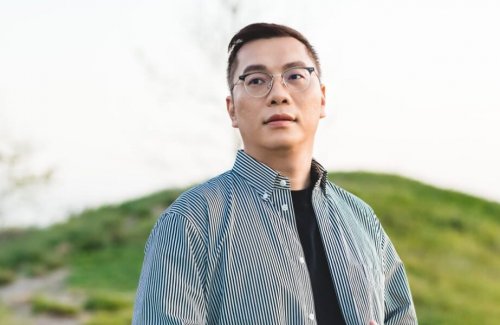
On December 15th, I had the honor to chat with Kevin Chou. Kevin is one of the foremost Asian American founders, having founded a number of gaming and web3 companies (Rally, Forte, Blocto, Gen.G, and Kabam) and currently spends his time working on Superlayer, a crypto venture studio he co-founded two years ago. Kevin also serves on the board of trustees at his alma mater UC Berkeley and notably made the largest donation to the school from an alumni under 40 years old. Without further ado:

FINDING YOUR OWN VOICE

In my research for this interview, I came across an article where Kevin said “Not working has helped me realize that by far the most important thing is finding that voice in your head that’s truly, authentically you”, but he never got around to sharing how to find your own voice, so that’s what I asked him:

One way to think about it is to try to meet as many people as possible, people that seem to inspire you–could be from all walks of life. It could be somebody in the government, the political field, someone doing nonprofit work, or even a church figure. Reach out to as many senior people, people that you admire, people whose work seems really cool. Reach out exactly like how you did. Say, “I’m a new graduate. I’m still trying to figure out what I want to do with my career. I’m really inspired by what you’ve done. Can I set up 30 minutes with you to talk about what you do, what you like about it, what advice you have, etc.?” It’s shocking how few people do this. I know it’s potentially a little scary. You’re reaching out to people who you don’t even know. 

Personalize a note, find them on LinkedIn, or social media, or email, and just send them a note. It’s actually surprising. I took a look at your note. And I was like, “You know what, it’s half an hour of my time. If I could help somebody, I think about it as just paying it forward.” I think a lot of people who’ve had some success in their life are very happy to pay it forward and try to help young people figure out what they want to do, because I think we were all there when we graduated.

On a personal note: I’ll add that my success rate with my cold emails to these founders is about 5-10%, which Kevin noted was within expectations. That’s not to discourage anyone from emailing, but to set realistic expectations as to the response rate. If your response rate is better than mine, I’d love to hear what you’re doing so I can copy you!

ON BEING ASIAN

At Asian Hustle Network, our one recurring question is: “how has being Asian qualified your experience as a founder?”, here is Kevin’s response:

I think about it all the time. I didn’t grow up in an Asian community. I grew up in a very small, rural community. So it was a lot of white and Hispanic folks, and I didn’t really have any Asian restaurants in my town. There were only two other Asian kids in my high school. When I was a kid, I thought it was weird that I was Asian. I looked different from people, ate different food than other people, and my parents didn’t speak English as fluently. I tried to blend in and not really focus on it. Then I went to college at Berkeley. There, I found a lot of friends and felt like I fit in a lot more. As a founder, it’s again, thrust into an environment with very few Asians as CEOs. There are a lot of Asians in technical roles. I think I’ve been incredibly successful. Lately, there have been more and more Asian founders, but there’s not as much of a cohesiveness around it as much as, for example, the Indian founder community is very tight. The Pakistani community is very tight. There are a lot of other ethnic communities that are founders that I think are tighter.

I had recently talked to Bryant Chou from Webflow, and his method of approaching this was to take a colorblind approach when it came to business. I mentioned to Kevin that his approach seemed the opposite of Bryant’s:

I definitely feel differently about it. I’m doing business with a lot of people. In general, when I’m doing business, I’m working with all different types of people. But in terms of people that I want to help out, it’s very natural that I’m more likely to say yes to an interview or try to help somebody else out if I see a little bit of myself in them. Ethnicity helps. I’ve done a lot of business in Asia, including having a 300 person office in China and starting an esports company called Gen.G, which is based in Seoul, Korea. 

Going to Asia, it’s a huge advantage to speak the language and understand some of the cultural aspects. I think about how I can take advantage of the good parts of being an Asian founder and entrepreneur, and then there are probably times where it’s a net negative, and I try to mitigate those as much as possible. 

For example, during COVID, there was a big group of Taiwanese American entrepreneurs, like Steve Chen from YouTube, and Kevin Lin from Twitch, and Jameson Hsu. We decided to go to Taiwan during COVID. There are lots of times where we’re celebrating Chinese New Year together, and just like Chinese New Year events that you go to, and you meet a bunch of other founders. Having kids and a family, I spend a lot of time just enjoying meeting people from those cultural events. 

Pulling on this thread, I asked Kevin what kinds of detriments he felt Asians faced:

I don’t think there’s as much of a detriment anymore. I would say in 2006, I was incredibly lucky that I was a VC. When I joined investment banking, there were like two other Asians in my hundred person office. And in all of the venture industry, there were maybe 10 Asians (circa 2005). How many CEOs were successful, CEOs of companies that were Asian, you had Jensen who ran Nvidia and that’s about it. There were just not many Asians. You think about all the .com companies, all of the e-commerce companies that were started in the late nineties and in that era of the technology world. It’s hard to think of many Asians. I would say Jerry Yang comes to mind.

Although he wasn’t the CEO initially, back then it was really hard to be a CEO who was Asian and trying to pitch to someone who’s generally not Asian. The investors do a lot of pattern matching. For example, they might think, “These kids are from MIT. That’s a good pattern match. I’m interested.” While nobody’s explicitly saying, “I don’t want to fund a woman or someone of a certain ethnicity,” they’re just pattern matching. They’re taking lots of meetings and they might think, “Something’s a little off about this one.” Think about it, how many CEOs have been Asian? It was a lot harder, but today there are a lot more, which is good. I think it’s less of an issue today. On the positive side, a lot of Asian founders get credit for being smart, being technologists, and for hustling. I don’t think it’s much of a detriment anymore the way it was 20 years ago. That’s good for the better in that regard. 

Going off his comment on the lack of Asian CEOs, I asked him what kinds of things he practiced or studied to overcome the additional headwinds he faced:

If you want to be a CEO, everyone has different perspectives on this. My perspective, especially in the context of the Asian Hustle Network, is that one of the Asian stereotypes is that they’re quiet, smart, and they work really hard, but they don’t know how to get out there. They don’t know how to sell or get deals done. So, I think being a good communicator and developing your own leadership style in a way that is authoritative, compelling, and authentic is important. Everyone has their own way of doing this, but there is a certain projection or pattern match of somebody who is going to be a good CEO. As a founder, you’ve got to be someone who can overcome obstacles, regardless of your ethnicity or gender. You have to be good at running through walls. Being good at sales, being able to get your ideas across in a compelling way, these are all incredibly important. These days you can do that via a variety of means. It doesn’t have to all be in person. 

FUNDRAISING 

I have some friends who are looking to raise a pre-seed round for their startup. But they were having some difficulty as they weren’t located in the Bay Area and didn’t have existing connections to angel investors. I wanted to see if Kevin had any advice for people in their position:

It’s definitely a lot easier if you’re from Stanford, MIT, Cal, or other top programs with a technical background. If you’re not from that, my biggest advice is to move to San Francisco or New York. If this is what you want to do, you have to do it right. If you wanted to be an actor or be in show business, you would go to New York or Los Angeles. That’s where everything is. The various angel investors, seed investors, and larger institutional investors are primarily in these two markets. I would say the Bay area still tops, but New York is a very close second these days. It’s much easier if you go out, attend some of the easier events, meet some people, spend some time networking, and then get invited to other events. You start meeting investors, figure out what events they are going to, go there and meet them, and talk to them about your ideas. There’s no substitute for meeting somebody face to face and talking.

Kevin later added a few additional thoughts:

As a young entrepreneur, there are two ways to build a company. The way I did it was through luck. I raised half a million dollars for my first round in 2006, which wasn’t a lot of money. We were incredibly frugal and had enough money to pivot a few times. This is a harder way to do it because it involves a lot of networking to find investors. I was fortunate to have spent two and a half years as a VC in the industry, so I knew a lot of VCs. My own firm and a few others were willing to write me a check, but I chose the firm I used to work with because they offered better terms. However, the best way to build a startup is raising a few hundred thousand dollars, around $200,000. Those types of deals are easier to get. Ideally, you can even avoid raising anything because what you can do is get a few friends together who are technical and build the thing, launch it, and get some success. Then raise money. It’s much easier raising money once you’ve built something than when it’s just a story.

When I say I’ve been pitched hundreds of Gen AI startups, I would say 80% of those pitches did not build anything yet. A lot of those emails start with, “I’m looking for pre-seed funding and here’s what I’m looking to try to do.” I generally don’t even read those emails. And I think a lot of other investors don’t either at this point. So if you haven’t met the team, if the team doesn’t have a really good background in exactly the area that they’re tackling, it’s an easy archive email. 

Whenever somebody built something and emailed me, “Here’s a link to the thing I built,” or “Here’s a video of the thing working,” I generally take the time to go take a look at it because I’m always interested in what’s new. I’ll take way more meetings with somebody who’s built something. 

And there you have it! Just building something and getting a few users will put you ahead of most pitches.

TAKING CARE OF YOURSELF AS A FOUNDER

The last question I asked Kevin was how he dealt with the emotional toll that being a CEO takes.

You have to have either a community or a relationship. Besides parental relationship, some meaningful relationship in your life that is going to ground you through the tough times, because without that, it’s just so easy to slip into that place. These days, it’s much more normal to talk about the importance of mental health. Mental health, emotional health is incredibly important. I think it’s all rooted in physical health, too. It’s really hard to run a startup if you’re not physically healthy. If you’re not physically healthy, that also drags down your emotional and mental health. So I think physical health is actually the very base of the pyramid.

From SoulCycles to sports, for example, I highly recommend a book that has been really helpful for me. It’s a book called Younger Next Year. This book came out, I think, over two decades ago. I recommend it to everyone. You don’t even have to read the book. The very basic thing to do is strength training two times a week, and then try to do some cardio exercises, another three to four days a week. So basically spend five or six days a week being physically active, with two of those days being strength. Exercise and eat reasonably okay. That is my number one advice to people with a stressful lifestyle. Having a grounding of physical health is super important. 

Then we get to the question that you started with, which is emotional health. Emotionally, mentally, it is incredibly important to have a community and to have a relationship that you care about. I know all this sounds like, “How am I going to do all this stressful stuff in your life?” But the whole point is, if you’re going to run a marathon, you have to pace yourself. The number one thing that I find is, if time permits, have something that you like doing. Ideally, that’s something that ties into physical health, because that way, you kill two birds with one stone. Whether it’s hiking, or a sport or something else, do things that you enjoy a few hours a week, because otherwise, you’ll just burn yourself out. So physical health, relationships for mental health, and then do some play every week.

I asked Kevin what exercises he tends to do and mentioned that I do mostly cardio:

Strength training is the number one thing that I recommend for everyone. That can come with all sorts of different things like circuit training, some sort of boot camps. It doesn’t have to be super intense, you’re not looking to necessarily get ripped and get a six pack. It’s just strength training, kind of a total body core strength training. Find something that you like that gives you energy, it could be a class, it could be one on one, it could be doing videos, something that you enjoy. Strength training doesn’t have to be a chore, it should be reasonably fun. On the cardio side, I love playing tennis, and lately pickleball. That’s what I do most of the time. On the weekends, I’m generally hiking, because I like spending time in nature with my family. 

There’s a website called Bay Area Hiker, or BA Hiker, I think. It has all sorts of great hikes that are all ranked by community. You can search by area and city. We like driving out to Half Moon Bay. Near the ocean, there’s a ton of great hikes along the one freeway. If you drive south from San Francisco, as you get towards Pacifica, there’s a lot of great hiking trails that take you above the one freeway. You get a gorgeous view of the ocean and the waves coming in. It’s just beautiful.

SHOUTOUTS 

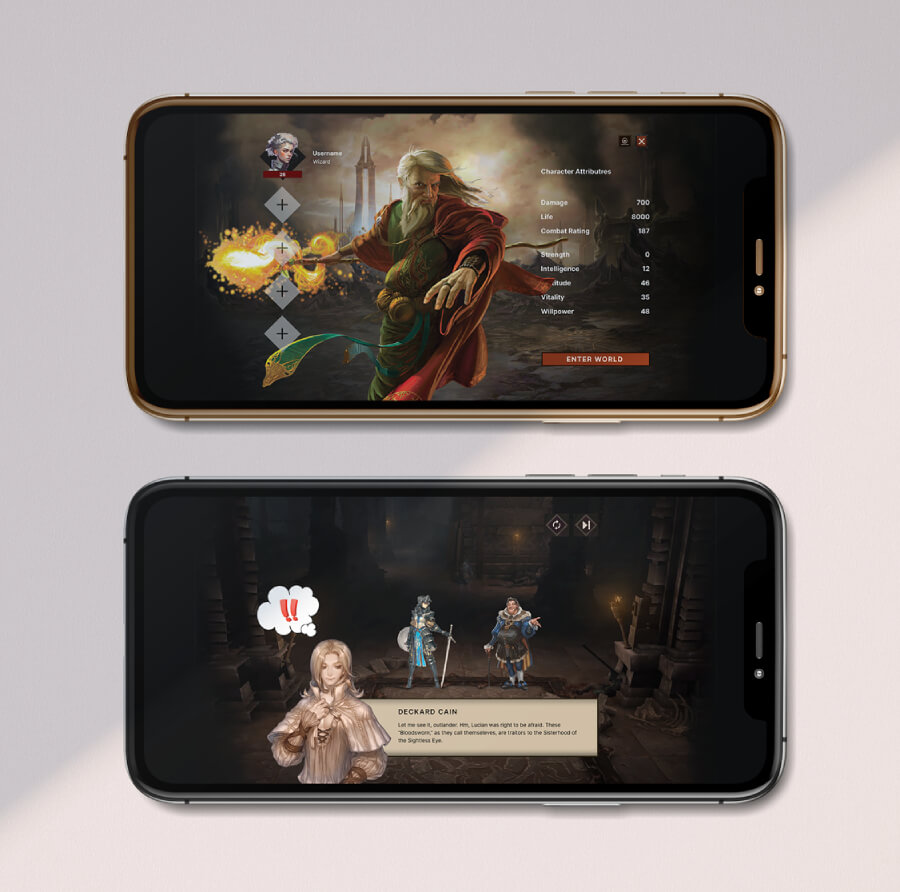
If you like mobile games, check out Bored Button, a free mobile game where you can earn valuable loyalty points–made by one of Kevin’s companies. Bored Button is available to download on the Apple App Store, Google Play Store, and the Amazon App Store.

Thank you Kevin for speaking with us!

Related Articles

240909_AHN Stories (1)-png

Stories

Dr. Tiffany Moon on Empowering Women Through LeadHer Summit

Do you ever feel like you’re juggling a hundred things at once—your career, family, personal goals—and wonder how to keep it all together?

Dr. Tiffany Moon knows exactly what that’s like. As a mother, doctor, entrepreneur, and advocate for women’s empowerment, she has mastered the art of balancing multiple roles without losing sight of her passions. Not only did she figure out how to manage all these roles, but she’s also thriving in each of them.

Driven by her love for creativity and her desire to inspire others, Dr. Moon ventured into entrepreneurship, launching Aromasthesia Candles and Three Moons Wine. Most recently, she founded LeadHer Summit, a leadership conference designed to uplift and empower women from all different professional backgrounds.

Here’s how Dr. Moon is redefining success by finding joy in balancing her work, passions, and family—while staying true to her authentic self:

The Heart Behind Her Success

Dr. Tiffany Moon’s journey to success was deeply influenced by her immigrant parents, whose sacrifices fueled her ambition. Watching them work tirelessly to create a better life for their family shaped her determination to thrive—not just for herself, but for her twin daughters.

“I saw firsthand the struggles they faced, and I knew I wanted to create a better life for myself and my children,” she reflects.

Driven by this desire, Dr. Moon achieved remarkable milestones early on. By 19, she had graduated from Cornell University, and by 23, she completed medical school, quickly establishing herself as a respected anesthesiologist. However, her goals extended beyond her medical career. She also stepped into entrepreneurship to show her daughters that women can lead, build businesses, and create their own opportunities without sacrificing joy.

“I want my daughters to know that they don’t have to give up parts of themselves to fit into a box others might create for them,” Dr. Moon explains. “Being true to who they are is the most powerful way to lead and succeed.”

Navigating Challenges and Finding Her True Self

Like many of us, Dr. Moon faced pressures to meet the expectations placed on her, both by society and herself. As a first-generation Chinese American, she felt the weight of cultural norms that pushed her to be the perfect daughter, doctor, wife, and mother. This constant striving for perfection left her feeling exhausted and burnt out.

It wasn’t until she took a step back that she realized something needed to change. Through therapy, self-reflection, and surrounding herself with supportive mentors, Dr. Moon learned to let go of the need for perfection and embrace her true self. She began to prioritize her own well-being, and in doing so, she found a sense of freedom and joy that had been missing.

“It was a long process, but it’s something I now advocate for, especially with other women who feel like they have to do it all.“

In her book, Joy Prescriptions, Dr. Moon shares her journey of overcoming perfectionism and embracing vulnerability and authenticity, inspiring others to follow a similar path.

Turning Passion Into Purpose

Beyond medicine, Dr. Moon’s entrepreneurial spirit has flourished. She’s combined her love for creativity and her professional knowledge to launch two successful businesses: Aromasthesia Candles, a line of candles inspired by her medical career, and Three Moons Wine, which she started with her husband. Both ventures reflect her belief that you don’t have to limit yourself or strive for perfection—you can embrace all the different facets of who you are and explore them fully.

But perhaps her most meaningful venture is the LeadHer Summit, a leadership conference dedicated to empowering women across various industries. 

The LeadHer Summit 2024, set to take place from November 8 to 10 at the JW Marriott in Dallas, TX, is designed to inspire women to connect, grow, and take bold steps in their careers and personal lives. 

The 3-day event features keynote sessions, hands-on workshops, and panel discussions led by 25 expert speakers. Attendees will have the opportunity to build meaningful connections through networking opportunities and celebrate in style at the exclusive Glam Gala.

For more information, visit leadhersummit.com

Creating a Legacy for the Next Generation

At the heart of everything Dr. Moon does is her desire to leave a positive legacy for her twin daughters. She wants them to grow up knowing they can chase their dreams and still be true to who they are.

For Dr. Moon, success isn’t about sacrificing joy but about finding purpose in everything you do. Through her own life, she’s inspiring women everywhere to embrace authenticity and live fearlessly, showing that it’s possible to lead with both heart and ambition.

Connect with Dr. Tiffany Moon

Instagram: @leadhersummit @tiffanymoonmd
TikTok: @tiffanymoonmd
Facebook: Tiffany Moon, MD
LinkedIn: Tiffany Moon, MD, FASA

Elegant Cinematic Wedding Thumbnail HD 169-png

News

FaZe Jason Sparks a NewJeans Renaissance, Surpassing 100K Twitch Subscribers

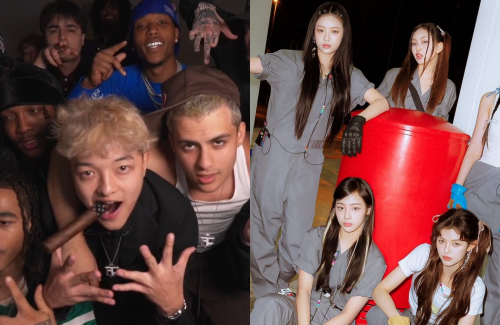
NewJeans is onto another journey of global stardom, this time, it is towards a quite interesting, new audience. Their song “ETA” has surprisingly witnessed a resurgence after 1 year of its release, which many humorously referred to as “NewJeans Renaissance.” It all happened when Vietnamese American streamer Jason “theween” Nguyen, ranked 15th globally and 10th in the U.S. on Twitch, celebrated reaching 100,000 subscribers by playing the track during his livestream, becoming the 2nd most-subscribed Twitch streamer.

The viral meme of him and his friends passionately screaming the song lyrics “What’s your ETA?” took the internet by storm. Thanks in part to Jason’s live stream and the song’s inherent quality, this track’s daily streaming exploded. From September 29 to October 2, the song reached 322,985, 424,271, 563,295, and 659,860 streams on Spotify. On October 1 and 2, “ETA” became the most streamed song by NewJeans, despite its 1-year release. 

Jason Nguyen celebrated his 100,000-subscriber milestone to “ETA” by NewJeans

However, besides the song as an upsetting observation of modern romance, Jason has challenged a stereotype long-fixated on K-pop listeners. K-pop, especially in Western countries, was a novel concept until recent years. Since the global expansion of K-pop, it has gained a significant amount of popularity. Just when it seems like the world is more open to a new musical force, stereotypes remain or even worsen. 

K-pop was usually linked to cute, dreamy imagery, which widely attracted teenage girls and was often seen as un-masculine. Many, especially men, did not have a positive outlook on the genre, believing that its image went against their ideals of masculinity and lifestyle. NewJeans’ songs, which exude youthful femininity and often above-board quirkiness, could easily fall into the ‘no’ lists of many men chasing after that idea. By publicly showing his admiration for the group, Jason Nguyen has proven that K-pop is an open space for all ages, genders, and sexual orientations. 

While singing and dancing along to the cheerleader-chanting tunes of “ETA,” Jason has created a fun and free atmosphere, creating a welcoming space for everyone, including the male-dominated gaming and streaming communities. His open appreciation for K-pop has helped introduce the genre to a broader audience, particularly within the streaming and gaming communities, encouraging more people to embrace the music free from societal labels.

Jason Nguyen, better known as JasonTheWeen, is a Vietnamese American YouTuber and Twitch streamer. He is known for his in-real-life streams and gaming content. Jason officially joined FaZe Clan in April 2024 as part of their reboot. 

NewJeans has never really left the K-pop scene, even though it’s been almost five months since their last single album, “How Sweet.” Since they first caught the world’s attention with hit after hit, their coming-of-age, iridescent music has shaped a distinctive persona in the industry. NewJeans arrived on the K-pop scene as a group of teenage girls next door navigating young love and friendships, while a transcendental ambiance hovers around them, instilling a touch of nostalgia yet mystique. This unexpected renaissance is just one more proof that NewJeans is here to stay.

articlestory_lrg_img (1)-jpg

Stories

Empowering Entrepreneurs with Eric Le Tai’s Digital Design Solutions

Eric Le Tai is not your typical product designer.

As the Founder of Collective Engram, an online design studio based in Nevada, Eric has carved out a niche for himself by blending creativity with purpose. With a background in art direction and a keen focus on user experience (UX) research, he is driven by research-based design that impacts the community and connects business brands with their customers.

But how did Eric get here?

Eric’s journey began in 2019 when he took a pivotal step by studying social impact in New York. There, he discovered how to craft digital solutions that address economic challenges. This ultimately inspired him to pursue entrepreneurship seriously. “My passion for entrepreneurship has always driven me, but transitioning from a traditional 9-5 mindset has been a journey,” Eric shared with AHN.

Despite all the hurdles that he’s encountered, Eric is proud of his willingness to take risks, embrace failure, and keep moving forward.

Through Collective Engram, Eric hopes to form a collaborative community of professionals—designers, researchers, and developers—working together to deliver innovative digital services to small businesses in need.

His mission is simple but profound: to empower entrepreneurs and small businesses by offering design and research services tailored to their needs, while also creating new opportunities for collaboration within the industry.

The Services of Collective Engram

Eric offers a wide range of services that cater to businesses and entrepreneurs at different stages of their digital journeys. His primary focus is on final design deliverables for web, applications, and print. Clients can opt for additional research services, but they are not always required.

Here’s a breakdown of the services offered through Collective Engram:

User Research (optional):

  • UXR Research Report
  • Competitive Analysis
  • Personas

Final Designs (Figma, Photoshop, etc.):

  • Visual Design Final
  • Wireframe
  • Interactive Prototype

Design Support:

  • Design System/Components
  • User Journey Flow/Site Map
  • Product Strategy Workshopping
  • Presentation Support
  • Development Support (Hand-Off)

Any new business can benefit from creating an online website or blog for their product, but Collective Engram is especially beneficial for small businesses, entrepreneurs, and startups that need a professional and cohesive online presence.

For larger projects, such as application development or e-commerce platforms, Eric’s product design and research services become particularly valuable. He tailors his approach based on the client’s needs and the goals they wish to achieve with their product.

The Future of Collective Engram

Looking ahead, Eric sees exciting opportunities for Collective Engram. “My main focus is bringing in new clientele and optimizing the workflow process for different client needs,” Eric says. Currently, his primary focus is web design, but he plans to expand into larger-scale projects such as application and product design and large e-commerce platforms.

Eric is also exploring opportunities in industries like healthcare and education, where large-scale data analytics play a crucial role. In addition, he is learning the basics of front-end development to work more seamlessly with developers on future projects.

Connect with Eric

In his efforts to better understand potential clients and their needs, Eric offers free consultations for businesses interested in working with him. You may reach him at: collectiveengram.com

63dcd9ce-5cd7-4d0b-8443-84dfaf06544b (1)-jpeg

Stories

In Luffy Huang’s Vision for Pulse Events, Cultures Align Through EDM Music

CEO of Pulse Events Luffy Huang made waves across New York City this past Labor Day weekend. Known as “the world’s wettest party,” the S2O event made a splash in the Brooklyn neighborhood, delivering euphoric EDM melodies with Thai-inspired traditions that stretch across borders to America. 

But as the CEO of Pulse Events, his vision yearns for unity and togetherness through the power of music. Throughout the years, Luffy has been a driving force behind the diversification of the EDM festival scene, condensing the beats into a spectacular celebration of culture and community. 

The Sounds of Luffy Huang’s Chinese Upbringing and American Dream 

Growing up in China, his early passion for music led him to a career as a singer and TV host between 15 to 20 years ago. Encouraged by the eclectic soundscape in the U.S., his American dream for a successful music career was granted by one of the artists he was touring along with, paving the way for his move to the States. 

“I grew up in China and following my passion for music, I became a singer and TV host 15 to 20 years ago. Since it was always my dream to break into the music industry in the U.S., I began touring with artists and finally came to America with one of them in 2020.”

When he arrived in the U.S., Luffy was bewildered yet determined. The hustle in a foreign land might have caught him off guard for a moment but it also helped him head towards a new direction. “I found the industry here to be very open-minded and felt inspired and encouraged to start my own entertainment company here,” he says. 

Luffy left China for the U.S., driven by the fast-paced music scene.

This geographic shift is a tableau of music inspirations, cultural shock and a deepening sense of identity, all of which prompted him to create Pulse Events, an event agency focused on bridging the Eastern and Western cultures through music and community. 

Cultural Harmony Through Music and Luffy Huang’s Pulse Events Journey

“What inspired me the most was seeing people of different cultures embrace shows produced in Asia and influenced by Eastern traditions,” he says. 

Such ethos were themselves echoed throughout his work, by introducing a global audience to the purpose he wanted to share more of, from highlighting notable Asian creatives and talents, to celebrating the vibrant culture of the Asian community. “I realized that this experience was missing in the U.S. and it became my mission to produce shows here that expose fans to the traditions and dance community culture in Asia,” he says. “I am proud that my shows include elements like Asian night markets, lion dances and spraying water that is the Songkran Thai New Year custom.”

One of the drawbacks of starting Pulse Events in a new country, however, is the balance and harmony among different communities, especially in the U.S. where multiculturalism has long been its celebrated trademark. Yet, despite this animated diversity, Luffy needs to traverse the tricky waters of inclusivity, representation and U.S. culture: 

“Turning my vision into a reality took a bit of time. But once we put on our first Pulse Events show, we learned from the process and got into a good rhythm where we put on multiple shows annually and continued to expand. One of the challenges I face on a daily basis is figuring out how to represent Asian culture in the most authentic way possible, while having our shows appeal to a diverse audience. Striking that balance takes a lot of thought and hard work, finding the right partners to bring that to life. Another challenge I face is that English is my second language, so I sometimes have to take the extra step of using translation tools or making a greater effort to make sure my ideas are communicated correctly.”

Luffy Huang leads Pulse Events with determination, expanding the reach of Asian culture through unforgettable shows

While those challenges might have vexed him in the beginning, every show, event and festival was an emblem of the connectivity that he always has in mind for Pulse Events. The 2023 Spring Festival that Pulse Events had orchestrated last year was an EDM-heavy event to honor Lunar New Year and pull together traditional elements, joyful moments and different communities. It was the first event to infuse electronic music and Asian culture that introduced the beauty of this cultural festival to more American youths:

“I am proud of every show Pulse Events has put on and the legacy we are slowly building by making them annual. We are gearing up for our second Winter Festival in November and our third Spring Festival next year, and planning to bring back S2O after debuting it to the U.S. this past Labor Day weekend. I feel fortunate that we have established a good working relationship with one of the most famous venues in New York City and the world, The Brooklyn Mirage. I am also proud to be the founder of the Krazy Super Concert elevating K-pop in America.”

When East Meets West in Luffy Huang’s Vision for Pulse Events 

As an organization that holds the same values as AHN to uplift and highlight the Asian community, AHN takes this interview as a special opportunity to explore how Asian talents are being showcased and represented in the industry. Luffy’s vision remains unchanged: 

“The mission and vision of Pulse Events is to bridge the East and the West through music events that unite people of all backgrounds and educate them. Through bringing fans of all kinds together through the common love of music, we are able to open their minds and hearts to understanding Asian culture and embracing the immense talent within our community, from music producers and DJs to entrepreneurs like myself and my colleagues.”

This determination and commitment has led Luffy on a road of success, producing annual mega shows like the Lunar New Year Spring Festival, the Winter Festival and most recently S2O New York, all to celebrate cultures and unite communities through EDM. Even just at the start, Pulse Events has landed performance deals with many prominent artists in the electronic music scene, from the enigmatic Marshmello to platinum record-selling DJ Afrojack. 

Luffy’s goal is clear: bridge the East and West through music, uniting fans from all backgrounds while showcasing Asian talents.

Connect With Luffy Huang

Much of Luffy’s current success comes less from pure luck and more from a consistent performance of hard work and innovation. Whether it be electric live festivals, or getting deep down into his heritage, Luffy knows better than ever that Pulse Events was a child of hustle and resilience, no matter where you came from and who you are:

“From my own journey, I believe that if you hustle hard enough and never give up on your dreams, you will succeed, even in a foreign country or place outside of your comfort zone.” 

Facebook: One Pulse Events 

Instagram: @1pulseevents

X: @onepulseevents

TikTok: @1pulseevents