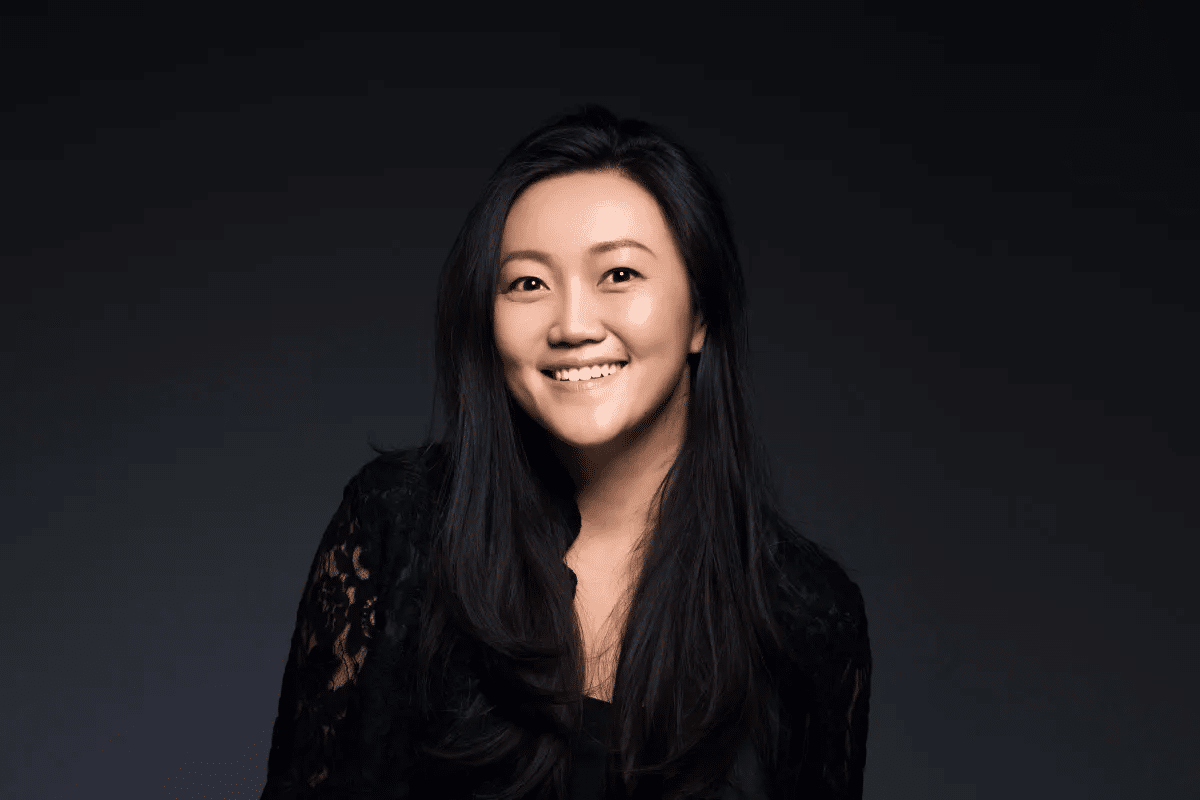
Anna Fang is the CEO of ZhenFund, an early-stage venture fund that has invested in over 600 startup companies, particularly in e-commerce and AI, with successful investments in unicorns like RED (XiaoHongShu), Perfect Diary, and Horizon Robotics. Anna began her career in investment banking at JPMorgan in New York City and later helped expand M&A efforts at GE China before joining ZhenFund in 2011.

In a recent interview with AHN Ventures, Anna shared insights about her venture capital journey, the high standards ZhenFund maintains for selecting founders, and the evolving landscape of early-stage investments. Read through to learn more:
HanYue: What inspired you to start Zhen Fund?
Anna: I began building Zhen Fund in 2011 after a significant tenure at GE. The catalyst was a conversation with a Graduate School of Business friend who was with Sequoia China about initiating a Y Combinator-like model in China. During this period, I met Mr. Xiaoping Xu, whose vision was truly inspiring. Additionally, the vast opportunities in China’s entrepreneurial landscape were too compelling to ignore.
HanYue: You are one of the pioneers in China’s venture capital industry. How has being an investor changed over the years?
Anna: Ten years ago, being a VC wasn’t as glamorous as being a private equity or angel investor. The scene was quieter. Entrepreneurship wasn’t as trendy, so it was easier to find thoughtful, high-caliber founders. Our first fund was $15 million, and we made 16 investments, including Xiao Hong Shu, which topped lifestyle app charts, and Huobi, HTX, which became China’s largest crypto exchange, and Deeplint, which went public. The VC scene entered a hype cycle from 2014 to 2020, with an overwhelming amount of money chasing deals. It felt wasteful to me. Now, with a ‘VC winter,’ I appreciate the slower pace that allows for more selective investments.
HanYue: Can you discuss the high standards Zhen Fund maintains when selecting founders?
Anna: There’s a high bar, especially for AI nowadays. Founders must deeply understand the technology. For example, we invested in Zhilin Yang, a renowned and famous PhD. Zhilin Yang is the founder of Moonshot AI, with a ChatGPT-like product Kimmy Chat.When I was looking for interns, there are kids these days who would say ‘whoa, you invested in Dr. Yang? That’s so cool. I want to work for you.’ Interns want to work for us because we invested in Yang, that was really something special.
HanYue: Yodu achieved many significant successes with your first fund. What excites you currently?
Anna: Lately, I’m fascinated by AGI and the global integration of foundational models into robotics. There’s also a burgeoning interest in applications built on these models, alongside video and productivity apps like monaco.im and max.me. Observing how human and AI co-pilots can coexist and interact is particularly intriguing.
HanYue: You’ve invested in many successful founders. What traits do they share?
Anna: It all boils down to hustle – your organization’s name Asian Hustle Network really speaks volume by the way. Successful founders are not afraid to get out there and continue to network. They have an infectious enthusiasm. Even I had to do it once. When I was just getting started, I would put ‘send me deals’ directly in my email signature.
HanYue: What challenges do early-stage startups typically face, and what advice do you have for navigating these challenges?
Anna: All successful companies have experienced moments where they almost didn’t survive, be it due to regulatory issues, cash flow problems, or founder conflicts. My advice is not to be phased by difficulties. Believe that you will pull through. Having mentorship is also crucial as it provides support and helps solve problems together.
One thing I really love about angel investing is the thrill of being the first to adopt new and innovative ideas, always staying alert and aware of emerging trends. Emma and I often joke about not being the top students at Stanford, always admiring how incredibly smart our classmates are.
Bob taught me the essentials: reviewing the team page – I often feel like an admissions officer searching for predictors of future success. It’s like trying to find Yao Ming among a crowd of tall people—a search for standout talent in a field of strong contenders.
With everything changing so fast, I am more excited about looking for really thoughtful founders. For example, I am really excited about this one young man, who used to my intern, he could just sit there and talk about the macroeconomy trends forever. And the way he thinks about what might become popular among young people continues to impress me. For example: The younger generation embraces ‘YOLO’—living in the present. And as a founder, you will need to think about new hobbies and cultural shifts that might emerge, and find ways to take advantage of that.
HanYue: As a lecturer at GSB and a seasoned investor, how do you differentiate in a crowded VC landscape?
Anna: Our differentiation lies in our founder-first approach and our simplified, transparent investment process. Even when we pass on an investment, we provide thoughtful feedback. Zhen Fund is not just about funding; it’s about fostering a community and offering programs like the EIR and Ostrich Club that systematically identify and support potential top founders. We want to build a supportive community.
Edwin: What trends from China do you see influencing the US, and vice versa?
Anna: E-commerce platforms like Shein and Temu are leading trends, with TikTok’s integration of e-commerce being particularly noteworthy. We’re also seeing interest in replicating China’s online education model and infrastructure globally. Additionally, attempts to mimic the success of businesses like Luckin Coffee in various international markets highlight the growing influence of Chinese business models abroad.