Awaken* newsletter

March 15, 2024

SHARE:

Edwin Ong

2024.03.06

翻译:田头草

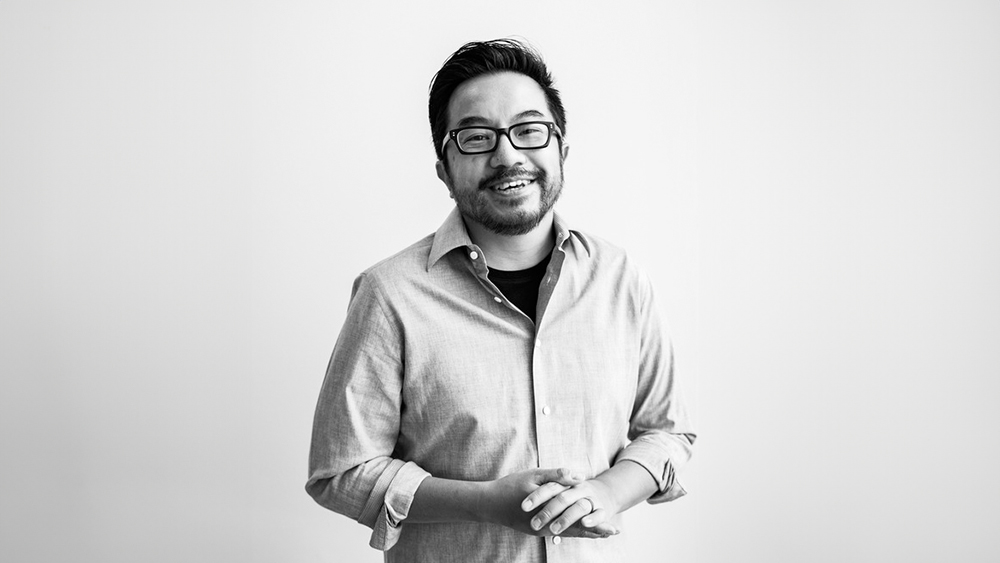
在硅谷,极少有人能像 Y Combinator 的总裁兼首席执行官 Garry Tan (陈嘉兴) 那样高调。Garry在其辉煌的职业生涯中担任过许多不同的职务。

除了领导世界上最成功的创业加速器(Y Combinator) 之外,Garry 是 Palantir (帕浪)的第 10 名员工,共同创立了 Posterous(最早的博客网站之一),创立了 Initialized Capital(管理规模超过 32 亿 美元的风险投资基金),甚至还由投资而步入政界,成为旧金山当地政治的杰出活动家。

(译者注;Palantir 帕浪公司基本上没有中文的介绍,帕浪服务的用户牛气冲天)

(译者注:Posterous 被Twitter 于2012 年收购)

我有幸有机会了解Garry 的亚裔身份如何影响他的生活,我希望他的答案能够帮助和启发我们的读者。言归正传:

一、克服有害的心态

1. 因稀缺环境而诱发稀缺的粘性心态

Ong: 

我的经验是,工薪阶级父母(尤其是亚洲移民)的孩子往往有一种因稀缺环境而诱发稀缺的粘性心态——即使他们的社会经济地位已经有所提高。加里此前曾谈到过他的“价值 2 亿美元的错误”。也就是说,他拒绝了 Peter Thiel 成为 Palantir 创始成员的邀请。对我来说,这似乎是这种心态的体现,所以我问Garry他是如何克服的:

(译者注:Peter Thiel,“奇葩的牛人,自由穿梭于法律、金融、投资及创业之间。”)

(译者注:当时Garry 是微软高薪稳定的员工)。

Tan: 

我能够意识到这些东西是双向门。以良好的条件退出一家大型科技公司实际上意味着你可以随时回去。有单向门和双向门之分。

对于与我们一样环境长大的人来说,一切都感觉像是一扇单向门。但如果你什么时候能意识到这是错误的,那么你就改造了那些有钱人默认拥有的一些特权。

Ong: 

亚马逊创始人杰夫·贝索斯(Jeff Bezos)多次谈论单向门与双向门框架。你可以在这里听到他更深入的阐述。https://m.youtube.com/watch?v=VFwCGECvq4I&ab_channel=LexClips

(译者注:单向门VS双向门,贝佐斯认为决策有两种。一种决策是单向门(one-way door),不可逆转而且非常重要。另一种决策是双向门(two-way door),90%以上的决策都属于此。也就是说,可以制定决策并执行,一旦事实证明决策错误,马上可以推倒重来,损失不大。)

2. 亚裔社区对心理健康的耻辱感

Ong: 

亚裔社区对心理健康的耻辱感,是另一种越来越受到关注的心态。就我个人而言,因为我的移民父母为了生存而拼尽全力,我觉得我没有权利抱怨我的心理健康,因为我的生活相对安逸。我问Garry这是否引起他的共鸣以及他如何克服这种心理障碍:

Tan: 

我假装自己没有任何问题,花了很多时间试图融入其中。但最终,有关我童年的事情或不寻常的留下创伤的反应,会在我的职业生活中突然出现。在某个时候,我开始单独接受治疗,这对我帮助很大。

所有这些我无法控制的事情突然变成了我可以整合和意识到的事情,并做出更好的选择。卡尔·荣格说:你未觉察到的潜意识决定着你的人生,你却将其称之为“命运”。(译者注:荣格是瑞士心理学家、精神科医师,分析心理学的创始人。)

3. 第三种常见心态是低着头,避免搅局

Ong:

我在亚裔美国人中看到的第三种常见心态是低着头,避免搅局,即使这意味着抑制自己的想法。鉴于Garry是一个非常直言不讳的人,我问他是如何培养自信的:

Tan:

我记得在高中时,我是校报的编辑,注意到我们在比较贫困高中的学生因为同样的违规行为而受到严厉的判决和开除,而在富人区的学校则仅会受到不痛不痒的轻罚。我对此非常生气,我写了一篇文章揭露它,但被我的高中指导报纸的老师审查(没过)了。我已经快毕业,并已被斯坦福大学录取了,所以我就顺其自然了。

但在我内心深处,有一种对被压制的愤怒,我永远不会忘记。

在出报纸之前,我会使用 Pagemaker (译者注:一款页面排版软件)出版“地下”报纸,而我的英语老师会为班级复印报纸 – 这给了我一种我永远不会忘记的力量。因为否则我就是角落里骨瘦如柴的亚洲书呆子,但是当我可以传达我社区的声音,我有了立足点。我从未忘记过这一点。

二、关于亚裔社区

Ong:

关于社区的话题,我问Garry 是什么促使他成为亚裔社区的积极倡导者:

Tan: 

我对旧金山的亚裔美国人社区有强烈的团结感。我们是这座城市的重要组成部分,但我们却没有被看到。我们没有被听到。

当地领导人甚至会诋毁我们为确保亚裔美国长辈安全所做的努力。现在我知道我需要为那些没有发言权的人而战。

我发现的最酷的事情之一是一个名为“亲爱的社区”的非营利组织,它将刚新到旧金山的亚裔美国人(通常是年轻的专业人​​士)以及传统的旧金山唐人街社区联系起来。看到聪明的人们聚集在一起,为这座城市的人民而战,真是太棒了。

(译者注:了解旧金山的严重的社会现状的读者,就能更深入理解Garry 的这段话)。

Ong:

我还提到他最近去新加坡参加一个名为SWITCH的创业活动,并问他对亚洲国家涌现的创业场景有何感想:

Tan:

初创公司正在世界各地涌现。您可以从 YouTube 和网络上学习。 YC 校友遍布世界各地。我很高兴看到从湾区开始的事情现在已经成为一种全球现象,而且还在不断增长。

三、亚裔创始人经验

Ong:

在朋友的建议下,我问Garry:“我可以向哪些非技术性的亚洲创始人榜样学习?对于在初创公司作为非技术员工而言,最有价值去学习的技能是什么?” Garry的回答有点挑战了我问题的前提:

Tan:

在初创公司和技术领域,技术是关键优势。如果可以的话,请更重于科技。然后成为一名博学者:科技人员掌握软技能比反过来要容易得多。

Ong:

事后看来,我承认,如果你不愿意付出努力来成为技术人才,那么期望在科技行业获得优异成果似乎很愚蠢。他给我上了一课。

四、如何看待自己的亚裔身份

Ong:

最后,我问了Garry,和我问所有受访人的问题一样——作为创始人,他如何看待自己的亚裔身份:

Tan:

直到很晚我才想到这一点。坦白说,我试图假装这不是问题,虽然绝对存在“竹制天花板”- 既使对我来说。我没有获得晋升和/或人们认为我没有能力做我所做的事情。我会愤怒地辞掉工作,这是解决问题的一种方式,但我看到事情可以有不同的解决方式。

作为一名创始人,我发现我需要提高自己畅所欲言的能力,尤其是当我知道自己绝对正确时,要尽可能自信。

我有一种隐而不发的心理,我甚至没有意识到这是为了和谐。在没有意识到的情况下,我有时会自我放弃,然后又被动地攻击它。我不再这样做了,这是我作为领导者发展的关键一步。我希望我早点发展这种能力,这都是因为我童年时无意识的编程。

(译者注:Garry 在 14 岁时开始编程,他通过制作网页和网站的互联网部分获得每小时 7 美元的报酬。这笔收入帮助他的父母支付了买房的第一笔首付。)

Ong:

我从这次采访中得到的最大收益是,“永远正确、直言不讳”的 Garry Tan 并不总是如此,而且在某一时刻,他非常像典型的亚裔孩子。Garry 的故事证明,只要有自我意识和决心,任何人都可以实现巨大的成长并成为行业领导者。

呼吁

Ong:

如果您有一个雄心勃勃的创业想法,并希望成为一个令人惊叹的创始人社区的一部分,请申请 Y Combinator! Y Combinator 每年运行两次批次——冬季和夏季。 

2024年夏季批次的申请已开放,您可以通过 https://www.ycombinator.com/apply 进行申请

感谢Garry 接受采访!

照片来源:Y Combinator

英文采访链接

Garry Tan on Startups, Advocacy, and Overcoming Cultural Mindsets

附:福布斯中国对陈嘉兴的介绍
https://www.forbeschina.com/billionaires/61673

Related Articles

Image Source: gerryrobert.com

Uncategorized

Lush Enterprises CEO Kim-Manzolini Took Trading To The Next Level To Build Her Empire

Who wouldn’t want to engage in something that generates value? It took a while before you could achieve something like this. You had to be determined and keep going to get through the process. 

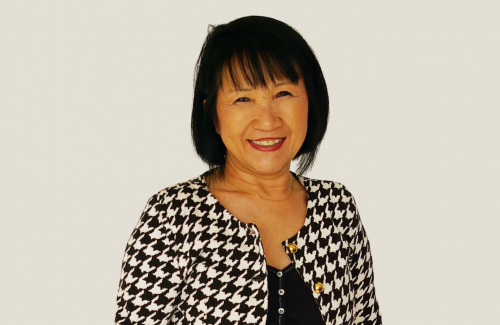
Think about how CEO Sun Yong Kim-Manzolini runs Lush Enterprises as an entrepreneur and, at the same, an investor. After working in the medical field for 33 years, she transitioned into entrepreneurship and trading options. She used her same can-do spirit and created opportunities.

All of her struggles, Kim-Manzolini told the USA Today, have helped to mold her into the woman she is today. She grew up as an orphan in Korea and was adopted by an American couple at 14. As an adult, she got into an unhealthy relationship but eventually got the courage to leave and move forward.

Kim-Manzolini knows that changing careers requires a great deal of hard work and self-control on her part. For years, she dedicated many hours per day to studying the ins and outs of the options trading industry and eventually mastered it. She simply had faith that she could pull it off, so she gave it her all without holding back.

Trading options expose investors to a diverse range of potentially significant risks. Even a single misfortune can completely wipe out a trader’s profits on the foreign exchange market due to the high risk associated with trading. But Kim-Manzolini did not let the challenges she faced discourage her, as she started gaining a new perspective on the situation. Instead of questioning why her experience was challenging, she adopted the mantra “Why not me?”

And as a result, she made $178,000 in her first year of live trading. Kim-Manzolini is now the owner of a multi-million dollar business. Her understanding of how to trade successfully was aided by the incredible commitment and sacrifice she made. 

The fact that Kim-Manzolini didn’t give up when it would have been simpler to do so is something for which she is grateful. She decided to focus on the positive aspects of the situation rather than ruminating on the potential downsides. She also put in a lot of time and energy and came up with a unique approach.

Image Source: Voyage LA

News

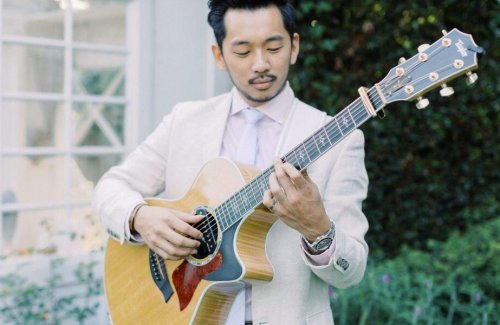
29-Year-Old Wedding Guitarist Made A Pandemic Pivot To Real Estate Earns $245K A Year

The best part is that playing weddings “doesn’t even feel like working. We’re just partying.” Moses Lin told CNBC Make It’s Millennial Money series.

Early in Lin’s career in 2016, he played at a coffee shop for three hours and got $3 tips. Today, his work takes him from New York to Hawaii, even to Cancun, and earns $175,000 before tips.

In the last two years, Lin has invested most of his wedding earnings into real estate.

Before becoming a real estate investor, Lin left college with just one semester left to pursue music full-time back in 2017. Several months later, Disney saw his YouTube videos and hired him to play in Disneyland’s hotels and restaurants. He took the job and decided he was never going back to college.

In the same year, Lin played a friend’s wedding as a favor and enjoyed it. He then charged $250 for his first wedding booking. After learning that wedding musician rates are $1200, he doubled his prices. Despite raising his rates, clients kept coming. Now, he charges $4,000 to $6,000 per wedding, depending on when the couple wants him to play. 

Lin became interested in real estate investing in 2014 and bought his first property in May 2020 as a “pandemic pivot” when Covid restrictions slowed his wedding gigs. He found a 4-bedroom house for $120,000 online and put down 20% plus $10,000 to renovate. His wedding earnings helped him buy a $40,000 home in Little Rock, including closing costs.

He rented the house for $1,425 and quickly found a tenant. He liked the process so much that he decided to buy a second property before the end of the year.

Today, Lin owns and rents out four properties in Little Rock. Lin didn’t turn a profit on his rental properties in 2021, but is in it for the long haul.

His goal with real estate is to get to a point where the passive income from his rentals pays all of his bills.

Lin pays a property manager to handle things on the ground, “so I’m able to focus 100% of my attention on weddings [and] on music, and real estate just makes money on the side.” he tells CNBC, “My whole master business plan is make money in weddings, dump it into real estate and let that grow itself.”

CONNECT WITH MOSES LIN

Instagram: instagram.com/moseslinmusic
Website: moseslinmusic.com

Image Source: kr-asia.com

Uncategorized

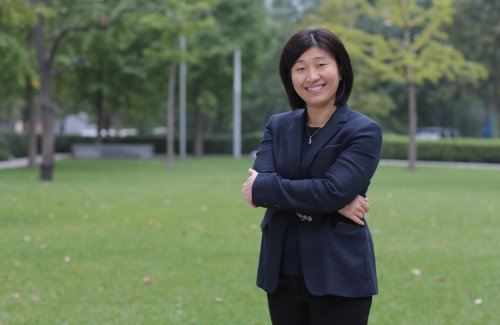
GGV Capital’s Jenny Lee: From Jet Engineer To One Of World’s Best Venture Capitalists

Recognized as one of the world’s top 100 venture capitalists by Forbes for 11 years in a row, Singaporean venture capitalist Jenny Lee stayed in her hometown to raise money for four new funds launched by her firm GGV Capital at the height of the pandemic in 2020. 

For four months, according to Forbes, the veteran VC barely slept as she made 250 zoom calls and remotely raised $2.5 billion from investors around the world. Lee and her team raised the most capital in GGV’s 22-year history, boosting assets by 27% to $9.2 billion. 

Long before she became one of Asia’s most powerful businesswomen, she earned a bachelor’s and master’s in Electrical Engineering at Cornell in 1995. She became an aviation engineer at Singapore’s ST Aerospace, where she modified F-16 fighter planes.

In 2001, the company sent Lee to attend Northwestern University’s Kellogg School of Management where she earned an M.B.A., but she had wanted to be a venture capitalist for a long time, so she quit her job that same year to follow her hidden passion.

Lee paid ST Aerospace $300,000 for not finishing the 11-year scholarship bond that paid for her bachelor’s, master’s, and M.B.A., but she has no regrets. For her, it was the best move.

She got her start as a venture capitalist at Morgan Stanley and Jafco Asia, but she made her name in China after joining GGV to create its office there in 2005. One of Lee’s more successful discoveries was the mobile phone maker Xiaomi before it had sold its first handphone.

Today, Lee is one of GGV’s top-tier managing partners along with Singaporean Jixun Foo, an early Grab investor. Hans Tung, who’s been on the Midas List 11 times. And VCs who have U.S. investment, industrial, and entrepreneurial expertise.

GGV’s 354 firms are balanced between Asia-Pacific and the Americas (GGV claims its investments include more than 85 unicorns). With the U.S. having more investments, at roughly 130, and 77 in China.

The company’s assets under management have expanded more than 50 times since its founding in 2000.

Image Source: Netflix

Uncategorized

Netflix’s Star-studded Series Avatar: The Last Airbender Includes George Takei, Utkarsh Ambudkar, Arden Cho, Danny Pudi

More actors have joined the cast of Netflix’s live-action version of “Avatar: The Last Airbender,” including George Takei, Utkarsh Ambudkar from the sitcom “Ghosts,” Arden Cho from Partner Tracks, and Danny Pudi from the comedy series “Mythic Quest.”

Avatar: The Last Airbender unites the “four nations”: Water Tribe, Earth Kingdom, Fire Nation, and Air Nomads with a diverse representation of Asian and Indigenous talent.

Star Trek’s Takei voices Koh, an ancient predatory spirit. Cho, Ambudkar, and Pudi all portray Earth Kingdom characters, with Cho as June, a vicious bounty hunter; Ambudkar as King Bumi, the elderly and mercurial king of Omashu; and Pudi as the mechanist, an eccentric inventor and engineer raising his kid in a war-torn country.

Cast members include Gordon Cormier as Aang, Kiawentiio as Katara, Ian Ousley as Sokka, Dallas Liu as Zuko, Elizabeth Yu as Azula, Paul Sun-Hyung Lee as Iroh, and Daniel Dae Kim as Fire Lord Ozai.

Executive produced by showrunner Albert Kim, Rideback’s Dan Lin and Lindsey Liberatore, and Michael Goi, “Avatar: The Last Airbender” is a live-action version of the animated Nickelodeon series of the same name. Directors include Goi, co-executive producer Roseanne Liang, Jabbar Raisani, and Jet Wilkinson.

Kim tells Netflix that the live-action adaptation creates “a chance to showcase Asian and Indigenous characters as living, breathing people. Not just in a cartoon, but in a world that truly exists, very similar to the one we live in.”