Awaken* newsletter

March 15, 2024

SHARE:

Edwin Ong

2024.03.06

翻译:田头草

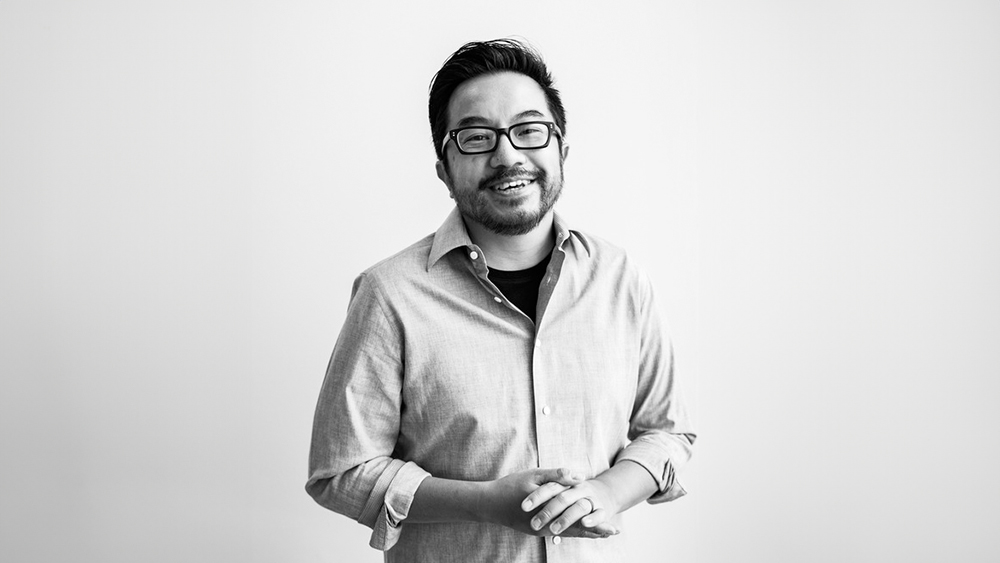
在硅谷,极少有人能像 Y Combinator 的总裁兼首席执行官 Garry Tan (陈嘉兴) 那样高调。Garry在其辉煌的职业生涯中担任过许多不同的职务。

除了领导世界上最成功的创业加速器(Y Combinator) 之外,Garry 是 Palantir (帕浪)的第 10 名员工,共同创立了 Posterous(最早的博客网站之一),创立了 Initialized Capital(管理规模超过 32 亿 美元的风险投资基金),甚至还由投资而步入政界,成为旧金山当地政治的杰出活动家。

(译者注;Palantir 帕浪公司基本上没有中文的介绍,帕浪服务的用户牛气冲天)

(译者注:Posterous 被Twitter 于2012 年收购)

我有幸有机会了解Garry 的亚裔身份如何影响他的生活,我希望他的答案能够帮助和启发我们的读者。言归正传:

一、克服有害的心态

1. 因稀缺环境而诱发稀缺的粘性心态

Ong: 

我的经验是,工薪阶级父母(尤其是亚洲移民)的孩子往往有一种因稀缺环境而诱发稀缺的粘性心态——即使他们的社会经济地位已经有所提高。加里此前曾谈到过他的“价值 2 亿美元的错误”。也就是说,他拒绝了 Peter Thiel 成为 Palantir 创始成员的邀请。对我来说,这似乎是这种心态的体现,所以我问Garry他是如何克服的:

(译者注:Peter Thiel,“奇葩的牛人,自由穿梭于法律、金融、投资及创业之间。”)

(译者注:当时Garry 是微软高薪稳定的员工)。

Tan: 

我能够意识到这些东西是双向门。以良好的条件退出一家大型科技公司实际上意味着你可以随时回去。有单向门和双向门之分。

对于与我们一样环境长大的人来说,一切都感觉像是一扇单向门。但如果你什么时候能意识到这是错误的,那么你就改造了那些有钱人默认拥有的一些特权。

Ong: 

亚马逊创始人杰夫·贝索斯(Jeff Bezos)多次谈论单向门与双向门框架。你可以在这里听到他更深入的阐述。https://m.youtube.com/watch?v=VFwCGECvq4I&ab_channel=LexClips

(译者注:单向门VS双向门,贝佐斯认为决策有两种。一种决策是单向门(one-way door),不可逆转而且非常重要。另一种决策是双向门(two-way door),90%以上的决策都属于此。也就是说,可以制定决策并执行,一旦事实证明决策错误,马上可以推倒重来,损失不大。)

2. 亚裔社区对心理健康的耻辱感

Ong: 

亚裔社区对心理健康的耻辱感,是另一种越来越受到关注的心态。就我个人而言,因为我的移民父母为了生存而拼尽全力,我觉得我没有权利抱怨我的心理健康,因为我的生活相对安逸。我问Garry这是否引起他的共鸣以及他如何克服这种心理障碍:

Tan: 

我假装自己没有任何问题,花了很多时间试图融入其中。但最终,有关我童年的事情或不寻常的留下创伤的反应,会在我的职业生活中突然出现。在某个时候,我开始单独接受治疗,这对我帮助很大。

所有这些我无法控制的事情突然变成了我可以整合和意识到的事情,并做出更好的选择。卡尔·荣格说:你未觉察到的潜意识决定着你的人生,你却将其称之为“命运”。(译者注:荣格是瑞士心理学家、精神科医师,分析心理学的创始人。)

3. 第三种常见心态是低着头,避免搅局

Ong:

我在亚裔美国人中看到的第三种常见心态是低着头,避免搅局,即使这意味着抑制自己的想法。鉴于Garry是一个非常直言不讳的人,我问他是如何培养自信的:

Tan:

我记得在高中时,我是校报的编辑,注意到我们在比较贫困高中的学生因为同样的违规行为而受到严厉的判决和开除,而在富人区的学校则仅会受到不痛不痒的轻罚。我对此非常生气,我写了一篇文章揭露它,但被我的高中指导报纸的老师审查(没过)了。我已经快毕业,并已被斯坦福大学录取了,所以我就顺其自然了。

但在我内心深处,有一种对被压制的愤怒,我永远不会忘记。

在出报纸之前,我会使用 Pagemaker (译者注:一款页面排版软件)出版“地下”报纸,而我的英语老师会为班级复印报纸 – 这给了我一种我永远不会忘记的力量。因为否则我就是角落里骨瘦如柴的亚洲书呆子,但是当我可以传达我社区的声音,我有了立足点。我从未忘记过这一点。

二、关于亚裔社区

Ong:

关于社区的话题,我问Garry 是什么促使他成为亚裔社区的积极倡导者:

Tan: 

我对旧金山的亚裔美国人社区有强烈的团结感。我们是这座城市的重要组成部分,但我们却没有被看到。我们没有被听到。

当地领导人甚至会诋毁我们为确保亚裔美国长辈安全所做的努力。现在我知道我需要为那些没有发言权的人而战。

我发现的最酷的事情之一是一个名为“亲爱的社区”的非营利组织,它将刚新到旧金山的亚裔美国人(通常是年轻的专业人​​士)以及传统的旧金山唐人街社区联系起来。看到聪明的人们聚集在一起,为这座城市的人民而战,真是太棒了。

(译者注:了解旧金山的严重的社会现状的读者,就能更深入理解Garry 的这段话)。

Ong:

我还提到他最近去新加坡参加一个名为SWITCH的创业活动,并问他对亚洲国家涌现的创业场景有何感想:

Tan:

初创公司正在世界各地涌现。您可以从 YouTube 和网络上学习。 YC 校友遍布世界各地。我很高兴看到从湾区开始的事情现在已经成为一种全球现象,而且还在不断增长。

三、亚裔创始人经验

Ong:

在朋友的建议下,我问Garry:“我可以向哪些非技术性的亚洲创始人榜样学习?对于在初创公司作为非技术员工而言,最有价值去学习的技能是什么?” Garry的回答有点挑战了我问题的前提:

Tan:

在初创公司和技术领域,技术是关键优势。如果可以的话,请更重于科技。然后成为一名博学者:科技人员掌握软技能比反过来要容易得多。

Ong:

事后看来,我承认,如果你不愿意付出努力来成为技术人才,那么期望在科技行业获得优异成果似乎很愚蠢。他给我上了一课。

四、如何看待自己的亚裔身份

Ong:

最后,我问了Garry,和我问所有受访人的问题一样——作为创始人,他如何看待自己的亚裔身份:

Tan:

直到很晚我才想到这一点。坦白说,我试图假装这不是问题,虽然绝对存在“竹制天花板”- 既使对我来说。我没有获得晋升和/或人们认为我没有能力做我所做的事情。我会愤怒地辞掉工作,这是解决问题的一种方式,但我看到事情可以有不同的解决方式。

作为一名创始人,我发现我需要提高自己畅所欲言的能力,尤其是当我知道自己绝对正确时,要尽可能自信。

我有一种隐而不发的心理,我甚至没有意识到这是为了和谐。在没有意识到的情况下,我有时会自我放弃,然后又被动地攻击它。我不再这样做了,这是我作为领导者发展的关键一步。我希望我早点发展这种能力,这都是因为我童年时无意识的编程。

(译者注:Garry 在 14 岁时开始编程,他通过制作网页和网站的互联网部分获得每小时 7 美元的报酬。这笔收入帮助他的父母支付了买房的第一笔首付。)

Ong:

我从这次采访中得到的最大收益是,“永远正确、直言不讳”的 Garry Tan 并不总是如此,而且在某一时刻,他非常像典型的亚裔孩子。Garry 的故事证明,只要有自我意识和决心,任何人都可以实现巨大的成长并成为行业领导者。

呼吁

Ong:

如果您有一个雄心勃勃的创业想法,并希望成为一个令人惊叹的创始人社区的一部分,请申请 Y Combinator! Y Combinator 每年运行两次批次——冬季和夏季。 

2024年夏季批次的申请已开放,您可以通过 https://www.ycombinator.com/apply 进行申请

感谢Garry 接受采访!

照片来源:Y Combinator

英文采访链接

Garry Tan on Startups, Advocacy, and Overcoming Cultural Mindsets

附:福布斯中国对陈嘉兴的介绍
https://www.forbeschina.com/billionaires/61673

Related Articles

14a43197-8fdf-4db7-bc59-5931ce26eb91

Stories

The Healing Power of the 27-Foot Buddha over New York City by Vietnamese Artist Tuan Andrew Nguyen

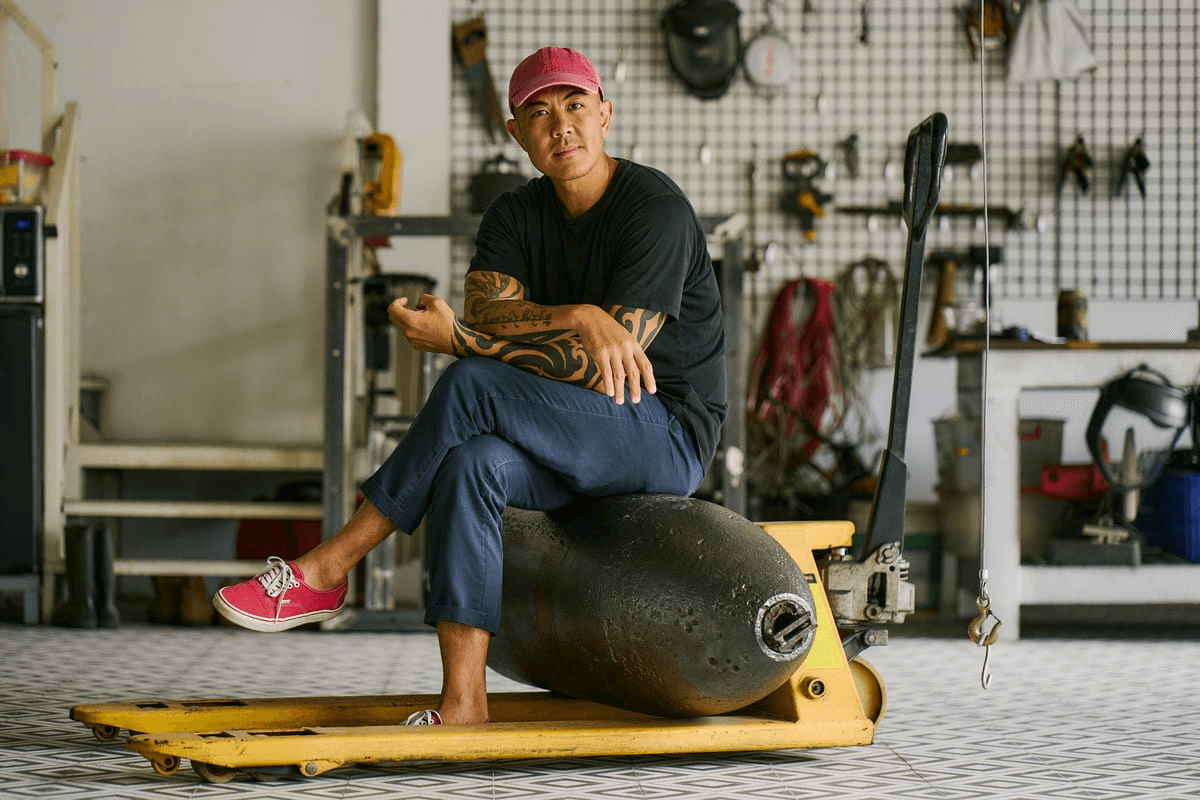
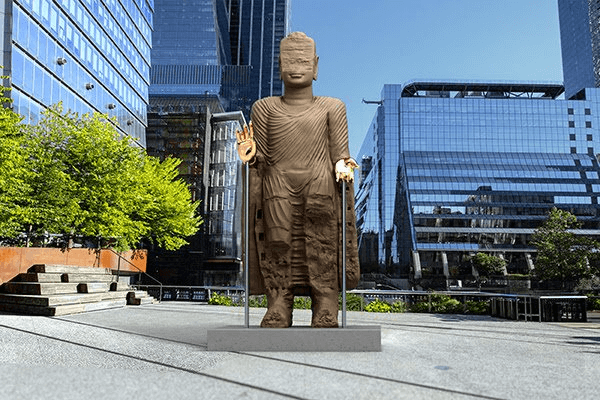
New York City is a place defined by constant noise and fast movement. Starting next spring, a 27-foot-tall Buddha statue will be installed on the High Line Plinth to change that atmosphere.

This 27-foot-tall sculpture is the latest installation on the High Line Plinth, towering over the city as a beacon of reflection. Created by Vietnamese artist Tuan Andrew Nguyen, it represents a profound intersection of ancient spirituality and modern history.

Titled ‘The Light That Shines Through the Universe’, the piece acts as a medium for healing and ancestral memory. More than just a statue, it represents an architectural prayer offered to a city that never stops moving.

Image Source: Art Asia Pacific

Historical Acupuncture: Healing Global Wounds

Tuan Andrew Nguyen describes his creative process as “historical acupuncture,” a method of using art to target and release the pressure of buried traumas. 

By placing this massive Buddha in one of the most active public spaces in the world, Nguyen addresses the deep-seated wounds of war, displacement, and erased histories. 

The sculpture serves as a physical needle intended to stimulate the collective memory of the public, forcing a confrontation with the ghosts of the past. In a city built on constant reinvention, this work insists on the importance of looking back to move forward.

Image Source: The High Line

Weapons into Wisdom: The Alchemy of Brass

The most poignant detail of the sculpture lies in its hands, which are not merely carved but recast from a darker history. 

Nguyen utilized brass artillery shells recovered from war-torn landscapes, melting down the literal tools of death to forge sacred gestures of compassion. This transformation represents a literal and figurative alchemy, turning the debris of violence into a silent blessing for New York City. 

Through this act of recycling and redemption, the artist proves that even materials born of destruction can be repurposed to serve a higher, more peaceful calling.

Image Source: The Collector

A Global Refugee: Resilience in Sandstone

Carved in sandstone, the figure pays a haunting tribute to the Bamiyan Buddhas of Afghanistan, which were destroyed by the Taliban over two decades ago. 

Nguyen reimagines the spirit of those lost monuments as a “global refugee,” traveling from a workshop in Vietnam to find a temporary home in the heart of Manhattan. This journey mirrors the displacement of millions, turning the sculpture into a symbol of cultural endurance. 

It stands as a towering promise that while physical stone can be shattered by hate, the resilience of our shared human heritage remains fundamentally unbroken.

Learn more about Tuan Andrew Nguyen here:

📍Website

image

Stories

The Fighter Mentality Driving Anthony Kwok, CEO and Co-Founder at ZILIO, to Fix Fashion’s Most Overlooked Problem

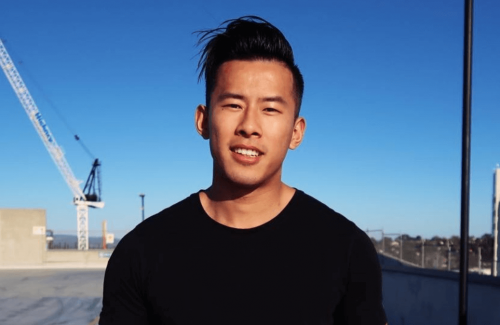
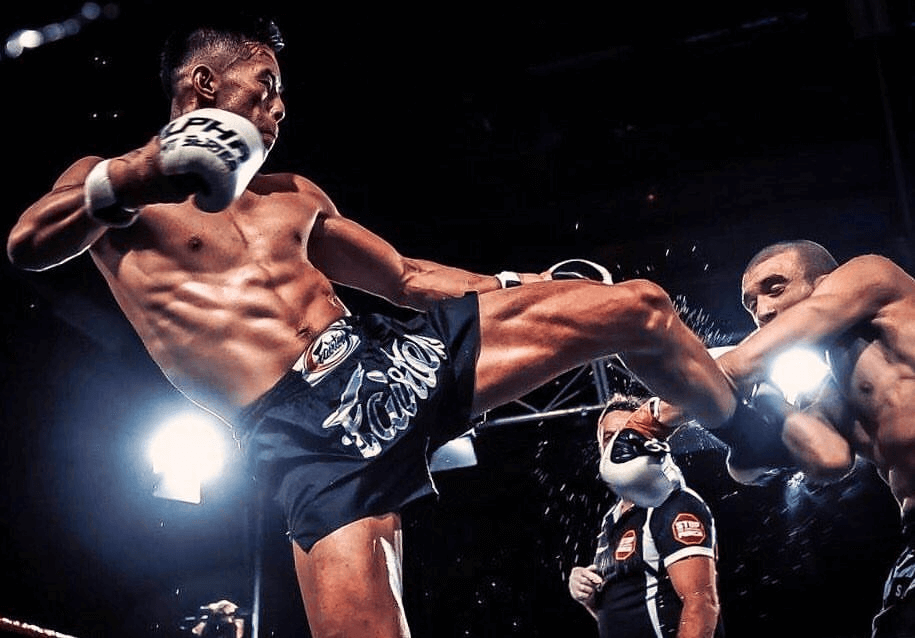
Anthony Kwok’s journey didn’t begin in a boardroom. It began in places that demanded discipline, resilience, and the ability to keep going when things got uncomfortable. First in the ring as a professional fighter, and later through a medical crisis that reshaped how he approached both life and leadership.

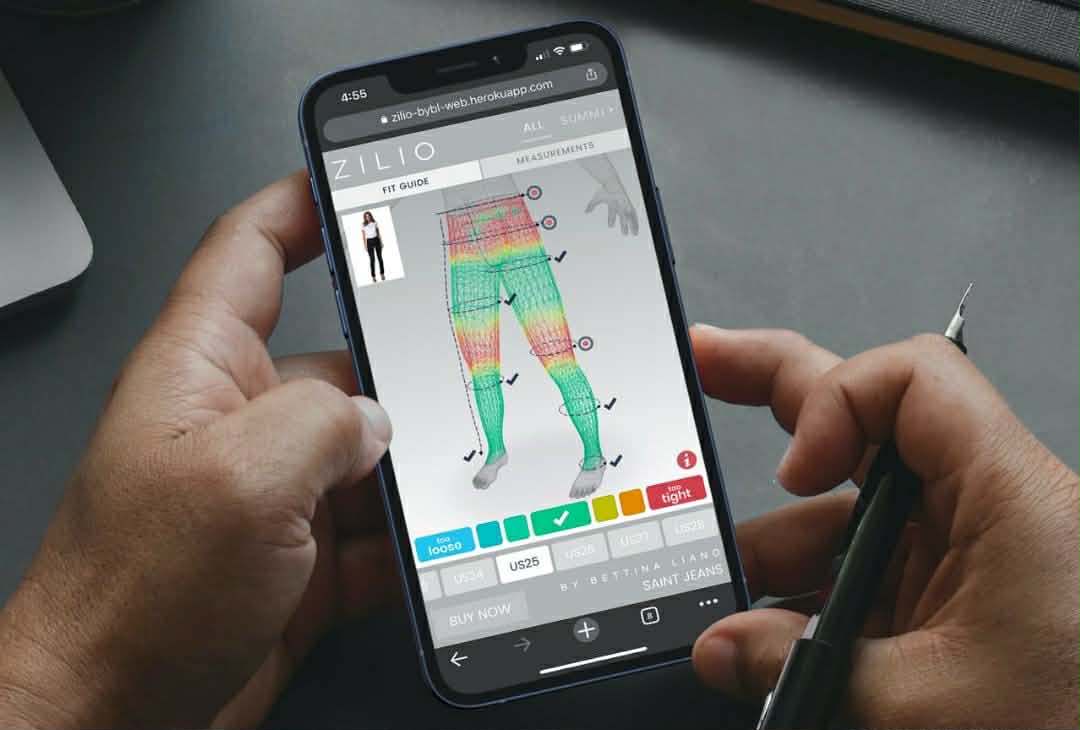
Those experiences now shape how Anthony runs ZILIO, a fashion tech company building AI-powered sizing solutions for brands and uniform providers. What looks like a startup on the surface is really the result of years spent learning how pressure exposes real problems, and how frustration often points to what needs fixing most.

At ZILIO, Anthony brings that mindset to one of fashion’s most overlooked challenges: the perfect fit. Not just as a sizing issue, but as a confidence issue that affects how people show up, move through their day, and feel in their own skin.

The Lessons That Carried Him Through

Before stepping into the tech world, Anthony spent his years as a professional fighter competing on FoxSports. Growing up Asian in a predominantly white environment, he felt he had to work twice as hard to be seen. This drive eventually led him to the ISKA Victorian Title. However, his toughest fight came outside the ring when he suffered two strokes the same year he founded ZILIO.

Walking away would have been understandable. Instead, Anthony leaned into the discipline he learned as a fighter. As he puts it, “Being a professional fighter taught me one non-negotiable principle: Never quit. No matter what. That philosophy carried me through recovery and continues to guide how I build today.”

Solving the “Booty Short” Problem

The idea for ZILIO was born from personal frustration. As an athlete with a specific build, Anthony found online shopping to be a constant gamble. He still remembers ordering gym shorts that arrived fitting like “booty shorts,” an experience that made him wonder why we can dress video game avatars perfectly but struggle to do the same in real life.

ZILIO solves this by replacing confusing size charts with accurate AI recommendations. The company started with corporate uniforms, where poor fit creates massive operational headaches for brands like Coles and Australian Unity. The impact was immediate. ZILIO has helped partners cut returns by 40% and significantly boosted customer engagement by giving them a fit they can trust.

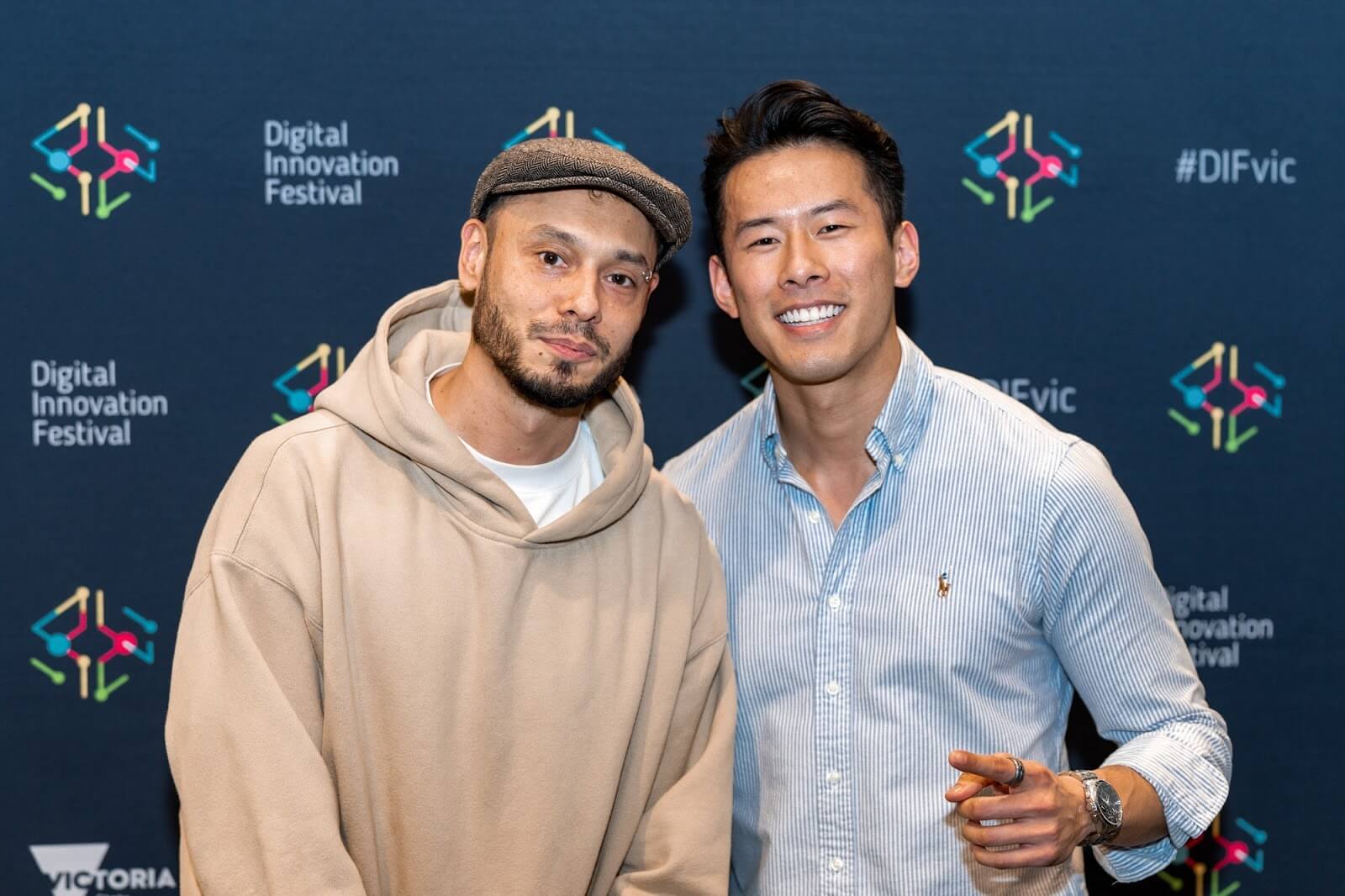
Anthony Kwok (right), CEO and Co-Founder of ZILIO

Helping People Stop Second-Guessing Their Bodies

For Anthony, this mission is personal. He knows that standard size charts often fail people with diverse backgrounds and body types, including many in the Asian community. His goal is to make sizing “invisible” so that people can focus on their style instead of their anxiety.

“Fashion is deeply emotional, and a bad sizing experience can stop someone from exploring style altogether,” Anthony explains. “ZILIO exists to navigate that complexity and give people clarity and confidence, regardless of body type or background.”

With $500,000 in funding and awards like the B&T 30 Under 30, Anthony is proving that a kid with a big imagination can change a global industry. Whether it’s through his upcoming 3D virtual fitting rooms or his work with major brands like Rebel Sport, he is making sure that the next time you shop online, you’re buying a piece of clothing that actually fits your life.

Discover more about Anthony Kwok here:

📍LinkedIn📍Instagram

Learn more about ZILIO here:

📍Website📍Instagram

5fb9cf02-106f-4637-a666-2db06176ce94-jpeg

Stories

From War Survivor to Literary Leader: The Remarkable Rise of Amy M. Le, CEO of Quill Hawk Publishing

Amy M. Le, CEO of Quill Hawk Publishing, has built her life around stories that matter. Not the polished kind that skip the hard parts, but the honest ones shaped by loss, survival, and growth. Her journey reflects how personal history can quietly become a source of strength.

Every stage of Amy’s life pushed her to adapt and redefine what success looked like. She learned early that resilience is not loud or dramatic, but steady and intentional. Over time, those lessons shaped the way she approaches both writing and leadership.

Today, Amy’s work centers on creating space for voices that are often overlooked. Through publishing and community-building, she helps others turn lived experience into stories that resonate far beyond the page.


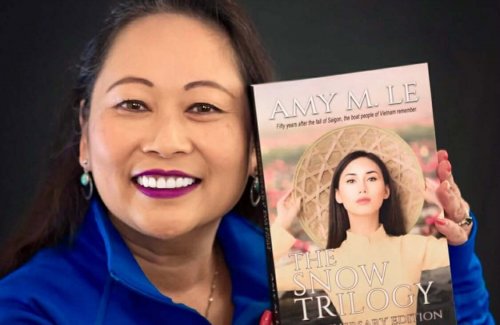
Photo courtesy of Amy M. Le, CEO of Quill Hawk Publishing

Born in War, Saved by Courage

Amy M. Le was born during the final months of the Vietnam War, a period defined by intense fear and systemic instability. As an infant, she faced a life-threatening heart condition that put her future in jeopardy before it had truly begun. Because medical resources were scarce in a war zone, her survival was never a guarantee.

Driven by a mother’s fierce love, her family made the harrowing choice to flee Vietnam in search of safety and essential medical care. This escape carried enormous risks, yet it was fueled by an unwavering hope for a life free from conflict. That courageous decision ultimately changed the trajectory of Amy’s life, setting her on a path toward a new world.

Photo courtesy of Amy M. Le (far right), CEO of Quill Hawk Publishing

A New Life and a Turning Point

Their journey eventually led them to Seattle, where Amy underwent the life-saving heart surgery she so desperately needed. This successful procedure gave her much more than physical health; it provided a second chance and a profound sense of purpose. With this renewed vitality, she grew up determined to make the most of every opportunity her new home provided.

Following this recovery, Amy spent over twenty years navigating the high-pressure tech industry to build a stable and successful career. However, the trajectory of her life shifted once again when she faced the devastating loss of her mother. In the wake of this grief, she turned to writing as an essential lifeline to heal her heart and rebuild her sense of identity.

Photo courtesy of Amy M. Le, CEO of Quill Hawk Publishing

Turning Story into a Mission

That personal healing became The Snow Trilogy, a powerful book series telling the true story of her family’s escape from Vietnam and their new life in America. The books resonated deeply with readers who saw their own stories reflected in its pages. What began as personal healing became a collective connection.

Inspired by that impact, Amy founded Quill Hawk Publishing, a hybrid company built to empower authors without stripping away their creative freedom. In just three years, the company has grown to support 70 authors from Seattle to Sydney, proving that no matter where you begin, you can always rewrite your story and help others tell theirs too.

Discover more from Amy M. Le here:

📍Instagram

Learn more about Quill Hawk Publishing here:

📍Website

40748b69-2f96-4629-bbbe-b024579ea217-jpeg

Stories

4 Creative Ways Trysen Kaneshige Uses Art to Keep Aloha Alive

Some artists create for attention or fleeting trends, but Trysen creates with intention, guided by a deep sense of responsibility to the culture that shaped him. Growing up in Hawaiʻi, he learned that Aloha is not just a feeling, but a way of living rooted in care, respect, and connection.

That belief now guides both his art and his creative studio, Inspire to Create Media. Through murals, design work, and storytelling projects, Trysen uses his business as a platform to protect culture while helping others share their stories with intention.

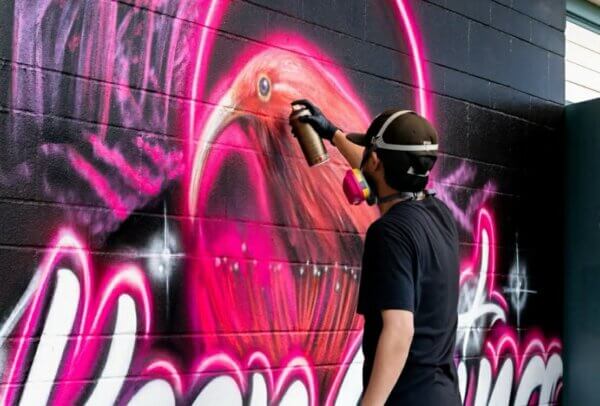
1. Reviving Local Stories Through Murals


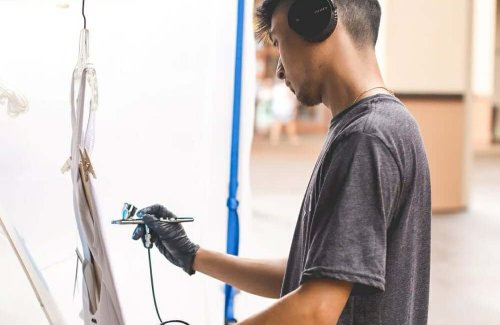
Photo courtesy of Trysen Kaneshige, Founder of Inspire to Create Media

At the core of Trysen’s work is listening. On Kauaʻi, he spends time learning from residents about their histories, struggles, and sources of pride before creating any artwork. This approach reflects the values he also brings into Inspire to Create Media, where storytelling always begins with people.

The murals that follow are rooted in real voices. They transform blank walls into visual records that help locals feel represented and allow visitors to understand the island through the community’s lived experience.


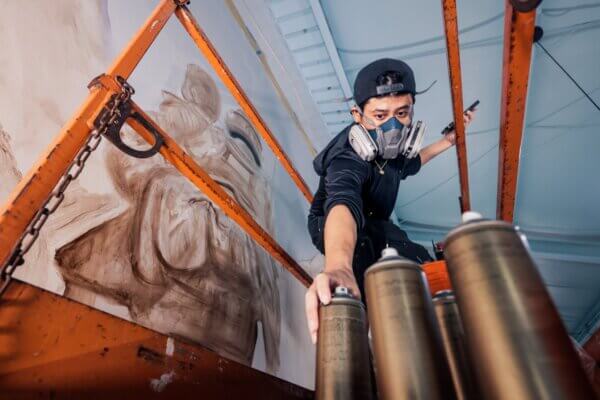
2. Designing With Aloha in Mind


Photo courtesy of Trysen Kaneshige, Founder of Inspire to Create Media

Aloha influences how Trysen collaborates, how carefully he considers each element, and how much intention goes into every decision. Design, for him, is about respect as much as aesthetics. That same mindset shapes the design work produced through Inspire to Create Media. 

Whether creating branding, apparel, or custom visuals, his goal is to make work that feels warm and grounded. Each piece is designed to reflect care, balance, and a sense of home rather than fleeting trends.


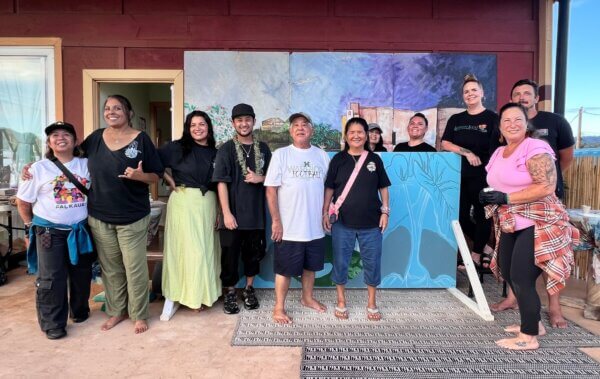
3. Empowering Youth and Community Spaces


Photo courtesy of Trysen Kaneshige (fourth from left), Founder of Inspire to Create Media

Beyond client work, Trysen uses both his art and his studio to invest in the next generation. Through partnerships with schools and wellness programs, Inspire to Create Media supports projects that turn shared spaces into places for expression and growth.

By involving young people in the creative process, he helps build confidence and identity. These initiatives focus less on the final product and more on giving youth a voice and a stronger connection to their roots.


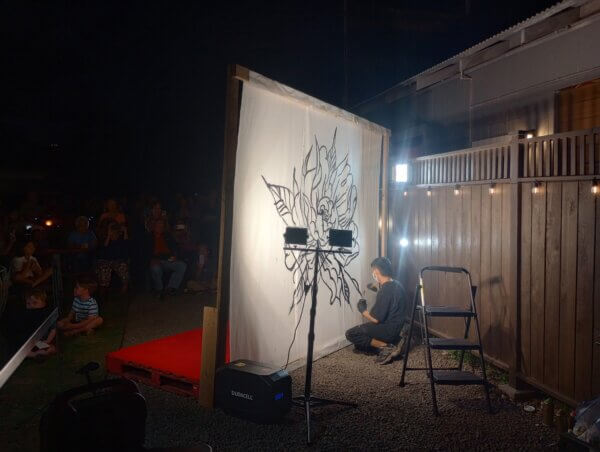
4. Building a Global Bridge From Island Roots


Photo courtesy of Trysen Kaneshige, Founder of Inspire to Create Media

While his work is deeply rooted in Hawaiʻi, its reach continues to grow beyond the islands. Through collaborations with global brands like Volcom and OluKai, Trysen shares an authentic island perspective with a wider audience.

These partnerships amplify his message without compromising its foundation. By staying grounded in culture, he shows that it is possible to connect with the world while remaining true to where you come from.


Photo courtesy of Trysen Kaneshige, Founder of Inspire to Create Media


Carrying Aloha Forward

At its core, Trysen’s work—through his art and his studio, Inspire to Create Media—is an ongoing act of care. Through each project, he honors his home, uplifts his community, and uses creativity as a way to carry Aloha forward with intention, respect, and lasting impact.

More than anything, his work reflects a belief that culture is something you actively protect and pass on. By choosing collaboration over ego and meaning over trends, Trysen ensures that Aloha is not only preserved, but lived, felt, and shared with future generations.

Discover more from Trysen Kaneshige here:

📍Facebook

📍Instagram

Learn more about Inspire to Create Media here:

📍Website

📍Instagram