Awaken* newsletter

March 15, 2024

SHARE:

Edwin Ong

2024.03.06

翻译:田头草

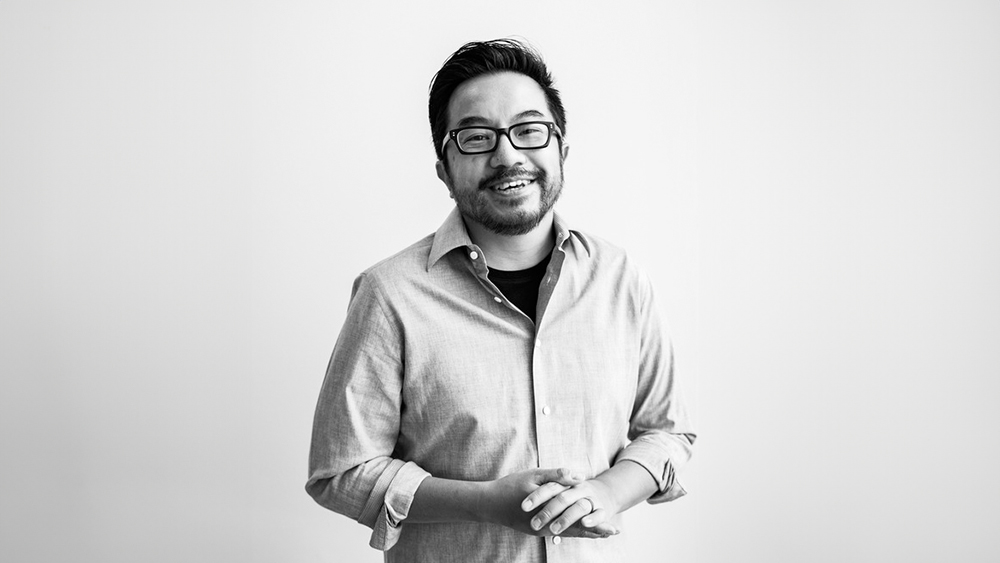
在硅谷,极少有人能像 Y Combinator 的总裁兼首席执行官 Garry Tan (陈嘉兴) 那样高调。Garry在其辉煌的职业生涯中担任过许多不同的职务。

除了领导世界上最成功的创业加速器(Y Combinator) 之外,Garry 是 Palantir (帕浪)的第 10 名员工,共同创立了 Posterous(最早的博客网站之一),创立了 Initialized Capital(管理规模超过 32 亿 美元的风险投资基金),甚至还由投资而步入政界,成为旧金山当地政治的杰出活动家。

(译者注;Palantir 帕浪公司基本上没有中文的介绍,帕浪服务的用户牛气冲天)

(译者注:Posterous 被Twitter 于2012 年收购)

我有幸有机会了解Garry 的亚裔身份如何影响他的生活,我希望他的答案能够帮助和启发我们的读者。言归正传:

一、克服有害的心态

1. 因稀缺环境而诱发稀缺的粘性心态

Ong: 

我的经验是,工薪阶级父母(尤其是亚洲移民)的孩子往往有一种因稀缺环境而诱发稀缺的粘性心态——即使他们的社会经济地位已经有所提高。加里此前曾谈到过他的“价值 2 亿美元的错误”。也就是说,他拒绝了 Peter Thiel 成为 Palantir 创始成员的邀请。对我来说,这似乎是这种心态的体现,所以我问Garry他是如何克服的:

(译者注:Peter Thiel,“奇葩的牛人,自由穿梭于法律、金融、投资及创业之间。”)

(译者注:当时Garry 是微软高薪稳定的员工)。

Tan: 

我能够意识到这些东西是双向门。以良好的条件退出一家大型科技公司实际上意味着你可以随时回去。有单向门和双向门之分。

对于与我们一样环境长大的人来说,一切都感觉像是一扇单向门。但如果你什么时候能意识到这是错误的,那么你就改造了那些有钱人默认拥有的一些特权。

Ong: 

亚马逊创始人杰夫·贝索斯(Jeff Bezos)多次谈论单向门与双向门框架。你可以在这里听到他更深入的阐述。https://m.youtube.com/watch?v=VFwCGECvq4I&ab_channel=LexClips

(译者注:单向门VS双向门,贝佐斯认为决策有两种。一种决策是单向门(one-way door),不可逆转而且非常重要。另一种决策是双向门(two-way door),90%以上的决策都属于此。也就是说,可以制定决策并执行,一旦事实证明决策错误,马上可以推倒重来,损失不大。)

2. 亚裔社区对心理健康的耻辱感

Ong: 

亚裔社区对心理健康的耻辱感,是另一种越来越受到关注的心态。就我个人而言,因为我的移民父母为了生存而拼尽全力,我觉得我没有权利抱怨我的心理健康,因为我的生活相对安逸。我问Garry这是否引起他的共鸣以及他如何克服这种心理障碍:

Tan: 

我假装自己没有任何问题,花了很多时间试图融入其中。但最终,有关我童年的事情或不寻常的留下创伤的反应,会在我的职业生活中突然出现。在某个时候,我开始单独接受治疗,这对我帮助很大。

所有这些我无法控制的事情突然变成了我可以整合和意识到的事情,并做出更好的选择。卡尔·荣格说:你未觉察到的潜意识决定着你的人生,你却将其称之为“命运”。(译者注:荣格是瑞士心理学家、精神科医师,分析心理学的创始人。)

3. 第三种常见心态是低着头,避免搅局

Ong:

我在亚裔美国人中看到的第三种常见心态是低着头,避免搅局,即使这意味着抑制自己的想法。鉴于Garry是一个非常直言不讳的人,我问他是如何培养自信的:

Tan:

我记得在高中时,我是校报的编辑,注意到我们在比较贫困高中的学生因为同样的违规行为而受到严厉的判决和开除,而在富人区的学校则仅会受到不痛不痒的轻罚。我对此非常生气,我写了一篇文章揭露它,但被我的高中指导报纸的老师审查(没过)了。我已经快毕业,并已被斯坦福大学录取了,所以我就顺其自然了。

但在我内心深处,有一种对被压制的愤怒,我永远不会忘记。

在出报纸之前,我会使用 Pagemaker (译者注:一款页面排版软件)出版“地下”报纸,而我的英语老师会为班级复印报纸 – 这给了我一种我永远不会忘记的力量。因为否则我就是角落里骨瘦如柴的亚洲书呆子,但是当我可以传达我社区的声音,我有了立足点。我从未忘记过这一点。

二、关于亚裔社区

Ong:

关于社区的话题,我问Garry 是什么促使他成为亚裔社区的积极倡导者:

Tan: 

我对旧金山的亚裔美国人社区有强烈的团结感。我们是这座城市的重要组成部分,但我们却没有被看到。我们没有被听到。

当地领导人甚至会诋毁我们为确保亚裔美国长辈安全所做的努力。现在我知道我需要为那些没有发言权的人而战。

我发现的最酷的事情之一是一个名为“亲爱的社区”的非营利组织,它将刚新到旧金山的亚裔美国人(通常是年轻的专业人​​士)以及传统的旧金山唐人街社区联系起来。看到聪明的人们聚集在一起,为这座城市的人民而战,真是太棒了。

(译者注:了解旧金山的严重的社会现状的读者,就能更深入理解Garry 的这段话)。

Ong:

我还提到他最近去新加坡参加一个名为SWITCH的创业活动,并问他对亚洲国家涌现的创业场景有何感想:

Tan:

初创公司正在世界各地涌现。您可以从 YouTube 和网络上学习。 YC 校友遍布世界各地。我很高兴看到从湾区开始的事情现在已经成为一种全球现象,而且还在不断增长。

三、亚裔创始人经验

Ong:

在朋友的建议下,我问Garry:“我可以向哪些非技术性的亚洲创始人榜样学习?对于在初创公司作为非技术员工而言,最有价值去学习的技能是什么?” Garry的回答有点挑战了我问题的前提:

Tan:

在初创公司和技术领域,技术是关键优势。如果可以的话,请更重于科技。然后成为一名博学者:科技人员掌握软技能比反过来要容易得多。

Ong:

事后看来,我承认,如果你不愿意付出努力来成为技术人才,那么期望在科技行业获得优异成果似乎很愚蠢。他给我上了一课。

四、如何看待自己的亚裔身份

Ong:

最后,我问了Garry,和我问所有受访人的问题一样——作为创始人,他如何看待自己的亚裔身份:

Tan:

直到很晚我才想到这一点。坦白说,我试图假装这不是问题,虽然绝对存在“竹制天花板”- 既使对我来说。我没有获得晋升和/或人们认为我没有能力做我所做的事情。我会愤怒地辞掉工作,这是解决问题的一种方式,但我看到事情可以有不同的解决方式。

作为一名创始人,我发现我需要提高自己畅所欲言的能力,尤其是当我知道自己绝对正确时,要尽可能自信。

我有一种隐而不发的心理,我甚至没有意识到这是为了和谐。在没有意识到的情况下,我有时会自我放弃,然后又被动地攻击它。我不再这样做了,这是我作为领导者发展的关键一步。我希望我早点发展这种能力,这都是因为我童年时无意识的编程。

(译者注:Garry 在 14 岁时开始编程,他通过制作网页和网站的互联网部分获得每小时 7 美元的报酬。这笔收入帮助他的父母支付了买房的第一笔首付。)

Ong:

我从这次采访中得到的最大收益是,“永远正确、直言不讳”的 Garry Tan 并不总是如此,而且在某一时刻,他非常像典型的亚裔孩子。Garry 的故事证明,只要有自我意识和决心,任何人都可以实现巨大的成长并成为行业领导者。

呼吁

Ong:

如果您有一个雄心勃勃的创业想法,并希望成为一个令人惊叹的创始人社区的一部分,请申请 Y Combinator! Y Combinator 每年运行两次批次——冬季和夏季。 

2024年夏季批次的申请已开放,您可以通过 https://www.ycombinator.com/apply 进行申请

感谢Garry 接受采访!

照片来源:Y Combinator

英文采访链接

Garry Tan on Startups, Advocacy, and Overcoming Cultural Mindsets

附:福布斯中国对陈嘉兴的介绍

https://www.forbeschina.com/billionaires/61673

Related Articles

Wei Deng

Awaken* newsletter

Navigating Pivots and Perseverance: Wei’s Journey with Clipboard Health

Wei Deng is the Co-Founder and CEO of Clipboard Health, a company that connects healthcare facilities with local professionals who can work unfilled shifts. Since Clipboard’s inception in 2016, Clipboard Health has filled millions of shifts for thousands of facilities nationwide, putting millions of dollars in the pockets of healthcare professionals. Throughout her journey, Wei has never lost sight of her ultimate mission of helping people socioeconomically. In this interview with AHN, she discusses her upbringing and the early days of her founder’s journey.

HanYue: Tell us about the early days of Clipboard Health, what type of challenges did you have to overcome? 

Wei: It wasn’t called Clipboard Health when I started. It was initially a way to refinance student loans. I spent time talking to customers, figuring out who wanted to buy the fintech products, and talking to different customers again but I just didn’t feel the pull of the market, but I noticed that nurses wanted help finding a job. However, the hospitals only wanted to help people with experiences. So I pivoted to a clinical fellowship to help train nurses, figuring out what the clinical partners need, and help nurses find jobs. 

After pivoting through 6-7 different ideas – I finally landed on the Clipboard Health model, a marketplace that helps with nurse staffing. In the early days, we were very much focused on launching a product and talking to users.

Edwin: How do you judge when to pivot and when to stop working on an idea?

Wei: I wish there was a magic formula – but there isn’t. Having seen some other friends who have found PMF was helpful. For our products, our customers could live with it or without it. They didn’t have any strong opinions about it. That was a sign to me that it’s not working. For most ideas, I gave it to 3-6 months. What was frustrating is that sometimes you would have some initial glimmer of hope – some people are using it, and you wonder to yourself, is that a real sign?

For a good product, I found out that even if the product isn’t built out, people still want to use it, and people care about it a lot. You can feel the pull of the market. 

HanYue: There is clearly an unrelenting drive to pursue entrepreneurship, what kept you going during the early days? 

Wei: Quitting just never occurred to me. In the beginning, I mostly called the things I worked on projects, and when they didn’t work out,  I just never gave up.

Of course, there were frustrating moments: when I first went fundraising, I got told no 16 times. I was a solo founder, so there was no one to help me. I taught myself coding and sales to get started. I think the big realization is that even if you encounter nos and the product is not working, as long as you keep working and don’t quit, you are getting closer to a yes. 

HanYue: That was really inspiring – as long as you keep working, you are getting closer to a yes. Want to switch gears a little bit, how did you meet your co-founder? What was it like building out the initial team? 

Wei: In the early days, it was just me. My husband joined me after 3 years. By that time we already raised Series A, we were growing and had some traction. He initially joined to help out for 3 months, then stayed on for a few years.

Building out the team, we had a lot of trials and errors. We definitely made some mistakes – I had engineers whom you couldn’t get ahold of even when I was trying to fire them. We had one head of sales who built out our sales team but it turned out he was working for a competitor at the same time and was giving them our customer list, and all the people who worked for him were also working for the competitor. But luckily, some good people stayed and really they are what made us successful. 

HanYue: Tell us about the people who stayed. What made them successful? 

Wei: Oh, I love talking about this because it is what we look for during hiring. They have to care about the problem a lot. It is actually very obvious whether people are just here to collect paychecks, going through the motions, or if they really care about the problem. 

They are really curious. They are always looking for clues. If a customer says no, or churns, they are always digging in and figuring out why, instead of taking it as a given – oh they just didn’t want to use the product.

They also have ownership and initiative. They never just bring a list of problems. The best people I’ve had, they’ve brought me problems I didn’t know we had, and they’ve already thought about how to solve them. 

So initiative, ownership, and curiosity are our people and company values. 

HanYue: That’s wonderful to hear that there is such a close alignment between the people’s values and company values. What was your proudest achievement so far?

Wei: Honestly, I think it’s assembling a great team. We’ve gone through a lot of great pains in hiring, but now we have an awesome team to move together. Nowadays, even if I pull my foot off the gas, they are still serving our customers the best they can, and that is very special. 

The second thing is the customers we’ve been able to help, but that is honestly more of a proxy of how great our team is. 

HanYue: Tell us a bit about your upbringing. How has being Asian influenced your entrepreneurship journey and your general approach to life?

Wei: I grew up with my mom and my dad. We grew up in Kentucky, there were not a lot of Asians in Kentucky. 

My dad had this mentality: you don’t need permission to learn something. I remember trying to go to a national science fair – I was 16 and needed to learn calculus, but calculus was a college-level class and I was thinking, “Oh, maybe I can’t because I had to wait to learn calculus later.” My dad just said, get a textbook and figure it out yourself. That’s something I carried forward in life.

When I started, I didn’t have to have someone who knew how to code, I could just learn coding myself and get started. I never did sales before and didn’t have someone I could rely on for sales, but I could just pick up a phone and start doing cold calls. It’s the sense that nothing is beyond my reach, you don’t need to wait for the perfect moment or something/someone to depend on to get started. 

There weren’t many Asians in the area I was from. We stuck together but we were also super competitive with each other. There were two people in high school I was constantly competing against, and I think in a lot of ways it brought out the best in me. Personally, I am not competitive, but I found having someone neck-to-neck with you really makes me thrive. 

HanYue: Congrats on the unicorn status – it’s an incredible achievement! What suggestion do you have for founders who are still searching for product market fit out there?

The only thing that matters is to understand the customer’s pain points deeper than anything else. Rather than spending time on solutions, spend more time on understanding the problem. Actually, you might find that you are not even starting with the right customers – you might have to pivot a few times to find the right customers.

When you find them – look at their habits. People who are saying they want to lose weight, but if they are not going to the gym or tracking their calories or metrics, then weight loss is just not that big of a deal to them.

When talking to them, you need to look for: Are they spending money on it? Are they spending a lot of money but still can’t solve the problem? That is a potential area you can go to. The chances are that you can find a lot of good solutions –  you can have the greatest AI and greatest product, but if it is not solving a real problem, then no one will end up paying for the solution. 

Edwin: Are there mechanisms and processes you use to tease this information out? 

Wei: We just look at their behaviors. Are they spending money? Is the pain point really painful? 

When it came to staffing, it was obvious, that the customers we talked to were spending all of this money to putting together spreadsheets and tracking attendance. It was clearly a big pain point they wanted to solve. 

My father passed last year, I remember spending so much time looking for a caregiver for him. If someone gave me a set of solutions, even if not super built out – just a list of caregivers or a list of places that could care for him, I would definitely want to talk to that person. 

HanYue: Thanks for sharing a deeply personal moment with us. It really makes sense that as founders we needed to find the most painful problem to solve. Where do you go from here? What’s next for Clipboard Health?

Wei: Personally, I have two kids and I spend a lot of time with them. For the company, we want to continue expanding beyond healthcare professionals. We started with nursing – but we wanted to allow workers of all industries the benefits of flexibility and economic empowerment. 

At Clipboard Health, we also have an internal MBA-like program. If you are a product manager but want to learn, we will teach you cross-functional skills – engineering, sales, and other things.

The hypothesis is that eventually if people leave and want to go and start their own company, I could enable them to have a much broader scope than just their own focus. We have engineers doing sales, customer support, and product and they all love it because they get to implement and continue to broaden their scope. One of our heads of sales was a product manager – they kept asking questions and wanted to learn about sales so they got the chance to lean into their curiosity.

I want to scale this program up as the company scales up to develop people. Because if you invest in people internally, what you get is phenomenal: People who are already invested in your culture, and know your product really well have more methods to help your customers and grow better. 

Edwin: I see some parallels to your journey as well – the early days when you had to teach yourself coding and sales. One thing you talked about is expanding to verticals, how are you finding the new verticals? 

Wei: We have a more systematic approach: we read the Bureau of Labor Statistics, and try to look at professions that need help. Maybe some professions are losing steam, etc. We also have lots of customers in healthcare and there is a a surprising number of professions to fill up there – we need janitors to clean up, cooks to cook for the dining hall, servers and waiters, and trainers for physical therapy patients. There are some natural adjacent areas. Customers are providing those insights to us and where they need help.

Edwin: Are you afraid of losing focus? 

Wei: Focus is overrated, You should try to be good at some core competencies – but it all depends on how you define your core. if we define our core as a flexible labor marketplace, then we have lots of room to build. 

If you look at any ambitious company, they have a ton of products and they might seem totally unorthodox to each other. Amazing doesn’t look focused: they have AWS and it has nothing to do with selling books. Or if you think of people around you, some of them are good at maths, instruments and some type of sports. No one is like: you should only be good at math – people develop expertise in multiple areas. 

There is certainly a concern about chasing shiny new projects. We try to only pursue things that we have pre-thought out and really ask ourselves – do we want to be more ambitious than we currently are, or are we just chasing a shiny new object? 

Wei’s journey with Clipboard Health underscores the importance of persistence, adaptability, and deep customer understanding. Her story is a testament to the power of resilience in entrepreneurship, demonstrating that with unwavering determination and a keen focus on solving real problems, success is within reach. The AHN team thanks Wei for having this conversation with us! 

Walden Lam

Awaken* newsletter

From Hong Kong to Silicon Valley: Unspun’s Journey to Revolutionize Sustainable Fashion

In this interview, we delve into the inspiring journey of Walden Lam, the co-founder of Unspun, a company on a mission to revolutionize the fashion industry through sustainable practices and innovative technology. Walden shares his story, from his early exposure to manufacturing in Hong Kong to the challenges of raising capital for a deep-tech venture in Silicon Valley. He discusses the initial years of Unspun, the complexities of operating a global supply chain, and his vision for the future. Walden also reflects on how his Asian heritage has influenced his entrepreneurial journey and offers valuable advice for young entrepreneurs.

HanYue: Tell us about how Unspun was started. 

Walden: I grew up in Hong Kong, in a family that did manufacturing, so I always had exposure to that. I graduated undergrad during the financial crisis, which forced me to reconsider my career paths. My initial projects out of undergrad were climate-related, exposing me to the complex problems and the structured, yet often inflexible, approaches usually taken in strategy consulting. 

HanYue: What were the first 2-3 years of Unspun like? 

Walden: My journey to the GSB was fueled by hypotheses about consumer-facing ventures. Just weeks before graduation, I learned through a Design school blast about a co-founder opportunity that aimed to bring additive manufacturing (like 3D printing) to commercial applications. This meeting, where I saw a desktop mockup, changed the trajectory of my life. Every Silicon Valley VC then was really scared of “deep-tech” companies, it was a hard time raising capital for what we wanted to do.

HanYue: What was it like to operate a company that has operations on both coasts? 

Walden: In the early years, Unspun resembled an R&D company, keeping our product development under wraps until late 2022. After going through a hardware accelerator and securing government grants, we spent our initial months in Shenzhen and Hong Kong, leveraging the good manufacturing ecosystem. Operating on both coasts highlighted the benefits of a global supply chain, essential for managing garment production still predominantly based in Asia, but processed globally.

HanYue: What is next for Unspun? What is your vision? 

Walden: Our unwavering vision focuses on reducing emissions globally—a significant challenge given the industry’s varied estimates on emission impacts, ranging from 4-9%. Our goal is not just to be a standalone brand but to influence the industry by integrating lower-impact practices into their manufacturing practices. We’re starting with basic products and gradually expanding into more refined and performance-oriented categories, aiming to transform efficiency and cost into a platform beneficial for all.

HanYue: How has being Asian influenced your entrepreneurship journey? 

Walden: Growing up in Hong Kong has shaped my approach to both life and business. It has fostered a curiosity and a desire to break out of local confines, driving me to pursue opportunities abroad. I always raise my hand when it comes to getting out of my own environment. Back in my consulting days, I volunteered for a project in Nigeria – my colleagues thought I was crazy. 

But I always had the notion that there’s so much that happens outside your own bubble. This openness has been instrumental in building a company with a flexible, global perspective, partnering with brands and manufacturers across continents. With the company, we now have brand partners in the EU, manufacturing partners in Asia, and capital partners elsewhere. That opened up lots of opportunities. Our goal is to influence a global industry, we need that mindset and curiosity.

HanYue: It sounds like growing up in Hong Kong has given you open-mindedness and the courage that you are not afraid to deal with people and environments different from yours. That is VERY precious. What advice would you give to young entrepreneurs these days? 

Walden: My advice for young entrepreneurs is to adopt a long-term perspective. Do not be afraid of having a contrarian view.  We are really focused on building a cross-generational company that endures and transcends time. 

Another piece is to think more like an architect of your own company, and less about your individual contribution, hopefully charting a course for the company that can sustain you, you don’t have to do everything all by yourself.

HanYue: That’s a really insightful take. Where can we find Unspun jeans now? 

Walden: You can find more about us at unspun.io, where you can shop for our customized jeans online. We also launched a small collection at NY Fashion Week, which is still available. 

As Unspun continues to push the boundaries of sustainable fashion, Walden Lam’s journey serves as a testament to the power of innovation and global collaboration. Keep an eye on Unspun as they strive to reshape the industry, one custom pair of jeans at a time.

Stories

Sophia Li Unites Two Cultures for Climate Action and Social Advocacy

AHN and Meta Prosper have partnered on a new podcast series highlighting API creators. Meta Prosper is dedicated to amplifying and supporting the API community and driving economic growth and equitable representation. The Creators Podcast series delivers stories on how creators achieved success and created impact through their platforms, serving as an inspiration for the community.

In the fourth episode of Creators Podcast, we embark on an empowering journey as AHN and Meta Prosper sit down with Sophia Li, a phenomenal Chinese American journalist, climate advocate, and public speaker. In this episode, Sophia Li addresses her cultural heritage and how she raises awareness of complicated subjects including climate justice, civil rights, and technology with ease. 

Even though Sophia was born and raised in the US, she spent two years of childhood with her grandparents in Shandong, China before returning to the US for preschool. Her adjustment to the US culture, along with Buddhist influence throughout childhood, has turned her cross-cultural journeys and wisdom into impact, bridging the two worlds apart into one globally mutual cause – sustainability. 

Sophia has always been a social advocate. After graduating with a Bachelor of Arts in Fashion Design and Merchandising, her paper on cotton globalization enabled her to receive a $2,000 grant from Cotton Inc., travel the world for fashion studies, and land a four-year position at Vogue.

Now, leveraging her platform and knowledge, she co-founded STEWARD, a project that emphasizes sustainability in the world of Web3 while serving as the co-chair of the World Economic Forum’s Web3 Sustainability Coalition. 

Moreover, Sophia does not stop at climate change but she’s also a vocal advocate for social justice. Sophia is an official United Nations Human Rights Champion and a strong supporter of the #StopAsianHate movement and youth education. 

Listen to the Creators Podcast featuring Sophia Li here.

CONNECT WITH SOPHIA LI

Instagram: @sophfei

Website: sophfei.com

image1-png

Awaken* newsletter

Transforming the Future of Work: An Insightful Conversation with JJ on Entrepreneurship, Innovation, and Personal Growth

In this candid conversation, JJ reflects on his remarkable journey, from gaining admission to Stanford GSB to founding Onloop. He discusses his proudest achievements, the challenges of building a pioneering company, and the invaluable lessons learned along the way. JJ also shares his vision for Onloop in the evolving landscape of remote work and generative AI, his approach to angel investing, and offers insightful advice for aspiring entrepreneurs. Join us as we delve into the experiences and insights of a trailblazing entrepreneur committed to transforming the future of work.

HanYue: You have accomplished a lot in your career. What’s your proudest achievement so far?

JJ: My proudest achievement remains getting into the Stanford GSB MBA program. Before Stanford, I had spent my entire life in Asia. Moving to Stanford marked a significant shift in both my career and personal development. Immersing myself in the challenging yet enriching environment of the Bay Area was transformative, and I just returned there for my 10-year reunion.

HanYue: Can you tell us about the origins of Onloop?

JJ: Onloop originated from personal frustrations I encountered while managing teams at Uber for 3.5 years, especially with inefficient HR processes. This led to extreme frustration with the outdated systems. After leaving Uber in September 2019, I started OnLoop to solve some of these frustrations. We developed our first product around changing how performance reviews get done using GPT3 in early 2021. We’ve come a long way building out our platform and focused on helping every manager become a great manager using habit-forming technology and applied AI It’s been an exhilarating journey, shaping a company that contributes to the evolving future of work landscape especially given all the transformative impact of distributed & hybrid work as well as the maturity of large language models (LLMs).

HanYue: What have you learned from building Onloop?

JJ: Building Onloop has taught me that a founder’s longevity hinges on their conviction in their mission and the people they surround themselves with. Pioneering in any field is incredibly challenging—far more so than creating a copycat startup. Jensen Huang famously said he’d say ‘hell no’ if asked to do it all over again. The world resists change, and you must consistently challenge the status quo. 

Growing up in an Asian household where academic success was prioritized and entrepreneurship was uncommon, taking a non-salary path wasn’t easy. This background often amplifies the voices of doubt during challenging times, yet confidence and eloquence are the most significant drivers of success in the early days. 

Life in your late 30s and 40s has many more responsibilities with respect to family so it’s not always easy to take the plunge, but the learning experience from entrepreneurship is absolutely invaluable. I’m better off for it, even if things don’t pan out as expected. Starting a company is like becoming a parent—it’s a transformative experience that teaches you new ways to live.

HanYue: What’s your vision for Onloop?

JJ: Our vision at Onloop is to help knowledge workers fully realize their potential during this era of significant transformation. The rise of remote work and the advent of generative AI—akin to an industrial revolution for knowledge workers—presents new challenges and opportunities. We aim to help these professionals optimize their careers in a rapidly changing environment. The knowledge work sector is vast and often influenced by chance, especially in job placement – knowledge worker wages are a multi-trillion dollar asset class allocated by chance. My goal is to develop and disseminate optimal strategies for knowledge workers, enabling them to seize the best opportunities available.

HanYue: Tell me about your angel investing career and how it impacts your entrepreneurship journey.

JJ: I don’t subscribe to the notion of work-life balance but prefer to maintain a purpose portfolio, which currently includes my family, OnLoop, and enhancing Singapore’s status as a global hub, especially for highly innovative companies. My approach to angel investing focuses more on the people than the ideas themselves, reinforcing my belief that the right people drive success. And I apply this same principle in my work with other CEOs and founders.

While I believe any manager can become great with the right support, a CEO doesn’t have a direct manager, making coaching essential. I therefore coach a handful of founder CEOs and  this interaction offers mutual learning opportunities and enhances my own growth as a CEO/founder 

Talking about angel investing, it isn’t just for the rich and wealthy. I have made six investments so far in the range of US$1,000 through syndicates to US$15,000 in certain founders that I know personally. I have learned that while my bets on ideas have failed, my bets on people have not. This supports my hypothesis that early-stage investing is 80% about the founding team. 

Lastly, having become a Singaporean last year, I feel even more committed to the Singaporean ecosystem and proud to build in it.

HanYue: Advice for young entrepreneurs these days? 

JJ: When I was single and enjoyed partying, I never imagined I’d find myself here today. People seek pleasure when they lack purpose, as Victor Frankl famously spoke about. Today, living a life of purpose is crucial for happiness — it involves engaging in activities that you deeply enjoy and believe are your calling. This philosophy has guided both my personal and professional life and serves as my constant motivation. 

JJ’s journey exemplifies the blend of purpose and innovation needed to navigate the evolving landscape of modern work. His insights into entrepreneurship, the importance of mission-driven leadership, and the power of transformative technology offer invaluable guidance for the next generation of innovators.