Awaken* newsletter

May 9, 2024

SHARE:

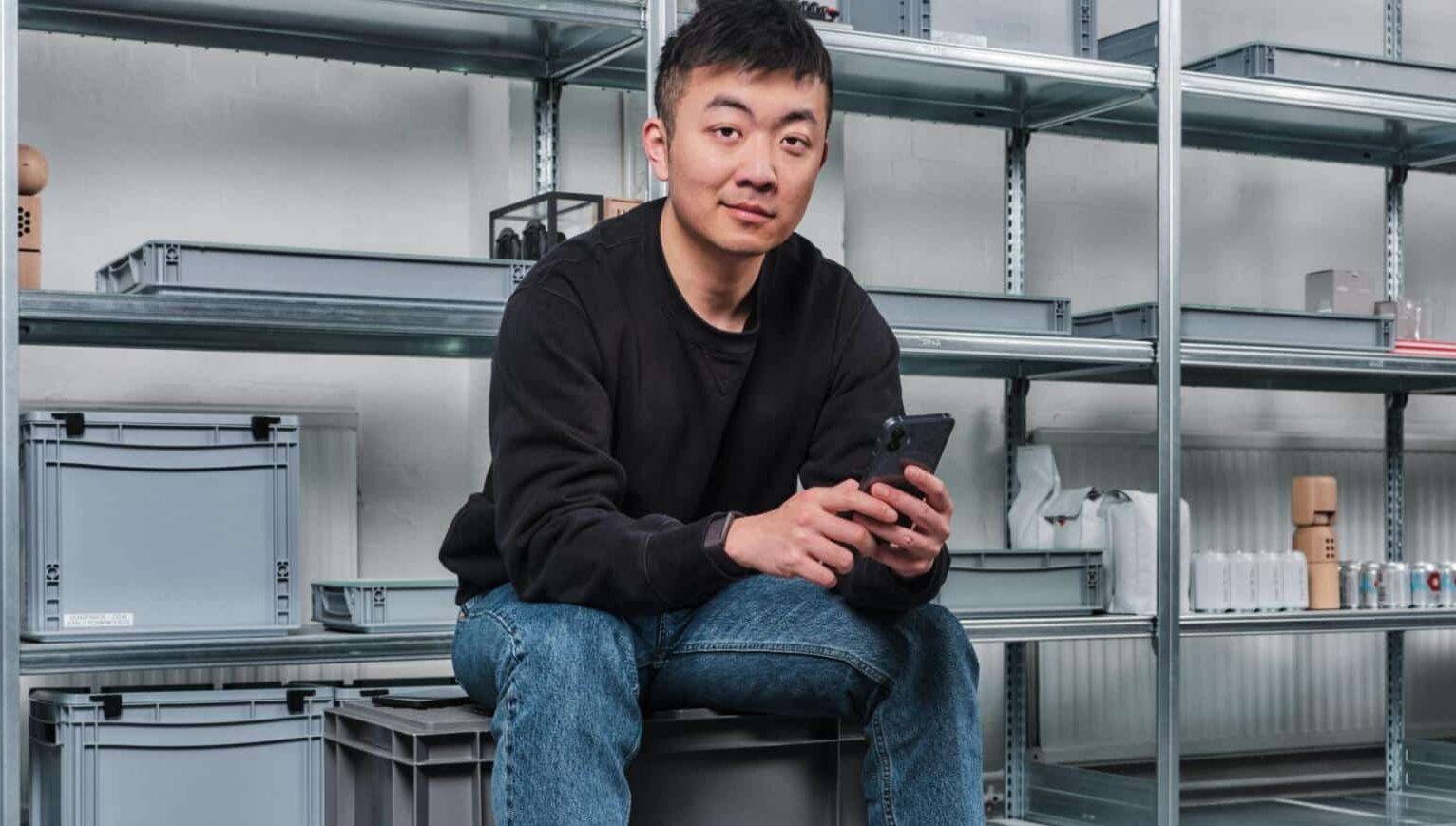
Quick Tips is a condensed version of our longer-form articles where we offer some quick one-off tips from established Asian founders. In this edition of Quick Tips, we spoke with Carl Pei, co-founder and CEO of Nothing Technology–a consumer electronics startup seeking to challenge the smartphone giants and make tech fun again.

Lots of my friends are debating whether or not to quit their jobs to start their own company. What factors would you recommend them to consider when making this decision?

It depends on whether we’re talking about a proper company or a lifestyle business. If it’s the former, remember that most startups fail, and to increase the odds of success you have to be really great at something. I recommend them to think about what they currently are, or want to be great at, and how that can be leveraged into a business. If they don’t currently possess those skills, they should think about how they can best acquire them.

You’ve mentioned that you want to make tech fun again. Why do you think consumer tech has lost its luster? Why aren’t there more companies like Nothing trying to shake things up?

Consumer tech doesn’t have a healthy ecosystem of competing companies at different lifecycle stages. When companies in this sector get big, they can protect their margins and block startups from competing for a very long time. The natural barriers to entry are already very high to making complex consumer tech products. This, coupled with technology moats and user network effects, and the entry barriers become almost insurmountable.

Steve Jobs had a famous quote: “Some people say, ‘Give the customers what they want.’ But that’s not my approach. Our job is to figure out what they’re going to want before they do.” Is this an approach you subscribe to? 

This saying is correct if the company is able to afford a risk like this, and the source of risk tolerance is free cash flow and defensibility. I believe in building a solid foundation upon which we can take risks. In practice, that means starting with giving people what they want, and gradually shifting to figure out what they’re going to want before they do.

You’ve mentioned the importance of having a creative culture at Nothing. What actions have you done to actively cultivate the culture you want at Nothing? How do you plan to scale this culture when Nothing expands as an organization?

At such an early stage, the people we choose, and the things we choose to work on defines the culture. As we expand, we don’t have to reinvent the wheel in terms of culture management strategies. We just need to tailor the tactics to the culture we intend to build.

What’s the biggest risk you’ve taken at Nothing and how did it pay off?

We haven’t taken any big risks yet; we’re still building our foundations.

Where do you see opportunities lie in Asia these days? What drew you back to Asia when you moved for the opportunity with Meizu?

They say “A rising tide lifts all boats” right? Looking ahead, if we’re talking about Asia, there should be plenty of opportunities in India and Southeast Asia. When I moved back to Asia, it was more based on a gut feeling, but in hindsight I benefited a lot being in China during the years of its fastest economic growth.

You’ve been a founder in both China and London–has your experience being an Asian founder differed in the two countries?

Not that I can think of. Different regions provide access to different types of talent, and we try to be thoughtful about where we can find the best people for the different objectives that we have to accomplish as a company.
Related Articles

Luxury Goods

News

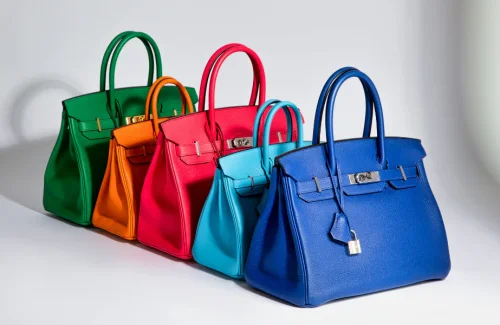
The Price of Perception: What You’re Paying for in Luxury Goods

What makes a luxury product cost so much? The short answer is perceived value. But perception is a fragile thing: it shifts, it evolves, and when it does, things begin to get complicated.

Take a luxury handbag, for example. Whether it’s Gucci, Prada, Louis Vuitton, or Hérmes, many of us are willing to spend thousands for that one beautifully crafted accessory. Why? Because we associate these brands with European sophistication, centuries of artisanal craftsmanship, and impeccable quality. We buy more than a bag; we buy into a story.

Now, imagine buying a bag labeled Made in China. If it’s affordable, you might not care. But if it has a luxury price tag? You might pause. The label alone could influence how you value the item.

The kicker is: Remember the bag you treasure from your favorite luxury brand? Based on the claims of factory workers and viral TikTokers, many high-end luxury products are manufactured in China, then shipped to Europe, to be relabeled and sold as European-made.

This controversial debate has sent the internet into a tailspin, asking: Are we paying for craftsmanship or the illusion of origin?

This is where soft power comes into play. It shapes how we see the world. We look at Hollywood movies and see the U.S. as a place filled with great dreams. We see the beautiful K-pop stars and K-drama idols, and we want Korean beauty products to fulfill our desire to be pretty like them. Customers don’t crave an expensive handbag because it’s objectively better; they buy it because of what luxury products emotionally and symbolically mean to them.  

But in the wake of trade wars and rising consumer awareness, people are beginning to question the true value behind the price tag. Is it about where the product is made, or where we believe it’s made?

Whether this TikTok trend is a fleeting controversy or a wake-up call, one thing is certain: when perception changes, so do buying habits. And that could reshape the entire future of an industry.

https://www.tiktok.com/@sen.bags_/video/7494196205917097262?q=made%20in%20china&t=1745296877126
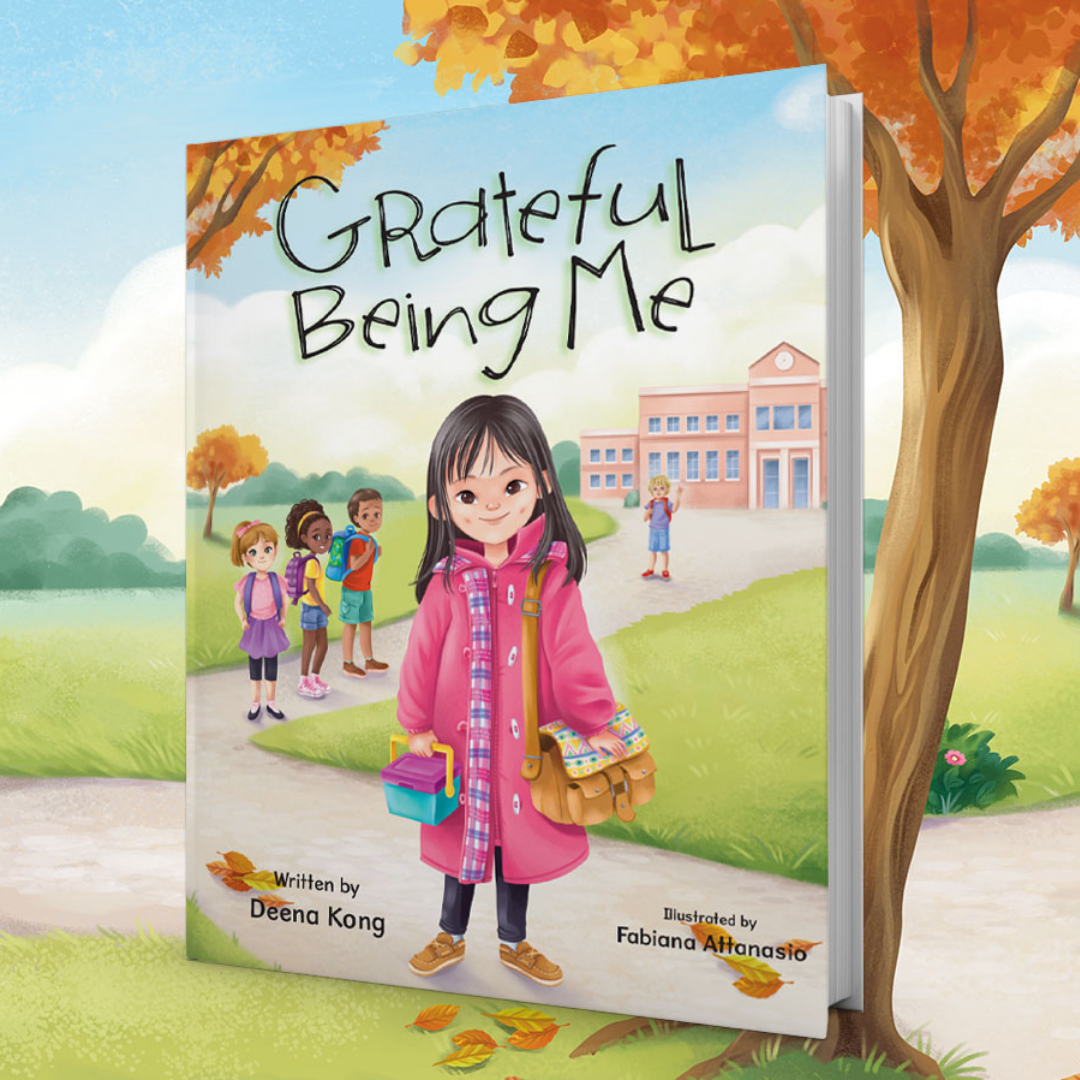
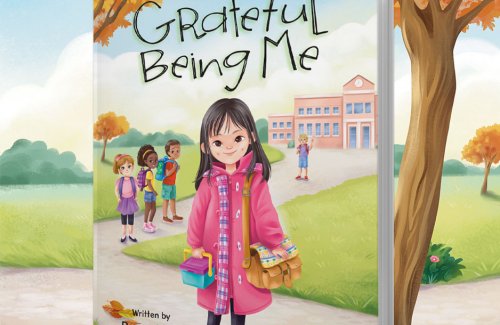
grateful-being-me-cover-jpg

Stories

How Deena Kong Is Rewriting Representation in Children’s Literature

Growing up Cambodian in North America, Deena Kong often felt invisible—a feeling that followed her from Canada to the U.S. and ultimately inspired her to write Grateful Being Me, a book to help children understand representation matters.

Deena Kong with her book Grateful Being Me (Photographed By: Jamie Sutera)

Seeing Herself in Stories

Growing up Cambodian in North America, Deena often felt invisible. 

“I truly believed as a child that no one else could relate to these feelings I was experiencing,” she shares. “That’s why I wanted to share my story with others.” 

Raised by supportive parents, Deena became a passionate reader, ultimately leading her to create a book that would help children from similar backgrounds see themselves represented.

“Representation matters,” Deena explains. “When a child wanders through a library or bookstore, they should be able to find themselves in the stories and pictures. I hope Grateful Being Me encourages self-acceptance, celebrates diversity, and promotes inclusion by empowering children to connect with one another.”

Grateful Being Me (Photographed By: Jamie Sutera)

The Making of Grateful Being Me

Finding time to write proved challenging while working full-time as a Government Contractor in Ethics & Compliance and raising a family. Yet Deena’s determination to promote diversity and inclusion kept her going until her book was ready for publication.

“Modeled after my real-life experiences, this book follows a young girl named Rosila on her adventure in an unfamiliar place,” Deena says proudly. 

The story chronicles Rosila’s first day at a new school in a new country, where she discovers what makes her unique and learns the power of self-love.

“Rosila’s first language isn’t English, so her vocabulary stands out,” Deena notes. “She brings ethnic foods that seem unusual compared to typical American cafeteria lunches. The story captures her nervousness about how classmates will react as she navigates this new environment and makes friends.”

Through Grateful Being Me, Deena offers a powerful tool to help children understand they belong anywhere. The book thoughtfully explores the complex emotions children face when encountering unfamiliar situations, ultimately showing them that their uniqueness is something to be celebrated.

Connect

Instagram: @bydeenakong

Website: Deena Kong

Purchase your copy of Grateful Being Me on Amazon, Barnes & Noble, Walmart, or Books-A-Million.

Vietnamese American Girls

News

‘This Moment Doesn’t Happen for Vietnamese American Girls Like Me’: Thuy’s Words Hit Home for Generations of Asians

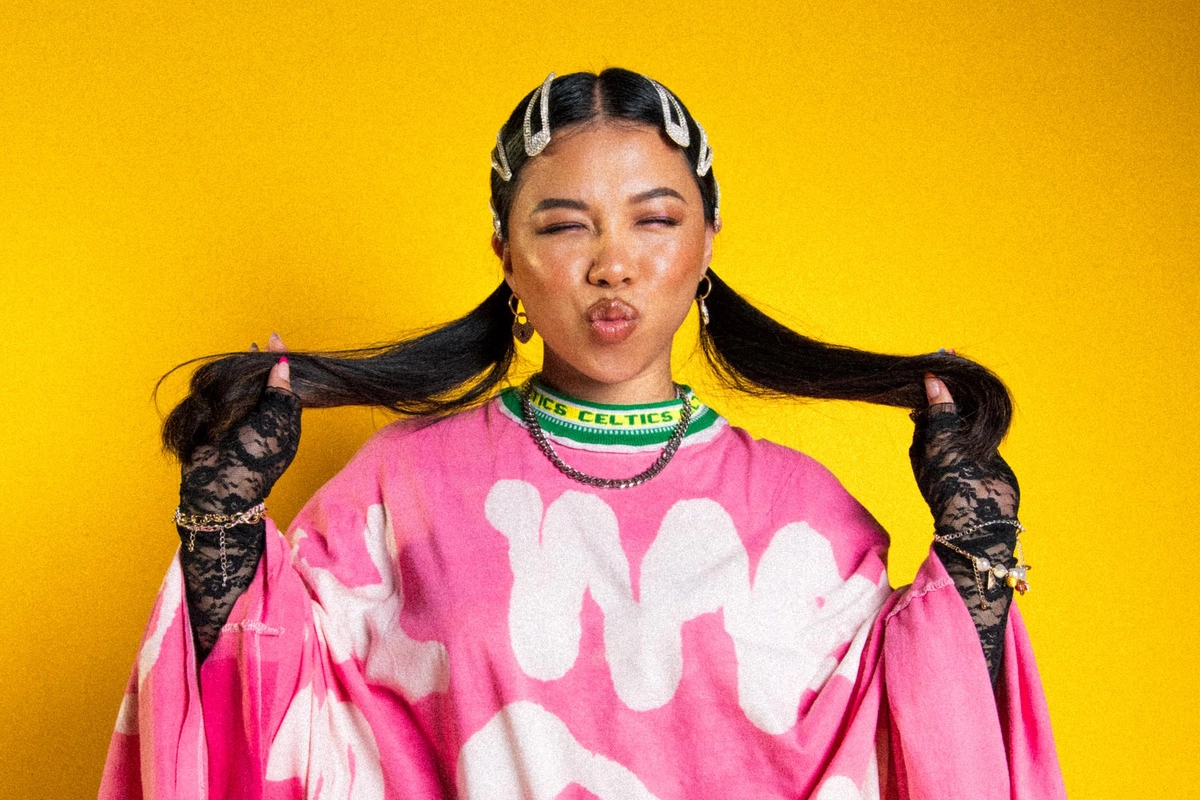
Thuy has always been a proud Vietnamese at heart. In April 2024, Vietnamese American R&B artist Thuy made history at Coachella as the first official solo Vietnamese American artist to grace the well-known music festival. This year, a video clip of her Coachella speech has become widespread, sending out a powerful message to young Asian girls out there.

Thuy, a Vietnamese American R&B artist, shares empowering words for Vietnamese American girls. (Image source: PAPER Magazine)

Originally from the Bay Area, Thuy revealed that she grew up in a traditional family, hence, shaping her as a former optometric technician. However, weekend karaoke sessions with her family have brought her musicianship to life, sparking an interest that soon flourished. Taking a leap of faith and moving to Los Angeles (LA) for a music career, Thuy has proven to herself that the leap was a must, especially with the well-liked hit “girls like me don’t cry.”

Beyond her musical talent and captivating stage presence, Thuy’s performance at Coachella stands for something way greater—the well-deserved representation of Vietnamese Americans and Asian Americans in general. Her success challenges traditional expectations within Asian American households, where creative careers are discouraged due to the fear of instability associated with the jobs. Moreover, this is also a significant step forward in diversifying the music industry and amplifying underrepresented voices. 

‘This moment doesn’t happen for Vietnamese American girls like me,” Thuy reflected during her Coachella performance. “I am so honored to be here today to be the first official solo Vietnamese American.”

https://www.tiktok.com/@thuyuniverse/video/7492153731891399978

Blogs, Development

Is Your Homepage Welcoming or Driving Visitors Away?

Your homepage is like a party host—it either welcomes guests with open arms or sends them running for the exit. So, how can you ensure your homepage draws in visitors? Here are some tips:

Prioritize Essential Information

Modern users have short attention spans, so your homepage must prioritize essential information. Clearly state what you do, why visitors should care, and how you solve their pain points. The more straightforward this is, the less likely users will leave confused or frustrated.

Prioritize Essential Information

Keep It Simple

Simplicity is key in navigation, layout, and messaging. While visitors may not convert immediately, an intuitive and engaging experience encourages them to explore further and return later. Avoid clutter, streamline choices, and guide users effortlessly to what matters most.

Build Confidence

Most importantly, your homepage must build confidence. People dislike feeling lost or unsure, so eliminate complexity. Use clear descriptions, trusted testimonials, and logical organization to make visitors feel comfortable and informed from the first click. A confident user is far more likely to stay, engage, and eventually convert.

Build Confidence

Why AHN Solutions?

A homepage carries a lot of significance and can make or break your website. Let AHN Solutions be your ultimate wingman, transforming your digital front door into an experience visitors will love to stay for.

If you want to learn more about our services, visit the AHN Solutions website at asianhustlenetwork.com/services/