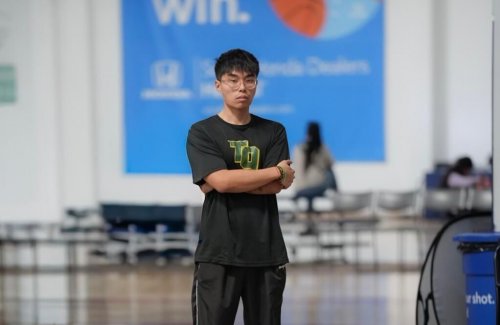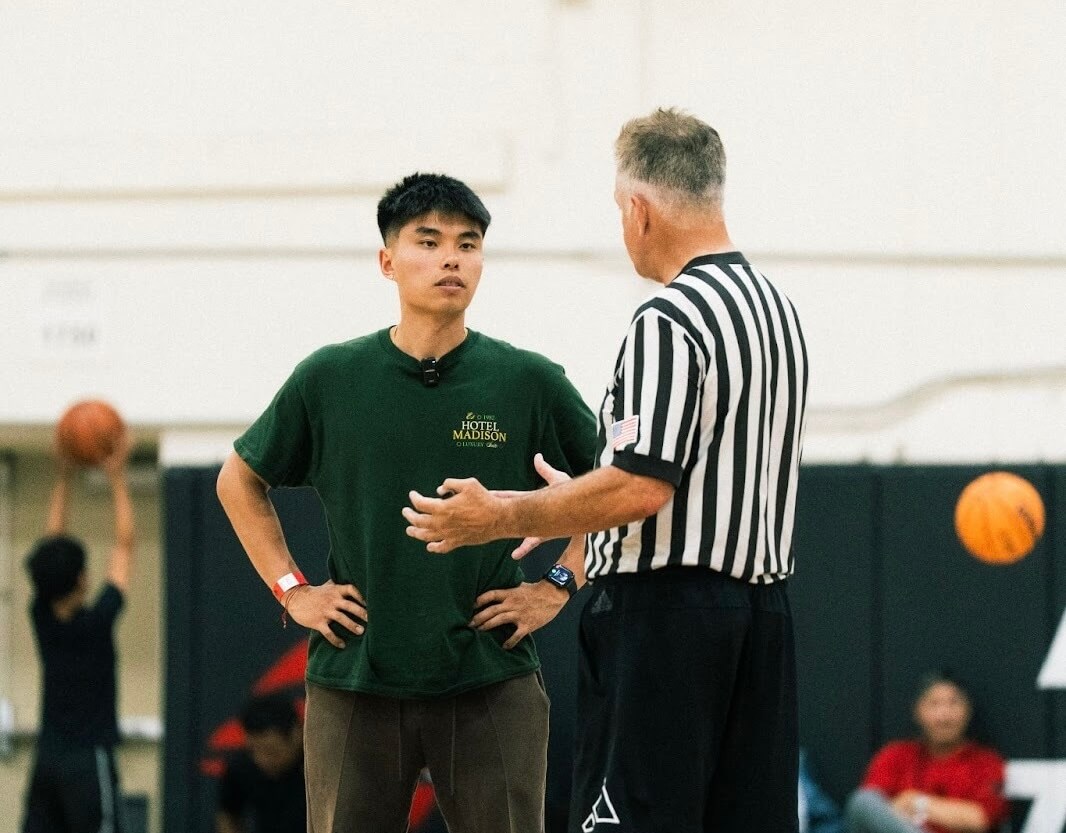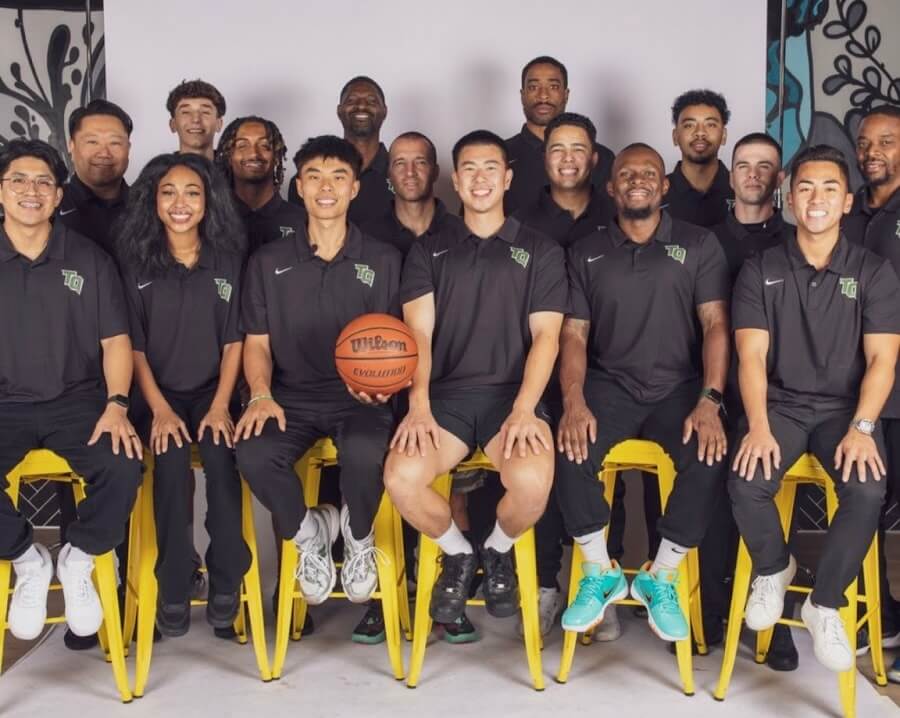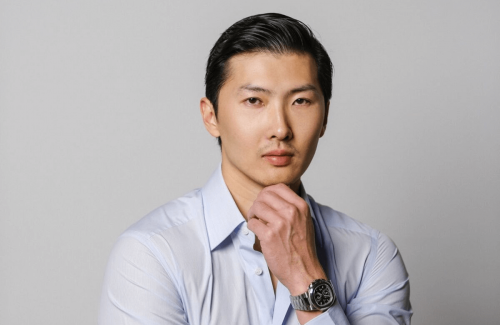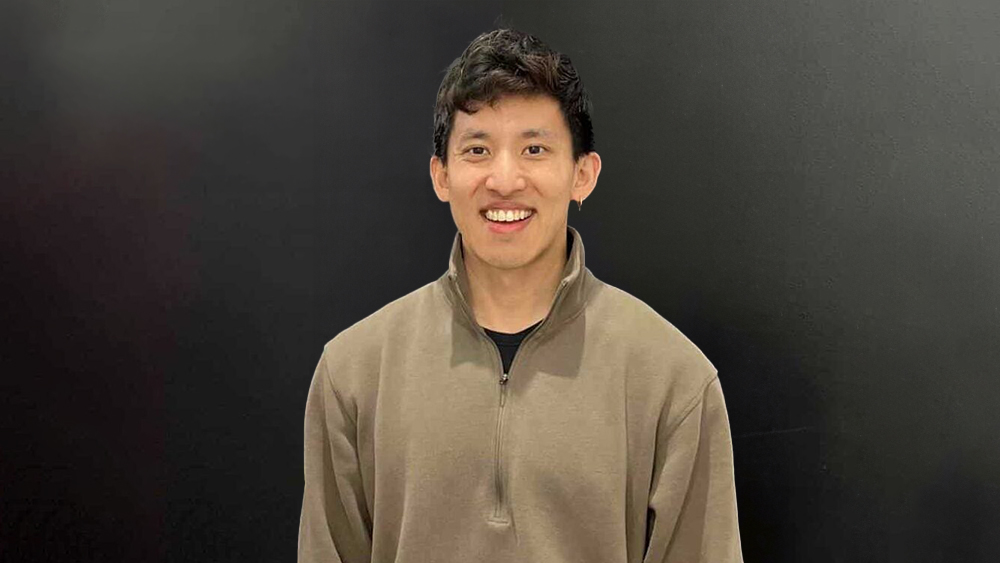
If you want to see what the next generation of Asian leaders looks like–look no further than Beacons.ai co-founder and CEO, Neal Jean. Backed by Y Combinator, a16z, and even our former guest Bryant Chou, Beacons is an up-and-coming Operating System for creators. A one-stop shop for creators to do email marketing, make their online store, their link in bio, etc. Despite still being early in his entrepreneurial journey, Neal has already accumulated an incredible amount of insights and experiences, and I hope you enjoy learning about them as much as I did. Without further ado:
BEFORE STARTUPS
Neal’s background before startups is quite unorthodox. A few years after graduating from Duke undergrad, he went back to college and got a second bachelor’s degree, then went on to get a PhD from Stanford. I asked Neal to connect the dots for me:
I grew up in Ohio and when I was 18, I didn’t really know what I wanted to do with my life. I wasn’t ready to make big decisions like that. I wasn’t aware of many different career paths. When I got to Duke, I didn’t really know what I wanted to do. I ended up studying economics and math there. I started my career as an options trader working in finance. I fell into that because I was studying economics and was somewhat good at math. It became clear to me very quickly that I didn’t want to do that my whole life. Around 2010 or 2011, I was living in Chicago working in trading and I’d be sitting at my trading desk reading essays by Paul Graham about startups. At the time, I thought it would be cool to build a company and make a difference, but I wasn’t confident that I could do it myself. I wasn’t technical and I wasn’t very familiar with it. Now I know that it doesn’t really matter if you’re technical, you learn everything by doing it anyway.
I mentioned that as a non-technical person, being unconfident in my ability to start a startup resonated with me.
Definitely. I majored in economics, so maybe you can relate to some of this [I also majored in economics]. One of the only things I remembered from my economics classes at Duke was this idea that advances in technology are the only thing that really moves the world forward over long periods of time. I think that idea really stuck with me. It was one thing that drew me to tech. I started my career in finance. I actually got fired from that first job. I made a bad trade, lost a decent amount of money, and got fired the next day. Looking back, I feel really lucky because it gave me a chance to reset and be more intentional about what I wanted to do with my life.
So my younger brother, Joel, was Stanford class of 2011. He then went to MIT and did a PhD there, researching solar cells. It just felt like the stuff he was working on, he was trying to save the world since he was working on climate change you know. He was working on developing new types of solar materials. It just felt very meaningful compared to what I was doing. He actually now has a solar startup called Swift Solar. So I decided to go back to school, went to Georgia Tech for two years, did a second bachelor’s in EE, and I thought I also wanted to work in solar, but the summer before I went to Stanford, I took Andrew Ng’s machine learning class on Coursera and found it really interesting. I did a rotation in a machine learning group at Stanford and decided to switch to CS basically. My PhD was mostly on using computer vision and satellite imagery to map out poverty in Africa, which was the kind of meaningful project I wanted to work on coming out of finance. But even coming into Stanford, I had the idea that I wanted to build something eventually. Near the end of my PhD, I started working with a couple of friends on some projects. That led to applying to YC, pivoting a couple of times, and eventually getting to what we’re working on at Beacons today.
PIVOTING IDEAS
Most startups have co-founders. I asked Neal how he met his and if he had any advice for other people looking for co-founders:
I have three co-founders. Two of them were in my PhD program. We met when we were visiting Stanford, deciding what grad school to go to. I met our fourth co-founder at Georgia Tech when I was doing my second undergrad there, so I’ve known him for over 10 years. I think I got lucky and ended up being able to work with my friends. If you get lucky and you have friends who have similar interests and you work well together, that can be a great path. One of the things that surprised me about startups is that it’s very random. Before you do a startup, you read about startups in TechCrunch and you think they all follow a standard path. It’s like you raise a pre-seed, you raise a seed round, you raise a series A and then whatever. But people do all kinds of crazy things, and the same goes for finding a co-founder. There are lots of ways to do it. If you don’t have friends to do it with, one thing I would suggest is to develop your own interests. Follow things that you’re interested in and try to go deep in those areas. You’ll naturally start doing more interesting things and meet more people. If you’re doing that intentionally, I think you’ll create a lot of luck surface area for yourself.
Earlier in the interview, Neal mentioned that his team pivoted a few times, so I asked him what the original idea for Beacons was:
I used to live in Rains [graduate apartments at Stanford], and the first project that we built was a face recognition smart lock for my apartment. We tried to get it to recognize all of our friends’ faces and unlock my apartment when they showed up. It worked sometimes. We made a portable version of it to bring to our YC interview. That’s what we got into YC with.
We quickly pivoted away from our original idea after our YC interview. We realized that all of our backgrounds were in software, and to build the kind of company we initially envisioned would require more of a consumer hardware focus. So, we started exploring new ideas and different things. We entered YC without a clear idea and spent the first month building productivity software, which I think is a common trap for founders who don’t have any better ideas.

About a month into YC, I attended a friend’s wedding in Singapore and met a woman who was running an e-commerce company and doing all of her marketing through influencers on Instagram. She heard about my background in machine learning and asked if I could build a system to help her find influencers to work with. She showed me spreadsheets where she was tracking people’s follower counts and the number of likes and comments they were getting on their posts. She would then compute their engagement ratios and try to figure out how much she would be willing to pay them. It seemed like a good problem to automate and potentially improve with machine learning. I returned to SF, discussed it with my co-founders, and we invited her to come from Singapore to SF so we could start building this system for her. She actually came over the next Monday and moved into our apartment. I gave up my bed for her and moved into my co-founder’s bed. We spent the rest of YC building with her, and that was how we got into the creator space. Eventually, we realized that we were more excited to build products for the creator side of the market than the brand side.
We first started building something that’s similar to Cameo. We were trying to build a Cameo for creators. However, we soon realized that Cameo was already doing a good job at catering to creators. But that’s how we started talking to lots of creators. We saw Linktree taking off around that time. Their product looked pretty basic and we weren’t that good at building software at the time. So we thought we could probably compete with them. That’s how we started down the path we’ve been on for the last couple of years.
GETTING CUSTOMERS
I’m always curious how startups get their first customers, and I was especially curious about Beacons since they sell to influencers. Here’s what Neal had to say:
It is harder today because I think there are more people trying to reach out and get in touch with these creators. We just used cold email in the beginning, this was when we were still building the Cameo for creators.
We put together a list of 50 creators who were based in the Bay Area and I emailed all of them. The email was basically like, “Hey, whatever your name is, your biggest fan, Jesse, who is my co-founder, wants to pay you $20 for this video. So you have $20 waiting for you. Just reply to my email and we’ll tell you how you can get this money.” We thought it could work. We got one reply out of the 50. Her name is Suki. Her Instagram is @sukiluser, if you want to look her up. She had just moved to the Bay Area from Toronto. She didn’t have many friends yet. She asked if Jesse was my co-founder. I confirmed, she was really nice about it. We met up the next day in Hayes Valley. She was our first user. She’s an advisor to the company today and still a friend.
Although I thought this idea was genius, it sounded like it wasn’t too effective, so I asked Neal if he switched up his tactics to get customers 2-10:
No, we kept doing the cold email. After we pivoted to the link in bio, we started a new cold email strategy. We would find creators who are using Linktree. Then, we would rebuild their website in Beacons. We would send them a screenshot of the website we built for them that was nicer than their existing Linktree website and then ask them to sign up. That’s how we got our first couple hundred users.
PHD FOUNDERS
Because I know some folks who have or are pursuing a PhD and are looking to get into startups afterwards, I figured I’d ask Neal to reflect on the advantages and disadvantages of being a founder with a PhD:
I think we have more challenges than strengths. One challenge was that we didn’t have any experience working. My other co-founders had never worked before. I had only worked in finance. So I had never worked in tech. I had no idea how tech companies actually operate. So we just had to learn a lot of things from scratch and probably made a lot of rookie mistakes along the way. We also weren’t native to our space. None of us were content creators. And I think early on, there were some challenges that came with that. One, we didn’t have the most empathy for our users. So we were trying to build for them, but we didn’t really know what it was like. We’ve worked on that and improved over time. However, we probably made some decisions and mistakes that others wouldn’t have. From investors, there was a perception that we were mercenaries. We were machine learning PhDs, but we were building things for TikTok creators. They wondered if we were just capitalizing on a hot space. In terms of advantages: now that AI is so popular, I think our backgrounds are going to be more helpful. That’s maybe a more obvious one. A less obvious one that I think has been important is that we’re not necessarily smarter than people who don’t have PhDs. But one thing you do learn during your PhD is not to be intimidated by problems that you don’t know the answer to initially. As a founder, you often don’t know how to do anything going into it. You’re constantly figuring out new things. When you do a PhD, one of the challenges is that you have to bring new knowledge into the world. You’re always trying to figure out things that haven’t been figured out before. You’re not sure if you can figure it out, or at least not sure if you can figure it out in this way. So there’s a certain amount of intellectual resilience or courage that you develop. I think that’s actually been pretty helpful for building a company. To clarify, resilience or intellectual courage isn’t exclusive to PhDs, but it was helpful that we had developed that over time.
Naturally, I had to ask Neal how they managed to convince investors to bet on them:
It depends on the investor. Different investors care about different things and respond to different things. We’ve always been honest about who we are and who we’re not. We didn’t misrepresent ourselves as creator experts. We’ve always been earnest and curious, and over time, dedicated to solving problems in this space. For investors who cared more about that than domain expertise, our approach resonated with them. It’s probably a good thing because if you get money from an investor that doesn’t really match with you, it’s likely to cause problems later on.
BEING NON-TECHNICAL
Backtracking, I asked Neal to expand on an earlier point he made about how non-technical people can dive into a startup and pick things up along the way:
It was definitely beneficial for our team to have experience in software. But none of us had built any consumer software before; we were all research people. We knew Python, but we didn’t know JavaScript. I had imagined that to work and contribute to an early-stage startup, you have to be able to code things up yourself and build products yourself. It depends on the type of company you’re building. If you’re building a dev tools startup, maybe that’s more accurate. But there are many companies where it’s very helpful to have a non-technical person who’s willing to do a lot of different things to make the company work. At Beacons, I’ve done very little coding in the five years that we’ve been working together. Even though I have a PhD in CS, most of the work I’ve done at Beacons to help the company is not writing code.
We’re a product-led company. Our go-to-market motion is mostly people using the product, and then other people seeing them use the product and adopting it for themselves. We haven’t done a lot of sales or even a lot of marketing up to this point. My role was mostly leading product, especially early on. Now we have other people on the product team. But early on, I was the main product person. Doing product is really about understanding your users or customers and then understanding their problems and then trying to figure out how you can solve them. Because we’re building a software product, it was about understanding how to solve them with software for the most part. The hard part is really understanding the problem and being creative in thinking about how you can provide a solution. That cycle of understanding the problem and then figuring out how to solve it actually creates a lot of leverage within the company.
One thing I took away from previous interviews is that you can’t just go and add all the features that your users ask you to. Users will ask you for this and that, but maybe you’ll end up with a really hodgepodge product if you do that. I wanted to get Neal’s thoughts on how to cut through the noise and identify what it is users actually need:
You do your best. If you look at our product, we definitely added a bunch of features that people asked for that didn’t end up being very useful. I definitely can’t claim that we’ve always done a good job of this. Understanding the problem is not a simple thing, there are lots of different problems and ways to think about them. It’s about fitting them together into one cohesive model of who the customer is and which problems are important enough to solve. It’s also about understanding which problems your company is well-positioned to solve or where you have a right to win as a company. It’s a high dimensional thing that requires a complex model of how the world works, how your customer fits into that world, how you fit into that world, and where you think things are going in the future. Then, it’s about trying to align all those things and build for that future while being constrained on the money, time, and people that you have to deliver that stuff.
I asked Neal if he wrote out his models explicitly:
Yes, I really like to whiteboard stuff out. We have whiteboards in our office. That was a skill I picked up during my PhD. I also do a lot of writing internally. I believe that writing is thinking. There’s this quote, “Writing is nature’s way of showing you how sloppy your thinking is.” I believe that.
BEING AN ASIAN FOUNDER
As per newsletter tradition, I asked Neal how being Asian has qualified his experience as a founder:
It’s definitely something I’ve thought about, but I wouldn’t say I spend a ton of time thinking about it. I think I’m relatively lucky in a lot of ways. As a founder, I’m a man, and women often have it harder as founders. I’m Asian, but as far as being a minority goes, being an Asian man is not the worst thing as a founder. I think because of other characteristics that I have, like having a PhD in machine learning from Stanford, I don’t not fit the mold that people are expecting. I think Asians are still pretty underrepresented in leadership roles.
I mentioned that although there are some very successful Asian founders, it seemed that Asian founders were especially lacking in terms of CEO representation.
I share your impression that there aren’t many visible Asian CEOs. Jensen Huang, for example, has recently been in the media a lot. We’re still an early company, so I hope to help change that someday. However, it’s not always top of mind. Most days, I’m focused on what needs to get done at work.
A fair answer, given that Neal is really in the thick of things having just launched Beacons 2.0 (a big expansion of their product suite featuring AI-powered tools) several months ago.
SHOUTOUTS
The only thing Neal wanted to shoutout was Beacon’s mission:
For us, we always saw these creators as a new class of online entrepreneurs. They didn’t have a lot of tooling or support for them yet. That’s always been a big part of our mission at Beacons. This is actually related to the research I did at Stanford, where I got really excited about using software to create better economic opportunities for people around the world. I was doing that research on poverty in Africa. That’s a part of our mission at Beacons that I’m still pretty excited about, even though I never would have guessed that I would be working with TikTokers. It’s a cool space to be in. We’re starting to build one of the better, more comprehensive platforms out there to support online entrepreneurs, at least ones where content is pretty important for their business. We’re starting to build in a lot more AI and machine learning stuff to help them run their business more easily and make better decisions across the business.
Given the rapid and accelerating growth of the creator economy, I suspect that Neal and his team will be in for some very busy and fun years. I’m excited to see how Neal grows during his time leading Beacons, and I hope that he’ll come back and grant us another interview once he’s made it!
Thank you Neal for speaking with us!